

15 Car Model Redesigns That Totally Missed The Mark
The average car buyer may not care about facelifts and redesigns, but enthusiasts will surely notice if a manufacturer makes a major change to a car model's looks. While most refreshes and all-new models update a vehicle's technology and style, some have ended in complete aesthetic disaster. Designers lost design cues that defined their predecessors, either through excessive trend chasing or producing something just plain ugly.
Design is subjective, of course, so you might actually find some of the vehicles we're listing today to your liking. These cars also aren't necessarily ugly — it's just that many observers thought they had lost their predecessors' soul or personality.
1976 Aston Martin Lagonda Series 2
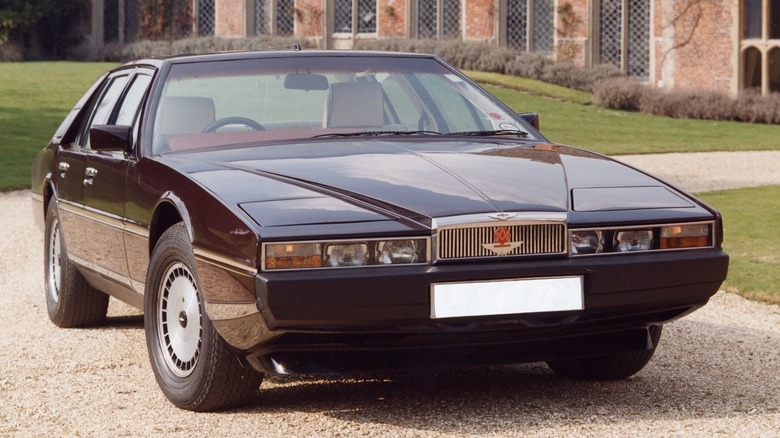
Aston Martin is known for making beautiful grand tourers, which is why the famous British Gentleman Spy prefers driving this marque. But even though the company made one of the English cars that changed the world, it's not immune to making any missteps in the design department. We see this with the 1976 Aston Martin Lagonda Series 2, which was voted as the worst Aston Martin of all time in a SlashGear survey.
The Lagonda launched as the 1975 Series 1 model, which looks like a proper British muscle car. It came with thick tires, a gaping grille, muscular fenders, broad shoulders, and a sleek rear end that will leave you in the dust. It also had a 380 hp 5.3-liter V8 engine. However, the Series 1 was short-lived and replaced by a completely different Series 2 in 1976.
The new model traded in the muscular look with the angular wedge shape popular in the 1970s. It's as if the Lagonda no longer wished to become a muscular sports car and would rather be a door stopper. The weird look was compounded further by the pop-up headlights that made the car look like it's worried about what others will think of it.
1994 Ford Mustang (SN95)
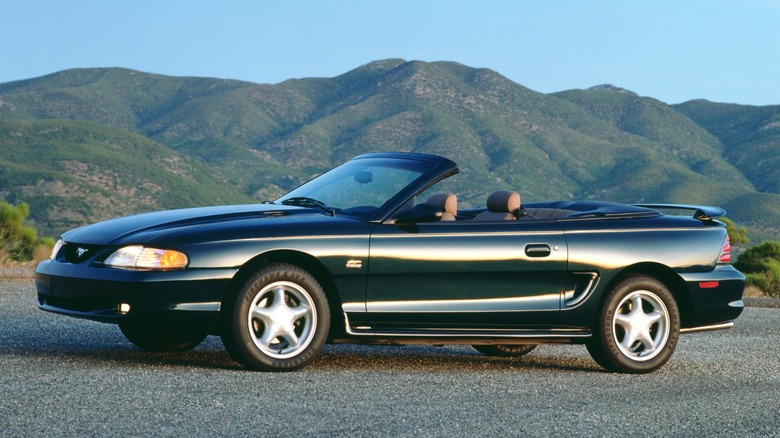
While the Ford Mustang is often considered one of the most iconic American cars ever made, Ford did make a couple of missteps with this car model. Many argue that the Mustang II, which the company produced during the height of the 1970s oil crisis, is one of the worst generations of the venerable pony car. However, history is much more nuanced than that, and you can say that it still retained the muscular look of the original Mustang.
We can't say the same for the 1994 Ford Mustang (SN95), though, with its jellybean-shaped body. The fourth-generation model traded in its signature aggressive body style for a rounder, softer aesthetic. It's not an ugly car, per se, but the benign design doesn't match the 5.0-liter V8 it hides under the hood.
If we go through the Mustang's visual history, the SN95 is arguably the cutest of the bunch and doesn't feel like proper American muscle. Ford fixed this in 1998, when it was refreshed with the "New Edge" design, featuring sharper lines and bolder styling.
1996 Ford Taurus
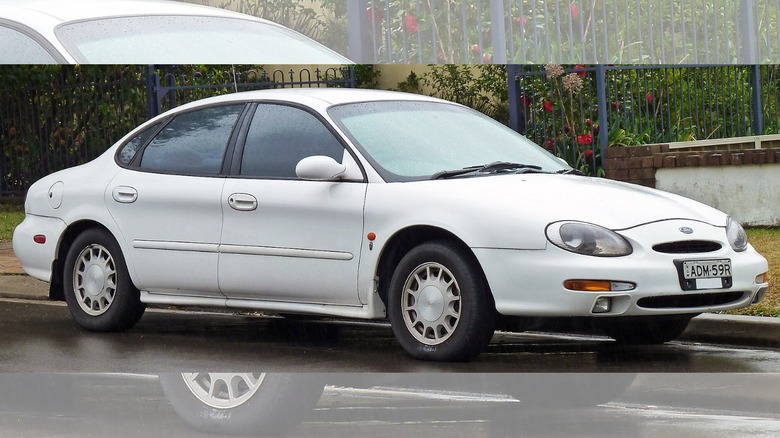
The Ford Taurus was the best-selling car in the U.S. for most of the '90s, so one would think that its designers would be careful when updating the vehicle. However, Ford went overboard with the period's rounded design trend and gave us the 1996 Ford Taurus, which SlashGear considers one of the worst-looking Fords ever made.
While the second-generation Taurus did not stand out from the crowd and had an inoffensive design, it still looked sleek and handsome. The third-generation Taurus threw all of this out of the window with its experimental "bio-mechanical" design language. The soft, curvy surfaces aren't the main issue, though — it's that it wasn't well executed and had no central theme tying everything together. Consequently, the car looked like a random alien lump, especially when paired with the four-eyed combination headlights.
Surprisingly, the third-generation Taurus was the best-selling car of 1996, which some attribute to fleet sales. And while we cannot definitively say that this generation's looks lost it in the top sales spot the year after, we certainly think it contributed.
1998 Chevrolet Camaro
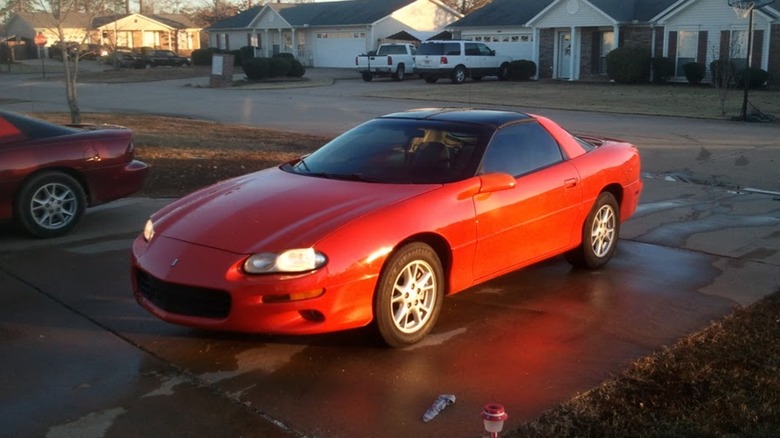
This is one of the most iconic American sports cars ever made, and Chevrolet produced some of the best-looking Camaros across generations. The 1993 Camaro Z/28 Indianapolis 500 Pace Car Edition is quite a looker with its snazzy two-tone paint job, but Chevrolet designers somehow misstepped when they refreshed this generation.
It was during the 1998 model year that this vehicle earned its "Catfish Camaro" moniker. That's because its design somewhat resembled an aquatic animal, with the vehicle adopting a low, wide stance paired with a gaping mouth and bulging headlights. This somehow reminded people of mud-dwelling marine life, and the name stuck for decades.
Despite that, the vehicle now wears the term as a badge of honor, with some even calling it the most underrated Camaro ever built. It's even built a cult following over the years, especially as some people loved the 5.7-liter LS1 V8 engine under the hood, which produced 325 hp and 350 lb-ft of torque to the rear wheels through either a four-speed manual or six-speed automatic. This combination allowed the sports car to go from zero to 60 in 4.9 seconds and finish the quarter-mile in 13.9 seconds.
1998 Porsche 911 (996)
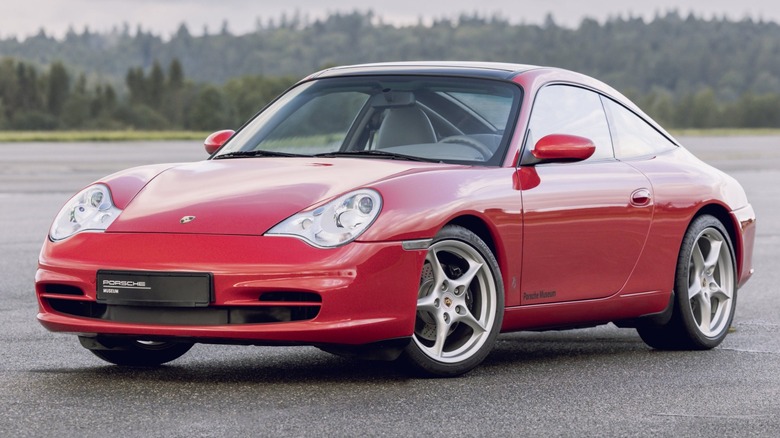
When you think of an iconic German sports car, the Porsche 911 would likely be among the first models that would come to mind. We could argue that Porsche never made a misstep with the 911, but a few people would rank the 996 as the worst generation of all 911s to come out of Stuttgart.
One of the most contentious changes that Porsche introduced with the 996 was the water-cooled engine, but we won't focus on that. Instead, we'll look at this generation's front fascia — particularly the headlights. Every 911 generation, before and since the 996, had round headlights. On the other hand, the 1998 Porsche 911 had what people called "fried egg" headlights, because of its unique shape.
Even though the car retained the classic 911 form and had a couple of desirable trims (the 2001 to 2004 Turbo and the 2004 GT3), many critics hated this car. But whatever they say, buyers apparently still loved it, with the 996 selling more than 175,000 units during its nine-year production run.
2001 Subaru Impreza WRX (GG)
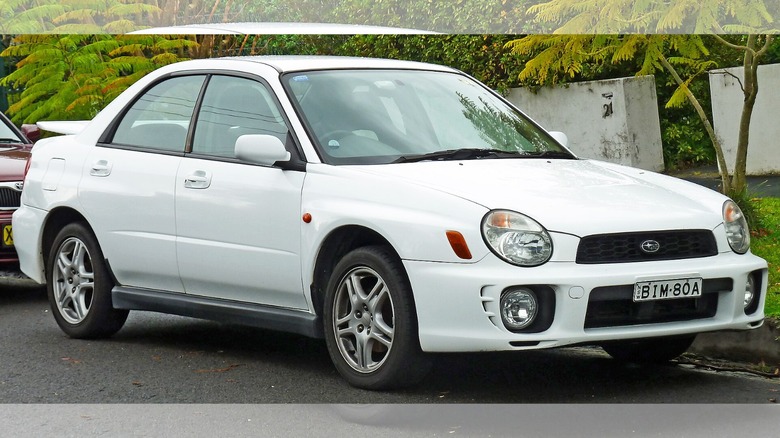
The first-generation Subaru Impreza WRX was introduced in 1992 and took the rally world by storm. The Japanese carmaker released the second-generation Impreza WRX in 2000, and while it retained the signature performance, its new look was a bit controversial.
This generation featured large round headlights, which is why it received the "Bugeye" moniker. While it will still get you to your destination rather quickly, its face resembles that of a bug that is stuck on the WRX's windshield. Its front fascia is rather unique, but enthusiasts didn't mind because of the 2.0-liter turbo flat-four engine under the hood. The top-end STI put out 265 hp and 253 lb-ft of torque through all four wheels via a six-speed manual.
Subaru eventually updated the Bugeye to the Blobeye some three years later, which reduced its surprised, squished bug look. It received another facelift with the 2006 Hawkeye, but the look of the 2001 WRX STI remains seared into our minds.
2002 BMW 7 Series (E65)
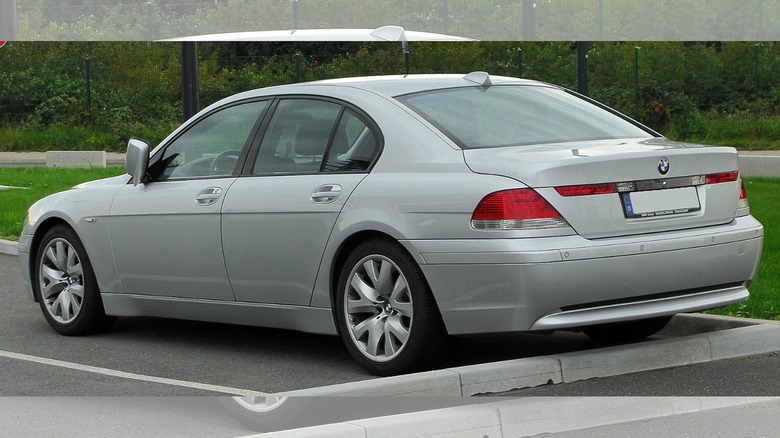
The 7 Series is BMW's flagship sedan, so you'd expect it to have the best looks and features. Debuting in 1977, the first three generations were long, sleek, full-size sedans that were graceful despite their powerful engines. James Bond even drove a 1997 BMW 750iL in "Tomorrow Never Dies."
Unfortunately, this changed with the arrival of the 2002 model. The svelte, athletic look of the previous generations was replaced by a thicker, bigger body, and the headlights became larger and bubblier. However, it's this model's trunk that received the most controversial change, standing out against the vehicle's otherwise sloping roofline. It felt more like an afterthought than an integral part of the saloon's design.
It's for these reasons that the E65 made our list of the worst-looking BMWs ever made. Thankfully, the carmaker facelifted it in 2005, replacing the rounded headlights with a more conservative design and revamping the rear lights to better fit and hide the unsightly bulge of its trunk.
2010 Mazda 3 (BL)
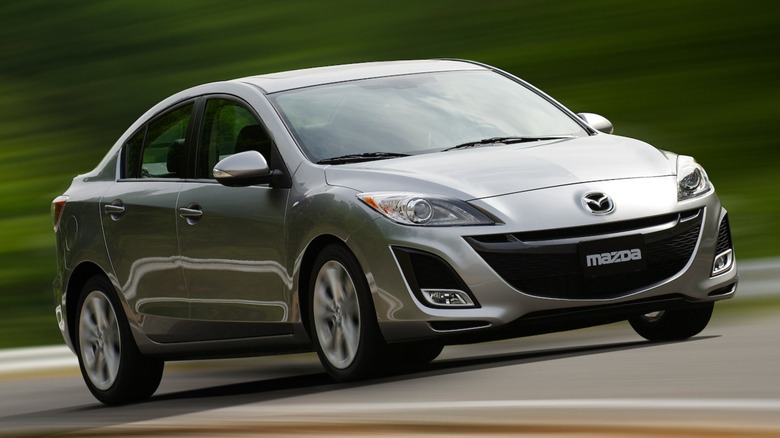
Even though the Mazda 3 is the cheapest model you can get from the Japanese carmaker, it is a good-looking car that offers so much more than a basic car that will get you from point A to B. This also rang true for older generations of the Mazda 3, which all looked beautiful — except for the second generation made from 2010 to 2013.
To be clear, the 2010 Mazda 3 (BL) still had the athletic form and character of the previous generation. Its front clip also doesn't look half bad when you look at it from a fresh perspective. However, this new design is a departure from the sporty feel that Mazda vehicles are known for. It instead gave it a cute, smiling face, which can be a bit jarring for Mazda fans who follow its development.
The carmaker also launched a Mazdaspeed3 version of the BL, which made it one of the most powerful generations of the Mazda 3. Unfortunately, it would be the last Mazdaspeed version of the 3 compact sedan/hatchback, as the manufacturer moved away from racing and towards luxury.
2014 Jeep Cherokee (KL)
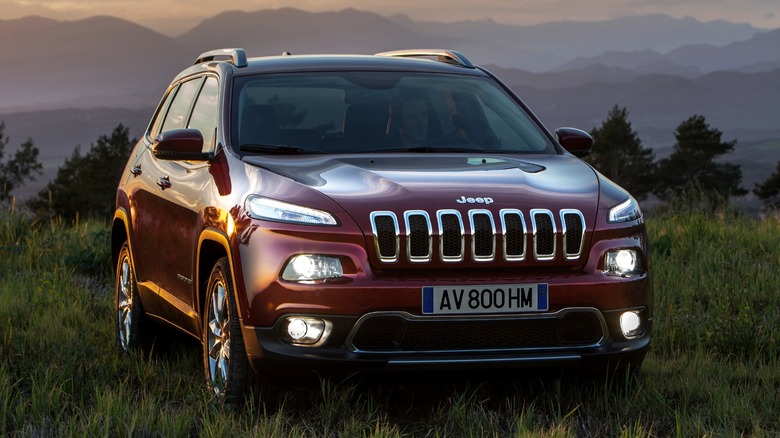
The first four generations of the Jeep Cherokee were all rugged-looking SUVs, with the 2008 to 2012 model years (called the Liberty in the U.S.) looking particularly brawny. However, this changed with the arrival of the 2014 Jeep Cherokee (KL). Even though it ditched the Liberty name, it no longer looked like the rugged SUV many people expected
This generation of the Cherokee ditched the brawny look and resembled other standard crossovers that were becoming more popular around this time. While this doesn't make the 2014 to 2023 Cherokee a bad vehicle (in fact, it's one of our top-ranked generations of the model), it somehow changed the vehicle from being an iconic SUV into just another crossover in a sea of many.
Note that we're only looking at the aesthetics, especially since the Trailhawk trim offers excellent off-road capability. We just wish that Jeep made it look the part.
2019 Chevrolet Camaro
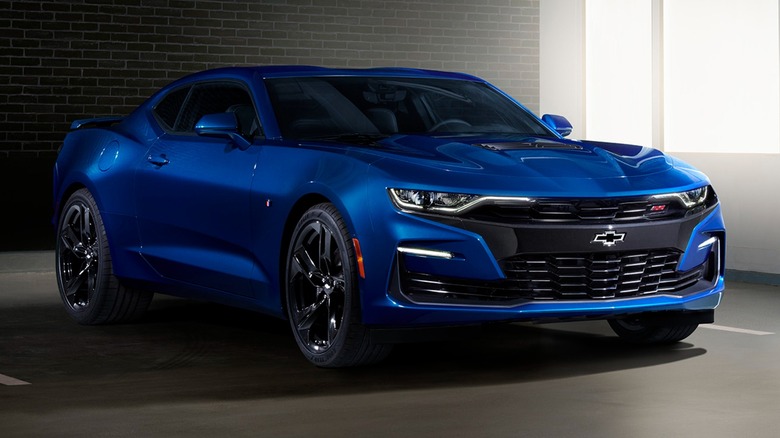
GM makes another appearance on our list with a second Camaro mishap. This time, we're adding the 2019 facelift of the sixth-generation Camaro and its controversial new look, especially for the SS trim.
The non-SS models had a deeper, more prominent grille than the pre-facelift 6th-gen Camaros paired to more aggressive headlights. It's certainly unique and not what many of us are used to, but it still follows the retro-modern design of the Camaros that came before it. However, the most jarring change happened to the 2019 Camaro SS, which gained a massive scowl thanks to the black trim that Chevy designers placed front and center on the bumper.
While this differentiated the mid-trim SS from the entry-level Camaros, it wasn't that well-received among enthusiasts. What's more interesting is that the top-of-the-line ZL1 did not receive any of the front-clip changes from the refresh, instead retaining the original look of the 6th-gen Camaro.
2020 Nissan Juke (F16)
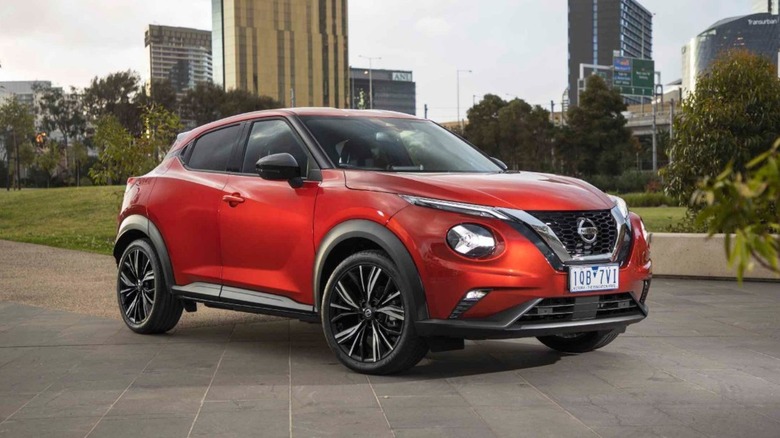
The Nissan Juke's aesthetics are quite unique, to say the least. This weird subcompact crossover was discontinued in the U.S. in 2017 after the Nissan Kicks arrived on the market, but it persisted internationally.
Even though sales of this weird car fell to just over 10,000 units during the last year of its U.S. run, it was apparently loved across the pond, with more than 90,000 units in Europe. So, Nissan released the second-generation Juke in 2019, unveiling it in various cities, including London, Paris, Milan, Barcelona, and Cologne, showing how the carmaker was pushing it hard in the European market.
Instead of toning down the design and settling for a more conservative look, Nissan's designers went all in on the rounded design language. It became more bulbous than the previous generation, with even more prominent headlights. Its "eyes" became thinner and straighter, though, so it now looked like an aggressive frog instead of a cute one.
2020 Honda Fit/Jazz (GR)
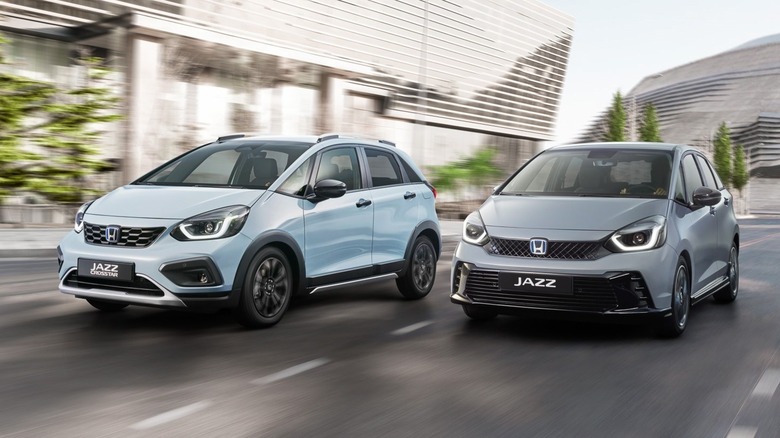
The Honda Fit, also called the Jazz in other markets, is one of the best Hondas of all time. That's because even though it's a small hatchback and only came with a 130 hp engine, it was a great city car, especially with its flexible seating configuration, which made it surprisingly spacious for a variety of cargo and passenger loads.
Declining American interest in sedans and subcompacts meant it was discontinued after 2020, so the U.S. did not get to see the fourth-generation Fit, which is just as well, because the new design somewhat missed the mark. Although the first generation of this vehicle was a bit cute and bubbly, it has since evolved into a sportier design with sharper lines.
One could say that the 2020 Honda Fit went back to its roots with its big and bright headlights and tiny grille. But the upper part of the grille bulges a bit, making it look like it had an accident and now has a bruise right on its forehead. The prominent features also made it feel like the car isn't quite proportionate up front.
2021 BMW M3 (G80)
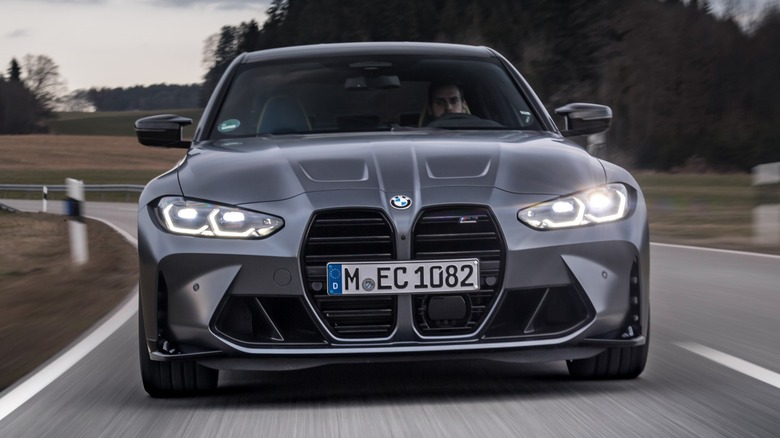
BMW dropped the latest M3 (G80) in 2020, and it's the 6th generation of the iconic M3 series based on the 3-series compact sedan. It's the most powerful M3 generation yet, with the most powerful variant, the BMW M3 Competition xDrive, producing 503 hp from its 3.0-liter twin-turbo inline-six and sending it to all four wheels. This allowed it to go from 0 to 60 in 3.4 seconds and hit a limited top speed of 155 mph. You can even unlock this to reach a maximum of 180 mph (for additional money, of course).
However, BMW introduced a jarring design change with the G80 — it enlarged the kidney grilles to the point that they dominate the car's face, covering nearly a third of its front clip. While we understand that the powerful engines under the hood needed plenty of air to breathe, we wish that its designers had experimented with a different aesthetic and kept the kidney grilles to a more reasonable, discreet size. Because even if the car performs like a beast on the road, we can't help but think that it looks like a pig.
2023 BMW 7 Series (G70)
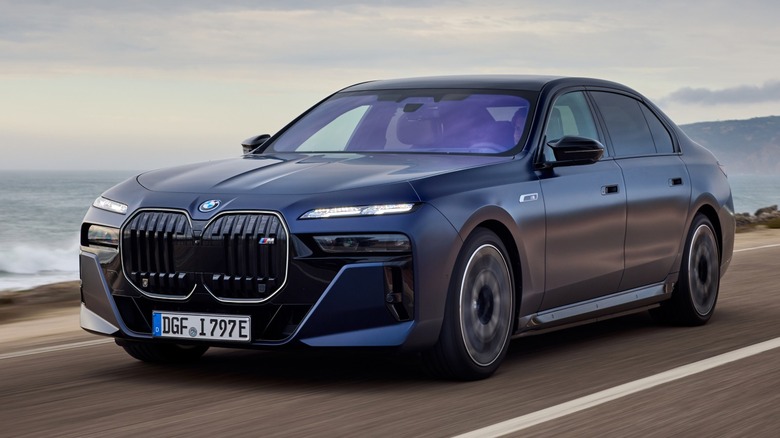
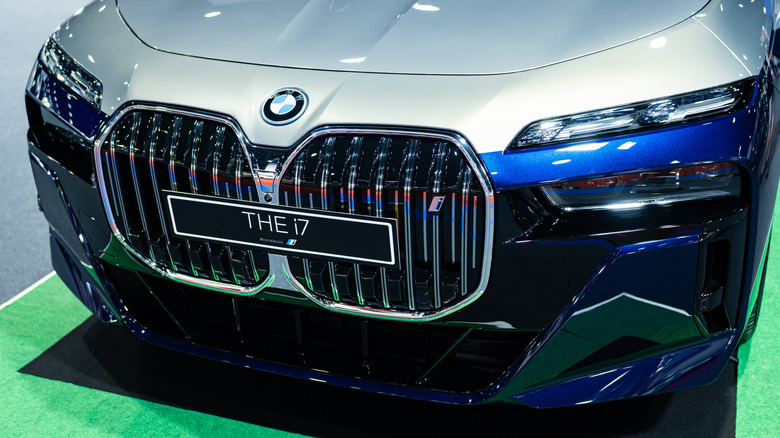
We hoped that BMW's designers had learned from the mixed reactions the M3 (G80) received to its controversially massive kidney grilles, but instead, they doubled down on this aesthetic with the 7 Series (G70). This is the second time this premium sedan has appeared on our list, and we just can't get over its weird front fascia.
We understand that the M3 needed those massive gaping holes to cool its powerful engine, and it makes sense for the V8-powered 7 Series to have it as well. But why would the 2024 BMW i7 M70 — an EV — require the same massive kidney grille? The look is worsened as the blacked-out area of the bumper extends toward both edges and then tapers off, making it seem like the vehicle has a black handlebar mustache. Thankfully, BMW released a facelift in April 2026 that made it look futuristic while retaining those massive grilles, but it avoided the "facial hair" design.
2023 Honda HR-V
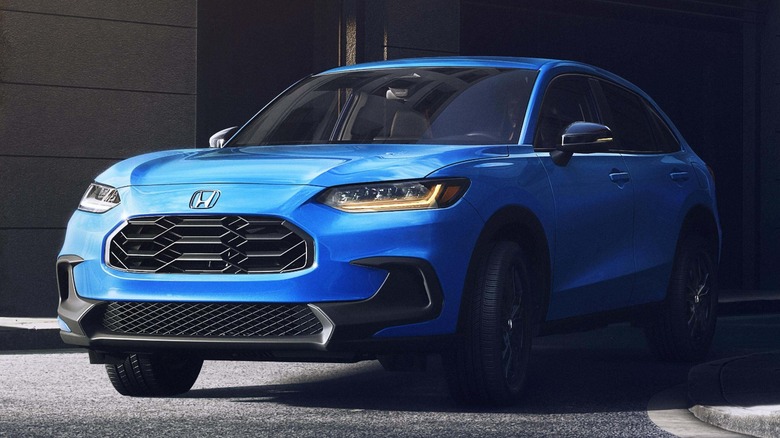
The HR-V is Honda's subcompact SUV, and it released the third generation of this model in 2022 for the 2023 model year. This new generation has grown bigger and comes with more features, but it has also developed an unimpressed look and gained unnecessary weight. What's worse is that the rest of the world received a different HR-V that looked way better than the one the U.S. received (called the ZR-V in Japan and China).
While the U.S. HR-V is larger than its global counterpart, its wide, hexagonal grille and vertical headlights made it look sleepy. On the other hand, the HR-V that the rest of the world received featured a wider grille and sharper-looking eyes, giving it an aggressive look that matched its athletic physique. Even though we appreciate the safety features and creature comforts that the U.S. HR-V delivers, we wish that it looked closer to the global version to make it feel a bit more alive.