

15 Of The Most Iconic American Cars Ever Made
The U.S. is one of the pioneers in the automotive industry and is also one of the largest automotive markets in the world, so it just makes sense for it to produce some iconic vehicles. These cars and trucks have all left indelible marks on the automotive industry, on America, and to some extent, to global culture.
These vehicles vary in size, shape, and production status, with some of them being made in the 1900s, while others arriving on the market more than a hundred years later. We have models that were absolute hits, selling hundreds of thousands of units, while some only had a limited run of less than a hundred copies. We also have examples that have been in continuous production for several decades now, while one of our cars was only produced for a few years before its maker folded.
This list isn't arranged in order of importance, and we might even be missing a few models that you might've thought of. Unfortunately, we cannot add every American car that made a name for itself. But the models we are adding today have all, in one way or another, helped define what an American car is.
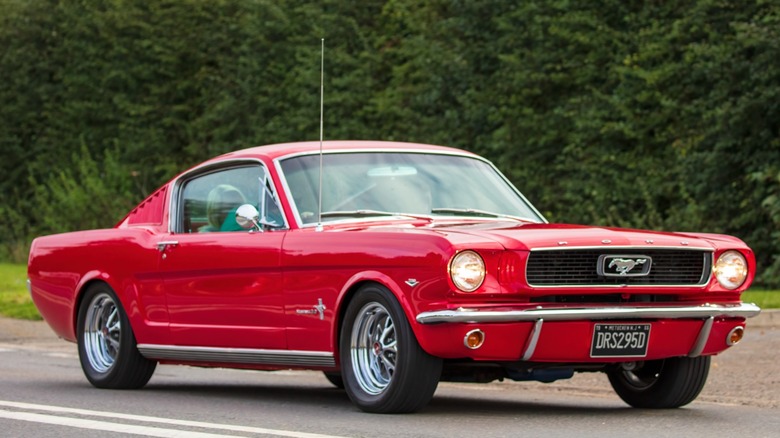
Ford Mustang
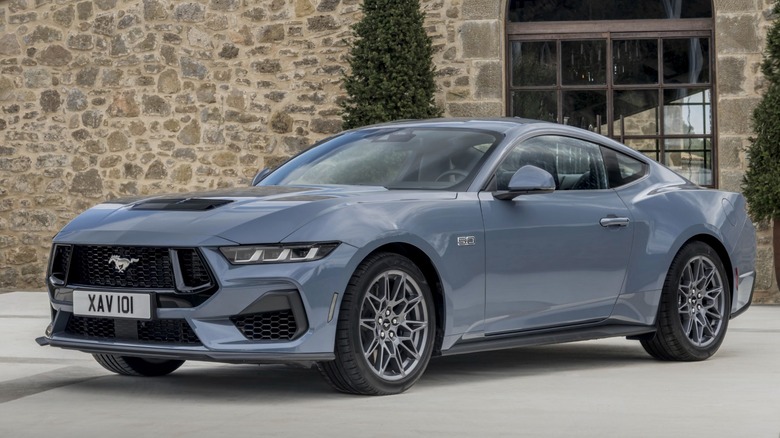
If you ask any car enthusiast across the world to name an American car, there's a good chance that one of the models that will first come to their mind is the Ford Mustang. This vehicle has been around since 1964 and is widely credited as being the first pony car (although the Plymouth Barracuda beat it to market by 16 days).
Aside from helping build an entirely new car segment, the Mustang's staying power also meant that multiple generations of car enthusiasts were able to get their hands on it. This vehicle has been produced across seven generations in 11 body styles and various trims for every model year, meaning that there's a Ford Mustang for every budget and car buyer.
Its affordability and longevity led to its popularity, with Ford celebrating its 10 millionth Mustang in 2024. This makes it one of the most produced sports cars in the world — or pony car, as some die-hard fans would call it.
Chevrolet Corvette
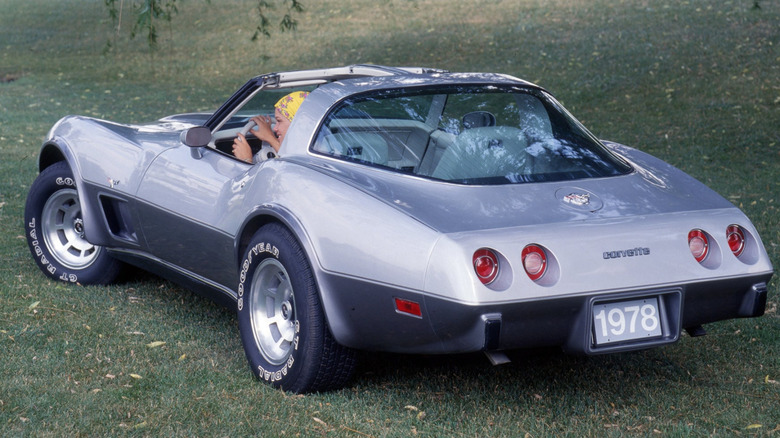
American cars are often known for their raw engine power, straight line speed, and more conventional profiles, but Chevy went against the flow with the Corvette. This two-seater vehicle proved that the U.S. could take on European brands in building sleek sports cars that prioritize handling and weight over brute force.
The Corvette started production in 1953 and is still being produced today over eight generations, meaning the model nameplate is now over 73 years old. Still, Chevrolet continues to innovate, with the latest C8 generation transitioning from the traditional front-engine, rear-wheel drive layout to having a mid-mounted engine putting power to the ground over the rear wheels.
While this move ruffled the feathers of many traditionalists, it gave the sports car better weight distribution and allowed the driver to sit closer to the front axle, to give them a better feel of the road and the car's dynamics. Aside from those benefits, the changes also put the Corvette in the same league as Italian supercars from Ferrari and Lamborghini, according to many users.
Jeep Wrangler
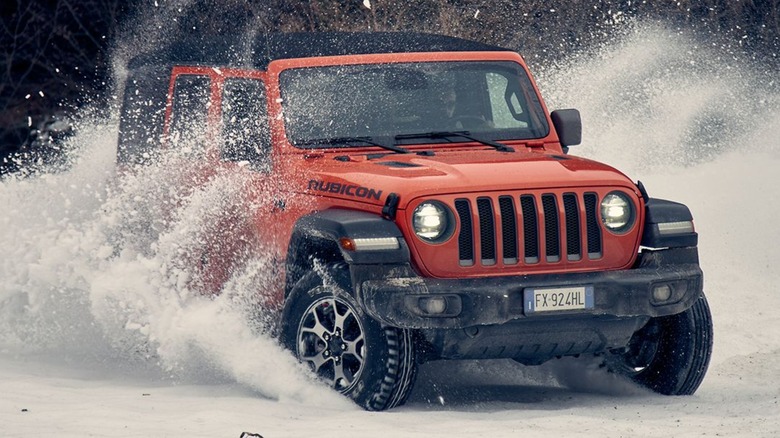
The United States has plenty of places that people can go to for their off-road adventures, and many car enthusiasts look for a model that will satiate their need to tackle overland adventures. It all started with the Jeep CJ, which was eventually discontinued and replaced by the legendary Jeep Wrangler. The Wrangler has been in production for over 40 years now, across four generations, and even though it has received modern upgrades like improved safety and creature comforts, it still maintains the body-on-frame and flared fenders design of the original Jeep.
In my experience, if you go to a baseball or football game, a 4th of July celebration, or any stereotypical "American" activity, you'll likely find a Wrangler in the parking lot. Aside from being a quite capable vehicle right off the factory floor, there's also a healthy market for third-party accessories and customization options, allowing you to build your Wrangler into something truly unique. This combination of off-road capabilities and freedom to choose what you can do to your Wrangler also helped make it one of the most iconic vehicles to come out of Detroit.
Ford Bronco
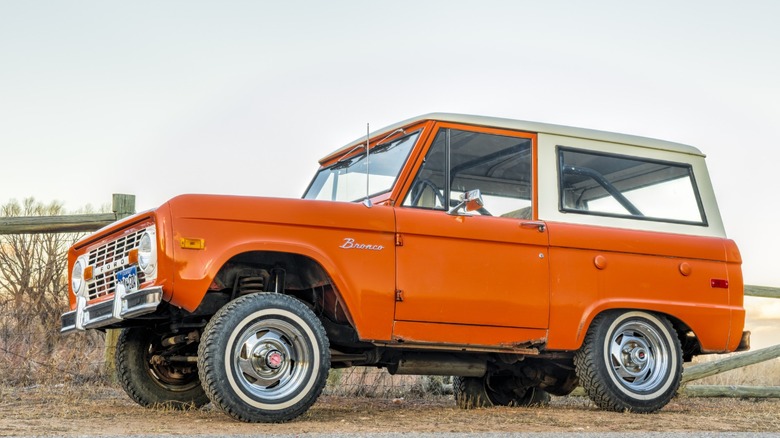
The Bronco is Ford's competitor to the successful Jeep and first entered the market in 1966 and ended production in 1996, some thirty years later. It became infamous after O.J. Simpson used a white Ford Bronco in a police chase, but by then the company had already decided to discontinue it, as demand for two-door SUVs was falling. Thankfully, Ford revived the Bronco 25 years later, arriving on the market in 2021 as a four-door or two-door SUV.
The Bronco is clearly in competition with the Jeep Wrangler for off-roading and has been for decades, giving it almost the same legendary status as the Jeep. Despite its quarter-century hiatus, the Bronco was an immediate success after Ford reintroduced in the early 2020s. Good Car Bad Car reported that the SUV sold over 35,000 units when it launched in the middle of 2021, while it sold over 117,000 models in its first full year of production.
The sixth-generation revival of the Bronco borrowed design cues from the original 1966 model, delivering nostalgia for its buyers and cementing its status as one of America's most iconic vehicles. Additionally, it revived the friendly rivalry between Bronco and Wrangler owners.
Chevrolet Suburban
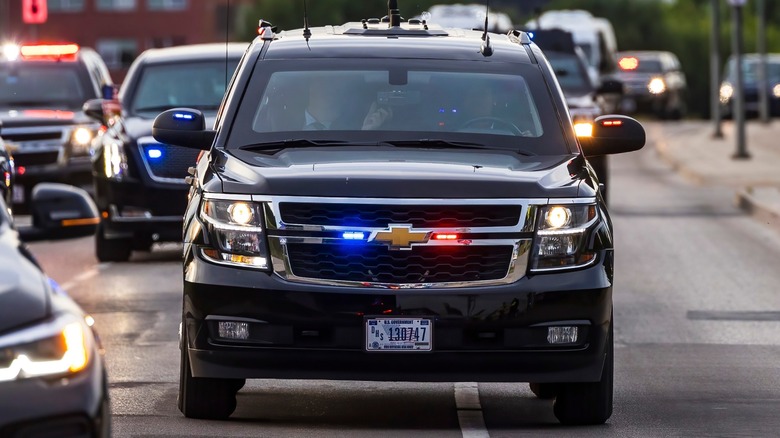
Most people won't think of the Chevrolet Suburban as an exciting car. It doesn't break any speed records, and its doesn't stand out in the looks department either. But what makes it an iconic American car is its reliability and the space it offers for anyone that needs to transport large amounts of cargo and a good number of people. This makes it a practical option for anyone who needs this amount of space, either for their family or their business. It even comes with a V8 engine that delivers all the power you need to haul just about anything.
This vehicle started production in 1935, making it the oldest American car in continuous production still in use today. In fact, its presence on American roads has become so ubiquitous that it appeared in over 1,700 feature films, making it the only vehicle to have its own star on the Hollywood Walk of Fame. The U.S. Secret Service also favors the Suburban, although it's transitioning to more modern Cadillac Escalades. Nevertheless, its use of the Suburban for decades to protect the president, whether at home or abroad, has made the SUV a reminder of the U.S.'s global political power.
Ford F-Series
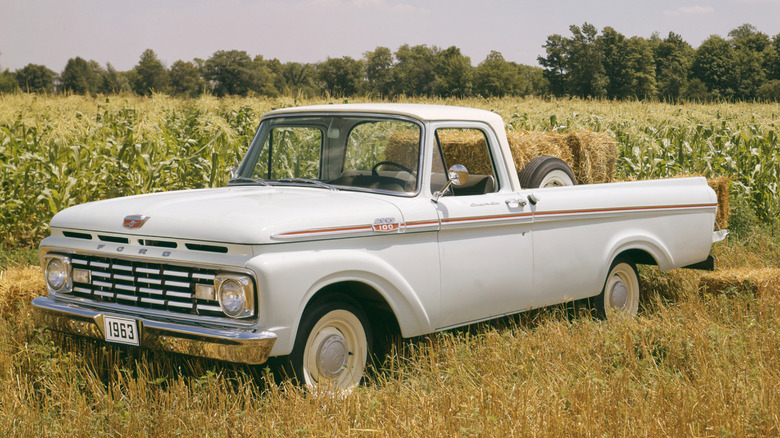
The Ford F-series has been the most popular truck in the U.S. for nearly half a century, with the carmaker saying that it sold over 800,000 units just last year. This truck has been in production since 1948 for 14 generations and comes in various size options — from the smallest F-150 light-duty pickups to larger medium-duty F-650 and F-750 models designed for commercial and professional use. Despite their size differences, Ford says that all F-Series trucks, from the F-150 to the F-600, use the same cab architecture, and that the company considers the sales numbers of the F-Series as a whole, not on a per model basis. So, even though the F-150 was dethroned by the Toyota RAV4 as the best-selling U.S. vehicle, the entire F-Series lineup still outsold the Japanese crossover.
The popularity of the F-Series (and larger pickup trucks in general) was arguably driven by regulations that encouraged carmakers to focus their efforts on these models. Regardless, being the best-selling model in the U.S. for 49 years makes the F-series a common sight on U.S. roads, and anyone visiting the country for the first time will likely find it to be the quintessential American car.
Tesla Model 3
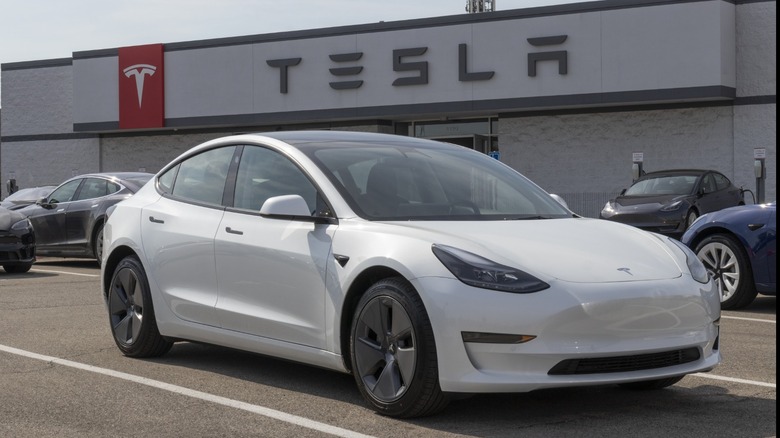
This is the only EV in our list, which might make it controversial among more traditional car enthusiasts. Nevertheless, the Tesla Model 3 is quite an iconic option as it turned the electric car from a niche vehicle you rarely see into something quite common on the road. It's not exactly the cheapest car you can buy, but the cheapest, base level Model 3 is under $35,000 if you consider tax credits, meaning it's within reach of more people compared to the first Tesla model, the Tesla Roadster.
After Tesla proved that electric vehicles could become a mass market product and not just something for the ultra-wealthy, other manufacturers followed suit and produced EVs designed to compete with Tesla's offerings. Today, there are many Chinese carmakers with options cheaper than Tesla's, but they probably wouldn't have achieved this if the Model 3 did not start the trend of affordable electric cars.
Dodge Challenger
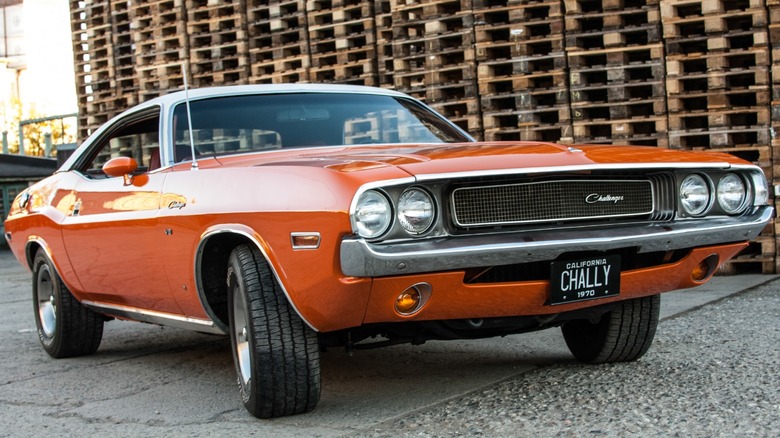
The Dodge Challenger is the brand's entry into the pony car segment, which arrived in 1969 as the 1970 model year. Unfortunately, the fuel shock of 1973 and more stringent emissions requirements contributed to the end of the golden era of muscle and pony cars, with the Challenger ceasing production by 1974. This meant it only had a short run of five years, but that was more than enough to become very popular among car enthusiasts. It was also the car used by the hero in the 1971 hit film Vanishing Point, which helped further drive its success.
Although Chrysler revived the Dodge Challenger in 1978, this wasn't a true pony car as it was actually just a rebadged Mitsubishi Galant. It was produced until 1983. The nameplate then spent 25 long years in hiatus, before it was finally revived in 2008, following the trend that the Ford Mustang started in 2005. It was this generation that truly cemented the Challenger as one of America's most iconic vehicles, becoming the most popular sports car in most of the U.S. in 2025, despite having been discontinued in 2023.
Chevrolet Camaro
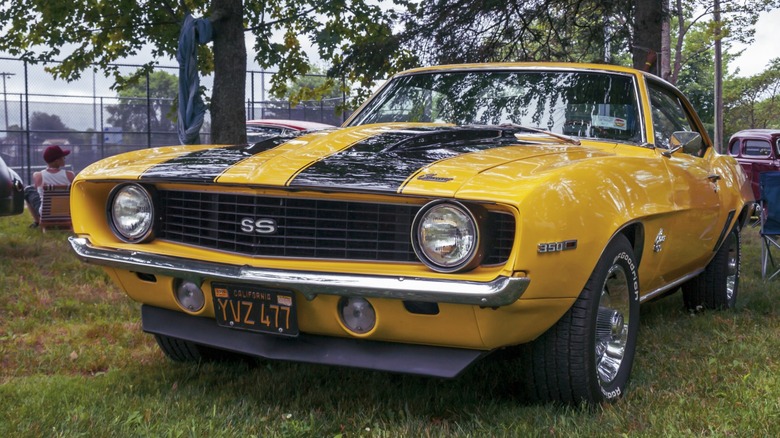
This is yet another vehicle that was successfully revived in the mid to late 2000s as part of the retro muscle car trend, having arrived in 2010. But even before then, the Camaro car was already a celebrity for being the car form of Bumblebee in the 2007 Transformers film. Initially, a 2nd-generation Camaro Z/28 played the part, replaced by the modern 2010 model after Bumblebee scanned and copied a similar model in the movies. Beside the fifth and sixth generation that were featured in the various films of the Transformers franchise, a few Camaros made it into movies like "2 Fast 2 Furious" and "Death Race 4," establishing its popularity across the globe.
But even before its 2010 revival, the Camaro was already quite an iconic vehicle that arrived in 1967 as a competitor to the Mustang. Chevy kept on making it until 2002, across four generations, before taking an eight-year hiatus. It was then revived in 2010 and continued for 14 more years across two generations. Unfortunately, the car was eventually discontinued in 2024, although the company said that "this is not the end of the Camaro's story."
Pontiac GTO
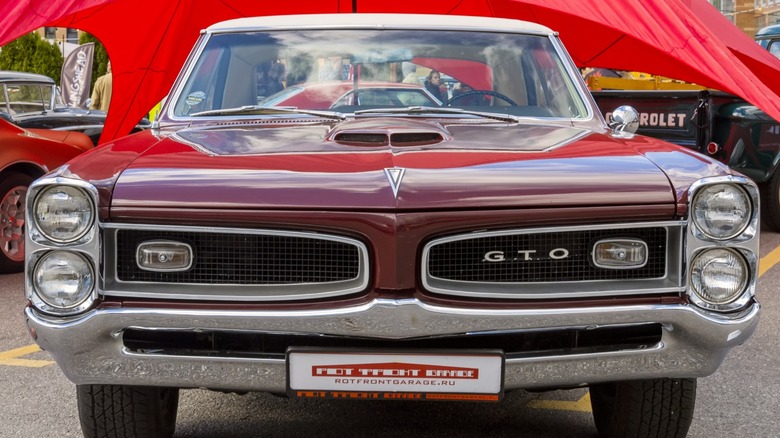
Although the muscle car arguably existed before the 1960s, with vehicles such as the Oldsmobile 88 or the 1955 Chrysler C-300, the 1964 Pontiac GTO made history as it popularized the segment. It all began when Pontiac engineers dropped a big V8 from full-sized Grand Prix into the smaller body of the LeMans, despite GM ruling that midsize cars cannot have engines larger than 330 cubic inches. The resulting performance, powered by a marketing campaign, turned the GTO into quite a sales success and started the golden age of muscle cars from the mid-1960s until the gas crisis of 1973.
The car was eventually discontinued after 1974, before it was revived 30 years later in 2004. Unfortunately, the last generation fell flat on its face as it was just a rebadged Holden Monaro. The car itself wasn't bad, but it did not match the expectations of its fan base, which led to its rather short two-year production run.
Ford Model T
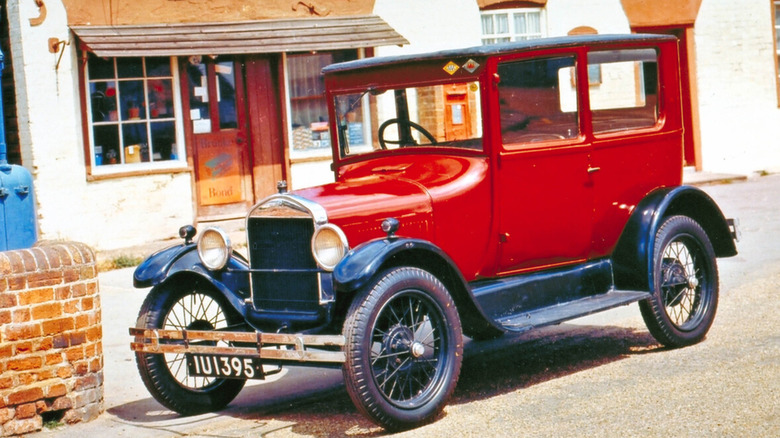
Of course, when we're talking about iconic American cars, we cannot forget about the Ford Model T. This vehicle wasn't the first automobile ever made, neither was it the first one to be made on a production line (Ransome Eli Olds invented the assembly line for the 1901 Curved Dash Oldsmobile). Henry Ford's innovation was the moving assembly line, which had the vehicles placed on a conveyor belt as the workers building the cars stayed at their assigned workstations.
The increased the efficiency allowed Ford to drop the price of the Model T from $850 in 1908 to just $260 in 1924. The Model T's affordability made it the first true mass-produced car, and, by 1927, it has sold over 15 million copies. Even though this manufacturing technique was eventually adopted by other car manufacturers, allowing them to build more cars in a short span of time, the Ford Model T was the first to use this technique, turning the car from a luxury item into an appliance that even middle-class families could afford.
DMC DeLorean
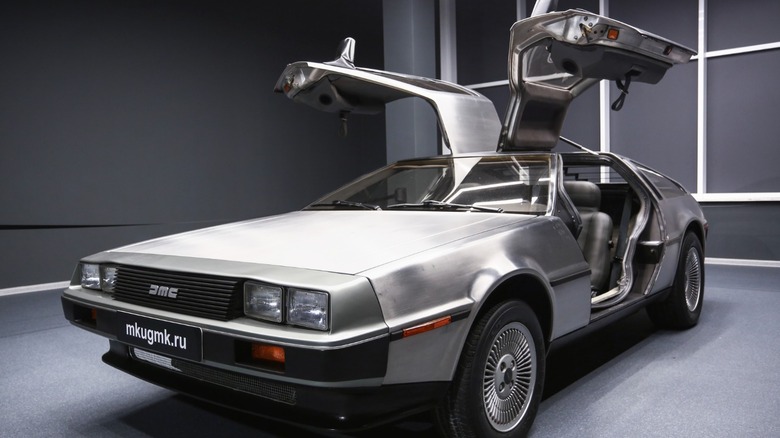
The DMC DeLorean was never a commercial success, with less than 10,000 vehicles produced and a little over 6,600 units sold in its three-year run. This would've been the end for many other cars, but the DeLorean beat the odds, with "museum quality" models going north of $100,000 today. The car's cult following was primarily driven by its starring role in the Back to the Future franchise, where it was used as a time machine that brought Marty back to 1955 by accident. The worldwide success of the Hollywood films meant that instead of fading into obscurity, the DeLorean continued to be present in pop culture more than 40 years after it ended production.
Because of this success, the DMC DeLorean continues to live on in games like Grand Theft Auto Online (as the Imponte Deluxo), Forza Horizon 5, Gran Turismo 7, Need for Speed Unbound, and more. The company was even revived in early 2022, with a new DeLorean EV called the Alpha 5 unveiled to the public, although it's unclear if it will ever arrive on the market.
Dodge Viper
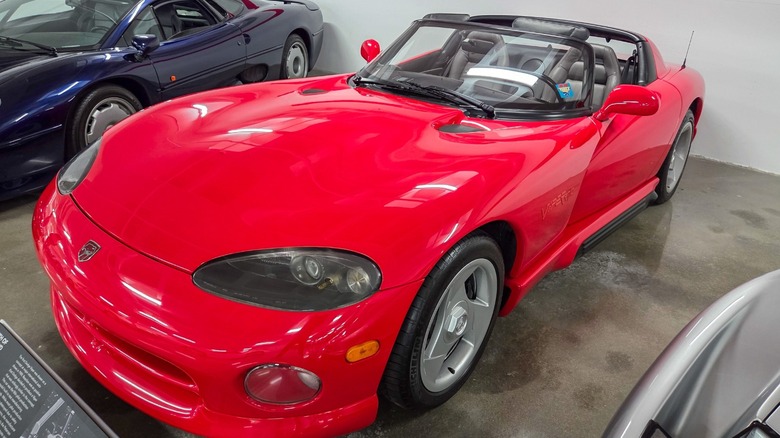
The first-generation of the Dodge Viper was built on a shoe-string budget of just $50 million, with the team given just 36 months to complete the project for a 1992 debut. Despite those limitations, the team managed to build a brute of a sports car that was successful enough that Dodge greenlit a second generation just three years after it hit the market. This became an even bigger success for Dodge, which eventually led to the vehicle lasting for over five generations until 2017.
The first-generation Dodge Viper's 8-liter V10 engine that put out 400 hp and 465 lb-ft of torque and distinct lack of basic features has made it a challenge that many want to conquer but only a few mastered. But even though the later generations gained refinements and driver aids, the Viper never shook its reputation as being a car that requires skills and focus to master.
Ford GT40
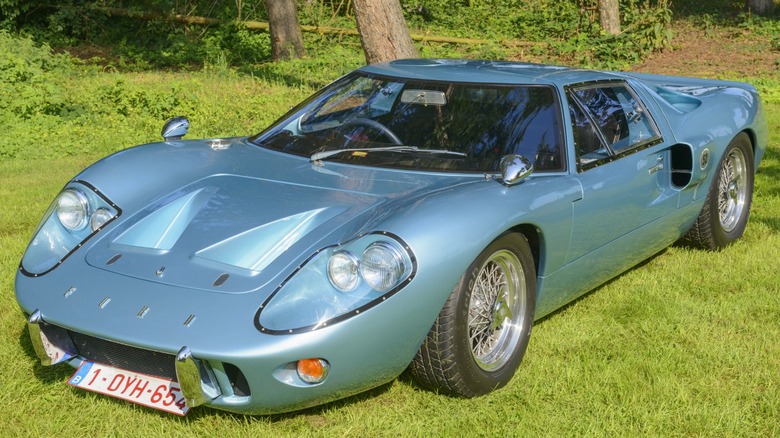
Ford set out to beat Ferrari after a deal to acquire the Italian car manufacturer fell through. Legend has it that after Don Frey reported to Henry Ford II the failed deal, the latter told him to go to Le Mans and beat him in racing. This resulted in the Ford GT40, which had an arduous development but went on to break Ferrari's winning streak and sweep the podium in the 1966 24 Hours of Le Mans. It continued taking wins on the iconic 24-hour race until 1969, with Ford being the only American carmaker to win at the prestigious race so far.
This racing pedigree paired with its rarity is why the Ford GT40 has legendary status among car enthusiasts. It is also difficult to track how many of these vehicles were made in the 1960s, so anyone owning one with complete certified records from that era has a literal treasure in their garage.
Willy's Overland Jeep
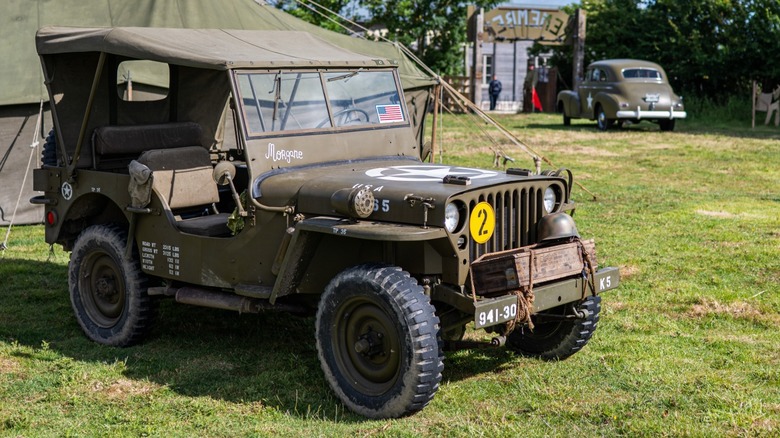
The Willy's Overland Jeep is not fast, nor exotic, nor sexy, but it stood for one thing — America's rise as a global superpower in a post-war world. After the Second World War ended and American troops started coming home, they left many of their unwanted equipment because it was costlier to transport them back home (where they won't be needed anyway). France used these surplus vehicles to rebuild their country, with many being used as a farm vehicle. One country, the Philippines, even used these surplus Jeeps for public transportation, which eventually evolved into the Jeepneys that are still in use today.
Although the U.S. military still used the Jeep until the Humvee replaced it in 1983, Willy's decided to market it to farmers and contractors as the CJ-2A as the Second World War ended. This gave rise to the Jeep brand that many know and love today, leading directly to other iconic models like the CJ and the Wrangler.
Why we picked these American cars
The cars in our list aren't necessarily the fastest, most powerful, or even the first of their kind. We also didn't rely on age or longevity — some of the models in our list have been in production for decades, while others were only made for a few years. But they all have one thing in common: they made an impact on American culture and, to some extent, other countries too.