

How Often You Should Replace Every Major Household Appliance
We may receive a commission on purchases made from links.
Appliances are arguably the most important fixtures in a home aside from the home itself, and in their absence, regular life would come grinding to a halt. That's probably why when people shop for appliances, they want the most reliable brands so that they don't have to buy them as often, especially since they're so expensive.
The sad reality is that your appliances will break down eventually — new appliances can even break faster, even if you do everything right. Ultimately, it's not a question of if, it's a question of when.
However, there are some things you can do to reduce risk and extend longevity, like proper maintenance and cleaning, and there are ways to avoid mistakes everyone makes during installation to help your appliance last longer. If you've never maintained your appliances before, we highly recommend looking into that, especially with newer, more finicky models.
With all of that said, it's good to know how much time you can reasonably expect out of your appliances. This lets you know when to start putting aside money for a new one, especially since appliances are expensive and having to buy a new washer or refrigerator off the cuff can be difficult on the wallet. So, if you're curious how long you can expect your average appliance to last, scroll on down.
Refrigerator — 13 years
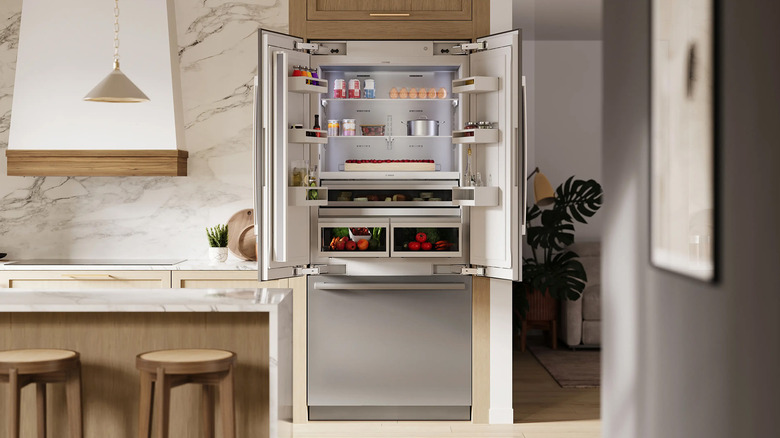
The refrigerator is arguably the heart of the kitchen. It works 24 hours a day, seven days a week, and 365 days a year to make sure your food stays good so that you can eat it later. The major refrigerator brands tend to vary quite a bit in terms of reliability, but generally speaking, most of them are about average. Most authorities say that the average lifespan of a refrigerator is about 12 to 15 years, which is on the higher end for appliances.
Despite the longevity, refrigerators are about as finicky as they come. They are one of the most common appliances to break down, but they are usually repairable, so if your fridge goes out, call a repair tech before dropping money on a brand-new fridge. Repairs generally cost less than replacement, and per Consumer Reports, 62% of repairs are successful on the first try and an additional 25% are on the second, meaning that 87% of issues can be fixed in one or two visits from a repair tech.
Of course, maintaining your fridge is super important. Every now and then, unplug the thing and pull it out from the wall to clean the condenser coils on the back, and make sure to keep the fridge free from animal fluff, dust, and other things that could clog it up. Make sure to change your water filter and keep those door gaskets clean, and you may exceed the average with your fridge.
Range and Oven — 13-17 years
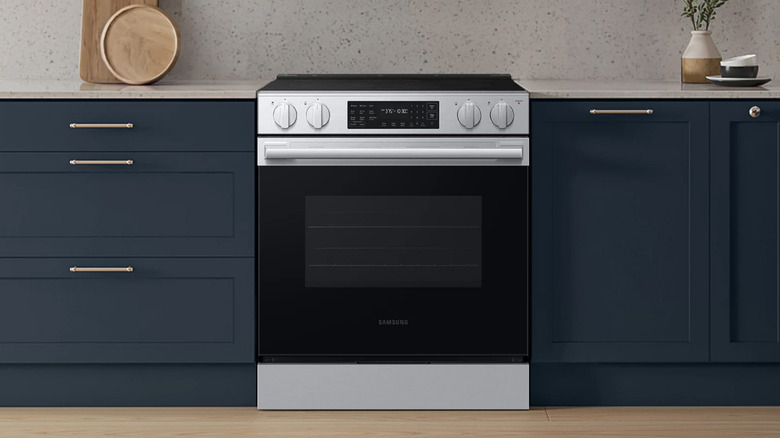
Ovens and stoves are just as important as the refrigerator to any given home, and a broken unit makes it infinitely more difficult to cook for yourself, unless you have myriad other kitchen gadgets that can help. Ovens and ranges have one of the largest spans in average lifespan for two reasons. The first is that there are all-electric ranges and gas-ranges, and the other is because you can buy ranges and ovens separately. You can expect around 12 to 17 years on average out of your oven and stove combo, with electric making up the lower end and gas making up the higher end.
When it comes to maintenance, cleaning is the name of the game. The dirtier an oven or range gets, the worse it'll perform, and the more likely it is to break or, worse, catch on fire. One example is the internal temperature sensor. Over time, that sensor gets caked in debris from the oven and constant heat, which means it'll read inaccurately, and the oven won't function properly. Following the manufacturer's instructions to cleaning the thing will go a long way to helping it last longer.
Ovens and ranges are another appliance that have high successful repair rates when calling in a pro, so if your oven isn't acting right, you may be able to save yourself the cost of a new appliance by calling in a repair tech.
Dishwasher — 10 years
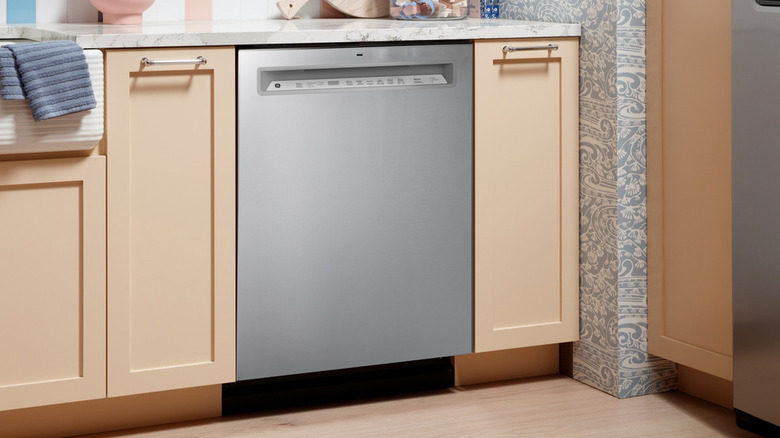
Dishwashers have some of the worst breakdowns of any appliance. One day it's working as intended, cleaning dishes and doing its job, and the next, there's water all over your floor. Working with water and heat is a challenging task, so it's no surprise that dishwashers score on the lower end of the spectrum. Most authorities say that a dishwasher lasts anywhere between nine and 12 years, although with the breakdowns being as destructive as they are, even with models from the best dishwasher brands, we'd err on the side of caution and say about 10 years is accurate.
A lot of dishwasher woes come up from misuse, so it's imperative that you maintain and use your dishwasher accordingly. For example, you should always make sure to scrape off the solids from plates and bowls before putting them in the dishwasher to avoid clogging the filter. Even then, you should find, check, and clean your dishwasher's filter regularly to avoid clogs and build-up. Overloading the dishwasher can reduce its cleaning capacity, and most authorities recommend against cleaning stuff that doesn't belong in there.
Dishwashers are also another appliance with very high repair success rates, which means even if one does flood your kitchen, it's worth seeing if a repair person can fix it rather than dropping hundreds of dollars on a new one. Only about 9% of dishwashers are broken beyond repair.
Microwave — 9 years

Microwaves are some of the smallest and most complicated appliances in a typical kitchen. Pair that with consistent use for things like defrosting meat or popping popcorn, and you have an appliance that simply doesn't last as long as most other appliances. Most authorities say that the humble microwave oven tends to last less than a decade on average. Unlike most other appliances where there is a range, the lack of longevity for microwaves is pretty well agreed upon by those authorities.
Unlike most other appliances, issues with microwaves tend to make them entirely inoperable, which makes repair unlikely. You should also never attempt a DIY repair of a microwave because the capacitors can hold enough charge to electrocute you. However, Consumer Reports notes that many issues can be worked around. For example, if your microwave is very loud, it's usually not a big deal since microwaves don't tend to run for a long time. Either way, though, once your microwave starts spinning the proverbial drain, it's best to just replace it.
You can maintain your microwave to help it last a little bit longer, but even if you buy the best possible microwave, it'll eventually go out and once it does, that's the end of it. The lack of general repairability is also likely a reason why microwave lifespans are so short, since once it breaks enough, there's little else you can do.
Washing Machine — 10 years
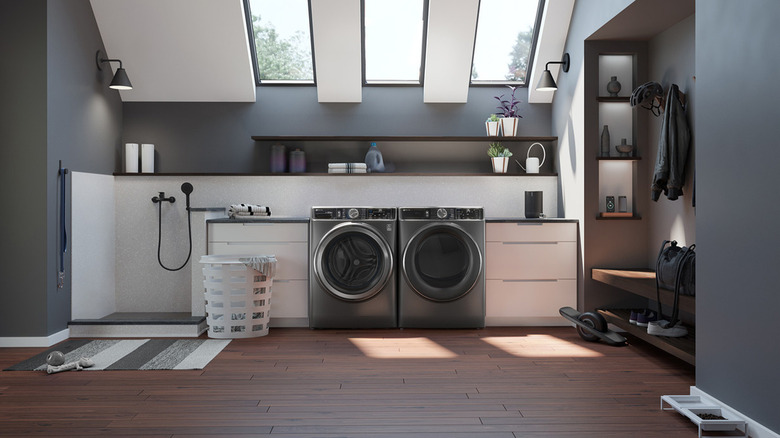
Washers are similar to dishwashers in that they can do some damage when they break down, including flooding your laundry room, leaving your clothes dirty, and leaving you with a huge cleanup and hefty bill to buy a new one. Despite that, these appliances can actually live quite a long time. Over a decade isn't unexpected. The type of washer does matter, though. Generally speaking, front loading washers tend to go before their top-loader counterparts, most likely since side-load washers tend to be more mechanically complex. Of course, it matters what brand of washing machine you buy as well.
Washers are right up there with refrigerators as an appliance most likely to break down. There are many reasons for this, including the fact that washers have long spin cycles and work with water. However, many breakdowns can be prevented with a little maintenance, like making sure to clean your drum, not using too much detergent, cleaning the filter on your front-load washer, and replacing old or damaged water hoses. The number of potential failure points and lack of maintenance definitely contribute to more breakdowns.
Reliability is also quite a big contributor to length. LG washers tend to be very reliable, while budget washers tend to do worse. On the plus side, over 90% of repair attempts on a washer are successful, and it's much cheaper to get a repair than a brand-new unit most of the time.
Dryer — 13 years
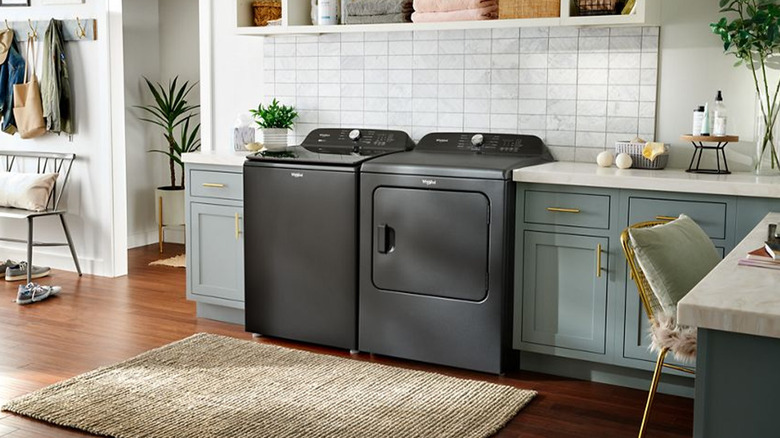
Usually heat and water make long lifetimes difficult for appliances. Dryers tend to do better than most, especially if you get ones with fancy features like moisture sensors. By most accounts, the average dryer lasts well over a decade, around 13 years. This is because dryers are simpler than most home appliances and have remained so in the era of useless kitchen tech like screens, voice controls, and bespoke operating systems. You don't really see much of that with dryers, outside of the occasional smart feature.
Dryers can last quite a long time, but maintenance is paramount. There is a little over 13,000 fires per year caused by dryers, and the good news is that nearly all of them are caused by the same problem, which is lack of maintenance. Dryers produce lint, and that lint needs to be periodically cleaned up from both inside the dryer and its filter and also the vent that sends the hot air outside of your house. Do that, and there's no reason why your dryer can't last longer than average and as an added benefit, your house won't burn down.
Interestingly, the most reliable brands for dryers aren't the same as the ones for washers. LG runs the gamut for most reliable washers, but GE actually makes some of the best dryers that money can buy, at least over the last couple of years.
Air Conditioner — 15-plus years
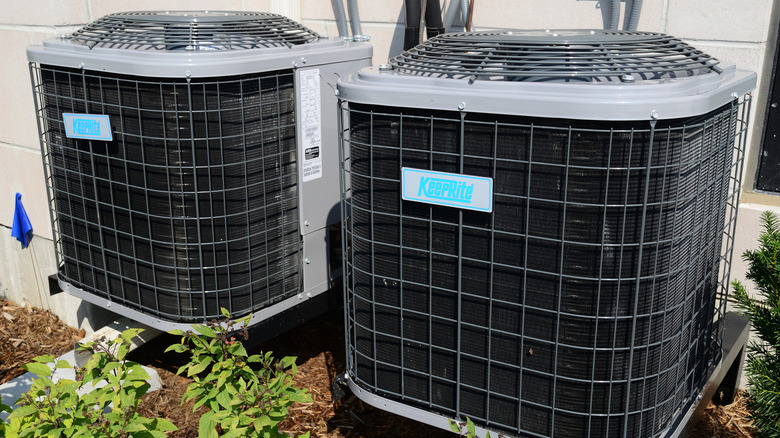
Many people don't actively think about their air conditioner as an appliance, but between the months of June and September, it is arguably one of the most important ones in your home, as evidenced by the rampant heat waves all over the world that have killed thousands of people. The good news is that these hearty things tend to last for a good long time as long as you take of them, and most authorities say that 15 years is around the minimum for an air conditioner, with 20 years not being impossible.
Since half of the unit sits outside, air conditioners require more maintenance than most appliances. Keeping the cooling fins cleaned is arguably the most important one since it allows the condenser to breathe. Fortunately, that is the easiest maintenance as you can just shoot the thing with a garden hose to dislodge dust and dirt. Your furnace filter, ductwork, and other things matter as well. It's not a bad idea to hire a professional to take a look if your AC hasn't been maintained in a long time.
Many AC problems are also fixable. My air conditioner is over 20 years old and so far, my only repairs have been the capacitor that starts the thing and the cooling fan. Repairs can help your AC last much longer and save you thousands of dollars on the cost of a new one, although eventually it's worth a look anyway thanks to improvements in efficiency, resulting lower energy costs for the same cold air.
Furnace — 15 years
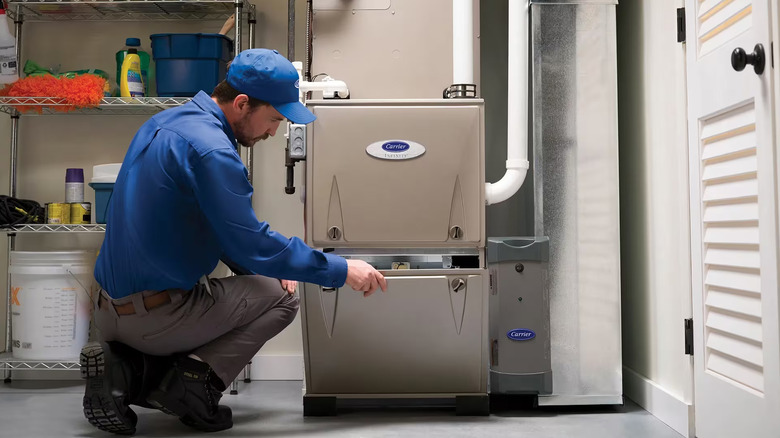
Furnaces are a lot like air conditioners in that many people rarely think about theirs until something goes wrong. They also last quite a while, with brands like Trane and Carrier stating that 15 years is the minimum a furnace should last, and 20 is the high end. That is quite a long time, which is good because the replacement cost for a furnace is rather high.
Furnaces are pretty stable, but maintenance is still important if you want to get the maximum lifespan. That includes cleanings and inspections to ensure all the parts are working properly. You'll probably want a professional for this, since a broken furnace can cause carbon monoxide poisoning if it's not handled correctly. The easiest thing you can do at home is to change your furnace filter every few months since a clean filter lets more air through, which means your furnace struggles less to move air, making it more efficient.
Many people opt to replace the furnace and the AC in tandem when one of them goes bad, since it usually means the other one is old enough to be close to its end of life as well. This can save you thousands of dollars over the cost of replacing them separately, so if your furnace or AC does go on you, look into replacing both to save yourself a bit of time and money down the line.
Garbage Disposal — 12 years
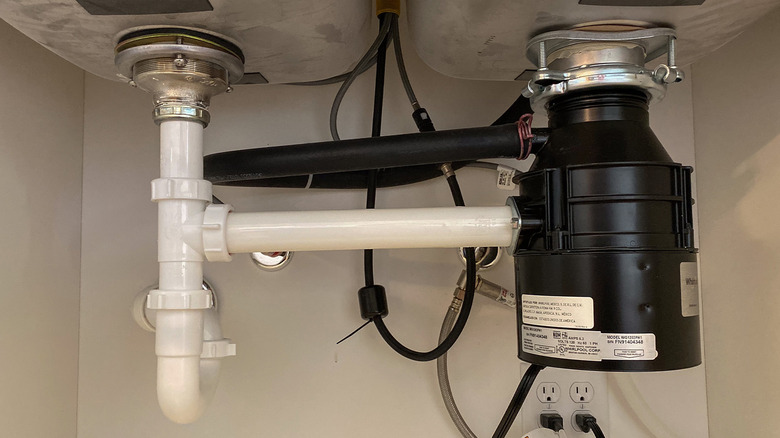
People rarely think of their garbage disposal as an appliance, but it definitely is one, and it's one with a finite life span. These little mashers can last over a decade with proper user and maintenance, with the average lifespan reaching around 12 years. That's pretty good for something that's wet basically all the time and asked to crush up food on a near-daily basis. It's also one of the cheaper appliances to replace, with prices under $500 for a professional installation being fairly common.
Getting the maximum life out of your garbage disposal comes down to two main things: using it properly and cleaning it often. Small things like running water into the disposal before turning it on, gradually feeding food in instead of stuffing it full, and letting water run to rinse it out can keep your garbage disposal going for many years longer, too. Also, most authorities will tell you to use cold water when running your disposal. Cleaning with ice cubes and citrus peels will help freshen things up as well.
Garbage disposals can be repaired if they break, but the repairs are often not much less than the cost of a new one anyway, and you'll pay for about the same amount of labor either way. So, if yours breaks, just hire someone to put a new one in. It's worth the extra money.
Water Heater — 10-11 years
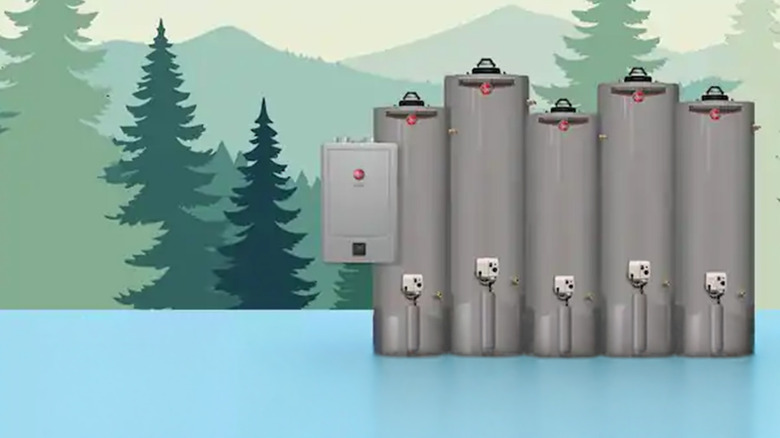
Water heaters are vital to a functioning home, but they're also another appliance a lot of people may not think about terribly often, and many will never maintain over the life of the appliance. That makes the water heater's ability to last 10 or more years on average pretty impressive for a set-it-and-forget it appliance. However, that lifespan can still vary depending on a range of factors, like the condition of your water and the frequency of use.
Water heater maintenance is some of the hardest maintenance out of any appliance. It usually involves emptying the water at least once a year, according to plumbers, so that you can drain the sediment that is in all water, even treated water that comes into your home. Not doing this eventually causes buildup, which then causes failures. There are other things that need periodically replaced, but it's probably best to ask a plumber to do it if you don't have a lot of DIY experience.
This is all true even if you buy the best water heater. Failures can also cause all sorts of problems, like flooding the room it's in, and since water heaters often use gas for heating, fire and carbon monoxide are also risks of a busted water heater, so make sure to get it checked out periodically.
Methodology
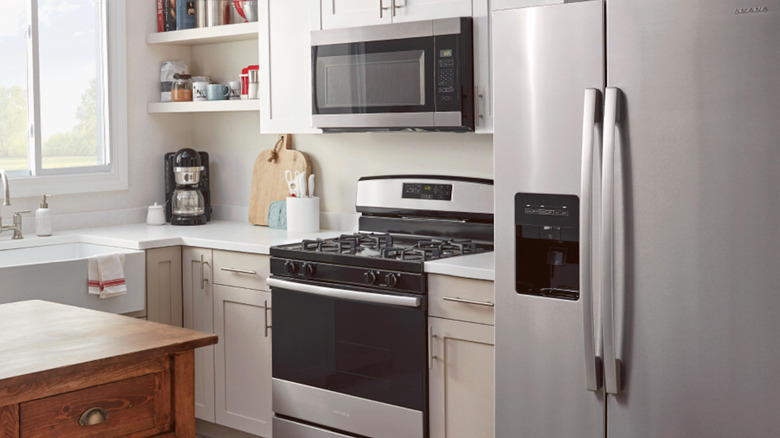
Most of the data we consulted about how long an appliance usually lasts comes from sources like Consumer Reports, appliance repair companies, the European Environmental Agency, and appliance makers themselves. We sourced data from all of these to find the average lifespan of all the appliances on the list above. Thus, if your appliance is at or older than the median age, you should probably start putting away money to prepare yourself for a replacement, or hire an appliance technician, plumber, or HVAC specialist to come in and take a look at your appliance to make sure it's still working properly.