

12 New Gadgets Worth Checking Out In April 2026
Keeping track of the yearly gadget release radar, you might miss something if you so much as blink. Already in 2026, we've got a long list of productivity-boosting gadgets, gadgets for digital nomads, and everyone in between, and we're not even halfway through the year. While we wait for the biggest expected releases of 2026 (looking at you, Steam Machine), we thought we'd take a look at some of the best stuff in 2026 so far as of April.
Everything on this list either has been released in the 2026 calendar year or can be purchased and be in your hands (or out for shipping) before April is through. Keep in mind, we're saying "worth checking out," not necessarily worth buying immediately, for you personally. Keep these items on your radar, either as a recommendation for someone else or, if nothing else, because you want to keep your finger on the pulse of a product line that looks promising. We think these are 12 of the most noteworthy new gadgets for April 2026.
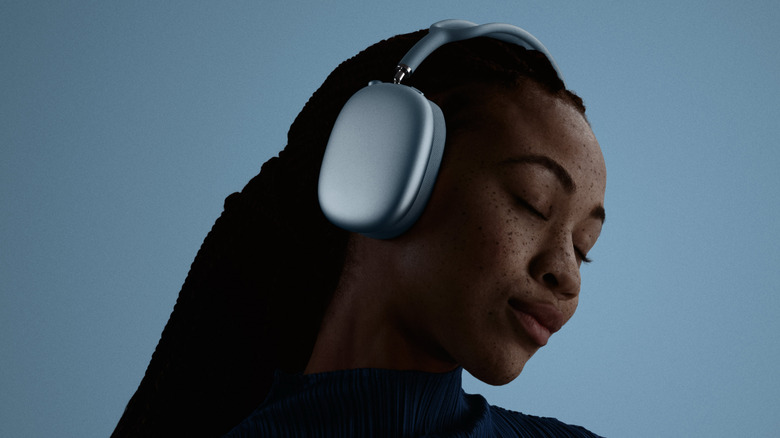
AirPods Max 2
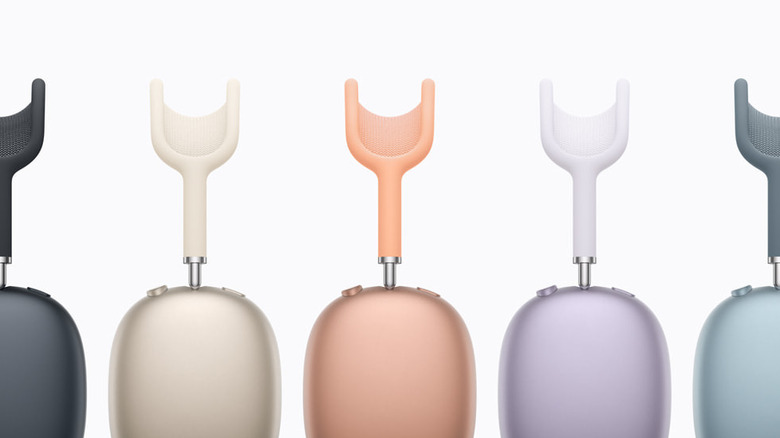
The original AirPods Max came out way back in late 2020 as a premium pair of over-ear wireless headphones. But they had some really frustrating pain points that seemed fairly easy to resolve: a heavy build, a terrible case, lackluster 20-hour battery life, and a mesh head cushion that collapsed over time. So when Apple refreshed the headphones in 2024, did it fix those issues? Nope. It added USB-C and new colors, leaving everything else the same. However, in 2026, we have something we can call an upgrade: the AirPods Max 2.
The new release adds the H2 chip, bringing the AirPods Max 2 in line with its kin for better noise cancellation and smart features. It can now also (finally) work as a wired pair of headphones when plugged in via USB-C. It may still have those same pain points from before, but it at least seems to indicate that Apple acknowledges the AirPods Max sell enough to merit some love, and gives us hope that a full redesign is on the horizon. So if you have the original AirPods Max, you finally may have a real reason to upgrade. And otherwise, this is probably the best time ever to buy a refurbished AirPods Max. Most surprising of all, the headphones cost the same $549 as they did back in 2020.
MacBook Neo
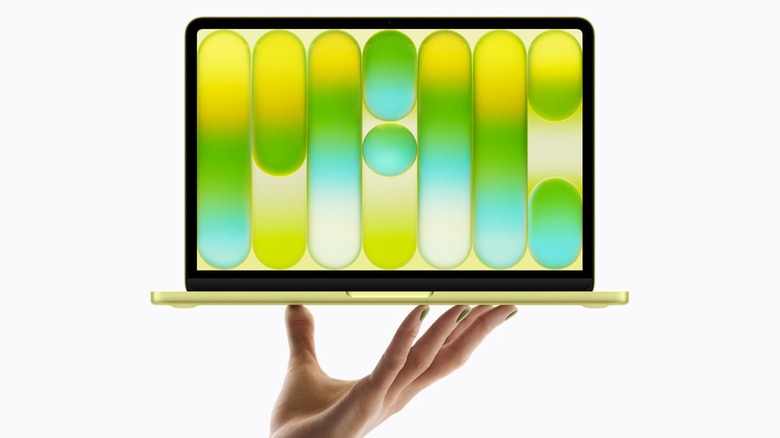
If Apple Silicon was Apple's big slam dunk when it debuted in MacBooks, then the MacBook Neo is the victory lap. For just $599 (or $499 if you're a student), you get a powerful device in a premium aluminum chassis. And there are surprisingly few compromises compared to pricier MacBook Airs and MacBook Pros. You'd only be missing out on a couple of major things, like backlit keys and a haptic touchpad.
Don't be discouraged by the fact that it has the A18 Pro chip from the iPhone 16 Pro, the performance benchmarks sometimes put it ahead of even the M3 chip. Some stress tests pitting the Neo against Windows devices suggest that it can open dozens of apps and stream videos without bogging down, despite a relatively weak 8GB of RAM. In more rigorous testing against other laptops in its same class, it holds its own. Some people have even managed to get it to run "Cyberpunk 2077" despite it not being a gaming laptop in the slightest.
If you liked MacBooks but resisted buying one based on the price, this is where you can finally get your foot in the door without having to sell the whole leg. You'd struggle to find a laptop with this build quality at this price point, and for now, it's the cheapest laptop entry point into the Apple ecosystem. For those who aren't put off by its shortcomings, it could go on to be one of the best budget laptop options on the market.
Plaud NotePin S
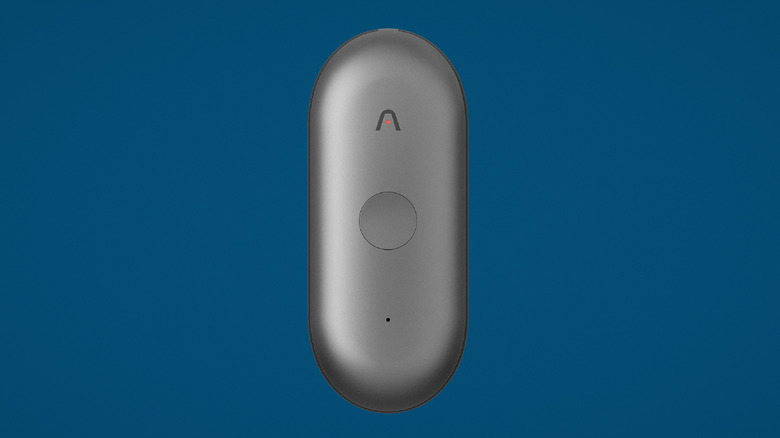
For most people, the transcription function baked into their smartphone is enough to take the minutes for a meeting. You can do so directly from the Apple Notes app, for example. But for people who have a lot of meetings, then the PLAUD brand of agentic note-takers is a must. PLAUD's new NotePin S is the latest addition to the family.
Similar to its other products, the PLAUD NotePin S is a device you keep with you at all times — around your neck, on a wristband, etc. Any time you want those digitized minutes, you simply tap the button. The device records everything and then intelligently transcribes it, separates it by speaker, and processes it to make the data more useful. Convenience aside, Plaud puts great emphasis on data privacy.
Paid plans get more, plus access to its more premium AI features. Also, the PLAUD devices are a bit pricey, with the NotePin S costing $179. Worth it, perhaps, if meetings abound and you hate taking notes.
Logitech Pro X2 Superstrike
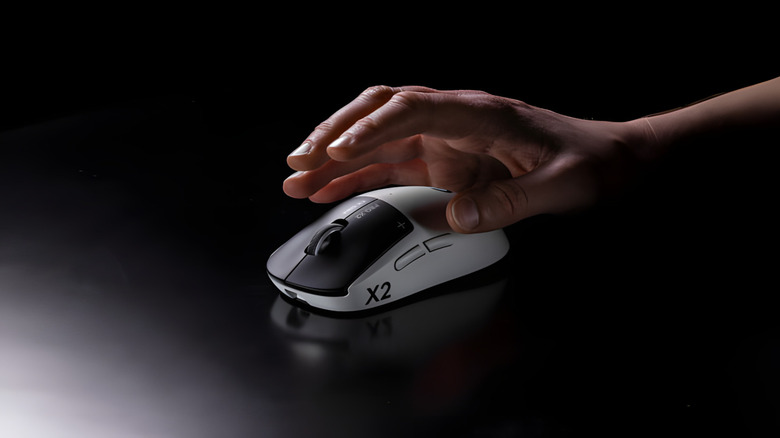
At first glance, the Logitech Pro X2 Superstrike may look like just another Logitech gaming mouse. Lightweight, low-latency, and a premium price to match. Don't let looks deceive. The Superstrike may be the beginning of a revolution in mouse hardware.
The SuperStrike uses a Haptic Inductive Trigger System, or HITS, to register clicks. Rather than a microswitch where clicking physically presses a button, HITS uses electromagnetic copper coils that don't actually contact. Instead, the click you feel is simulated haptic feedback. Logitech focuses mostly on how this reduces latency for competitive gamers, but there may be a huge unsung benefit here: durability. Speaking anecdotally, mouse click microswitches can wear out fast, causing a mouse that you've owned for a year or two to require you to break out the solder or replace an otherwise perfectly good mouse. A mouse without that mechanical wear could, in theory, last much, much longer.
Currently, that durability comes at a cost. The Logitech Pro X2 Superstrike retails for $179.99. If we're lucky, though, that price may come down. Hall Effect joysticks in controllers (which have similar durability benefits over analog joysticks) are easy to find for dirt cheap.
Shokz OpenFit Pro
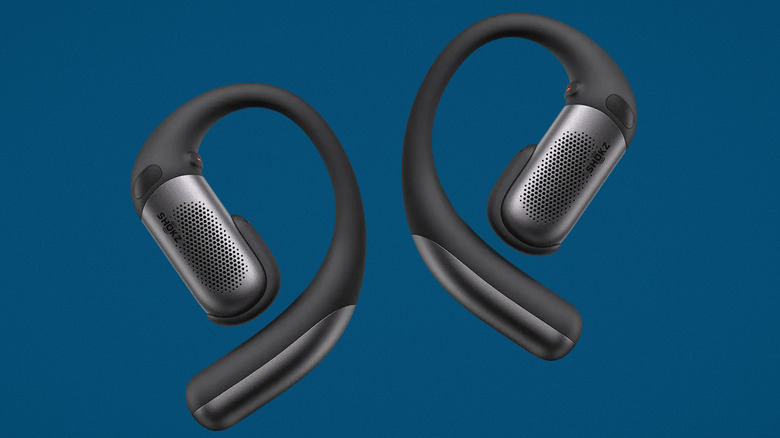
Open-ear headphones are a great choice for anyone who wants audio entertainment but can't afford to deprive themselves of aural awareness. One of the heavyweights in this space — particularly for bone-conduction headphones — is Shokz. Its 2026 Shokz OpenFit Pro is its best pair of open-ear headphones to date.
Aside from looking pretty stylish, the OpenFit Pro boasts a staggering 12 hours of battery, or a total of 50 hours with the case — and even with the noise reduction mode enabled, you can still get a respectable 6 hours of use and 24 with the case. Despite not appearing very water- or dust-resistant, it does have IP55 certification, so runners don't need to worry about sweat. They use the latest Bluetooth 6.1 standard and multipoint pairing for multiple devices. Users praise them for how good they sound compared to previous Shokz open-ear headphones, and for having superior comfort compared to traditional earbuds that you insert into your ear canal.
IKEA Kallsup Bluetooth Speaker
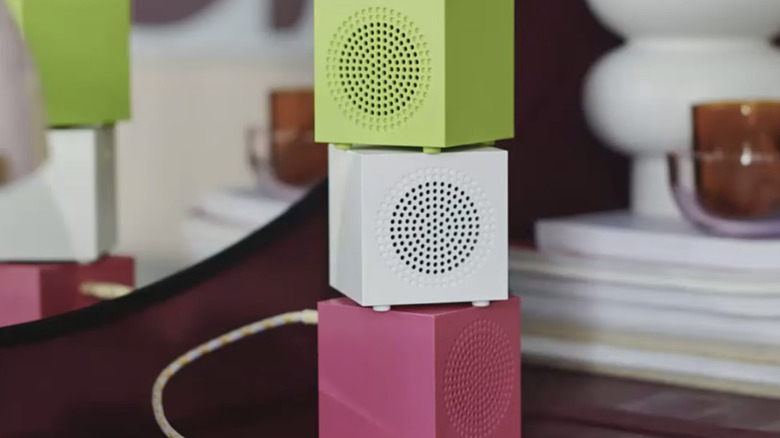
Ikea is typically known for cheap, stylish furniture, but not cheap, stylish audio equipment. Its new IKEA Kallsup Bluetooth speakers unveiled at CES 2026 don't seem like much initially, but they have two strong selling points. One, they're cheap. $10 per speaker, and in some places half as much. More importantly, they daisy-chain together to function as a wireless speaker array. Obviously, they won't be producing audiophile-quality sound, but for the price, it's hard to complain.
We could see a lot of great uses for the Kallsup. For one, it's a cheap way to add a sound setup to your decor without clashing. Most Bluetooth speakers aren't this simplistic and plain. In another situation, it might be a really, really cheap way to create something approaching a surround sound experience. In theory, you could pair up to 100 of them together. Even with just two of them, they'd probably work great as a cheap desktop set of speakers, even if they don't offer the best sound.
Of course, the price comes with compromises. It only has very basic controls for Bluetooth pairing and music control, but no off button, volume, or charge indicator. Each speaker is only rated to last about nine hours on a single charge. Check out our list of the best cheap Bluetooth speakers with good sound quality if the Kallsup doesn't cut it for you.
FiiO M33 R2R
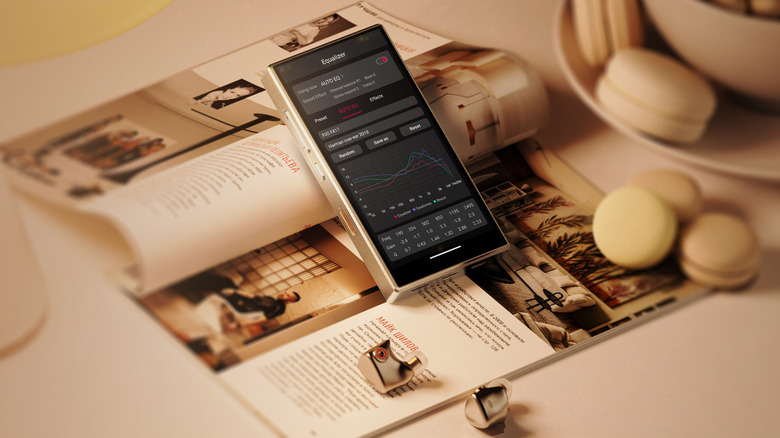
Most people probably just listen to music on their phone, but Bluetooth is technically inferior to wired headphones. Want to listen to your music in its most "pure" form, on the go? Take a dive down the rabbit hole of hi-fi MP3 players. It won't be cheap. Some hi-fi players easily approach a $1,000 price point. But if you have wired headphones that can appreciate lossless music in its full glory, there's probably nothing better in that form factor. Hi-fi music players like this are designed to support lossless audio and amplify audiophile-grade headphones. The FiiO M33 R2R is a new mid-range choice that retails for $649.99.
The main selling point is the 24-bit R2R resistor array, XMOS XU316 chip, and DAPS audio purification system that produce uncompromising, accurate sound. The device is Android-based, running on a Qualcomm Snapdragon 680 chip and sporting 8GB of RAM and 128GB of storage — enough to store a decent library of lossless music. The 1100mW output should be able to drive most IEMs or headphones you throw at it. It's a solid entry point for someone interested in hi-fi MP3 players with a budget to match.
Galaxy S26 Ultra
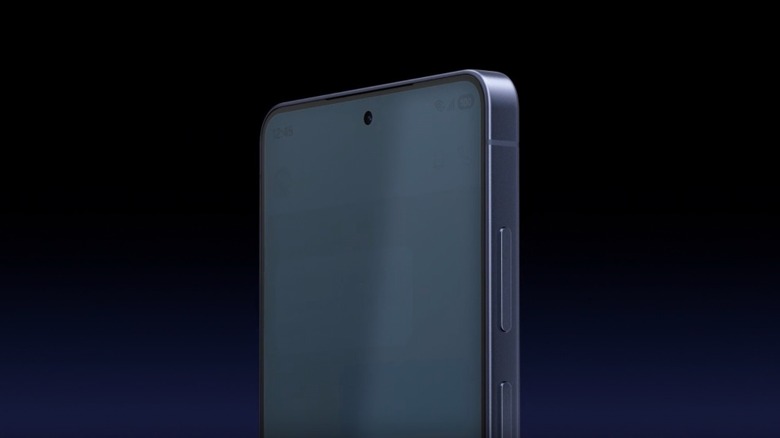
The latest Samsung Galaxy S26 Ultra is, in large part, a year-over-year spec bump. You likely have little to no reason to upgrade to the S26 if you already have an older S24 or S23. A good chunk of the upgrades are software-side Samsung Galaxy AI features. Having said that, there are two brilliant new items of note that perhaps didn't get as much limelight as they deserved.
First, the Galaxy S26 Ultra has a bunch of camera upgrades, our favorite of which is the Super Steady mode. Basically, you can turn the phone any direction you want and keep the video locked in the original filming orientation. For some digital content (e.g. TikTok or Instagram videos in portrait mode), this gives you the freedom to take some very bumpy footage where the camera isn't always level and get a near-flawless shot that seems as if you might have had a gimbal.
Second, the so-called Privacy Display. Unlike privacy screen protectors that semi-permanently reduce the sideways viewing angle — forcing you to remove the protector to return full visibility — the Galaxy S26 Ultra's screen can do this on the fly. In the settings, it can be enabled for the entire screen, specific apps only, notifications, and/or during privacy-sensitive operations, like typing in a password. Shoulder surfers (bad actors or nosy people alike) are going to have a tough time seeing an S26 Ultra user's private activities. We can only hope to see similar Super Steady modes and Privacy Displays in other smartphones.
iFi Go Link 2
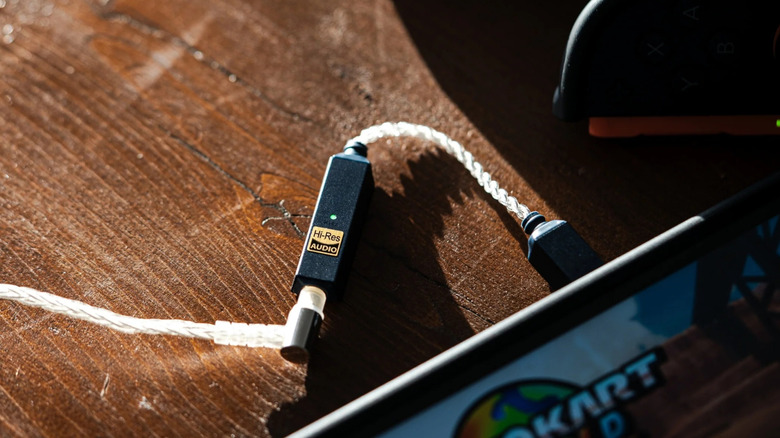
To our chagrin, many smartphone flagships followed suit when Apple did away with the headphone jack back in 2016, and since then, finding a phone that does have one is challenging. For most, the only way to enjoy wired audio on most smartphones is with a dongle. The iFi Go Link 2 is a solid new option to make your dongle-less smartphone play wired audio again.
The Go Link 2 includes an ESS Sabre DAC, so it can play lossless tracks in 192kHz for popular music services (Apple Music, Tidal, etc.), or up to a max of 384kHz for supported formats. The main selling point is the size. It's not much bigger than small adapters like Apple's own infamous USB-C to 3.5 mm headphone jack adapter dongle, yet it should produce a noticeable uplift in wired audio quality if you have IEMs or headphones that can really appreciate it. Note, this is not an amp, so it won't be able to drive your cans.
For casual users, the price may be a bit much. It starts at $59. That said, this should be compatible with any device that has a USB-C port — smartphones, tablets, anything that lacks a headphone jack.
iPhone 17e
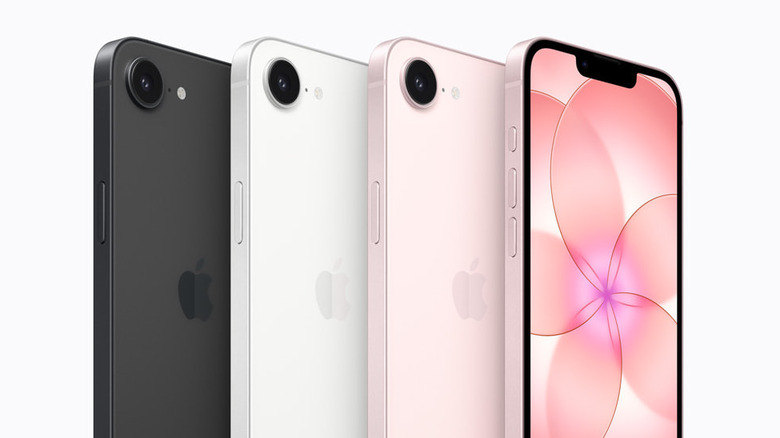
The iPhone SE was a hugely popular budget iPhone that one day vanished with a puff of smoke. It returned spiritually in the form of the iPhone 16e, an overall solid device hampered by a few meddlesome compromises. The iPhone 17e eliminates those compromises and puts Apple's budget lineup in the best place it's ever been.
The 17e gets several meaningful upgrades over the 16e: Ceramic Shield 2, the same A19 chip as the iPhone 17, MagSafe wireless charging, and a new baseline 256GB storage minimum. MagSafe support especially was a big deal, not just because of wireless charging, but because MagSafe accessories (like wallets and batteries) are one of the best parts of owning an iPhone.
Most importantly, the price stayed the same. Someone who plans to buy the 17e instead of the 17 can get very, very close to the premium features of pricier models for only $599. Coupled with the MacBook Neo, it's a great time to be alive if you want a cheaper way into the Apple ecosystem, but are unwilling or unable to consider $799 for a smartphone.
LEGO SMART Play Darth Vader's TIE Fighter
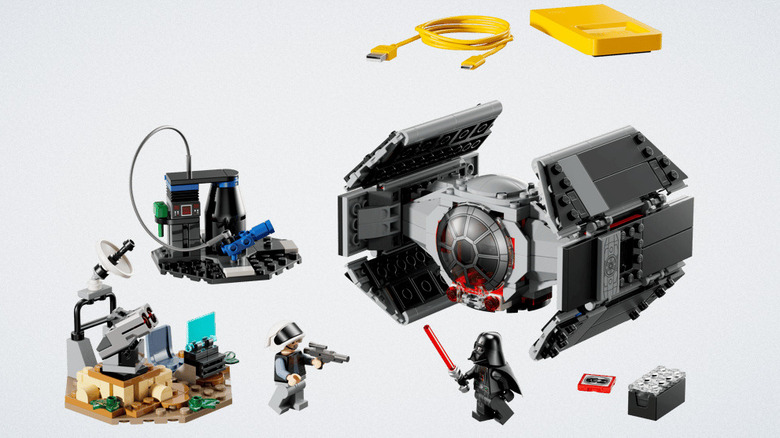
LEGO's new SMART Play system is, in its words, its "biggest innovation since... erm... ever!" The core of the SMART Play experience is a light-up, rechargeable SMART brick, which has sensors that can detect touch, motion, and positioning. The SMART tag tells the brick what it needs to pretend to be, such as a LEGO airplane. Finally, there are SMART Minifigures that react differently depending on the objects they encounter and the situation they're in. Perhaps finally a toy enticing enough to un-glue kids' eyes from "Roblox" on that tablet screen. So how does it work in practice?
Using Darth Vader's TIE Fighter as an example, the SMART brick paired with the TIE Fighter tag makes it sound like a flying, shooting TIE fighter, plus refueling and repair sounds when grounded. Since the SMART brick reacts dynamically, every play session can be unique, and kids playing solo can have a little bit more than imagination to rely on.
Before you rush out and buy one of these SMART Play sets, there's something you need to know. There are two sets: All-in-One sets and Compatible sets. All-in-Ones include everything, but Compatible sets only include a SMART tag and SMART Minifigure — in other words, they lack a SMART brick to bring them to life. As far as we can tell, you can't buy SMART bricks separately, so make sure you grab an All-in-One.
Sony WF-1000XM6

The AirPods Pro 3 are probably the best choice for iPhone users, and the Bose QC Ultra 2 earbuds cater to people who need exquisite noise cancellation, but the Sony WF-1000XM6 is a solid bet in the premium wireless noise cancellation earbud space if you want the best sound. We took a look at previous iterations — the Sony WF-1000XM5 in 2023 and the Sony WF-1000XM4 in 2021 — and they've always earned strong praise from us.
So if you liked previous generations and you're looking for an upgrade, you can't go wrong here. The noise cancellation continues to be top-tier, the sound is exquisite, and the bulb design of the earbuds has stayed mostly the same since the XM4 redesign, although this time Sony has opted for a more recycled-plastic look and a case that can stand up on its own. Adam Doud notes in his review that the software continues to be stinky poodoo, the battery life hasn't improved, and the earbuds are on the large side, but there's nothing else in this price range that compares when it comes to sonic performance.
Nomad Tracking Card Pro
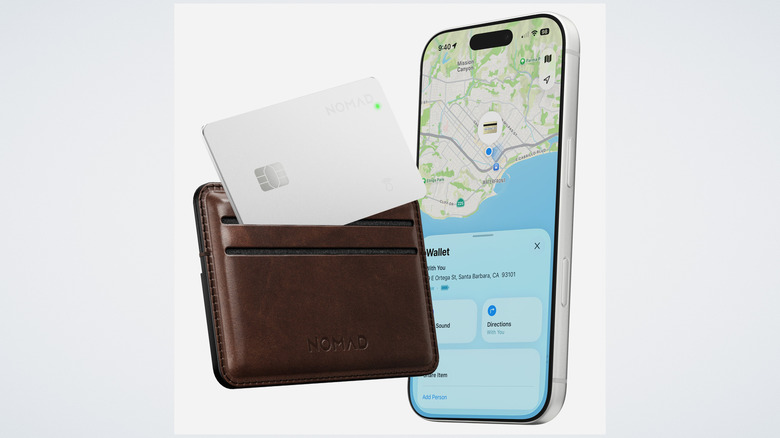
One of the problems with tracking an item via AirTag is the potential for a thief to locate and remove it after stealing the item. AirTags and other trackers are so ubiquitous these days that they're hard to miss among the contents of a backpack or purse. What's not recognizable is a credit card pretending to be an AirTag, and that's where the Nomad Tracking Card Pro comes in.
If someone steals your wallet, they would probably immediately trash a tracking device they found inside it, but not what looks like an expensive metallic credit card complete with a fake NFC chip. That's what they stole the wallet for. The Tracking Card Pro works with either Apple's Find My Network or Google's Find Hub and supports up to 16 months of battery life. Since it has that credit card form factor, you could probably fit it in any wallet, including those super slim ones that wouldn't otherwise be able to fit an AirTag-sized tracker.
Users say it's only possible to distinguish it from the real deal by inspecting it closely. And of course, it wouldn't work on a card reader — which, if the thief's first destination is a place to empty your digital funds, would be an immediate tell. Lastly, it's surprisingly not that much more expensive than an AirTag, at $39.