

15 Of The Worst Tech Gadgets We've Ever Seen
We are truly spoiled for amazing tech. In 2025 alone, we had the next-generation RingConn Gen 2 to start off the year, Nintendo's long-awaited Switch 2 in the summer, and the AirPods Pro 3 before Christmas. But we also had some stinkers. Remember the iPhone Air? The tech industry has to hedge its bets to innovate, so it's worth remembering the times when it got things wrong.
When using the word "worst," we mean false promises, lies in marketing, and profoundly underwhelming releases; products that do such a poor job at solving the "problem" they were after that you're better off without them; and, of course, poorly designed products that are either deeply problematic or simply bad. We're also considering anything that had horrendous long-term support, repairability, or value for money.
This list is by no means comprehensive or authoritative. Take it with a grain of salt. These are 15 of the worst tech gadgets the tech industry has ever produced.
Theranos Edison
Theranos is textbook tech fraud that landed its founder Elizabeth Holmes an 11-year prison sentence. Blood laboratory tests did (and do) famously require vials of blood and take ages to conduct. Theranos promised to change that with the Edison machine, a device that would run the whole gamut in record time while requiring only a finger prick instead of a scary needle. A truly sci-fi pitch that, if it hadn't been a top-to-bottom swindle, would have completely shifted the medical landscape.
What's fascinating about Theranos is how long Holmes kept it going. Things kicked off in 2003, but even a decade later, it was securing millions of dollars in investor money and signing deals with big-name companies. Circa 2014, the sharks were already circling. A mixture of investigative reporting, cancelled business deals, FDA investigations, and SEC charges proved the Edison machine could blow a lot of smoke, but not magically test blood. Even after an ungodly amount of bad press and literal medical license bans, Holmes kept at it. Fraud charges came in 2018, and by then, the jig was well and truly up.
Even today, Theranos is a reminder of how easily we have been (and can be) fooled by lofty tech-industry promises. You'd think we'd learn. But looking at the current AI bubble, perhaps not.
Humane AI Pin
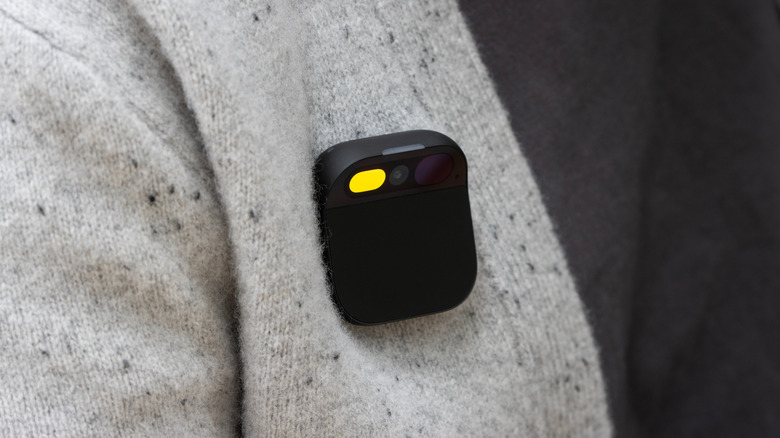
If Marques Brownlee dubs your device "the worst product I've ever reviewed," you are in for it, my friend. In the original video demonstration, the Humane AI Pin was seemingly a breakthrough in the human-device interface. Put the camera-enabled pin on your shirt, and have the best of a smartphone without breaking real-world immersion. On the surface, it's not a bad concept. The execution in 2024, however, showed otherwise.
Reviews eviscerated the Humane AI Pin upon release. Effectively no aspect of the Pin saved it; not the user-voice assistant interaction, not the gesture-first projector screen, not the camera, not even the battery life. Heck, even iFixit couldn't find a saving grace on the repairability front. Perhaps the most damning own goal was the CEO testing the Pin in person with YouTuber Mrwhosetheboss. The CEO seems to be struggling as the Pin fails to perform even in ideal conditions.
Even if Humane had somehow resolved its issues, it was superfluous in a world where everyone has a smartphone. People returned their Pins faster than Humane could sell them, and Humane unceremoniously kiboshed the whole thing in 2025 before HP made the head-scratching decision to acquire it. To Humane's credit, it's likely we'll someday reach a future of screenless AI assistants, but not today.
Rabbit R1
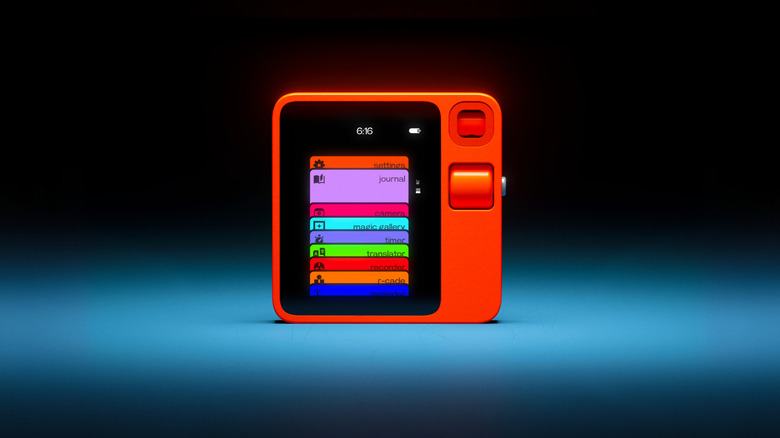
The Rabbit R1 inhabits roughly the same market as the Humane AI Pin: secondary, AI-first devices meant to simplify digital actions. The Rabbit R1's big selling point was doing anything you wanted in your apps, subscription-free, plus AI features like transcription, image recognition, and so forth. For example, rather than opening up the Walmart app and manually ordering groceries, Rabbit would intelligently figure out how to do it for you.
Rabbit R1 launch reviews sank the ship fast. Across the board, early users slammed the device for falling far short of the mark. It wasn't as bad as the Humane AI Pin, but its use cases were more gimmicks than game-changers. Marques Brownlee's review, titled "Barely Reviewable," should be enough.
Interestingly, the Rabbit R1 didn't vanish into a puff of bankruptcy. Year-after-yearreviews vindicated it, with caveats. You can still buy one. While Rabbit OS 2 is a night-and-day improvement that can actually do things, we once again have a situation where your smartphone does basically everything the Rabbit R1 can.
Juicero
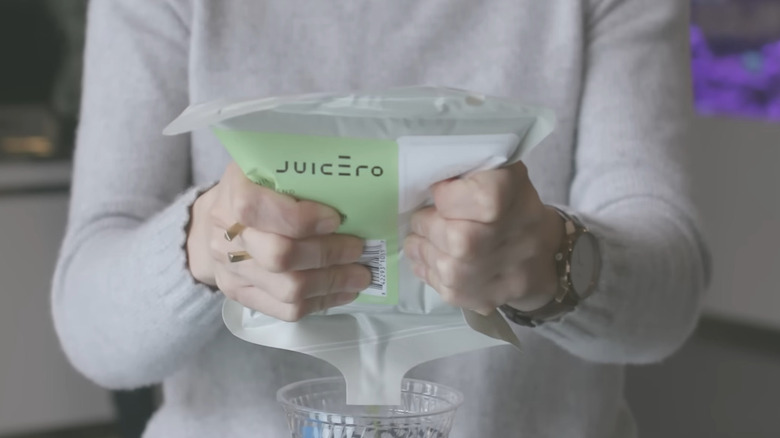
The pitch for Juicero was a one-button juicer. You'd buy it for $699 (later discounted to $399), "subscribe" to regular deliveries of the company's proprietary cold-press packs (costing $5-8 a piece), and whammo, fresh juice. Expensive, but it's a device that wouldn't be far-fetched among niche health enthusiasts who already spend hundreds on powders. Then Bloomberg dropped a bombshell one-minute video.
In the video titled "Do You Need a $400 Juicer?", Bloomberg shows how a Juicero transforms pulp into drinkable fluid by — wait for it — squeezing the packs. Slowly. Something you could do faster by hand and get the literal exact same result.
It will come as no surprise that Juicero joined the dinosaurs in 2017 after a whirlwind of bad press. In retrospect, Juicero feels like a sci-fi author's satirical dystopian plot device, and yet, it was very real and people did actually buy it. We'd love to think that after Juicero, we'd all be immune to such blatantly sham devices, but we'd probably have to eat those words.
Amazon Dash
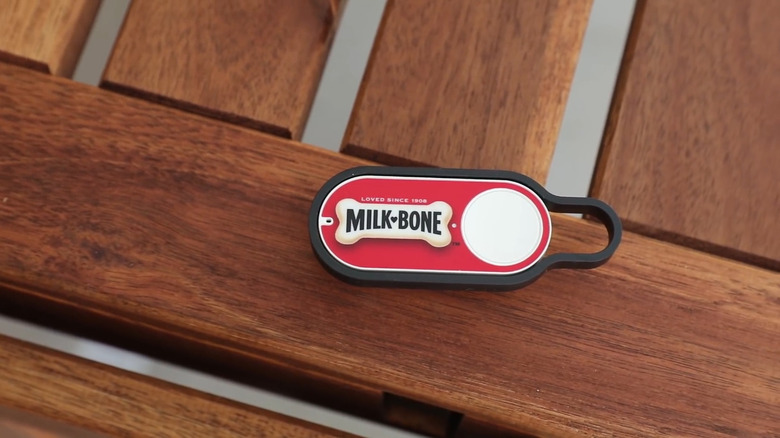
Remember the Amazon Dash buttons? These were literally just electronic buttons that, when pressed, would immediately reorder a product needing regular replacement. Think toilet paper. In fact, this was a whole lineup of "intelligent" devices to facilitate reordering, like the Amazon Dash Smart Shelf or the Amazon Dash Wand.
Right off the bat, there's something distinctly dystopian about a big corporation having a button inside your private home that gives it money. BBC's Dave Lee initially thought Amazon was pulling his leg with an April Fool's gag when the product released in 2015.
It's not hard to see the problems with this. For starters, it's wasteful. Why fill up our landfills with Amazon Dash buttons if our smartphones (or Alexas) can order things? What if your kid accidentally presses the button? Some regulators targeted the buttons for their deceptive potential; the buttons cost money rather than being free; but most of all, Amazon users who had a Dash barely touched them. Amazon already makes it very easy to order from it, so we'd argue nothing was lost.
Google Stadia
Game streaming is commonplace, a convenient way to play video games if you don't have a console or rig. Nvidia, Xbox, Amazon, and PlayStation all offer it. At one point, Google did too with Google Stadia in 2019. It failed spectacularly. The rocky launch was plagued with technical issues, a poor game library, and a pricing strategy that did not endear itself to users, among other things.
Google continued to make baffling decisions with Stadia, such as shutting down the studios making its exclusives that might have drawn people to the platform. A dwindling user base put the writing on the wall, and Stadia shut down in 2023. Perhaps it's not surprising, since Google's graveyard of products is full of stuff the giant put little effort into or seemed to forget about.
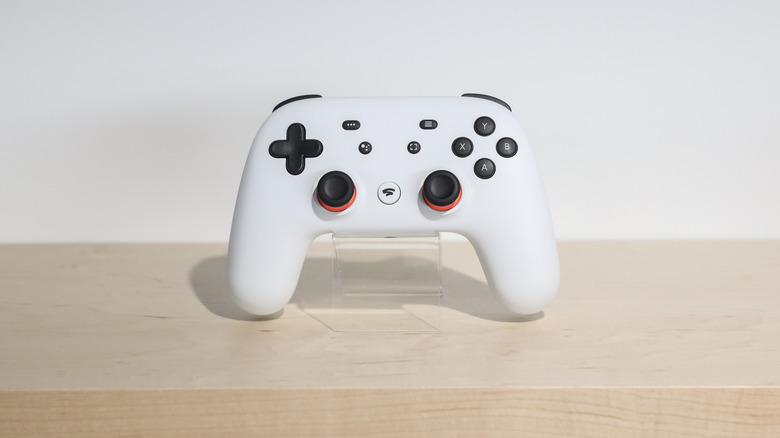
Another lesser-known fail of Google Stadia was the controller. While the controller itself might have been fine to play with, repairability was a "disassembly nightmare," in the words of YouTube channel Gamers Nexus. They needed an angle grinder just to get the controller open in the first place.
Spotify Car Thing
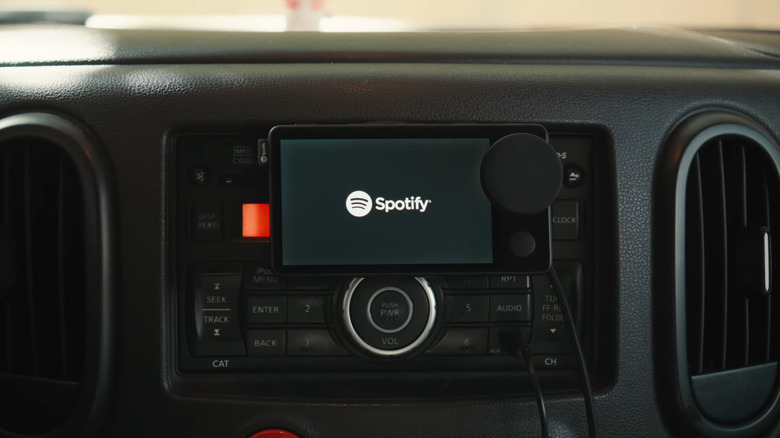
Spotify's 2021 Car Thing was a device meant to retrofit an older car for modern music streaming. Basically, a single-app infotainment center to remain on the dash, with a minimal interface for music control — touchscreen, scroll wheel, voice control, and so on. Already you can see the problem. If you have a smartphone, why buy this? Car Thing was rudderless without one and didn't even work well besides. Pile on the fact that head units running phone-based infotainment systems like CarPlay were growing in popularity, and you have, effectively, a DOA product. Spotify stopped making Car Thing in 2022 and pulled the plug entirely in 2024.
Perhaps the worst part about Car Thing was how Spotify bricked the device. It quite literally told customers to chuck it in the bin, rather than just unlocking the bootloader with one final update. People were understandably a little miffed. Fortunately, some enterprising users figured out how to repurpose it anyway. Check r/carthinghax for jailbreak guides and custom Car Thing software.
Meta AI Glasses
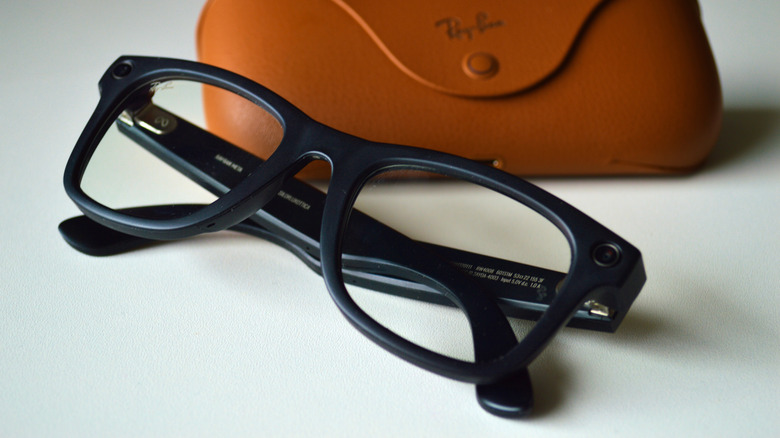
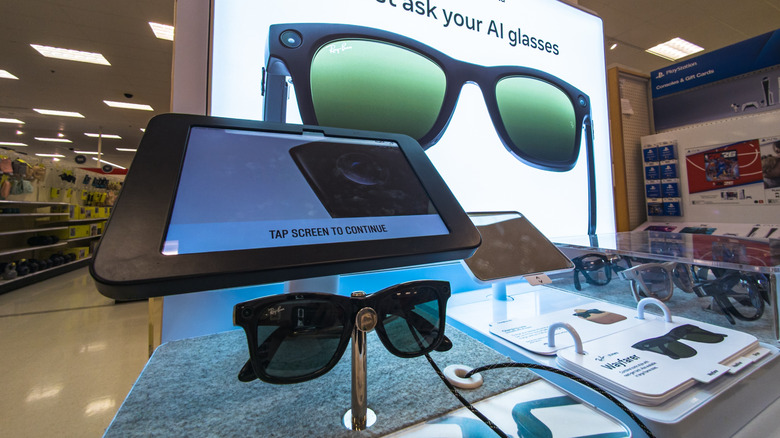
If you only look at the review headlines for Meta's AI glasses, they generally look positive. Dig a little deeper, though, and you'll find more nuance. Closer analyses of the Meta AI glasses (particularly the top-end $799 Ray-Ban Display) admit that, despite a technologically impressive slim body, waveguide display, and pinch-and-swipe finger-controlled neural wristband, their usefulness is ... limited.
What you get is a reminder of why VR continues to fail: an expensive gimmick. The single-sided display is incredibly small, can be easily washed out in brighter environments, and induces eye fatigue. There's also much left to be desired with the promised features, and what features are available are a classic case of "you're better off just doing this on your smartphone." It overall seems like a promising step forward for the technology, but a beta product that's years away from becoming a must-have companion device, and years more from replacing your smartphone.
But that's not even what makes it one of the "worst" products. What does is how all of these eyeglasses have become the go-to for creeps who want to film people in public without their knowledge or consent. This is Meta we're talking about, so it likely won't make any meaningful effort to stop this from happening until the bad press and lawsuits pile up high enough.
Tesla Optimus
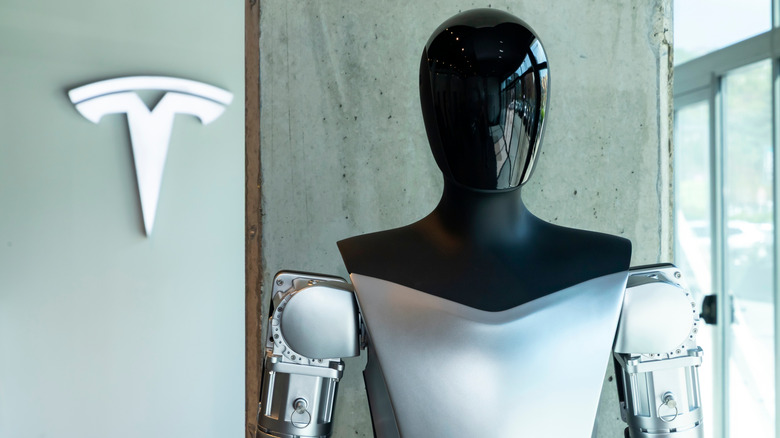
Yet another example of the tech industry promising you the stars but only delivering shiny pebbles is (we think) Tesla Optimus. We're not ganging up on Tesla specifically, just using it as a prime example of humanoid robots and the problems with them, particularly those with near-human proportions meant to help or replace us.
There is credible evidence that Tesla has used misleading information on several occasions to make these robots seem more advanced than they are. They were tele-operated (a person behind-the-scenes VR controlling the bot) at a Tesla robo-taxi event. At the now-famous Miami event, a Tesla robot collapsed after suspiciously reaching for its head, as if the VR operator was taking off their helmet. Regardless of what's going on here, it's hard to have faith in humanoids when Honda's ASIMO came out in 2000 and yet in 2025, they can still fall over while just standing still, with human assistance.
Even the tangible wins for humanoids, like the one that raced in a Beijing half marathon, continue to have a very narrow scope and require a lot of human assistance. We have to start asking the question: Did the sci-fi authors who imagined widespread humanoids simply get their predictions wrong? Some experts in the field argue that general-purpose humanoids are not the future of robotics. Situation-specific, non-humanoid machines are.
Amazon Fire Phone
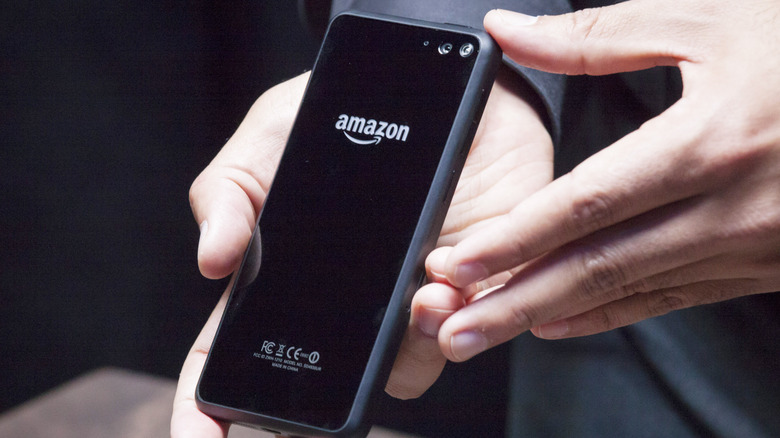
In 2014, Amazon decided to take a swing at the smartphone market with the Amazon Fire Phone. Reviews found it to be a decent phone with acceptable specs for the time, and it could be had for only $199 with an AT&T contract. So why was the Fire Phone a complete flop? A couple of reasons. One, its flagship feature — the 3D illusion called Dynamic Perspective — was a gimmick that failed to impress or provide any meaningful benefit. Two, Fire OS was downright horrible. Reviews agreed, and Amazon lost big money on it.
I can attest to why it failed because when I was a poor college student who needed a smartphone, I nabbed a brand-new, boxed Fire Phone off someone for less than $100. Both Dynamic Perspective and Fire OS were so terrible that I leaped to void my warranty and flash proper Android within the first week of owning it. Even with Android, even with that steal of a price, the phone underwhelmed. It got hot doing nothing, the battery life was a joke, and no aspect redeemed it for me. Color me surprised that Amazon is still smarting from the failure and unwilling to try again.
Apple Pippin
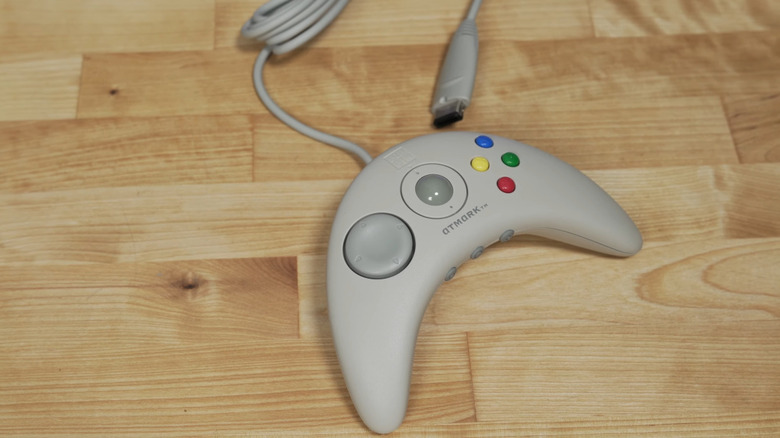
Apple's half-hearted foray into macOS gaming has been so lackluster that you really shouldn't buy a MacBook for gaming. It is probably content with its 30% cut of "Candy Crush" and "Clash of Clans" on iOS. One time, though, Apple tried console gaming. The Apple Pippin (in collaboration with Bandai) in 1996 was basically a Macintosh computer optimized to run games off CDs. It wouldn't last long.
Pippin failed for a number of reasons. The hardware was unimpressive, as was its dated operating system, and its controller used a very unconventional trackball instead of a thumbstick. In true Apple fashion, it was Apple-taxed to a ridiculous level before the "Apple Tax" was a concept, and it didn't have any games to make the purchase worth it. In addition to these tough selling points, the console was revolutionary with its internet connectivity — to its detriment, since at the time the average person probably didn't know what the "internet" was. Apple officially dropped it the next year, in 1997.
HTC First
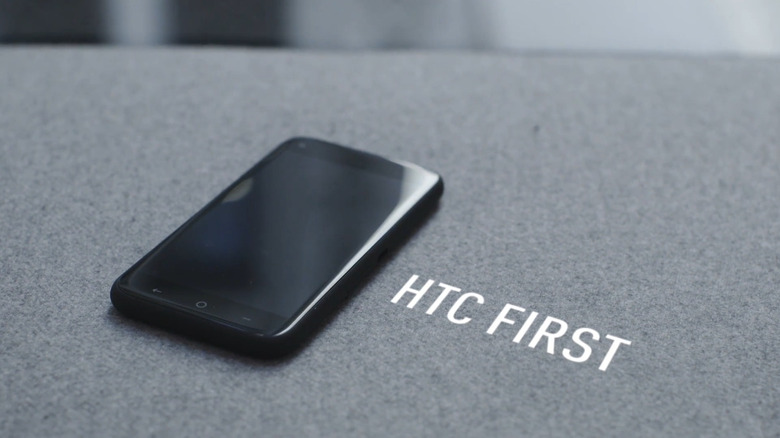
The HTC First released in 2013 for $350 was a "Facebook phone." This wasn't the first or only Facebook phone. Others came before it, like the 2011 HTC Status. The phone ran Facebook Home, basically a Facebook UI. By default, the lock screen included your Facebook notifications, and Facebook Messenger bubbles were an integral part of the operating system, as just a few examples.
For the time, the hardware wasn't bad. It was a decently built 4.3-inch phone that ran Android, aside from a weak camera. The main reason it was bad is (you guessed it) Facebook. People were concerned about Facebook's influence on people by then, with studies in 2013 already suggesting it was harmful to mental health. Regardless, reviewers at the time found the Android experience to be objectively better once you turned Facebook Home off. Terrible sales sealed the deal, making this Facebook Home's final, gasping breath.
Hoverboards
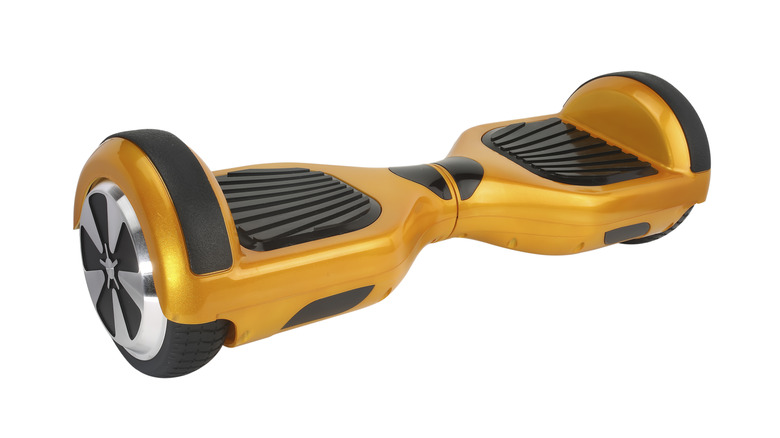
Hoverboards were an interesting 2010s cultural phenomenon that we think is best left in history's trash bin. The name is a bit of a misnomer; these were (typically) two-wheeled micromobility balance devices somewhere between a skateboard and a Segway. The number one reason they're terrible and deserve to wear "worst" like a red letter A is because of how dangerous they are. Unless you had a cat's balance, you were liable to fall off headfirst and seriously injure yourself. Data from CPSC showed a disturbing rise in injuries and fatalities up to 2023 thanks, in no small part, to hoverboards.
Then there was hoverboards' eagerness to catch on fire when charging. E-scooters are just as guilty of torching homes, but at least (we'd argue) e-scooters make it significantly harder to accidentally merge your head with the asphalt. Luckily, we didn't have to wait for common sense or regulation to get rid of hoverboards. It was litigious corporate America that did them in; Segway and Razor's hunger for market dominance now makes it tough to find one.
Google Glass
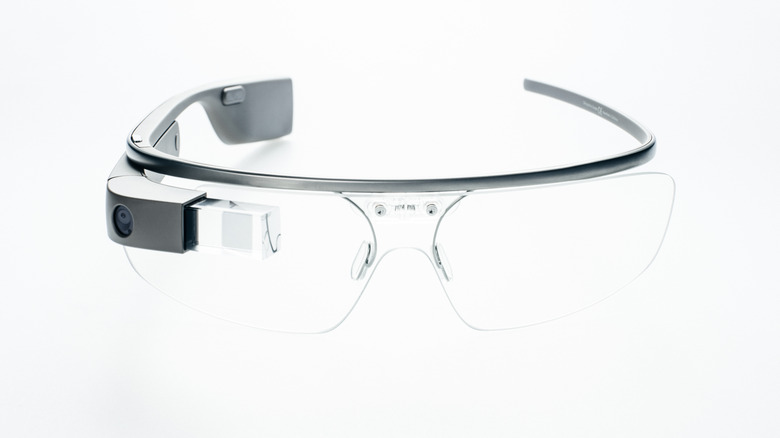
Google Glass was one of the more hilarious failures from Google. The augmented reality device looked like something from Star Trek, a small, touch-and-voice-activated computer mounted on a glasses frame with a teeny HUD meant to overlay messages, reminders, maps, and all that in your FOV. Perhaps a cool idea, but the parodies from the time give you a good idea of how people felt. An SNL routine shows how Google Glass succeeded best in ostracizing you as a dork; a 25-second Tom Scott parody predicted the tech would make everyone run into things.
Aside from perhaps being ahead of its time culturally, it was also ahead of its time technology-wise. The real-life usage left a lot to be desired, and the company couldn't find success for everyday consumers or enterprise solutions. But if the Meta AI Glasses are any indication, maybe we'll see tech companies bang their heads eternally against this particular wall; Google is undeterred, trying again with Google Glass in 2026.
Snapchat Spectacles
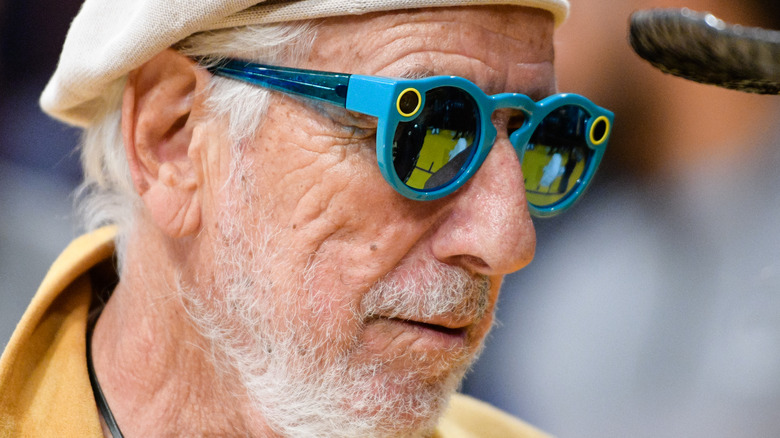
There must be something in the water in Silicon Valley, based on the tech industry's obsession with camera-enabled smart glasses. Snapchat Spectacles were released in 2016 at $130, meant for filming snaps hands-free. They were sold in a novel way via vending machines called Snapbot that let you virtually "try on" the glasses before buying.
Snapchat's Spectacles suffered a rocky road. A poorly thought-out release meant that for a long while, you had to be lucky enough to be near one of its surprise pop-up sale locations to get one, and online sales started once the hype was over. Hardware-wise, the glasses had poor picture and video quality, and being only sunglasses, you'd be put off using them in low-light conditions anyway. Even the reviewers that initially gushed over them admitted their appeal was fleeting.
We'd argue that the ridiculous design probably didn't help, and there was the perennial concern of — again — creeps misusing Spectacles to record people unawares. One commenter under Austin Evans' impressions review summed it up: "If one of my male friends shows up wearing one of those, I will never speak to them again." Spectacles were a commercial failure, but Snapchat didn't give up. It tried Spectacles again in 2024.