

14 Products Apple Is Saying Goodbye To In 2026
If you're an Apple user, it's been a great past few years for hardware. We've gotten upgraded AirPods Pro 3, a redesigned iPhone 17 Pro, and a budget-friendly MacBook Neo. The MacBook and iPad lineups continue to perform well with their M-series chips. And the best part? Apple has a habit of supporting its devices for quite a long time, ensuring you can comfortably use them for years to come. Eventually, though, support runs out. In 2026, we say goodbye to another handful of devices.
By "saying goodbye," we mean one of two things: Either the tech giant has ceased manufacturing and selling them or has cut off repair and software support. You'll still be able to buy these 14 products at third-party retailers (and still get updates, in most cases) and get repairs for them at independent shops, but in the eyes of Apple, they're ancient history.
First-Generation AirTags
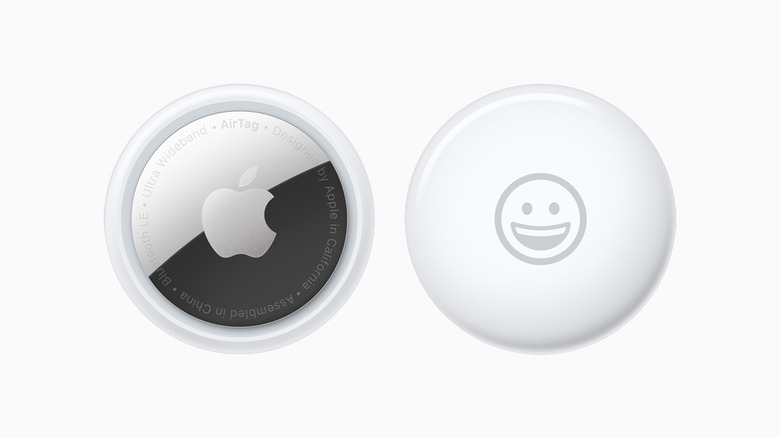
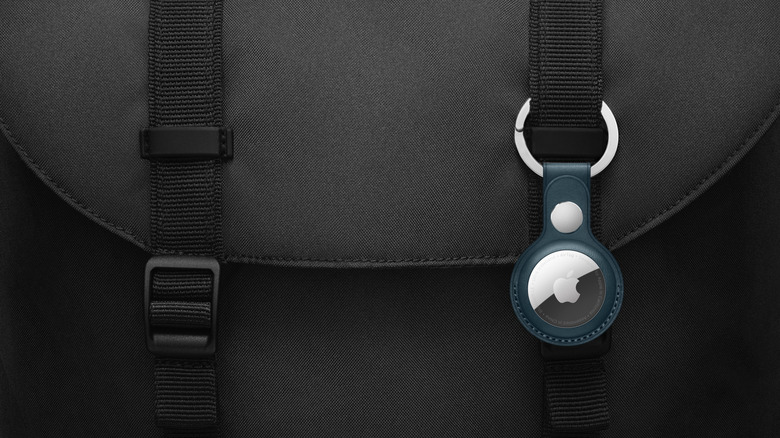
Apple unveiled AirTags in 2021, and they've quickly amassed a billion-dollar industry of their own. The premise is simple: Place the $29 circle in your purse, backpack, or luggage to track it down subscription-free. There are some things you shouldn't track with them, but on the whole, they're some of the best tracking devices on the market. In 2026, Apple introduced the second-gen AirTag. Wider range, easier tracking, recycled materials, same price. As for the old first-gen AirTags, they've been quietly delisted.
On Apple's website, there is no "AirTag 2" — it's just an invisibly upgraded AirTag. You can no longer purchase the original directly from Apple. However, the good news is that the "old" AirTags have dropped accordingly in price. While the second generation is certainly an upgrade, the originals still work incredibly well. The replaceable batteries ensure they can be used for years. Just make sure you know which one you're getting; both versions are hard to tell apart.
iPhone 16e
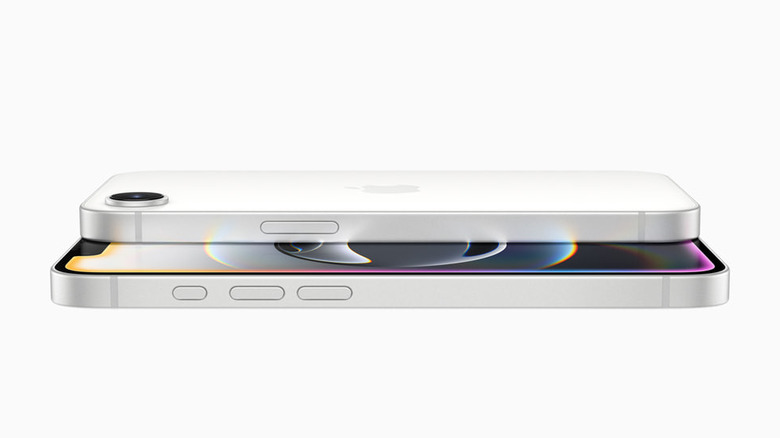
The iPhone 16e appeared out of a puff of smoke in 2025, years after it looked like Apple had given up on its budget SE and iPhone Mini. It seems like it was a success, garnering stronger sales as a spiritual successor than the SE. Having said that, it did leave something to be desired with that $600 "budget" price tag, like missing MagSafe. The iPhone 17e, announced in March 2026, replaced it, and by all accounts has shored up its predecessor's weaknesses and made the "e" lineup an easy recommendation for someone looking for the cheapest iPhone possible.
As such, the iPhone 16e is now MIA. You'll find the iPhone 16 on Apple's website, but not the 16e. In typical Apple fashion, it doesn't like giving you the cheaper, older model as an option. That said, it's still a more than usable phone that's on the list of supported devices for iOS 26. iPhones typically get the latest software feature updates for up to seven years. If that holds true for the iPhone 16e, then it should be supported until at least 2030, possibly as late as 2032.
M4 MacBook Air
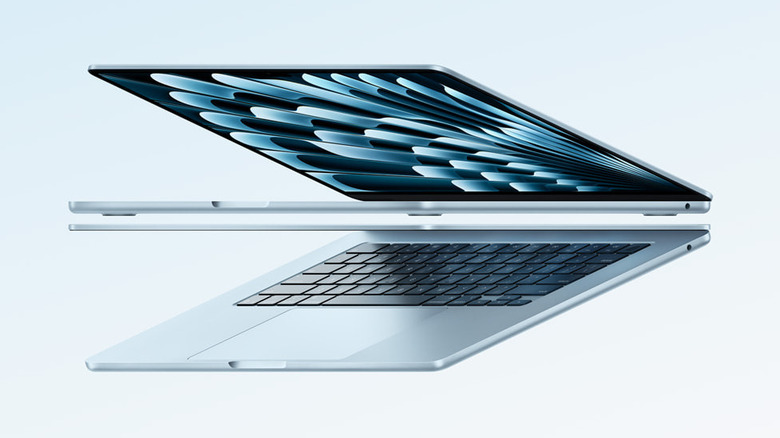
Every one or two years, Apple releases an upgraded MacBook Air; 2025 was no different, with the M4 MacBook Air unveiled in March. As has been the case for the past couple of years, this was just a spec bump — slightly more powerful chip, better webcam, but it's effectively the same laptop as the M3 and M2 that came before. Perhaps the most notable change was making 16GB of RAM the baseline configuration rather than 8GB. On the heels of the M5 MacBook Air release in March 2026, however, it (like the iPhone 16e and other previous-year products) dropped off Apple's website into oblivion. The only place you will find it is in the Certified Refurbished section, if stock is available.
It's roughly the same situation as with the iPhone 16e. The M4 MacBook Air will likely continue to receive macOS updates until at least 2030, possibly 2033 at the latest. And again, it's not far behind Apple's bleeding-edge hardware offerings. Unless you're a professional who needs the absolute max horsepower for your workloads, then the M4 is going to serve you very well for a long time. You might be able to find the M4 MacBook Air for a lot less — though bear in mind that because of high RAM prices, that could be challenging.
MacBook Pro (M4 Pro and Max)
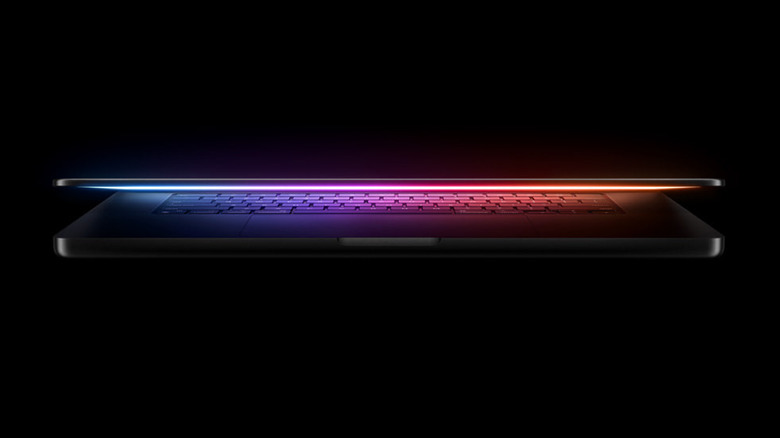
Generally speaking, Apple puts out its MacBook Pro models shortly after the yearly iPhone release in the fall, and then waits until spring of the following year to put the same chip in the latest MacBook Air. One major hardware difference (aside from a better screen, better speakers, etc.) that sets the MacBook Pros apart from the MacBook Air is the more powerful Pro and Max variants. The MacBook Pro M4 Pro and MacBook Pro M4 Max models, released in October 2024, are already a distant memory; you cannot buy the M4 Pro and M4 Max variants brand-new on Apple's site, only in the Certified Refurbished section.
Doing the math, the MacBook Pro M4 Pro and Max could possibly lose macOS support before the M4 Air in late 2029, or 2032 if lucky. That said, this is an absolute beast of a machine for virtually any heavy-duty workload — video editing, app development, 3D rendering — so buying one today is not a bad idea. Grab one over a newer, more expensive M5 model equivalent if you can find a good deal.
Upgrading such an expensive device when updates end in 2032 would be painful if you don't need to. Luckily, there are options when official support ends. You may be able to update to the latest version of macOS — even if your Mac isn't officially supported — with OpenCore Legacy Patcher. Asahi Linux may also be available for the M4 family by that time.
M3 iPad Air
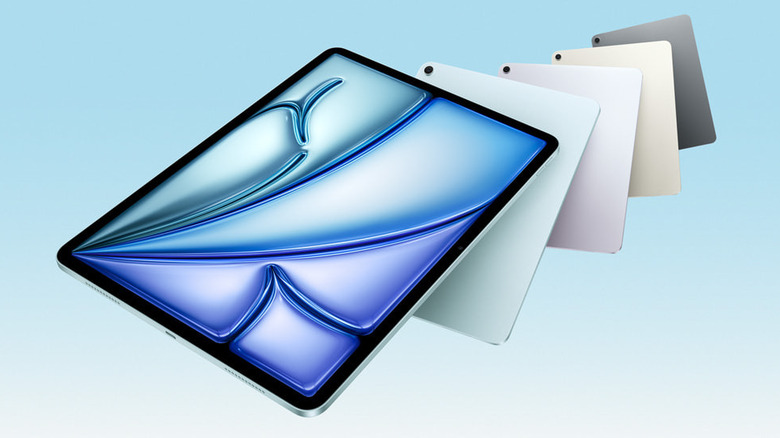
Don't want to spend a financially irresponsible amount of money on the overpowered iPad Pro M5? The iPad Air is the next best thing. Since 2024, Apple has bequeathed M-Series chips to the mid-range iPad Air lineup, and the latest version released in 2026 gets the M4 chip. It's two years late, but considering the power of the M4 chip and the $599 starting price tag of the Air? That's still overkill for most. So unfortunately, the cheaper last-gen M3 iPad Air released in March 2025 is no longer an option from Apple's website, except where refurbished.
Naturally, people probably upgrade their tablets less than they might even update their computers, since running the Netflix app in bed does not require top-tier silicon. The third-gen iPad Pro released in 2018 is still on the iOS 26 update track, meaning it's been receiving official support for at least eight years. Following that logic, the M3 iPad Air could possibly continue to get feature updates into 2033 and maybe even beyond. Buying this one used once the price goes down even a year or two from now wouldn't be a bad idea.
Apple Studio Display (2022 model)

Released in 2022, the Studio Display is a 27-inch monitor at a 5K resolution and a 60Hz refresh rate. The $1,600 asking price makes it decidedly pro-only. If that's only the amount of money you'd spend on a very expensive computer, though, there are plenty of alternatives that won't break the bank. In 2026, Apple refreshed the Studio Display's internal hardware — not the panel — so the 2022 models are gone from Apple's site, Certified Refurbished options notwithstanding.
The Apple Studio display gets semi-regular firmware updates to fix issues rather than provide new features, with the latest releasing in 2023 and requiring macOS Sonoma 14. A monitor is naturally a device people don't update very often and keep as long as they can. It's likely the now-outdated 2022 Studio Display will work well for a long, long time even if no further firmware updates are released, so there probably won't be an issue buying a used one in the future.
Pro Display XDR

If you thought the Studio Displays were expensive, then the Pro Display XDR took it to another level with its $6,000 price tag in 2019 — and that didn't include the extra-special $1,000 stand. It was a 32-inch 6K monitor at 60 Hz. Was/is it worth it? For most people, probably not, but to each their own. Its seven-year run as Apple's most premium display is over now that the Studio Display XDR has released. In most ways, the Studio Display XDR is a proper upgrade and not a slight spec bump like with the normal Studio Displays. Camera and speakers, more dimming zones, stronger backlight, variable refresh rate, the works.
Similar to the Studio Display, the Pro Display XDR gets firmware updates. The last one was in December 2020 and supports macOS 10.15.6 and above. If you can find an old Pro Display XDR for a price you consider to be reasonable, then it should continue to work for you for many years to come — same as with the Studio Display.
Mac Pro
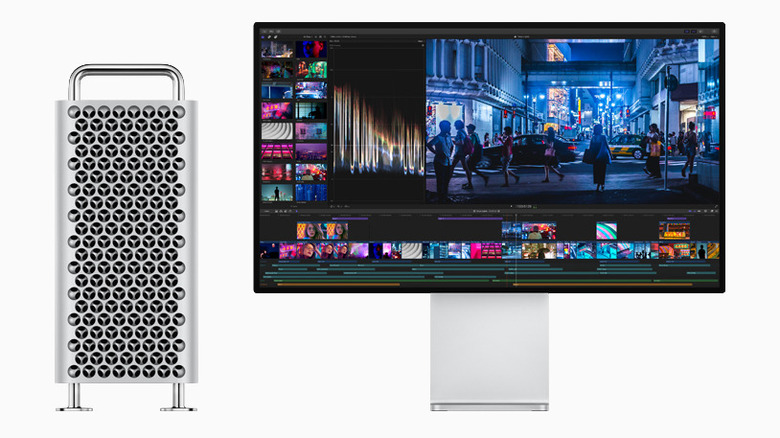
In 2019, Apple overhauled the Mac Pro with a removable aluminum casing over a modular tower and a $6,000 price tag starting out. This was, as you may remember, the computer that sold add-on wheels that cost as much as an iPhone SE and was manufactured in the U.S. rather than abroad. Obviously Apple was marketing this particular machine to the pro-est of the pros, e.g. filmmakers rather than YouTubers. Whether or not the price was justified, this was an incredibly powerful machine for the time, yet Apple only updated it once more in 2023 with the M2 Ultra chip. Rumors swirled circa 2025 that the Mac Pro was already queued up for retirement, and in 2026 that was officially confirmed. The entire Mac Pro lineup is dead, RIP.
The reason why is simple: Apple Silicon has gotten so good that another Mac specced with the same chip can achieve near identical performance. YouTuber Marques Brownlee proved this, pitting the Mac Pro against a Mac Studio, a box a fraction of the price and size. Coupled with the fact that the Mac Pro stopped supporting PCIe video cards, all but a small minority had no good reason to buy it. It's hard to tell how much longer Apple will support the current 2023 Mac Pro since every M-series chip still supports the latest macOS, but needless to say, a Mac Studio or MacBook Pro is a cheaper, smaller, and functionally identical option.
iPad mini 4
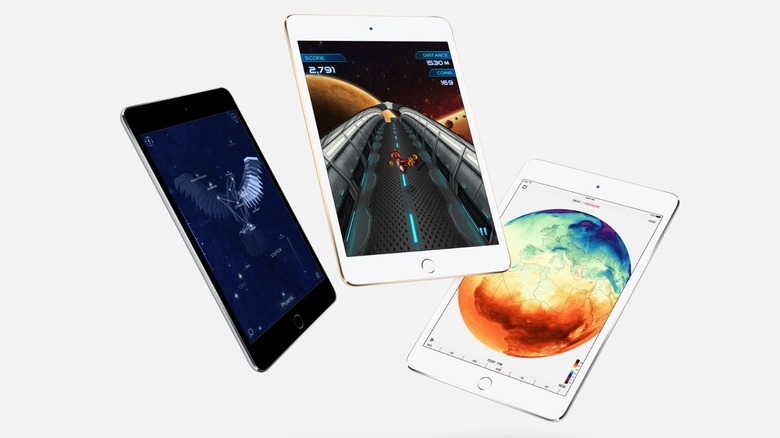
The iPad Mini 4 released back in 2015, and lost iPadOS support in 2022 with the release of iPadOS 16. Since 2024, the iPad mini has been officially vintage. In a nutshell, that means updates get more sparse and first-party repairs (like a battery replacement) depend on whether Apple has the parts on hand. That's now over as of 2026. The iPad Mini has been knocked down to the obsolete list.
It's worth nothing that vintage and obsolete devices don't lose updates entirely. Apple will occasionally patchmajor vulnerabilities on older operating systems. iPadOS 15 (the last OS the iPad Mini 4 supports) got its latest security update in March 2026, so the iPad Mini 4 has effectively been supported software-wise over a decade. This is not uncommon, as Apple has provided minor patches to older iPhones that have long since been very obsolete. Even assuming Apple patches all major security vulnerabilities, continuing to use an iPad mini 4 may present obstacles; for example, it may be difficult to install older versions of apps that now require iOS 16.
Apple TV HD (32 GB)
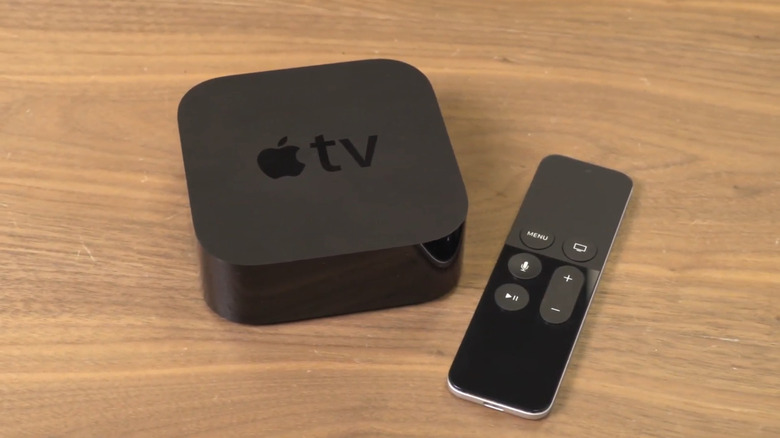
Apple TVs have been around since 2007 and continue to be an excellent streaming box, particularly if you're in the Apple ecosystem. It's a device Apple has provided sparing hardware updates to, so buying an older model or a used one is usually a safe choice that will likely last for years. As proof of that, the latest Apple TV 4K released in 2022 and we still haven't gotten an update. Unfortunately, owners of the 2015 Apple TV HD (specifically the 32GB version) will have to say goodbye to software feature updates.
tvOS 26 will likely be the final update for the Apple TV HD 32GB version. It's now officially listed on Apple's website as obsolete. However, this may not be the end of the world for Apple TV HD owners. Since Apple TV HD is updated to tvOS 26, it will likely continue to work just fine for at least several more years until the streaming apps you use cease updates on any device below tvOS 27.
iPhone 4 and 5
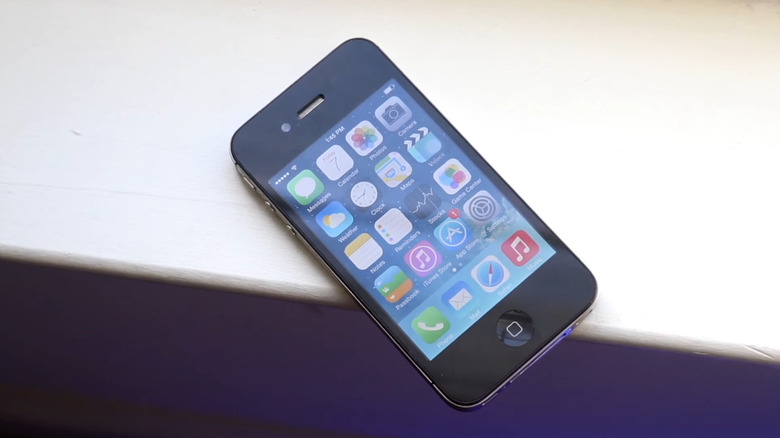
We want to stress again that just because a device has become obsolete and stopped receiving feature updates doesn't mean it's completely unusable. Proof of that is the iPhone 4 and iPhone 5 released in 2010 and 2012. They both received their final updates in 2014 and 2019, with iOS 7 and iOS 10 — iOS 10 got its final update in 2019. For most people, these phones would be way too old to tolerably use, even if you could get updated versions of the apps you need to run on them. But surprisingly, Apple did not retire them until 2026.
The 4 and 5 are now officially obsolete. If you are still somehow rocking one of these in the current year, it would take a miracle to install apps and get it repaired. Further, security experts advise against using them. Save these phones for vintage collection purposes, not for a daily driver.
iPhone 17 Pro and Pro Max
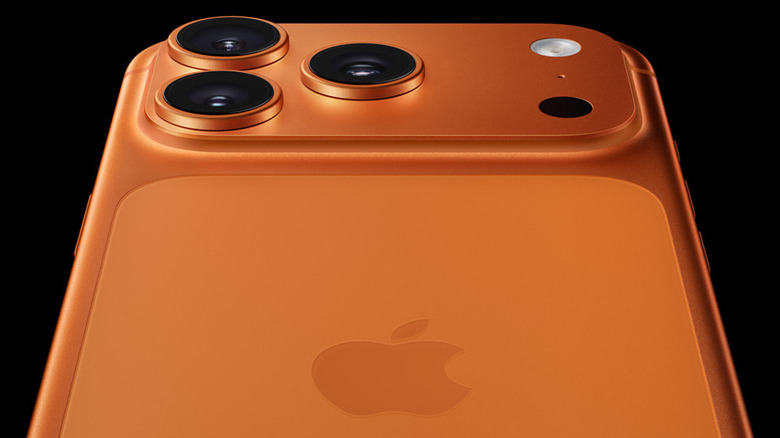
It may come as a complete shock to some that the iPhone 17 Pro and 17 Pro Max — phones that just released last year in 2025 — are on the chopping block somehow. You see, Apple takes any chance it gets to encourage you to spend more money, and one of the ways it does this is by making it impossible to buy last-gen Pro versions of its iPhones as soon as the latest Pro version releases. In the fall of 2026, you will no longer be able to buy the 17 Pro and Pro Max, brand-new, from Apple.
In 2025 when the 17 Pro series appeared on shelves, the 16 Pro series disappeared. The same thing happened with the 15 Pro the year before that. And the 14 Pro the year before that. You get the idea. This is made more frustrating by the fact that (if rumors prove to be true) Apple will now only release Pro iPhones in the fall and save the more affordable baseline iPhones and iPhone e for the spring of the following year.
AirPods Max 1
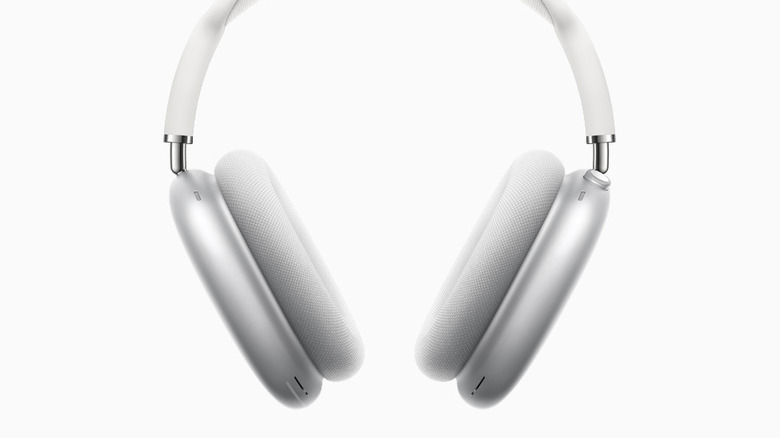
The first-gen AirPods Max originally came out in 2020, receiving only a minor update (USB-C in place of Lightning and some new colors) in 2024. Reviews were mostly positive, but even its users (myself included) admitted the device was in dire need of an overhaul to fix a handful of annoying issues and design choices. In 2026 Apple finally unveiled the AirPods Max 2, but this was only to give it the latest and greatest H2 chip and wired sound support. That was basically it, though the price stayed the same.
Now, you can no longer buy the AirPods Max brand-new from Apple. Firmware-wise, the original AirPods Max had been lagging behind in updates for some time already, with the Lightning version in particular two major firmware versions behind. If you can find a first generation pair for a good discount and you're okay with its limitations, go for it. Just be aware you're going to miss out on all H2 chip-exclusive features.
iPad (11th generation) and iPad mini 7
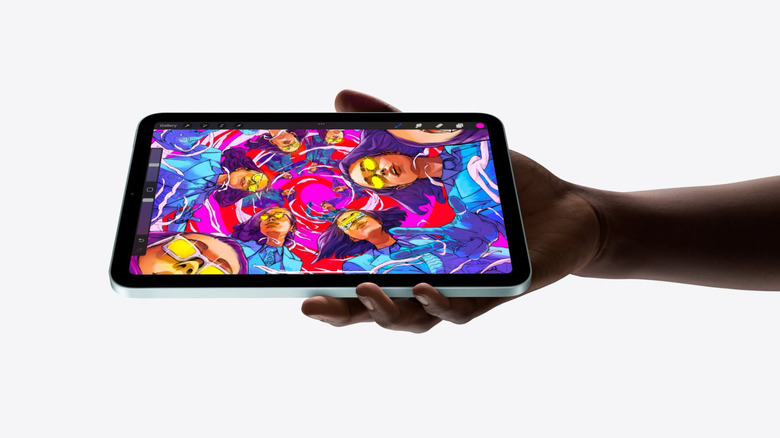
For those who are looking for something even cheaper than the iPad Pro and iPad Air, there exists the baseline iPad and the smaller but more expensive iPad Mini. The iPad 11th generation released in 2025 and the iPad Mini 7 released in 2024. They're great tablets and support the latest version of iPadOS. You can't go wrong buying either. However, the rumor mill is churning, suggesting that both may be replaced in 2026 — so if you had your eye on a new iPad, it might be best to wait.
This is the only instance where we have no hard evidence, only rumors, to back up our contention. These rumors seem to be stronger than previous internal murmurings because code leaks have pointed to new versions with upgraded chips. Aside from the obvious spec bump, this would bring the iPad into the fold of Apple Intelligence and the iPad Mini would get an OLED screen. We'll have to wait and see. It's possible one or both could show up in 2027 instead, but all indicators point toward an imminent release.