

These Smartphones Will No Longer Get Updates Or Support In 2026
Every year, fewer and fewer people are upgrading their phones to a newer model. The reasons are obvious. Phones last much longer than they used to, and newer phones don't exactly scream "you should spend hundreds of dollars on me to replace something that already works." With wages stagnant and a RAM crisis making tech unnecessarily expensive, who would? Luckily, major manufacturers like Samsung, Google, and Apple have all pledged upwards of seven years of updates for their flagship phones. Nonetheless, your phone will eventually stop getting feature and security updates, and in 2026, there's a long list of them being cut off.
Our list is by no means comprehensive, since there are too many phone brands and models to realistically fit into one article. Further, some of these phones are no longer getting feature updates but are still receiving security updates, while others are losing all feature and security updates completely. Pay attention to this distinction; a device that's still getting security updates should be fully usable.
Also note that some of the phones on this list lost support in 2025, while others are losing it in 2026. If your phone is on this list, it might be a hint that you need to upgrade. Otherwise, there may be options for you if you're loathe to part with it.
Samsung Galaxy S21 lineup
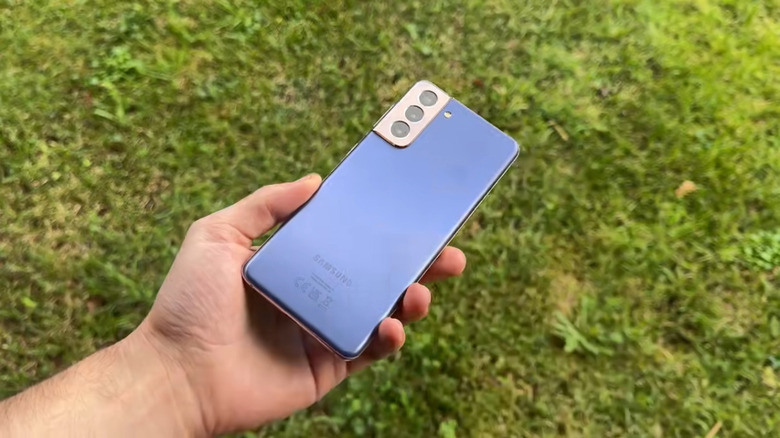
Samsung's Galaxy S21 phones came about during the pandemic in 2021, and already, they're losing support; a stark reminder of how the pandemic really warped our perception of time. These phones arrived before Samsung's seven-year update pledge, so they fulfilled the promised four-year feature update cycle that Samsung had at the time. After those feature updates were over, the S21s geared down from frequent monthly security updates to quarterly updates in 2025. Now, at the outset of 2026, they've been thoroughly retired. Check Samsung's security update list and you'll no longer find the S21 series for either monthly or quarterly security updates.
There's one small exception: the Galaxy S21 FE. This might seem strange since the Galaxy S21 FE (or "Fan Edition") is meant to be a cheaper alternative to Samsung's flagships. However, this is only because it was released in January 2022, a full year after the main S21 family in 2021 — so FE owners, consider this an early warning.
We do not recommend continuing to use a Galaxy S21 phone since you're no longer protected from security vulnerabilities, although in some rare situations Samsung will issue a one-time patch for its obsolete devices to fix a pressing security vulnerability. The same goes for other obsolete devices on this list; stick around to the end for suggestions on what to do with your S21 device. One last fun fact about the S21: Stuart Hughes released a gold-plated Samsung Galaxy S21 for the low, low price of almost $10,000. So if you own one of those, at least you can melt it down and get enough cash for a new phone.
Samsung Galaxy Z Fold 3 and Galaxy Z Flip 3
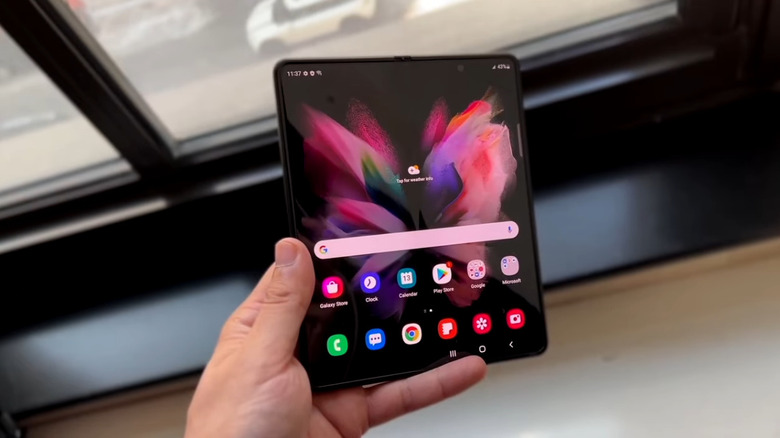
Samsung makes a lot of phones, so buckle in. The next phones on our list include some of Samsung's folding varieties, namely the Samsung Galaxy Z Fold 3 and the Galaxy Z Flip 3. Both arrived in late 2021. We gave both the Galaxy Z Fold 3 and the Galaxy Z Flip 3 an 8/10 for being good devices, though expensive and compromised.
You can still continue to use your Galaxy Z Fold 3 or Galaxy Z Flip 3, but know that their time is coming to a close; both have been relegated from the monthly to the quarterly security update scheme, meaning they're on their last legs. These devices will most likely be removed entirely in August 2026.
It's quite a shame that such expensive devices have to be put out to pasture alongside traditional candy bar flagships released at the same time. People who buy folding phones are buying into a still fairly niche market, paying a fortune to effectively help Samsung beta-test folding technology to refine it for a future where it becomes more widespread and affordable. We'd hope the tech giant would reward intrepid users who pay such a price with longer-term security updates, but alas, this is not the case. However, those who buy the newest Samsung Galaxy Z Fold 7 are entitled to seven years of updates.
Samsung Note 20 lineup
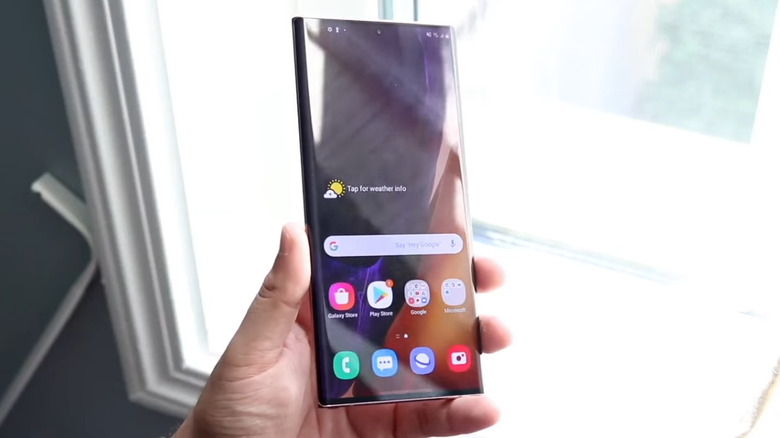
We got the Samsung Note 20 and Note 20 Ultra near the tail end of 2020. Chris Davies gave the Note 20 Ultra an 8/10. Although generally decent phones all around, there was some weirdness going on. Note 20 teardowns revealed some puzzling changes in the engineering of the phone. Then there was the strange backtracking Samsung did in 2023 when it promised to upgrade the Note 20s to One UI 6.0 with Android 14, but then did a switcheroo and told users that this had been a misunderstanding. Since 2023, the devices have been on the typical downward spiral of monthly, then quarterly, security updates.
Samsung officially dug the grave for the Samsung Note 20 in late 2025. You'll not find the Note 20 lineup for monthly or quarterly security updates on its official list. So if you're still using this phone, we highly recommend upgrading. The longer you use it, the more vulnerable it likely becomes to security exploits.
To add insult to injury — assuming you were a fan of the Note lineup — the Note lineup is no more. Samsung discontinued it after the Note 20 due to a variety of factors. The closest analog is now the Galaxy S Ultra series.
Multiple Samsung Galaxy budget and midrange phones
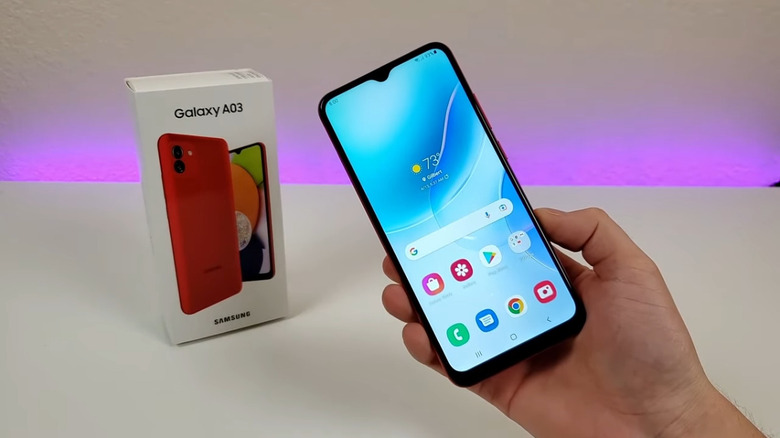
One great thing about Samsung is that it manufactures a wide variety of phones for basically every budget out there. The downside is that there's a huge list of models with, frankly, confusing names that make it a bit hard to tell them apart. If you own a budget or midrange Samsung Galaxy phone, yours may be on the chopping block.
This includes the series of Galaxy phones made primarily in 2021: the A03, A22, A52, F22, F42, M32, and M42. All are finished with feature updates. The last feature update for these was Android 13 and Samsung's One UI 5/5.1; the only exception is the Galaxy A52, which got updated to Android 14 and One UI 6.1. However, they were previously still receiving security updates. That's now over. Every single one of these models is officially obsolete, so none of them are receiving security updates of any kind. Please consider upgrading if possible.
There's one separate model released in 2022 — the Galaxy A13 — which received its last update to Android 14 and One UI 6.1. Owners of the 2022 A13, you're in luck; it's still currently getting quarterly security updates. We expect this to end later in 2026 when the A13 is formally knocked off the security roster.
iPhone SE
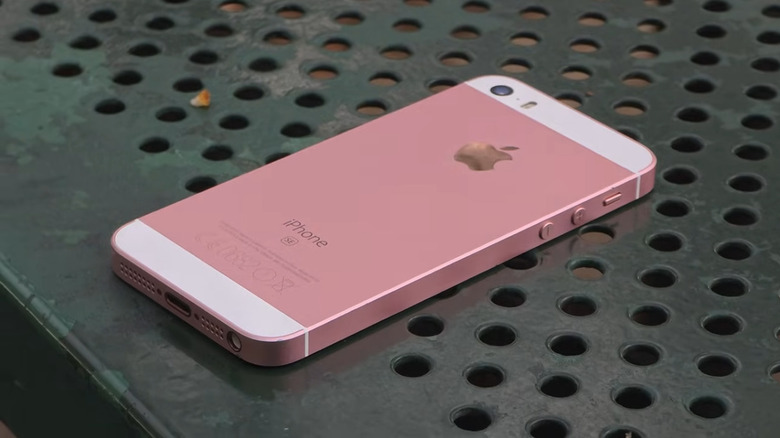
Apple is not big on making budget products per se, but it did produce the fan-favorite iPhone SE starting in 2016. That's a decade ago at the time of writing, but surprisingly, the SE only gave up the ghost (software update-wise) in late 2025. If you're somehow still rocking this phone in 2026, we have to applaud you, but now you really ought to shelve it and get a new one. It's obsolete, and to understand what obsolete means in Apple's terms, let's look at how it classifies its phones.
Apple has three support categories: supported, vintage, and obsolete. Apple says that phones become vintage once they turn five years old (measured by their first sale date) and obsolete once they pass the seven-year mark. Vintage phones do get the rare security update, but usually only in extreme cases with a serious vulnerability. These phones also have official repair options, limited though they may be. So, the SE spent a surprising amount of time in the vintage category before officially being stricken off the list.
Once a phone gets to the obsolete stage, though, it's all over. The iPhone SE is now effectively dead. Apple will not do any repairs for it, nor update its software in any way. We have to hand it to Apple for supporting this phone for as long as it did; vanishingly few devices of any kind get a near-decade of support. Apple doesn't make any SE phones anymore, but the iPhone 16e is a somewhat pricier spiritual successor.
Multiple midrange and flagship iPhone models
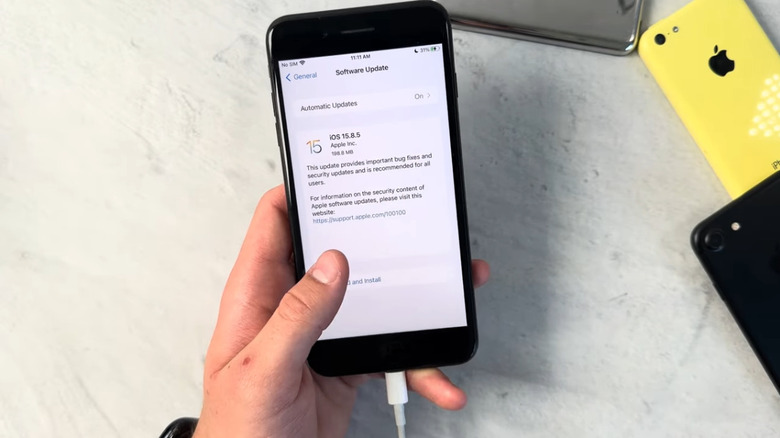
Speaking of vintage iPhones, there are others besides the budget SE that have now been downgraded to vintage status, i.e., limited repairs and security updates. In early 2025, the iPhone 7 Plus and iPhone 8 (the 64GB and 256GB storage options, specifically) dropped to vintage status; the 128GB model is also now vintage. Shortly after, the iPhone XS joined them as vintage, confusingly after the XS Max, which released the same year but got retired earlier. Then came the iPhone 11 Pro Max and, afterwards, the iPhone 11 Pro.
Again, these all fall into the vintage category. Not obsolete. You may still get the occasional software update, but don't count on it. Installing apps may be difficult, since a lot of apps will stop supporting older iOS versions. Also prepare for repairs to be somewhat more challenging. These phones are effectively teed up to be dropped to obsolete status in the coming years, so you may want to begin budgeting for a replacement.
We recommend checking Apple's official list of vintage and obsolete products if you have an older device not mentioned here. The five- or seven-year schedule doesn't appear to be a hard rule, more of a guideline; the iPhone 11 Pro Max and 11 Pro may be vintage, but not the iPhone 11 released at the same time.
Pixel 6 lineup
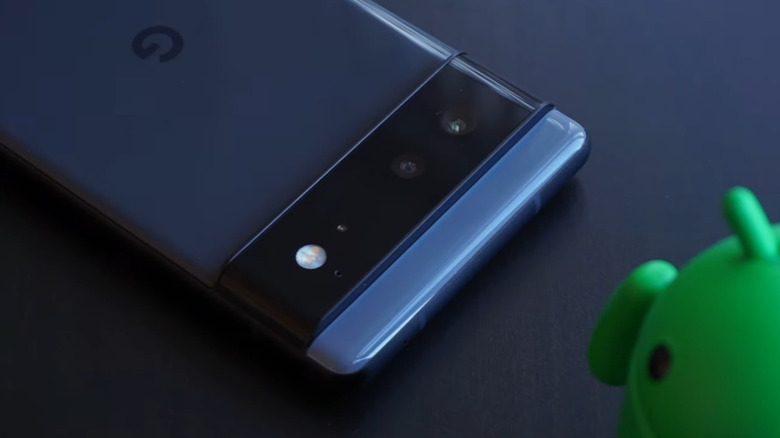
Google Pixel phones have always been some of the most innovative hardware on the smartphone scene, but the brand really changed the game with the Google Pixel 6 in 2021. It had, in my opinion, the best camera at the time and introduced a bevy of AI features, like Magic Eraser to Thanos-snap photobombers from your backgrounds. Pixels since then have been leading the charge with on-device AI features that are actually useful, a trend that continues with the most recent Google Pixel 10. Sadly, though, the Pixel 6 and Pixel 6 Pro arrived a little too early to be included in Google's seven-year update promise.
Fortunately, Google is very clear about how long the Pixel 6 gets support. Pixel 6 owners were entitled to five years of support; according to Google, this isn't just security updates, but also the possibility of future Pixel Drops with the latest AI features — though Google says they "may" get them. Don't get your hopes up, because this has proven to be incredibly variable, with Google selectively deciding which models get which features seemingly at random.
For some strange reason, Google doesn't just outright say when support will end for the Pixel 6 and 6 Pro. Instead, it makes you do the math based on their date of first availability. That means that the Pixel 6 and 6 Pro, which released in October 2021, complete their five years in October 2026. The Pixel 6a released in July 2022, so Pixel 6a owners should get another year of updates.
Many Motorola phones
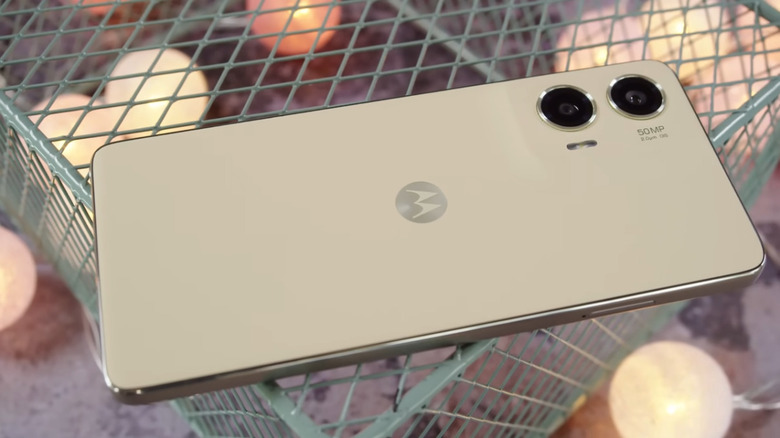
Motorola has been around for a long time and still manages to compete in the smartphone game. Its 2025 Moto G Stylus got a 7/10 from us — not amazing, but good enough. People should always have options outside the three main smartphone manufacturers. There's a long list of Motorola phones that have lost or will lose support. So pay attention, Motorola users, and buckle in.
Multiple phones released in 2022, 2023, and 2024 have already lost support. The Motorola G04, Moto G13, Moto G23, Moto G53, Moto G72, Moto G73, Moto E13, Moto C32, Moto C62, 2023 Moto G Play, 2022 Razr, Edge 30 Neo, and Edge 30 Fusion all lost support in 2025 or 2026. We recommend replacing these phones ASAP if you have one of them.
The above items are kaput, but there's still a fairly large list that's currently supported and on track to lose support in 2026 as well. In no particular order, that includes the Moto E13, Moto E14, Moto E15, Moto G05, Moto G14, Moto G15, Moto G15 Power, Moto G45, Moto G53, Moto G53j 5G, Moto G53s 5G, Moto G53y 5G, Moto G84, 2023 Edge, Moto G, Moto G Stylus, Moto G Stylus 5G, Moto G Power 5G, 2022 Edge, and Edge 30 Ultra. You can find direct links to Motorola's official support pages with end-of-support dates, graciously gathered by endoflife.date here.
OnePlus 9 and 10
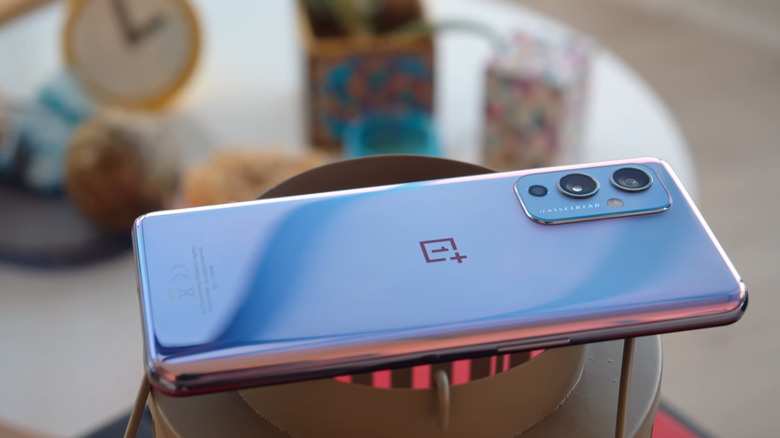
OnePlus is an interesting company, to say the least. It started out as a "flagship killer" brand, selling cutting-edge specs for a fraction of what its competition was charging. Since then, though, the prices have crept steadily upward until OnePlus was just a flagship brand, sans killer. Its latest OnePlus 15 is arguably an excellent phone, to be fair. If you're a OnePlus 9 or 9 Pro owner, however, your device lost official Android update support in 2024 after three years of updates and got another year of security patches until 2025. So as of 2026, these devices are completely unsupported. Replace them ASAP.
OnePlus 10 Pro users got lucky when OnePlus gave them an extra Android 16 upgrade on the house, but that will be the last one. Your OnePlus 10 Pro receives only security updates from here on out, presumably ending in early 2027. Newer phones were all promised four years of updates, so the OnePlus Open and onward all enjoy this extra year of feature upgrades.
Unfortunately, we do have to put one big asterisk on everything we've said. OnePlus's future is looking shaky. Rumors have been doing the rounds that OnePlus is getting shuttered after the sudden cancellation of future product releases, though OnePlus promises that this isn't the case. We can't say anything definitively, but this does make one question whether its phones will actually get their promised four years of updates in the event the rumors prove true.
All LG phones
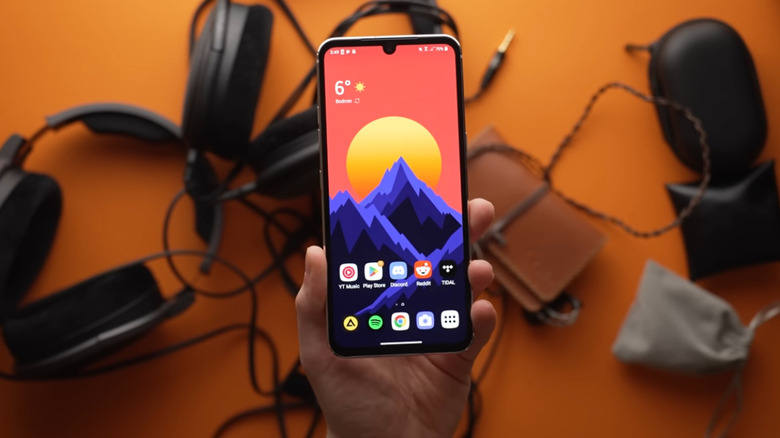
Remember LG? It's still kicking with its electronics and home appliances, but you probably haven't seen Marques Brownlee reviewing any of its smartphones for a hot minute. That's because LG exited the market in 2021, presumably because sales just weren't good enough — even if the company never admitted as much. So you still might have an LG smartphone that's working just fine. Unfortunately — regardless of which model you have — it behooves you to replace it immediately because all support dried up in 2025. To LG's credit, it didn't leave its customers hanging and continued software updates, customer support, and repairs despite its total cessation of production. That's all over now, and using any LG phone, regardless of model, is a security risk.
We'd argue the situation here is a bit more dire than with other smartphone manufacturers. As we've previously established, some companies (like Apple) will provide the occasional, vital security patch for phones that have long since stopped receiving feature updates. But that couldn't happen here, as LG has kiboshed the entire operation. If you have an LG phone and are curious about what your options are officially, then please check LG's FAQ on its mobile phones.
Should you keep using a phone without security updates?
It's a really, really, really bad idea to use a phone that doesn't receive security updates, especially if this is a phone where you store your passwords, use finance apps, and/or keep sensitive documents. In short, any activity you wouldn't want a hacker to get ahold of. Devices that are obsolete are low-hanging fruit for hackers, who intentionally seek out devices — like those mentioned above — that are officially unsupported. No security updates means no cybersecurity teams caulking holes, and so if a hacker can find a flaw in the code, nothing stands in the way of them owning you.
If you can afford it, we urge you to find a budget-friendly smartphone that's still getting security updates. You'd be surprised how many phones you can find below $500; options like the Nothing Phone 3A effectively give you a flagship device for only about $300. Think of it in terms of how much money you stand to lose if you get hacked. $500 for a new phone at the end of the day is probably going to be cheaper.
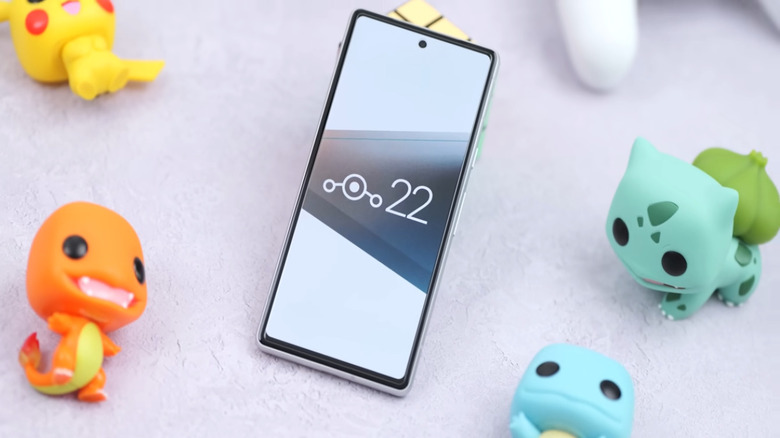
If you can't bear to part with the device, then there are still options. Plenty of uses exist for old Android phones, some of which don't necessarily require a secure, supported device. If you're hell-bent on continuing to use that obsolete device as your main smartphone, though, then we cannot recommend enough installing LineageOS. LineageOS is a privacy-first Android distribution that goes to almost absurd lengths to support obsolete and legacy devices. You wouldn't believe how old some of LineageOS's supported phones are; the original Google Pixel, released in October 2016, has LineageOS support up to Android 15, for example.