

12 Things You Should Never Store In Your Toolbox
We may receive a commission on purchases made from links.
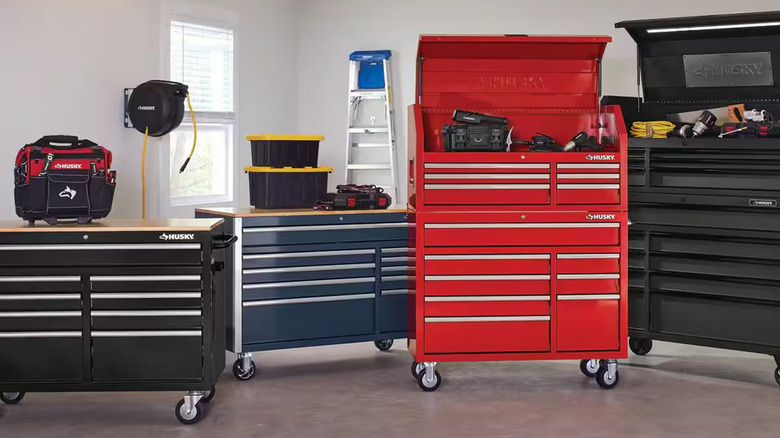
Humans have been storing tools in boxes almost as long as tools have existed. It wasn't until the early 1900s that the first modern toolboxes began to be used, and today, they're a staple in garages and truck beds all over the world. There are a variety of options available from a number of big toolbox brands. They come in all shapes and sizes, and some can even stack to save space. People use these for hobbies in their garage or tucked into work trucks and vans for work. In short, there are toolboxes everywhere.
Since there are so many and they've been around for so long, it's only natural that some bad habits exist. These storage devices can be quite pricey, yet people will stuff all sorts of things in there that maybe shouldn't be. In most cases, bending the unwritten rules a little bit is no big deal, but you can ruin your toolbox and your tools if you go too far. I received my first toolbox several years ago, and I've certainly learned over the years what I should and shouldn't be putting in it.
If you're thinking about cleaning up and reorganizing your toolbox, here are a dozen things you should consider removing, either for the sake of safety, avoiding needless messes, or just cleaning up general clutter.
Wet stuff
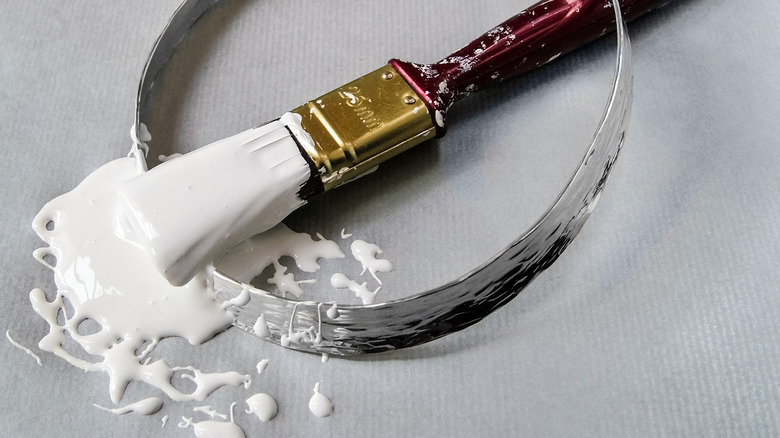
The first, and arguably most obvious, thing to avoid putting into toolboxes is wet stuff. This can include a bunch of different things, from recently used paintbrushes to lengths of hose and things like power washer heads. They can also include cleaning items like clothes, brushes, or sponges. These might get tossed into a toolbox to clean up the general space, but leaving wet items in dark, enclosed spaces for extended periods of time is definitely not a good idea.
Reason number one for this is mold. Mold grows in dark, wet places, and if you put something wet into your toolbox, it becomes a dark, wet place. This isn't unique to toolboxes, either, as improperly stored and cleaned camera lenses can also grow mold and other fungi. It's probably okay to toss something still wet from the jobsite if your only goal is to transport it home and then remove it, but if you're tossing a recently used sponge into your toolbox for long-term storage, you may open it later to a petri dish of microorganisms.
The other potential problem is rust. Toolboxes tend to be made of metal, and as many already know, metal and moisture don't mix terribly well, even with a protective coating. In short, dry your items or find somewhere else to store them.
Food

It's not uncommon for workers to put their lunches in their toolboxes. In general, this is probably okay since it's only in there for a couple of hours. However, it is probably not a good idea to store food in there for the long term. Most people will probably never toss a bare sandwich into a toolbox, so that's not really the concern. The concern is tossing a bag or sealed container of food in with a bunch of potentially sharp metal implements, which may puncture the container and cause a leak. That's when things start to get bad.
As Mallory Archer once said, "Do you want ants? Because that's how you get ants." Sterling Archer is right. If you have a food spill problem, your toolbox is not airtight, and it's often probably kept out of the main house, where it can attract bugs and vermin seeking out the food lying bare in your toolbox. Plus, toolboxes aren't made from food-safe materials, so they're not necessarily designed to store food for long periods.
In everyone's defense, tossing a mini Snickers in there or using it as a lunchbox probably won't cause any long-term damage, even if it contributes to clutter. Long-term storage is inarguably a bad idea, though, and will make it harder to keep a toolbox clean.
Medicine

Toolboxes are also poor storage containers for medicine, yet many people do it. Usually it's for simple stuff, like the occasional Tylenol for a headache or some Neosporin for a cut. In general, you're not going to wreck your whole toolbox by having these sorts of items in it, but it's another case of using a toolbox outside of its intended purposes, which may actually damage the medicine more than the toolbox itself.
The big reason is due to temperature. Most medications need to be stored at room temperature (around 59 to 77 degrees Fahrenheit) to maintain their maximum effectiveness over the long term. Toolboxes often live outside or in vehicles, where temperatures can fluctuate wildly. In Arizona, people have baked cookies in their car before, and in the north, temperatures can easily get below zero-degrees Fahrenheit multiple times a year. This is not an environment to store medicine. It'll go bad very quickly.
There are two exceptions to this. Smaller locking toolboxes can make for good medicine storage if used indoors, as the locking mechanism keeps kids and strangers out while giving you plenty of space if you take a lot of meds. You can also toss old prescription bottles into your toolbox to hold things like washers, nuts, or other loose nonsense for the sake of organization.
Junk drawer items
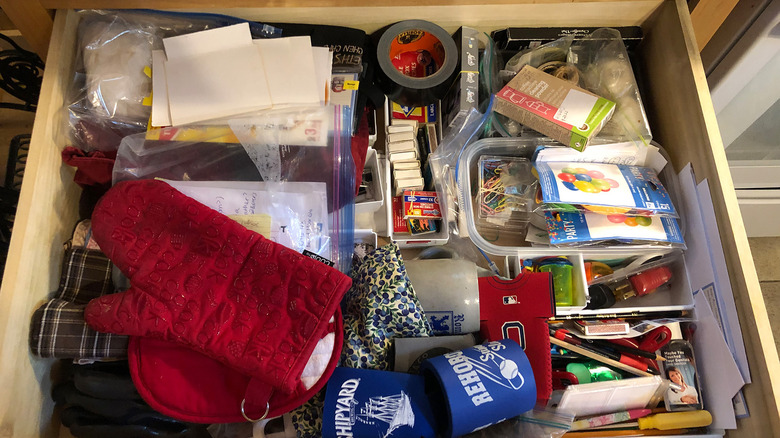
Of all the items on this list, this is the one I am personally most guilty of doing. Toolboxes are essentially a giant box with a lot of drawers, and so it's easy to toss something in there under the premise that you'll probably use it later. Then, a year later, you open it again and can't remember where it came from, what it was for, or what you planned to do with it. This can build up over time, leading to a messy, disorganized toolbox.
You can mitigate the problem by buying organizers for your toolbox, but it's also just as easy to clean that stuff out now and then. Toolboxes are mostly for tool storage, but once you toss a lot of junk in there, it basically becomes a junk drawer with a few tools rather than a toolbox with a little junk. The clutter can make it hard to find what you're looking for, and the various nonsense creates an overall mess that can make your toolbox frustrating to use.
The good news is that it's not particularly dangerous to do. You won't ruin a toolbox by tossing koozies in there. However, if not kept in check, you may spend more time looking for the tool you need than actually fixing things.
Loose, sharp, or otherwise dangerous items
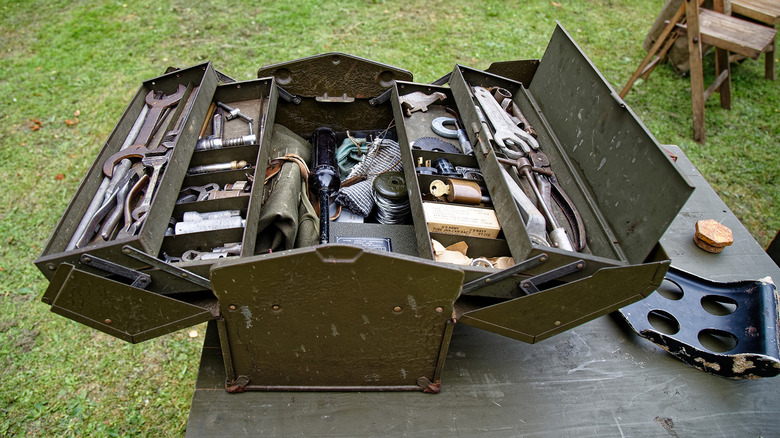
Clutter can actually be occasionally dangerous, especially if the wrong things get stored in your toolbox. In some cases, it may be caused by interactions between things that you didn't even know were dangerous. For example, super glue and cotton can be mixed together to create something as hard as plastic. However, that reaction also causes heat, which can cause a fire. Therefore, it's not a good idea to keep your cotton in the same drawer as your super glue, as the reaction may cause your toolbox to catch on fire.
This type of stuff should be generally avoided. Some other examples include razor blades, knives, scalpels, box cutters with the blade extended, and other small, sharp objects that might cut you while you're rummaging around. Almost all of these items have separate, smaller containers that don't cost a lot, which can save you a tetanus shot. I am also guilty of this to an extent. I've never cut myself on sharp objects in my toolbox, but I've had a few close calls.
Loose, sharp, or otherwise dangerous items can be kept in a toolbox, but make sure to store them responsibly. Keep any chemicals away from each other, and maybe take an afternoon to Google them to make sure they don't interact in a harmful way.
Broken stuff
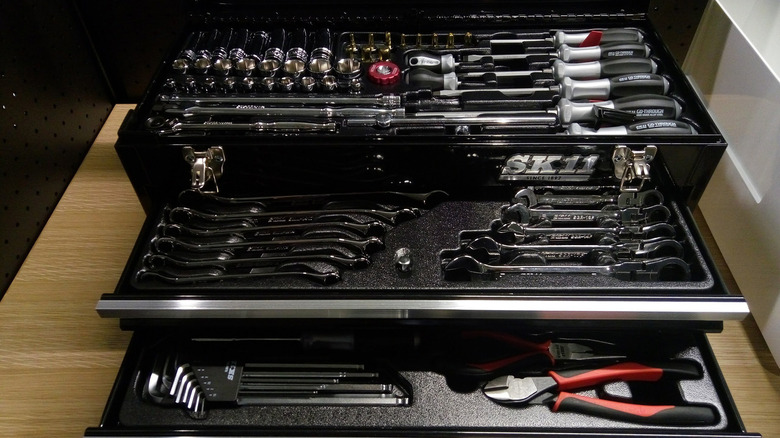
This one errs on the side of common sense, but broken stuff has no place in a toolbox. This can include a broken tool you don't have the heart to throw away, or a small item you intend to fix eventually that got forgotten and is just sitting there, taking up space. The examples are numerous and are heavily dependent on what kind of stuff you keep in your toolbox to begin with.
The biggest reason is due to clutter. Broken stuff serves no functional purpose, so it's just another thing you have to push to the side to get to the stuff you actually want. Just like any other junk, too much clutter can make your toolbox a hassle to use, and broken objects can be sharp or otherwise dangerous. It's good etiquette to clean out your toolbox periodically and dispose of these items before they become a nuisance.
There are a few exceptions to this rule, however. One good example is a broken flathead screwdriver. We've all done it before, using a screwdriver as a pry bar to avoid finding something that would actually work as a pry bar. However, that can irreparably bend even a really good screwdriver, so keeping one in your toolbox specifically for that purpose means you won't break your good screwdriver.
Things that can melt, leak, or rupture
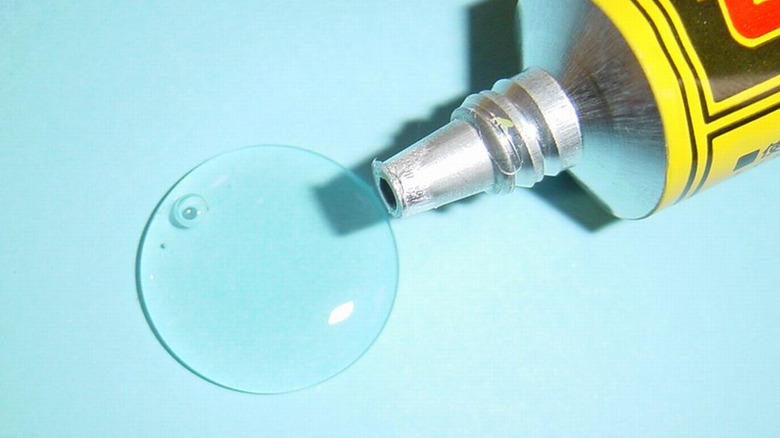
One of the worst experiences with a toolbox is opening a drawer to find a giant mess waiting for you. This almost exclusively happens because something was left in there that could rupture, melt, or otherwise leak. This can include adhesives, solder flux, wax-based products, grease pencils, lumber crayons, open paint cans, batteries, and similar items. It's not a guarantee that anything bad will happen, but goodness is it obnoxious to clean if something does spill.
I was able to find examples online of most of the above items somehow wrecking a toolbox. In one example, a bottle of flux was left in a toolbox in a car and ruptured due to the heat. Another person left a bottle of super glue in a cabinet in their garage in the Arizona summer, and it essentially boiled out of the bottle and left a huge mess. Leaving such items in a toolbox in a temperate climate may not be so bad, but if you live where it gets really hot (or really cold), you may want to be more careful with storing these sorts of items.
The one exception seems to be various types of tape, which people consistently recommend storing in toolboxes, though my electrical tape often sticks together when it's hot outside.
Fuels, solvents, and other flammable liquids
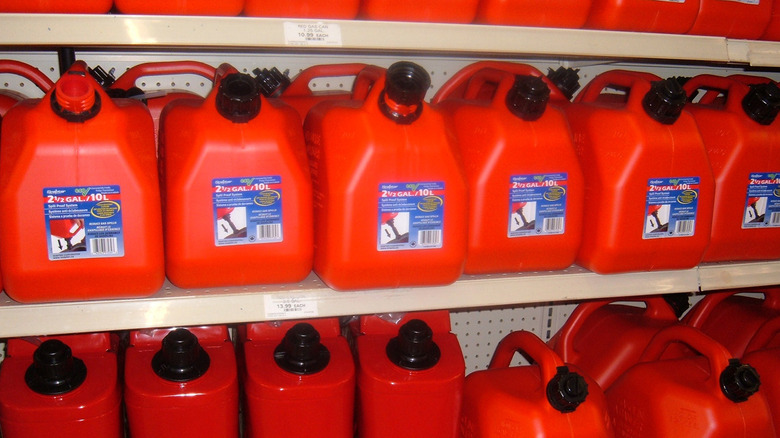
Storing solvents, fuels, and other flammable liquids in your toolbox is generally considered a bad move. The reasons for this vary, ranging from the potential to start fires to causing actual damage to your toolbox, but they tend to apply to any harsher chemical. A good example is WD-40. Many folks use it to clean the rust off old tools, which works out pretty well. That same WD-40 can also damage plastic and rubber, and most toolboxes have that in abundance. That means a WD-40 spill can cause damage to your toolbox.
These liquids can pose quite a bit of danger if you're not careful with them. In addition to being fire hazards, the fumes are also potentially harmful, especially in higher doses. Thus, most safety organizations recommend special storage containers and compartments for such items, most of which are available to buy online. These containers are designed in such a way to direct spills away from containers, include adjustable feet for uneven surfaces, and include self-closing cabinets, which are required in some states.
This one is a gray area, as WD-40 is frequently stored in a toolbox. It won't necessarily cause any problems, but you may want to be careful if storing your stuff in a hot car or in a hot climate, as ruptures can happen, which can cause damage.
Duplicate items
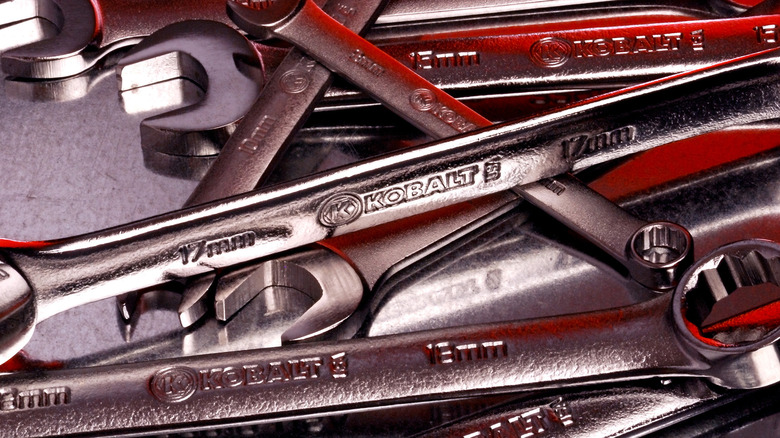
Toolboxes are made to store tools, but there is such a thing as too many tools. One good example of this is duplicates. This happens to the best of us, and it's happened to me. You go out, buy a wrench for a specific job, and then later, your in-laws gift you a really nice wrench set. Well, now you have two 11-millimeter wrenches, and you really only need one. The solution is obvious: remove one of them.
It can sometimes feel like a comedy routine, looking for something and pulling the same tool twice. It probably doesn't matter that much if it's only one or two tools, but over the years, it's pretty easy to build up a collection of duplicates that you don't really need. These can cause clutter and frustration as you wade through all of your copies to find the one you really want. The good news is that it's not dangerous, so there's no physical harm in doing it, just mental harm in the form of seeing a drawer full of wrenches and knowing that most of them are duplicates.
If you do decide to remove your duplicates, it'd be wasteful to throw them away. A secondary storage toolbox would be best, or giving it to someone who lacks an economy of tools.
One-off or otherwise niche tools
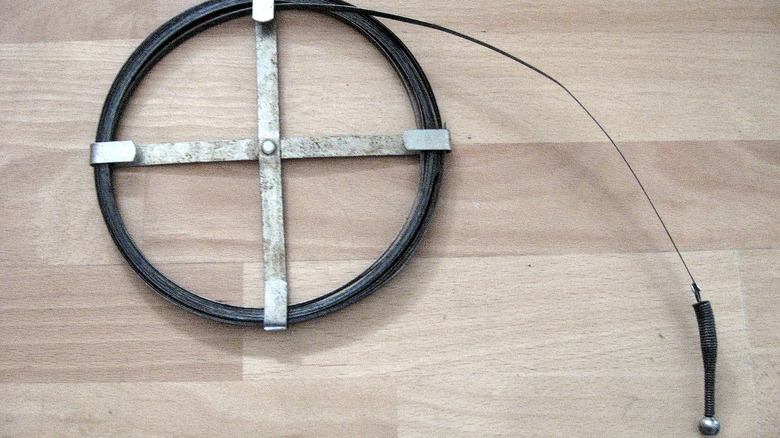
Your toolbox is a place you usually root through when you need a tool you use frequently. Stuffing it to the gills with a tool you don't necessarily need very often may not be the best way to go if you want to avoid clutter. This is situational, as everyone's tool needs are different. In my case, I have to work on my plumbing maybe once every two or three years, so plumbing-specific tools aren't something I need to keep in my toolbox since I virtually never use them.
This can apply to any number of tools, including one-off tools you bought to fix a specific problem, specialty tools you don't use often, or craft tools for a hobby you no longer engage with. It's silly for me to put a drain snake in my toolbox when I could use that space for a good multimeter, which I use way more often. Over the last few years, in general, most of my tool use has been for my lawnmower and general stuff like helping my brother replace spark plugs, so those are the tools I keep in my toolbox.
There is no list of tools you shouldn't keep in your toolbox, but if you find you have a lot of stuff that you don't commonly use, consider moving them to long-term storage instead.
Things you simply don't use
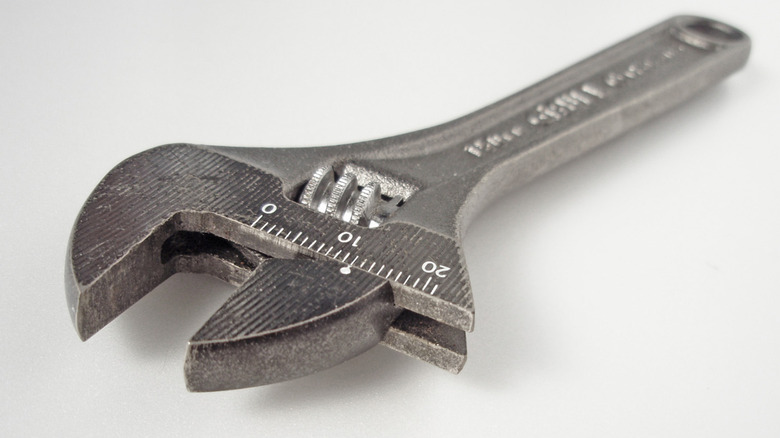
In the same vein as niche tools and broken products, it's probably a good idea to remove stuff from your toolbox that you never use. There is such a thing as overpreparing, and there are literally hundreds of posts on Reddit from people who ask other people what kind of tools they should put in a toolbox. The thing is, everyone's needs are different. Mechanics use different tools than woodworkers, and both use different tools from electricians. While there is probably a standard set of home-improvement tools everyone should have, once you reach out beyond that, you'll probably wind up with tools you don't actually need.
This can introduce clutter, and clutter is bad for toolboxes. In my case, I have a screen door rolling tool that I have used exactly one time after my dogs crashed through my screen door. I can probably put that tool somewhere for long-term storage instead of in my toolbox, and then use the space for something I actually use, like my socket set or my Dremel and its various bits, which I use all the time.
There is no shame in having a secondary toolbox or a space for long-term tool storage you don't use. We all have a favorite adjustable wrench; there's no need for four more in there.
Important personal items
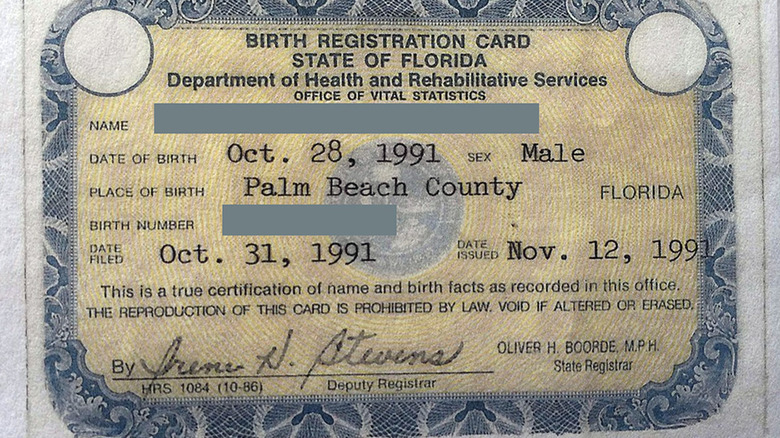
This is far less common, but I've still run across it in my research. Some people put a variety of personal documents in their toolboxes for whatever reason. This can include store receipts, ID badges, and other work-related items. These things should probably be stored in their own space, away from tools, and for multiple reasons. Thieves rarely look for access badges to construction sites when they're stealing tools from someone's truck.
There are other reasons as well. Tools are usually heavy and made of metal, which doesn't bode well for paper products of any kind. I've had debit cards stop working due to damage to the magnetic strip, and having a bunch of screwdrivers bouncing off something made of paper or plastic will inevitably destroy it. I didn't see any evidence that people store super-personal documents like birth certificates or Social Security cards in their toolboxes, but if you do, you should remove them immediately.
With that said, toolboxes can make for good document storage if used indoors. Some people even buy toolboxes specifically for this purpose, and then keep them in an office inside the house instead of the garage. Since many have locks, it can work out that way, but don't take those toolboxes with you to a jobsite.