

12 Cheap Cars That Are Still Reliable After Hitting 200,000 Miles
It's no secret that cars are expensive; the average price for a new car surged north of $50,000 for the first time in American history at the tail end of last year. That figure has since dipped a bit, but there's no denying the gravity of the financial expense required to own a car. The picture doesn't get much better if you're shopping in the pre-owned market either; the average used car cost just over $26,000 as of January.
And while buying the car itself may be the biggest financial commitment, we all know how costly maintenance can be. In the current climate of automobile engineering, where reliability dipped to its lowest level since 2022 in JD Power's Vehicle Dependability Study, that extra cost is even more important. Generally speaking, you want a car that won't cost an arm and a leg and won't cause you problems in the long run.
We cover 12 such cars — models that are comparatively cheaper than their peers (or the average car price), have reasonably priced repairs if you need them over a 10-year lifespan, and that give you the best shot of hitting the 200,000-mile mark.
Toyota Corolla
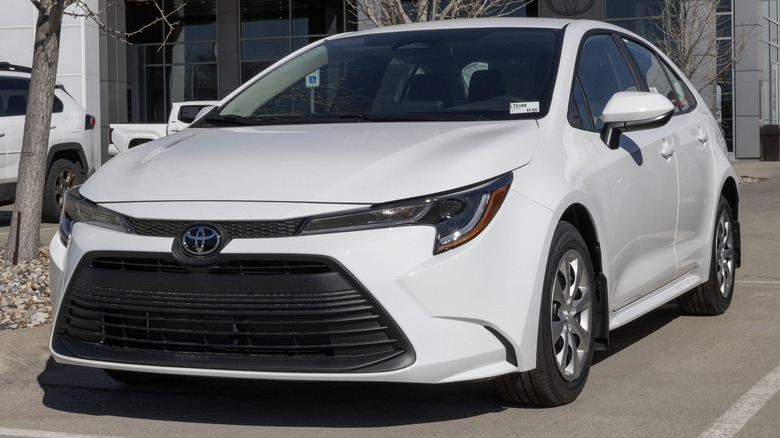
When it comes to reliability, Toyota is one of the best car brands. It placed second on our list of the most reliable car brands you can buy, just behind its sister brand Lexus. On top of that, unless you're going for a top-of-the-line full-size SUV like the Land Cruiser, Toyota cars are generally affordable. As the best-selling nameplate of all time with over 50 million units sold over the years, the Corolla is no exception to that rule.
A 2026 model will set you back $23,125 for the base trim, with the most exclusive package, the hybrid XLE, priced at $29,340. That's around 45% less than you'd shell out on average for a new car in today's market. As is custom for the Corolla brand, fuel efficiency is a main selling point: EPA estimates have the gas-powered trims at 35 mpg combined.
Besides fuel economy, the Corolla is one of the cheapest cars to maintain. According to RepairPal, you can expect to spend $362 on annual maintenance. CarEdge has a slightly more expensive estimate at $4,434 over 10 years, but there's only a 12% chance it'll need a major repair in that timeframe. With these numbers, depending on the trim you go for, there's a good chance your total spending might not cross $30,000 over 10 years — and some drivers report getting north of 300,000 miles, too.
Toyota Camry
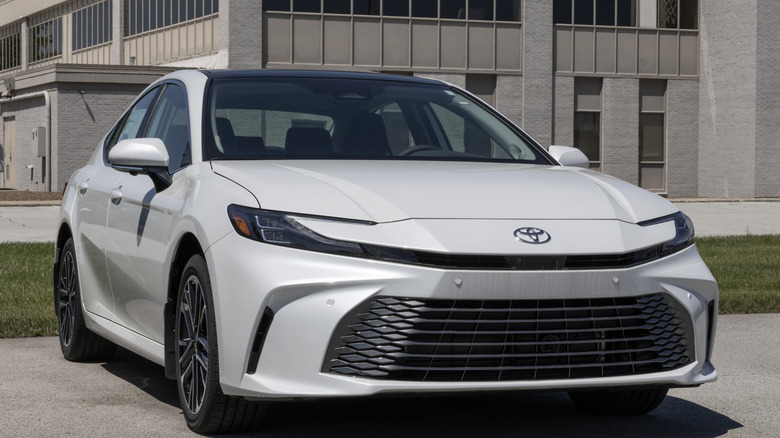
Continuing where the Corolla leaves off, the Toyota Camry is another model with a longstanding reputation for reliability. That doesn't mean it hasn't had its own issues in the past: the 2007 and 2008 models were vulnerable to excessive oil consumption, and, curiously, the dashboard melting. Those days are long gone now, at least on the gas-powered side of things. Hybrids appear to be a different story at the moment; over 51,000 examples were recalled in December last year to address mechanical problems with the inverter that caused the battery to lose power.
Such issues might not inspire confidence, especially on a scale like that, but the Camry's reputation is widely acknowledged — it's one of the most dependable cars you can buy. For starters, its price, like the Corolla, is attractive: the 2026 Camry starts at $29,300 for the base trim. The fuel economy is also a boon, with EPA estimates reaching up to 43 mpg combined for the non-hybrids. That's eight points higher than its Corolla cousin, which means the cost of ownership over the years should even out despite the higher price tag.
CarEdge maintenance estimates for the Camry support this line of logic; you can expect to spend around $4,580 to keep one in good condition over a decade. That mark beats out the average sedan by over $1,300.
Lexus IS
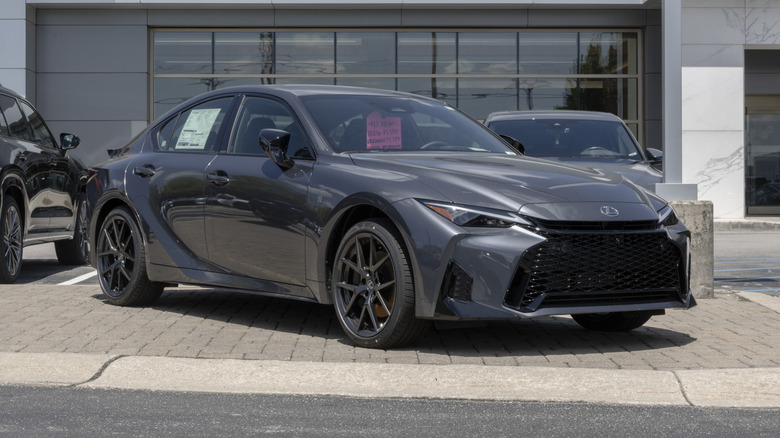
Car reliability these days is heavily influenced by the efficacy of infotainment systems. We've seen several models plagued by nagging problems in this regard. Mercedes-Benz recently recalled 144,000 units to fix blanking displays, and Lexus (along with its sister brand Toyota) has also had its fair share of glitches with failing instrument clusters. In fact, Lexus used to struggle notably in this area before 2021 — it even featured on our list of brands with worst infotainment systems. The IS seems to have put that behind it.
For starters, the Lexus IS was the highest-ranked car model on JD Power's study (based on 2023 model years). iSeeCars also holds it in high esteem; it's the sedan assigned the highest chance of reaching north of 250,000 miles (27.5%). Compared to the average passenger vehicle, it's 10.6 times more likely to reach that mark.
A 2026 Lexus IS starts at $46,895, and estimates of annual costs from RepairPal and CarEdge place the 10-year cost of driving one at just under $6,000. All things being equal (and assuming adherence to maintenance schedules), Lexus cars are known to hit 200,000 miles, so taking care of an IS should yield considerable savings over time.
Honda Accord
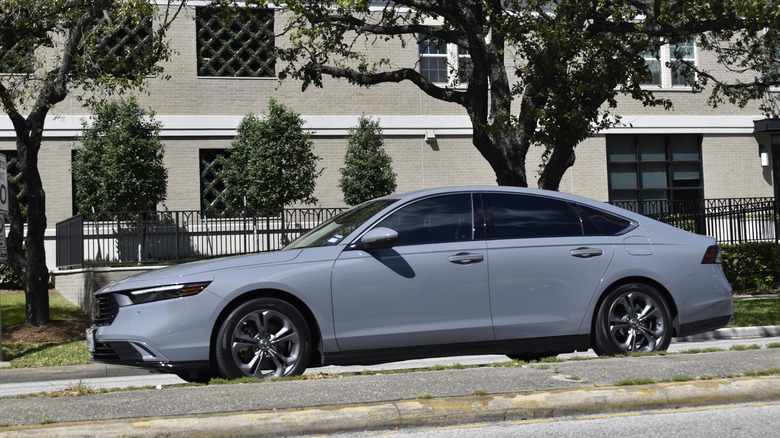
The Accord is one of the most popular and longest-serving nameplates in the American automotive industry, alongside the Corolla and Ford's F-series. It's sold about 15 million units over the years, and no model lasts that long or becomes that popular without developing a reputation for reliability. It's not without its own bogey years, though.
The 2008 model in particular was plagued by premature brake wear (especially the rear brakes) and greedy oil consumption, and the 2018 version had its own slew of electrical problems. While things have improved in recent years, the Accord's profile is a little paradoxical; it's one of the Honda models that cost the most to maintain.
CarEdge estimates a $5,807 spend over a 10-year ownership, with maintenance costs expected to rise significantly past the fourth year. This climb isn't necessarily due to more problems — iSeeCars predicts that a Honda Accord is 3.3 times more likely to hit the 250,000-mile mark than the average car. Starting at $29,590 for the 2026 model, owning an Accord is more expensive than a Camry or Corolla when you sum the maintenance and procurement costs into account. However, considering how expensive cars can be, the Accord is one of the cheaper options around — particularly if you decide to explore a used model from a non-problematic year.
Toyota Avalon
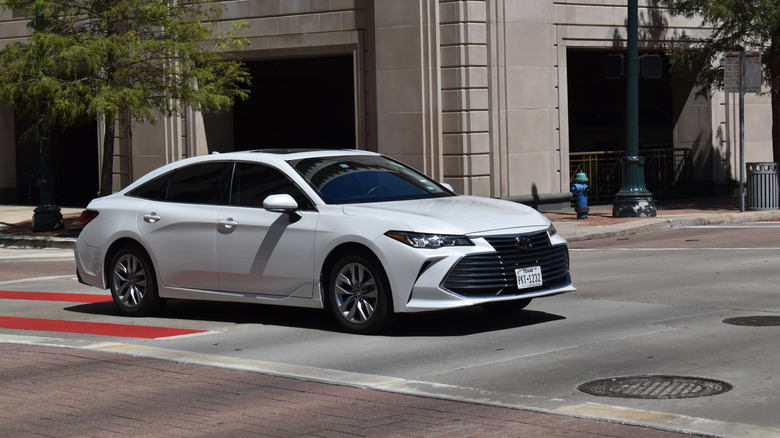
The third Toyota model on this list, the full-size Avalon sedan ceased production in 2022 after a 28-year run, replaced by the Crown. However, reliability-wise, few car models outperform it. According to iSeeCars, provided proper maintenance schedules and processes are followed, an Avalon has a near-20% chance of going north of 200,000 miles — which places it at a likelihood of 7.3 times the average sedan. That value only sits behind the Lexus IS in the passenger car category.
With these numbers in mind, one might wonder why Toyota phased the Avalon out. Flagging sales would be the answer — Avalon sales had been in a steady decline since 2013. Nevertheless, as discontinuations go, the Avalon is still fairly recent, so you should still be able to get a used model if you're looking for a reliable option on the cheap. Of course, price depends largely on the model year and mileage, but those manufactured between 2018 and 2022 are on sale for anywhere between $20,000 and $28,000.
The repair costs aren't all that steep either: on average, you can expect to shell out $463 a year on maintaining an Avalon. While previous owner history is still a risk, there are few better bargains out there.
Honda Ridgeline
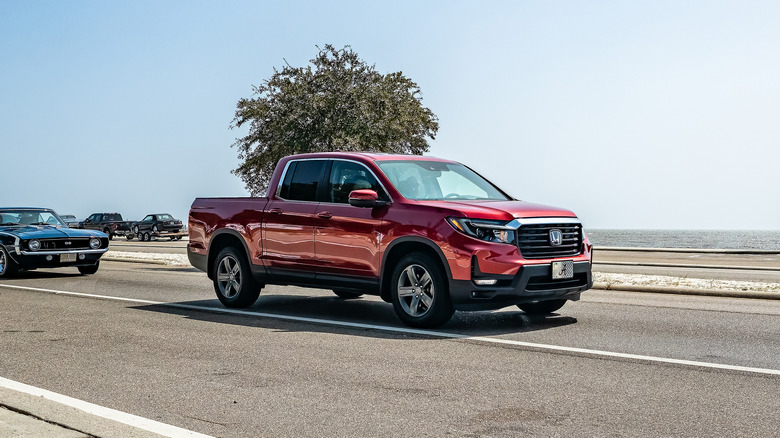
The Ridgeline can be a bit of a confusing, if divisive, model. It's a midsize pickup by definition, and there's certain things you'd expect to get out of pickups — towing and off-roading. However, the Ridgeline has never been particularly exceptional at towing; it has a maximum towing capacity of 5,000 pounds, which is 1,500 pounds lighter than competitors like the Toyota Tacoma. Considering the lightweight in that department and complaints about the six-speed transmission, especially among units produced between 2017 and 2019, one might wonder why the Ridgeline is on this list.
At $40,795 for the 2026 base trim, the Ridgeline's value comes from giving its drivers few problems and the ability to keep going for miles. It's one of the cheapest models on iSeeCars' top 10 with a 14.7% likelihood of reaching 250,000 miles. Just make sure to avoid the 2017 model year if you're shopping for a used car; problems with the electricals (including curious ones like rodents taking a liking to the wiring) and failing fuel injectors plagued that particular rollout.
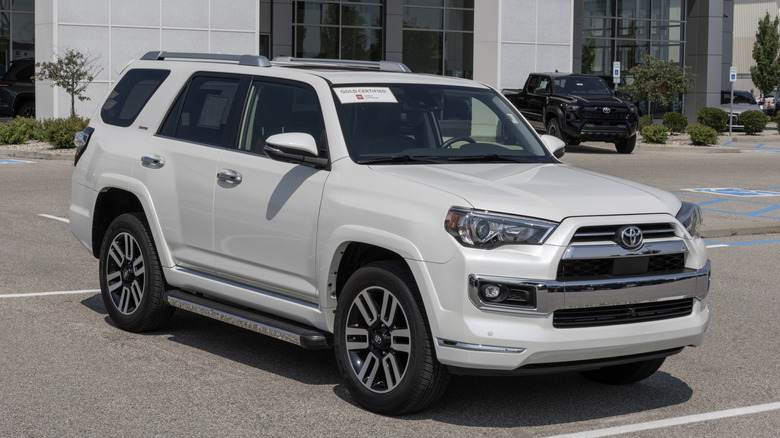
Toyota 4Runner
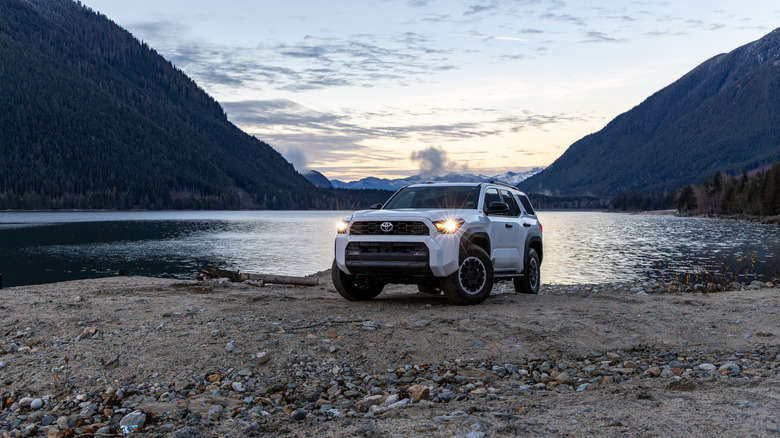
When it comes to reliability, the 4Runner has few peers. There are many reasons for its reputation as one of the most reliable SUVs ever, but the primary one is the deliberate over-engineering. For instance, the third-generation 4Runner models were powered by a 2.7-liter inline-four 3RZ-FE engine that produced less power than it could. So, with a significant margin for error, engine problems were rarely ever a thing.
Of course, the 4Runner has had its fair share of common problems, though. the 2022 version had quite a few complaints concerning its airbags, and there were some isolated brake issues in the 2010s. However, this line hasn't had to endure incessant recalls, and that's a bonus in the current automobile market. In fact, according to iSeeCars, the 4Runner has a 32.9% chance of reaching 250,000 miles. That probability is 7.7 times higher than the average SUV and places it behind only the Toyota Sequoia (39.1%) on the survey.
If you're on a budget, chances are you'd opt for a 4Runner. The 2026 model starts at $42,070 — nearly $8,000 below the national average for new cars — compared to the Sequoia at $63,495. In terms of maintenance, CarEdge estimates the 4Runner is at least $2,190 cheaper to keep on the road over a decade than the average SUV, and its chances of needing a major repair in that timeframe are 7.36% less likely.
Honda CR-V
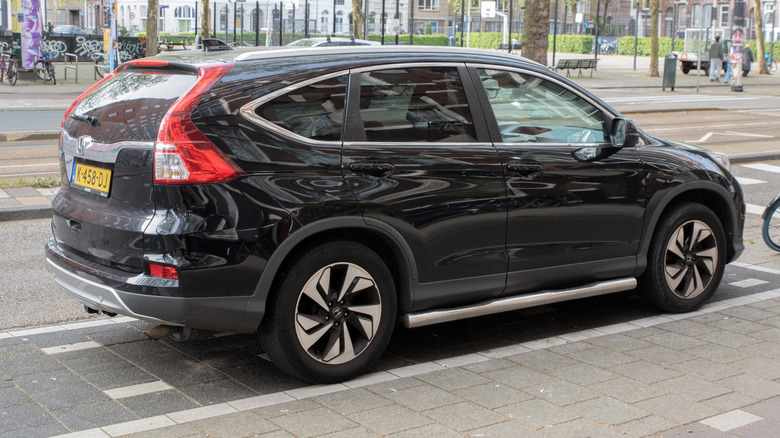
The CR-V has been in the American market for nearly 30 years now, and as more and more drivers lean toward SUVs, it's becoming one of the more common cars on the roads. It was in the top five SUVs by sales volume last year, with over 400,000 units sold, and its steady growth over the years is a decent indicator of its reliability.
To give more context on the CR-V's reliability profile, it tied the Camry as the car with the highest likelihood of getting to 200,000 miles according to Consumer Reports. Figures from RepairPal also suggest the CR-V is more economical than its peers with an average annual cost of $407 – a figure that's low enough to compete with sedans like the Camry at $388 and the Accord at $400. However, while those metrics are solid enough to inspire confidence, there are some conflicting reports.
For starters, the CR-V is on our list of the most expensive Honda models to maintain. CarEdge estimates a $7,636 maintenance price tag over a 10-year ownership timeframe, with the costs increasing significantly every year after the fifth year. Those figures might be heavily influenced by the 1.5-liter engines; there's currently a class-action lawsuit against Honda in Canada for blown gaskets, so if you're in the market for one, you should probably opt for a 2.0-liter instead. With an MSRP of $32,370 for the base trim, though, it doesn't get much cheaper and reliable than the CR-V.
Chevrolet Silverado 1500
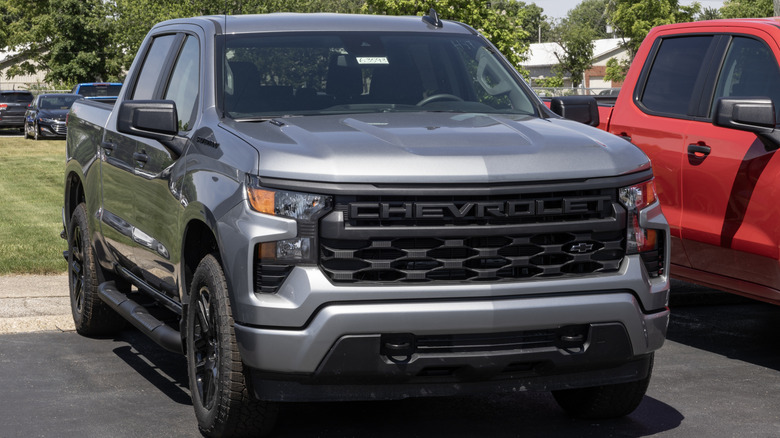
Because of the demands on large pickups, reliability should be a critical deciding factor when you're shopping for one. Repairs are generally expensive, and the last thing you want is a truck that's always one step away from being out of commission. In the last decade, the Silverado 1500 struggled in that department — each model year between 2014 and 2017 registered hundreds of NHTSA complaints due to frequent air conditioning condenser leaks, transmission shudder, and a host of other problems. It's why we advise against buying third-generation Silverados.
However, the current generation of Silverado 1500 is starting to reclaim some of the allure, especially in cost savings. For starters, it's one of the cheapest full-size pickups you can buy brand new — the 2026 base model starts at $38,345. Second, iSeeCars gives the Silverado 1500 a 12.9% chance of reaching 250,000 miles, provided proper maintenance routines are followed, which is 2.7 times more likely than the average car. CarEdge also assigns it a 31% chance of needing a major repair over a decade, which might sound alarming, but is actually marginally better (1.29%) than other pickups.
In terms of actual maintenance costs, things can get pretty expensive in the full-size pickup section — which is why you'd be justified in spending less when buying one. For the Silverado 1500 specifically, an oil pump replacement can cost as much as $2,295.
Ford F-150
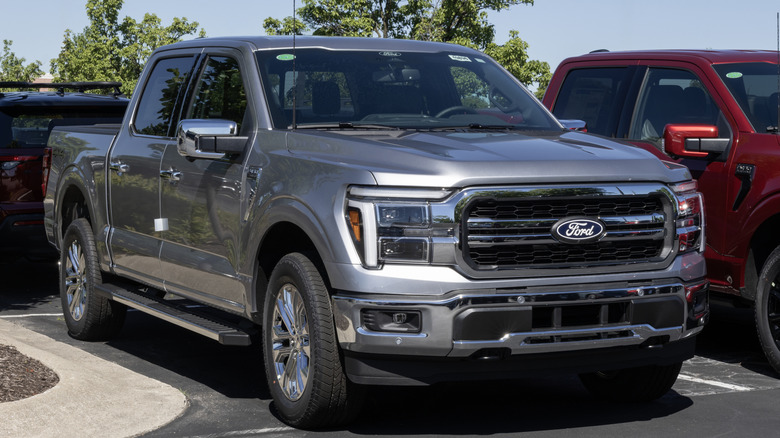
The Ford F-150 is the most popular pickup in America, but it's also had its share of bad production years: 2004 and 2018 were particularly low points in terms of reliability. The 2018 model year is regarded as the worst of the bunch for the sheer number of complaints; units are still being recalled to this day for software update and transmission issues.
For now, such high-profile problems appear to be in the rearview mirror; complaints have dropped off significantly since the 2020 model year. The 2023 version sampled on JD Power's Vehicle Dependability Study tied the GMC Sierra for third in the pickup category, and Consumer Reports has the 2026 model ranked 10 on its list of vehicles likely to eclipse 200,000 miles. To get there, though, you'd need to stay on top of the maintenance schedule — especially those at the 90,000 and 100,000 mile markers. They're classified as major milestones and involve replacing air filters, spark plugs, and gear oil, to name a few. Some of these procedures can cost well over $1,000, which is why CarEdge's maintenance estimates for a 10-year timeframe creep just over $11,000.
That's an eye-popping number, but when you consider the entry-level MSRP starts at $40,085, the F-150 can be more appealing.
Toyota Sienna
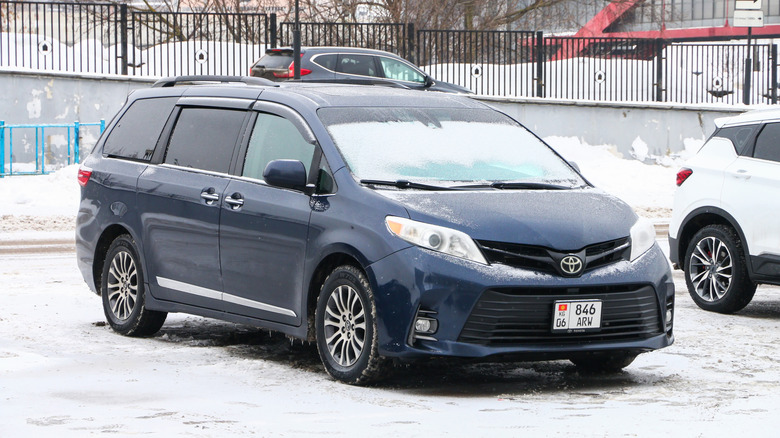
If you're on the lookout for a reliable minivan, chances are you've already given the Toyota Sienna a cursory glance. It's one of the more popular models in that category, and last year it also earned the distinction of being the most reliable minivan on the market according to JD Power. The Sienna's dependable reputation is a relatively new phenomenon: the ones produced after 2015 barely have any complaint history. That's a stark contrast to the models from 2004 to 2011, which had a plethora of NHTSA complaints from dashboard cracking to electronic instability. If you're thinking of buying used, we cover those in detail as some model years to steer clear of.
Newer models like the 2025 version have had their own issues too, just not in the mechanical department yet: the single recall affected about 55,000 units and was targeted at improperly welded seats. However, the tailing off of complaints to practically zero over the last few years, along with the fuel economy, make the Sienna one of the cheaper cars you can own with little to no problems. EPA estimates of the 2026 model put gas consumption at 36 mpg combined, but Edmunds testing showed it can hit the early 40s comfortably.
Fuel savings aside, maintenance doesn't cost an arm and a leg either. RepairPal estimates it will cost you $554 per year to maintain the Sienna, which is only just behind the Lexus IS. The 2026 Sienna starts at $40,820.
Subaru Outback
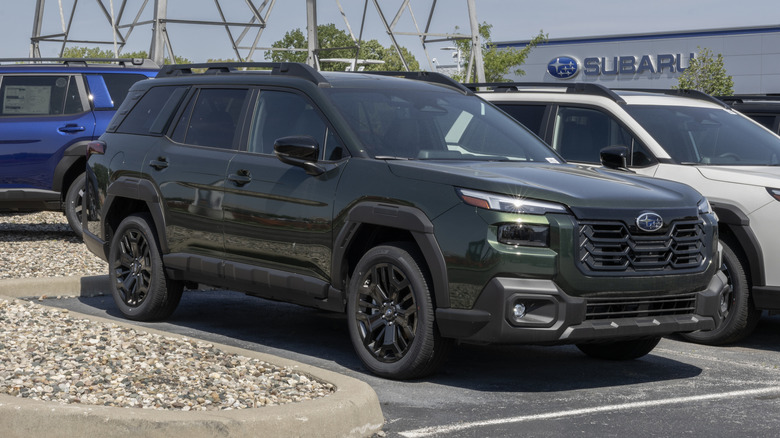
Rounding off our list, the Subaru Outback hasn't had the most pristine reputation in the reliability field, with all but one model of the mid-size crossover SUV produced in the 2010s registering over 100 complaints on CarComplaints. Of these models, the 2018 year in particular saw the highest volume, with battery drain problems the most prominent of this subset. It even ended in a lawsuit that Subaru settled back in 2023.
While these issues are concerning, it should also be noted that the volume of complaints has tapered off in the last few years. That being said, the only way an Outback would be classified as "reliable" for all intents and purposes is if you religiously follow the specified maintenance schedule. CarEdge classifies every single milestone from 30,000 to 150,000 miles as a major service — meaning you shouldn't skip that checkpoint under any circumstance. Depending on what needs replacing at each marker, you could easily fork out over $1,000.
Despite these numbers, online chatter shows that 200,000 miles and above is attainable behind the wheel of an Outback. A 2026 model will set you back $36,445 for the base trim.
Methodology

The first criterion on our agenda was price, and to qualify as "cheap," a car's MSRP needed to be south of the current national average for new cars. However, we also considered car types where the average costs were higher than the $49,220 mark.
For the specifics of reliability, we pulled information from multiple reputable sources like iSeeCars, RepairPal, and CarEdge. Each of these sources provided insight by way of exact percentages into variables like yearly maintenance costs and likelihood of needing major repairs. With these metrics, a baseline for reliability for each car category was established.
Third, we chose to list a variation of car brands and types where possible. This meant some deserving models like the Toyota Tacoma missed out, but it was vital to maintain balance across all categories.