

13 Practical Tools Needed For Basic Home Maintenance
We may receive a commission on purchases made from links.
Home maintenance is one of the most important, yet often overlooked, parts of living just about anywhere. The building you live in requires maintenance, whether any of us like it or not, and that maintenance could be the thing standing between a delightful year and thousands of dollars of repairs that could've been avoided with a little extra work. You can hire people to do most of it if you prefer, but it's cheaper to do it yourself, and you get the opportunity to start building your home toolkit.
This is a journey I started taking seven years ago when I bought my first house, and it's a practice I continue to this day. I couldn't tell you how much money DIY maintenance has saved me over the years, but learning the ins and outs of DIY home maintenance and getting the tools to do it has been worth its weight in gold and has helped me in other areas, like home repair and improvement projects. So, if you're ready to dive into the proverbial pool, here are some ideas on the tools you'll need to make it work.
Soaps and Cleaners
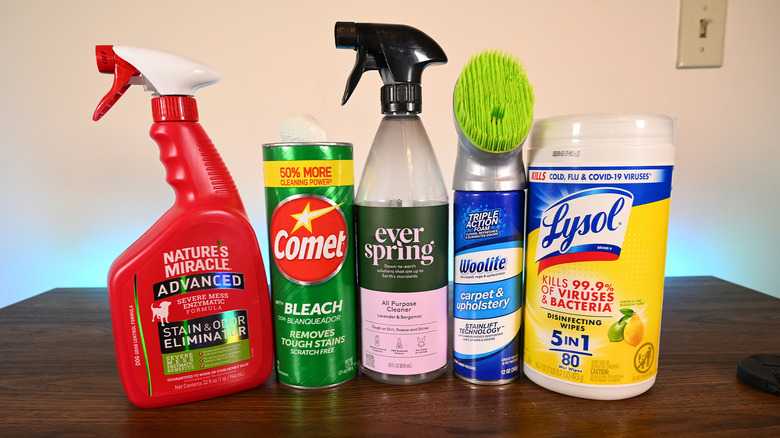
Soaps and cleaners aren't tools, but they're too important to the home maintenance process to not mention. In my experience, the most common thing that invades your home and destroys everything is just getting dirty. If you don't handle dirty stuff, it gets dirtier, and eventually, that dirtiness becomes permanent. Think of the toilet bowl ring. If you clean it immediately, it comes right off, but if you wait three months, the stain becomes much more difficult to remove. You can apply that logic to basically everything in your home.
Anyway, every home maintenance kit should include soaps and cleaners of various types, including dish soap (which is good for more than just dishes), appropriate floor cleaners for your home, a good multi-purpose cleaner, tub and toilet cleaner, and, if you're feeling fancy, Affresh tablets do a decent job of cleaning your dishwasher, washer, and garbage disposal. They aren't the best options, but they're very easy to use and much better for those appliances than doing nothing at all. I also swear by enzymatic pet spray if you have pets. It works really well if you follow the instructions for use.
Other consumables and their matching tools
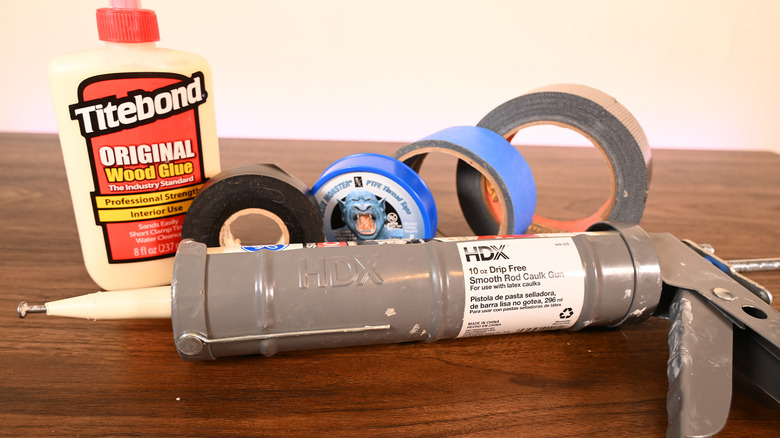
There are other consumables worth keeping on hand for minor maintenance and repairs. Adhesives, tapes, caulk, furnace filters, and weatherstripping are the ones that come to mind immediately. Caulk and weather-stripping decay as time goes, and so as part of your maintenance routine, you'll occasionally have to take off the old stuff and apply new stuff. This keeps moisture and air leaks away from where they shouldn't be, especially around your bathtub and windows, saving you tons of money on repairs in the long run.
There are actual tools that go with this kind of stuff. A good scraper or caulk removal tool can make removing old caulk and weatherstripping much faster and easier, so you can apply the new stuff, and it's also useful for other cleaning tasks. A good caulk gun is usually pretty inexpensive, and you can even get good electric caulk guns if you really don't want to do it manually. My caulk gun is a generic, off-the-shelf model I got from Home Depot several years ago, but it's done a fine job helping me caulk my bathroom and a few windows during my maintenance.
A vacuum cleaner
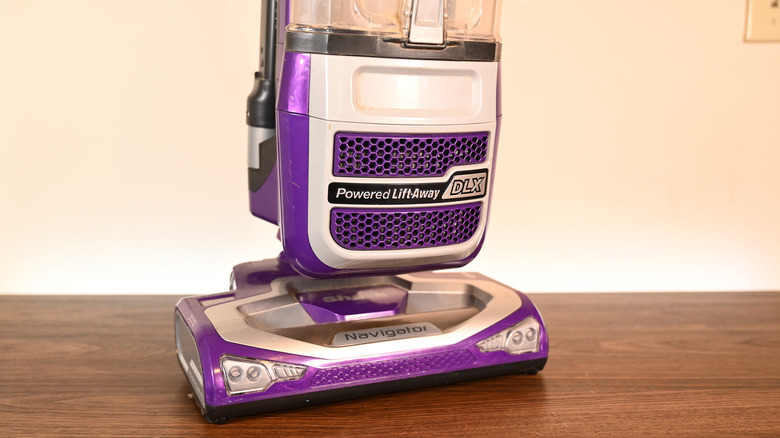
The humble vacuum cleaner is both an appliance and a tool. You already know about its primary function: to pull dirt, dander, and other nasties out of your carpet. This is important enough as it is because carpets can get pretty gnarly if they're not maintained, and I don't know if you've ever walked barefoot on a poorly maintained carpet, but it's pretty awful. I own a Shark vacuum (a model they no longer sell), which I've had for years and have repaired a couple of times thanks to the availability of replacement parts, but really, any vacuum from a reputable brand will do the job.
The hidden benefit of the vacuum is the other maintenance tasks you can do with it, like using the brush attachment to clean your refrigerator coils, removing pet hair and dirt from around and behind other appliances, and even dusting your blinds. The attachments on vacuums are criminally underrated all around. Just make sure to clean your vacuum's filter if it has one. All you usually need is warm water and dish soap, and it helps your vacuum last longer and work better.
A shop vac
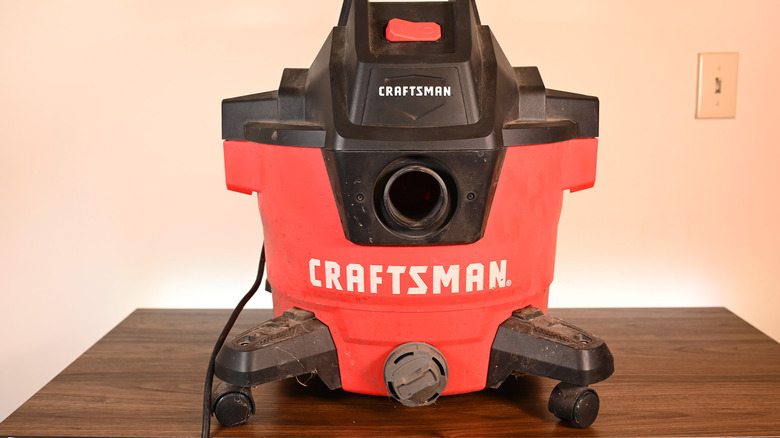
For jobs too big for a vacuum, a shop vac covers all the rest. These are designed for much more strenuous conditions than a regular vacuum cleaner, so you can use them for maintenance tasks you wouldn't use a regular vacuum for.
My favorite example is the dryer vent. I take the vent hose off the back of the dryer and use the blow function on my shop vac to blow the lint toward the front of the duct. Then I go outside, take off the vent cover, and vacuum the lint. I do this once a year to help prevent fires and help my dryer work better. I also use it on my driveway drain to remove leaves, grass clippings, and other debris.
I own a pretty standard Craftsman model I bought on sale at Lowe's, but again, any shop vac from a reputable brand is sufficient for home maintenance tasks like the one described above. The one thing I recommend is getting a corded model. You can usually get larger, stronger corded shop vacs for less money than a comparably sized cordless shop vac.
A cordless drill
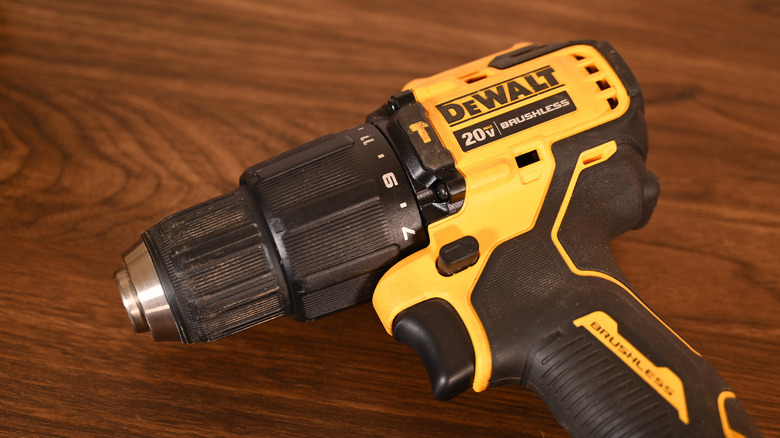
Cordless drills are endlessly useful. It was my very first power tool purchase, and my drill remains the most used power tool in my arsenal. My preferred brand is DeWalt, but like most of the other tools on this list, home maintenance isn't so intense that a good cordless drill from almost any brand will work just fine. Just make sure you buy a sizable bit set to go with it to maximize the usability. I own a bit set similar to this Ryobi 95-piece kit, and it has served me well over the years.
There are a shocking number of screws in any given home, and a screwdriver can help you tighten or remove them rather quickly. To be perfectly honest, these are better suited for home improvement and repair than maintenance, but virtually any task that can be done by a screwdriver can also be done by a drill, and you'll have this lovely power tool handy when you do move on to repair and improvement. I do recommend getting a drill-and-impact-driver combo kit. The impact driver is useless for home maintenance, but it's nice to have for other tasks.
A multi-bit screwdriver
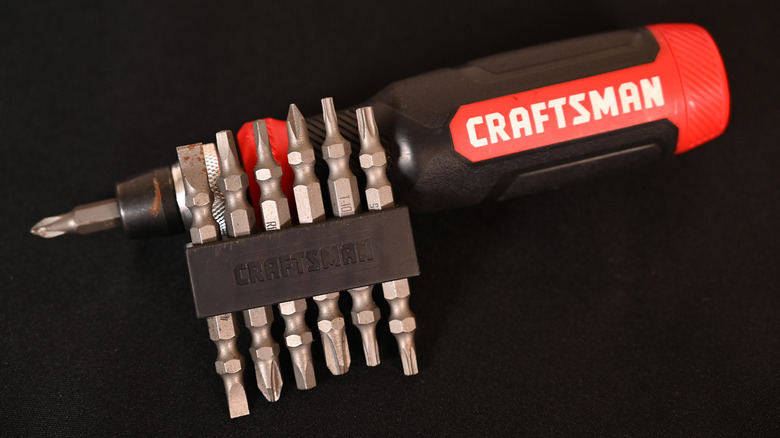
Drills are great when you need to deal with a lot of screws quickly, but for more delicate or cramped tasks, a good screwdriver is arguably the better option. For example, my HVAC intake vent has a cover that is screwed directly into my drywall. If I used a drill for that, I'd probably strip the holes, making it difficult to put the cover back on. For these types of things, a screwdriver works wonders. My tool of choice is my Craftsman 12-in-1 multi-bit screwdriver because maintenance tasks don't require much, and it's more than enough to handle them.
Craftsman doesn't appear to sell this at larger stores anymore, but similar variants are available. You can also get multi-bit screwdrivers at Harbor Freight and other box stores if you want to save a few bucks. There are cordless screwdrivers available, but for this application, they're a little bit overkill and cost way more. Really, save the heavy lifting for your cordless drill. As long as it has a good warranty and has the bits you need, any of them will do fine.
A wrench set
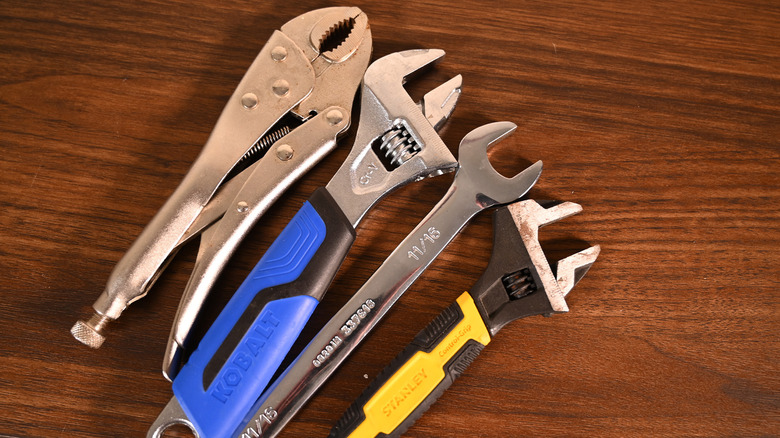
Part of home maintenance is cleaning appliances and just checking things out to make sure they're working properly. Many of those things have nuts and bolts, and the best way to deal with those is with a wrench. You may see folks recommend an adjustable wrench for home maintenance work. I own a couple, and I'm not the biggest fan personally. For a few extra bucks, you can get a competent wrench set that is more consistent for just about everything.
You can get a Pittsburgh 22-piece wrench set in both SAE and metric from Harbor Freight for $20. It comes in the most common sizes, has a lifetime warranty, and doesn't break the bank. I have a similar Kobalt set with a similar warranty that I've had for years.
You can use these for lots of things, including tightening nuts and bolts on furniture, tightening plumbing fixtures, and assembling or disassembling appliances for maintenance. I have a dining room table and a coffee table that need tightening up about twice a year, and the bolt on my dryer vent is easiest to remove with a wrench rather than a screwdriver or ratchet set.
A ladder
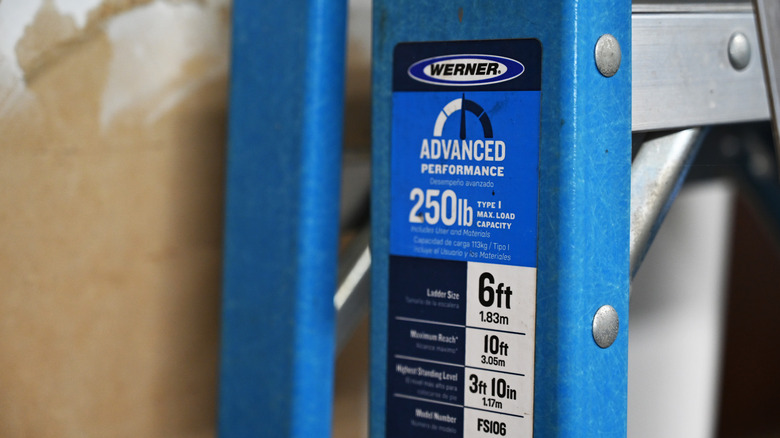
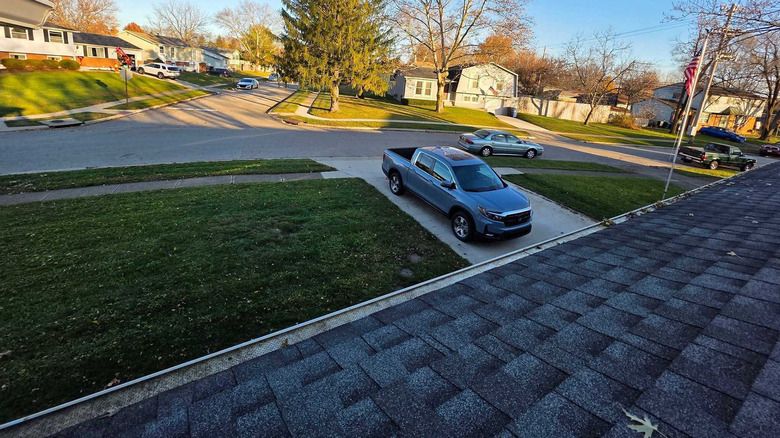
A ladder is really the only good way to access your roof and gutters, and while climbing a ladder can be scary, checking your roof and gutters is a pivotal home maintenance task. The reason is that clogged gutters overflow and either dump water right down near your foundation, which is bad for it, or back up the other way and wreck your roof and fascia, leading to rotted wood, roof damage, and leaky ceilings. Plus, they're super useful when putting up Christmas lights.
In any case, I'm a fan of fiberglass ladders. They have good weight ratings, are lightweight, and are generally easy to use. I'm a fan of Werner ladders myself, but as long as you get one that meets all your needs and is tall enough to get you safely onto the roof, you can go with whichever one makes you happy. I also recommend a pair of gloves if you're going to be rooting around in your gutters, especially if it's your first time doing it. They can get rather dirty.
A flashlight
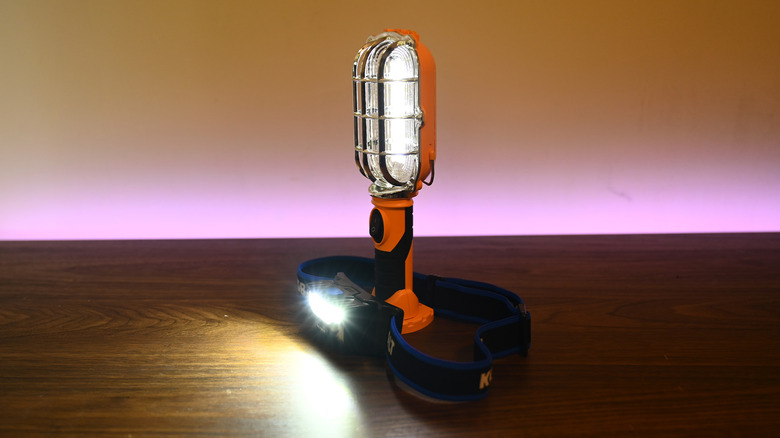
Most parts of any home are well lit, either by lamps, windows, or other lighting fixtures. When performing home maintenance, you'll often find yourself digging into the darker corners of your home, so it's good to keep a reliable flashlight on you. You can technically use the flash on your smartphone for this, but it's not really designed for long-term use, and it's a really good way to accidentally damage your phone if you drop something on it. A flashlight works best for this type of work, and they're usually pretty cheap.
I didn't know much about tools or lighting when I bought mine, so I got this cheap little guy. However, it's held up for nearly a decade, and I don't feel the need to replace it. There are way better flashlight brands out there, and you can get a nicer one if you want, since they're useful in areas beyond home maintenance. However, like most tools on this list, home maintenance is generally low-impact, so you don't need anything fancy.
Brushes of various types
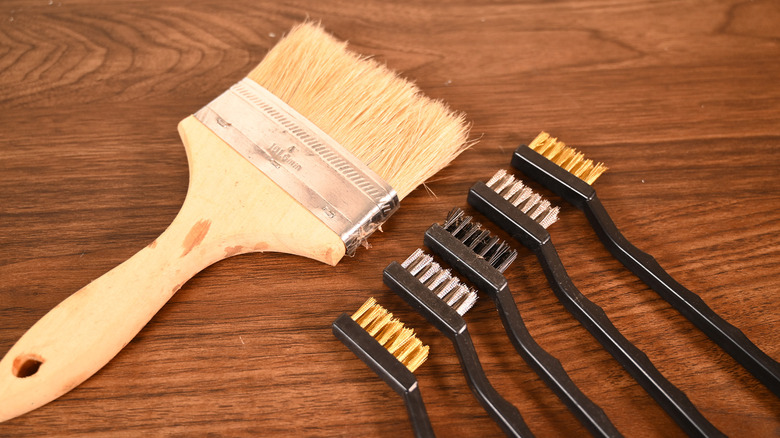
Brushes are another cleaning tool, and they are useful for many tasks because there are many different types. I have a couple of scrub brushes for getting stains out of carpet, wire brushes for rust removal and heavier-duty cleaning, and even old toothbrushes for fine dusting on appliances. It's nothing I haven't already written in this article. Dirt can damage your stuff, even small items, so sometimes you need a smaller cleaning tool to reach tight spaces.
The good news is that you can use basically any brush you can get your hands on, as long as it's the right one for the job. If I'm dusting off my furnace control board, I'm not using a full-size scrub brush, and if I'm cleaning a stain on carpet, I'm not using a wire brush. They are also usually relatively cheap, and you can stock up on a full set for under $20. Once you get the ones you like, check your grout, floors, appliances, and anywhere else a vacuum brush attachment might not fit, then go to town. Bring your shop vac to catch the dust you kick up, and you can kill two birds with one stone.
Lawn tools
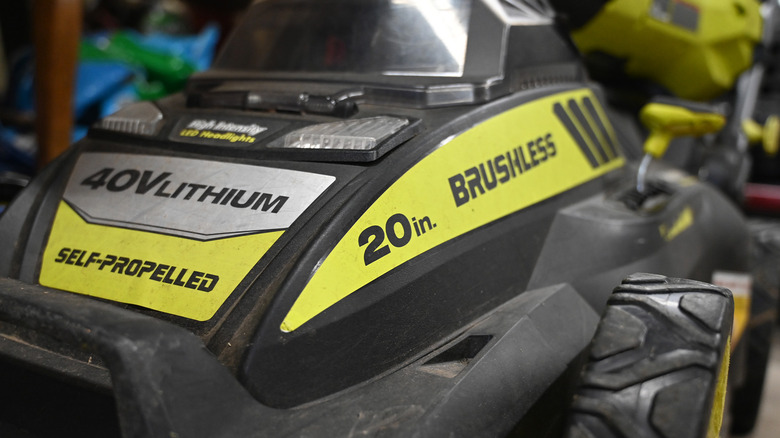
As much as many people don't like it sometimes, lawn maintenance is part of home maintenance. An unkempt lawn can hide critters, bugs, and other wildlife, while plants growing close to your home can cause damage to the structure. Thus, it is a good idea to keep your lawn mowed and plants close to your home trimmed up nicely so that they don't do that. In my experience, you only really need three tools for this job: a lawn mower, a string trimmer, and a leaf blower. I'm a Ryobi fan in this arena because they were on sale when I needed to buy lawn equipment, but there are tons of good lawn mowers, string trimmers, and leaf blowers to choose from.
If you decide to go all electric, I do recommend getting all three items from the same brand and making sure they use the same type of battery. For example, Ryobi has leaf blowers in both 18V and 40V variants. It'd be silly to buy a 40V mower and an 18V leaf blower. Doing this lets you use batteries from all your tools with all your other tools, which is handy. A good pair of earbuds can help the work go by faster, too.
Specialized maintenance tools
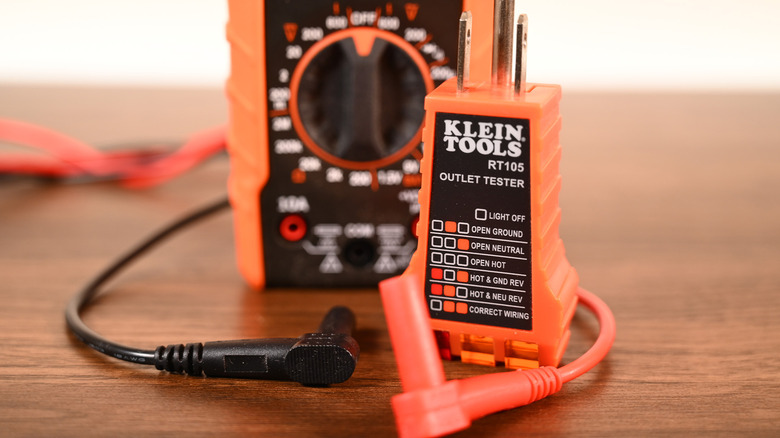
The tools above are all versatile, which is why I'm recommending them. However, if you really want to get into the nitty-gritty of home maintenance, there are some specialized tools worth considering. One good example is your water heater. The companies that make water heaters say you should flush your water heater periodically, usually at least once a year. Failing to do so will cause buildup inside the water heater and reduce its lifespan. If you don't do it for a long time, you may already have sediment built up, and a tool like the Sediment Buster can help you get rid of it.
There are tools like this across the gamut, many of which aren't strictly necessary but can help. For example, when I clean my air conditioner condenser fins, I use a garden hose set to the highest setting to spray the dirt and gunk out, but there are fin brushes you can buy if you want to go even deeper. An outlet tester with GFCI support lets you test your outlets, and CO and smoke detectors usually have built-in tests (which you should definitely use).
A smartphone
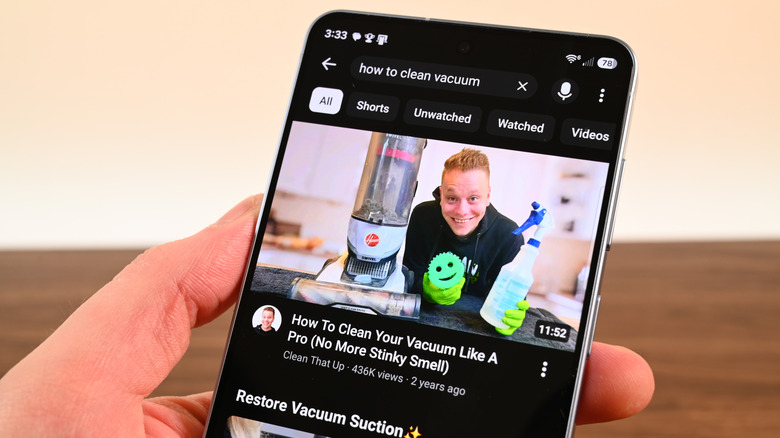
A smartphone is a godsend for DIY home maintenance, ownership, repairs, and improvements. I can't tell you how many times I've learned how to do something on the fly from a YouTube video, troubleshot issues on Google Search, or used my phone to call someone more knowledgeable than I am for help. One of my favorite examples was when I hooked up my Ecobee3 Lite thermostat, and at the time, I had no idea what the blue wire (power) in a furnace even did. It took about 25 minutes to find the solution on my phone, and my thermostat has been working flawlessly since before the Covid-19 pandemic.
Most home maintenance tasks are pretty easy, with the exception of things like water heater draining, and you can probably figure out most of it on your own. However, reviewing proper cleaning or maintenance techniques certainly doesn't hurt, and your smartphone can give you access to articles and videos that show them off. Plus, it has a built-in flashlight, which, again, you shouldn't use, but let's face facts, most of us do anyway.
How did we choose these tools
Every tool listed above is one I have purchased myself over nearly a decade of homeownership. I've made plenty of mistakes, learned from them, and am passing along at least some of that knowledge to you through this article. For example, I actually own a Ryobi drill with the brand's outdated battery tech, which is why I bought the DeWalt drill with DeWalt's current battery tech. That's a waste of about $100, and it's a waste I don't want other folks to deal with.
The good news, though, is that home maintenance isn't like working on automobiles, so you don't need the strongest tools on the market to do most of this stuff. Most of the stuff I own consists of products that aren't made anymore, but there are equivalents on the market, so recreating my toolkit isn't terribly difficult or expensive. Plus, some home maintenance tasks, like changing your furnace filter, usually require no tools at all, so while there is a lot to do, the tools you need aren't completely nuts.