

5 Game-Changing Apple Products Released While Tim Cook Was CEO
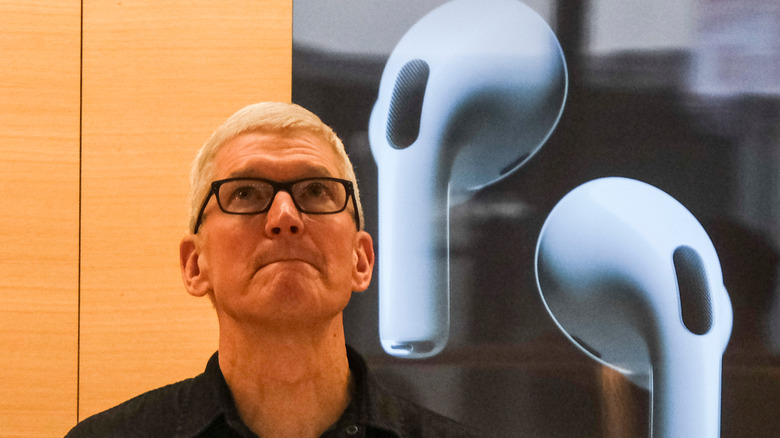
It's official. Tim Cook is stepping down from his role at Apple, and John Ternus is expected to succeed him. Cook's been at Apple's tiller since 2011, and at the age of 65, it's only sensible that he might want to enjoy some retirement after being in charge of one of the world's biggest tech companies. Tim Cook had the daunting task of filling the shoes of Steve Jobs, perhaps the most well-known CEO in U.S. history. And he did pretty well, all things considered. He helped grow Apple into a $4 trillion company and had his hand on the wheel during some of its most memorable product launches.
Sure, Steve Jobs is responsible for the big ones: the Mac, the iPod, the iPhone. Tim Cook was simply born too late to put his name on those. But Cook refined Apple's hardware portfolio with some of the most iconic products in the Apple lineup. Without putting too much pressure on Ternus, let's take a quick look at what Cook achieved over nearly two decades.
AirPods
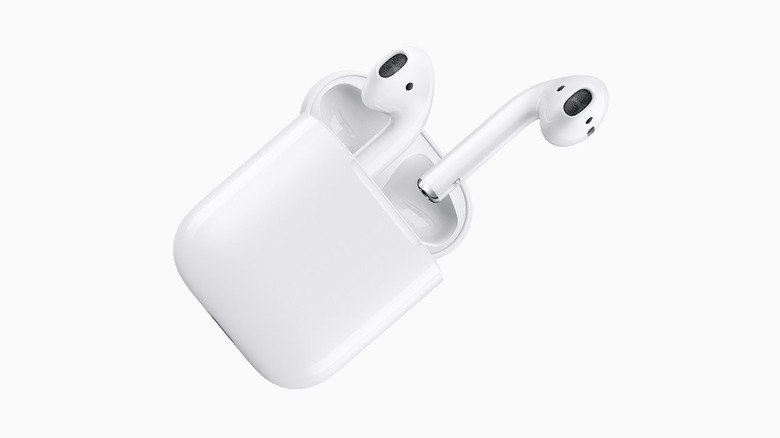
It's crazy to think the AirPods are already a decade old. They were released in 2016 to replace the EarPods and created a storm of controversy at the time. People lambasted them for every possible reason: their (at the time) curious shape, their price tag, seemingly poor battery life, and the fact that they looked like they were begging to fall out and get lost forever. But if that was bad, the coinciding announcement of the iPhone 7 added fuel to the flame for being the first flagship in the industry to ship without a headphone jack. The prevailing theory? Apple wanted to force you to buy its AirPods, a pretty fair assumption since its justifications for doing so were thin and weak. Apple's competitors took note, and now, smartphones with headphone jacks are fairly uncommon.
It was a painful transition, and initially the 2016 AirPods weren't amazing, but now? The AirPods Pro 3 are some of the best wireless earbuds out there, bar none. They sell millions upon millions of units and earn Apple billions of dollars on their own. Walk down a city street and you'll see them everywhere. Anecdotally, they have phenomenal noise cancellation and sound quality for non-audiophile gear.
It also seems many people now recognize that Apple's decision wasn't purely about greed — though that likely played a part. Bluetooth as a standard has evolved substantially, as has the battery life of many earbuds. The convenient on-demand noise cancellation makes loud, distracting environments much more bearable, and transparency mode allows you to be situationally aware when it's required. Smartphone manufacturers could absolutely add 3.5mm jacks to their phones — and they should — but it's hard to argue that AirPods didn't push the envelope for Bluetooth audio.
Apple Watch
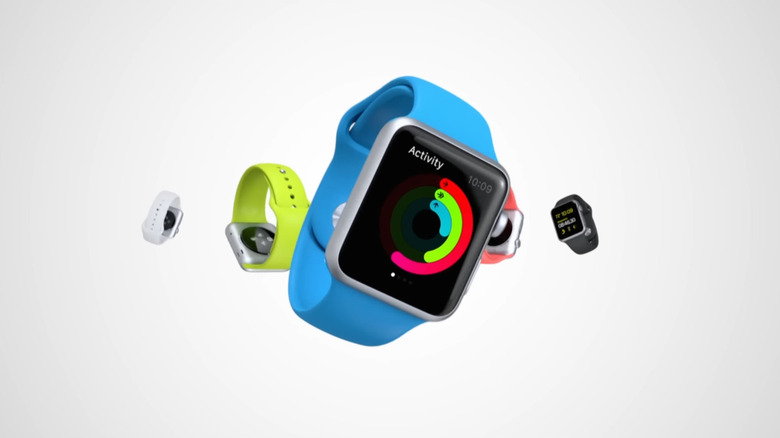
Just like with AirPods, Apple didn't invent smartwatches. Fitbit devices had been around for years. Rather, Apple did its own spin on the concept. The announcement for the first ever Apple Watch came in 2014, with a release the following year in 2015. It did most things other smartwatches had been doing, like heart rate tracking, but it added its own clever touches like the Digital Crown and, of course, deep Apple ecosystem integration. The bean counters say it was pretty much an instant success, and even today it continues to be one of the top recommendations, providing consistent innovative feature updates.
If you want an all-in-one package for tracking sleep, exercise, vital signs, and virtually any activity a smartwatch could possibly track, the Apple Watch is it, folks. The only time we wouldn't recommend one is if you're not an iPhone user or if you want something cheaper.
Even if you have an older model, you may get new features that your Apple Watch wasn't originally marketed to have. For example, one of the most recent additions was hypertension notifications. Apple figured out how to determine potential indicators of high blood pressure using existing heart tracking hardware rather than restricting the feature to the latest model. There are rumors now that the Apple Watch will soon be able to measure glucose levels without any needle pricks. Pretty cool stuff. Consumer satisfaction research in the past has shown the vast majority who buy an Apple Watch love it. Case closed.
Apple Silicon Macs
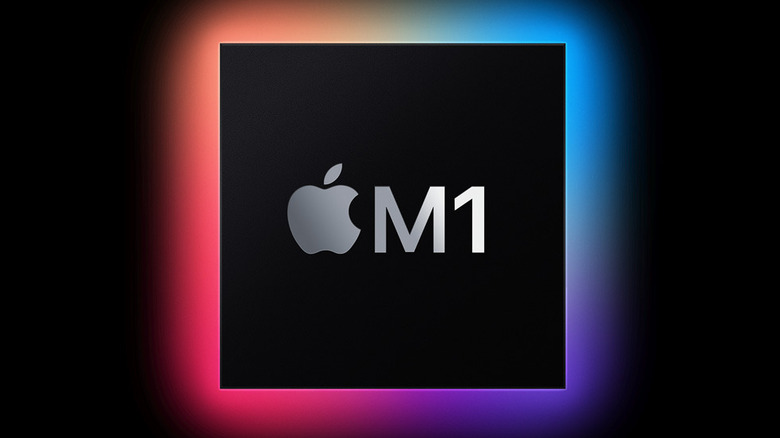
Macs have always been popular, visually pleasing computers, but they weren't particularly known for dominating performance charts, especially not Apple's small form factor devices, like the MacBook Air Jobs famously pulled out of a manila folder like a rabbit out of a hat. All of that changed in 2020, when, under Tim Cook, Apple introduced its first in-house Mac chip — the M1 — and began the transition to Apple silicon. The sales pitch was ultimate energy efficiency without sacrificing power, using ARM architecture instead of the x86 traditionally used in computers. Devices with an M-series chip could be incredibly small, offer long battery life, run fan-free, then absolutely crush benchmarks. And that's exactly what they did.
The MacBook Air was among the first Macs to get the M1 chip, and it garnered rave reviews. All-day battery life finally became a thing on lightweight laptops, as did the potential for intensive workloads in a small package. Macs finally got some game, too. Although MacBook gaming is in a pitiable state, when it can game, a Mac will probably surprise you. The humble MacBook Neo can run modern AAA titles without any cooling fans, if you don't come in with PC-level expectations.
It's hard to convey just how monumental the Apple Silicon revolution was. Apple killed its Mac Pro computers — the final boss of professional, heavy-duty devices — because a comparatively teeny Mac Studio could go neck and neck with it. If that doesn't say enough, we don't know what will. Even now, years later, Windows is still playing catch-up to get the same performance and battery efficiency.
AirTags
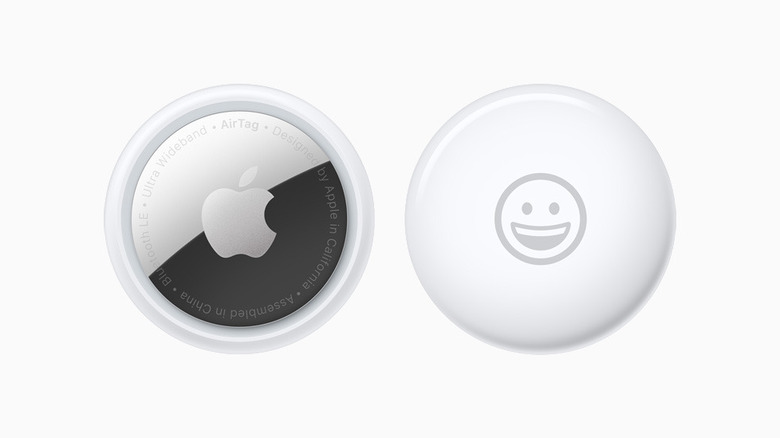
Nowadays we don't think twice about AirTags. They're cheap, you put them on things you don't want to lose, and then you forget about them. They just work. That said, it's once again difficult to convey how much Apple's contribution to the tracker tag market reset the paradigm. Before the AirTag, tracker tags had some serious limitations. They were mostly only effective if you were within Bluetooth range. The AirTag launched in 2021 and made tracker tags more useful and reliable than before.
AirTags use crowdsourcing to enable tracking. In other words, any nearby internet-connected Apple device can report Find My locations and — since there are so many — serve as a truly gargantuan global tracking network. It isn't on par with GPS, but it allows for a free, effective way of tracking items in urban areas. Location data is end-to-end encrypted, so there is little practical risk of someone tapping into the network for nefarious purposes. Once you get close, your iPhone can either ping the tracker or point an arrow toward it with a pretty accurate distance estimate.
Add to that the fact that these devices can last about a year on a single replaceable battery, cost $29, and it was a hit. A billion-dollar hit only a year after that initial release. So good that Apple's second-generation AirTags were really only a minor spec bump, adding more range and precision while retaining, for all intents and purposes, the same foundational design and functionality.
Apple Pencil
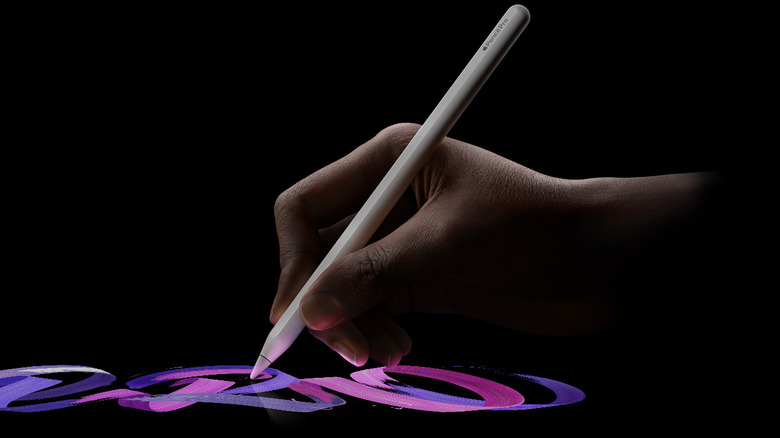
By now you probably see a pattern. Apple enters an existing market where competitors are crowded around the table, and flips it. The Apple Pencil originally came out in 2015, and at the time, there were solid options available. We are not going to say that the Apple Pencil is the best digital drawing stylus, but we will say it made digital styluses feel like an invisible extension of your arm — something you could forget was there while using it — assuming you use an iPad.
As is typical for Apple, it aimed for something you could pick up and start using instantly, with high sensitivity (including tilt detection) and low latency to mimic paper and pencil. Later versions introduced magnetic charging and pairing, removing the need for cables. The latest Apple Pencil Pro adds squeeze and roll gestures.
It's hard to say how many professional artists do their work on an iPad with an Apple Pencil over a Wacom tablet in front of their computer with Photoshop. But for those who have one (raising my hand here), it is truly amazing. Overpriced, but amazing. The pencil always being there, magnetically attached and charged, is arguably the best way to store a digital writing device. The pencil works flawlessly and has decent battery life. Whether you want to use your iPad for handwritten journaling, sketching things out, or practicing your kanji, you're getting your money's worth. And we have Tim Cook to thank for this one, because Steve Jobs famously dismissed the idea of a stylus-dependent device.