

5 Of The Most Overrated Tech Gadgets That Are Somehow Still Being Made
There are few things the tech industry does better than hyping up a product to the moon and back, only for it to crash-land back to reality when it proves to be massively oversold and painfully lackluster. To give just a couple of recent examples, think of the Humane AI Pin or the Tesla Cybertruck. Those are products that utterly failed, but what about products that keep chugging on despite seeming like they should be tucked away into history's dustbin? Because there are some tech products out there that are still being manufactured, still being sold — still a thing in the public consciousness — even if it doesn't make much sense why they are.
Before we get started, everything you read from here on out is largely my own personal opinion, backed up where possible by hard data. So almost entirely subjective, and not reflective of the views of other writers at SlashGear. You don't have to agree with this list, nor do I give this list as if it were doctrine. With that in mind, here are five tech gadgets that are way overrated and still on store shelves.
VR headsets

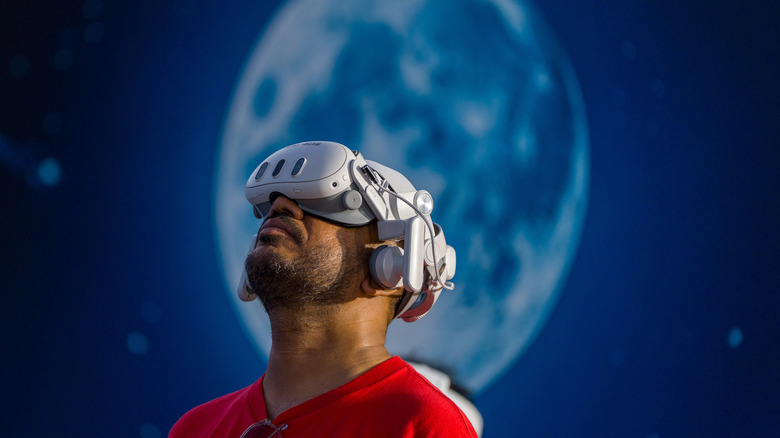
VR has long been the tech industry's sci-fi-inspired pipe dream. While it's cool to imagine a "Snow Crash" pair of VR goggles that take you to a hyperrealistic digital world, the reality is less rosy. In the current year, many view the entire VR industry as a lost cause. For one, VR headsets don't sell very well. Just ask Sony, which abandoned its PSVR 2, or Apple, which has all but forgotten about the Apple Vision Pro, or Meta, the king of VR, which gutted its VR division after shoveling billions into an incinerator for it.
For another, few want to risk making content for VR. Developers now give a wide berth to VR games. I've seen some who claim (not strong claims, to be clear, but claims that would seem logical) that retention for VR headsets is low. Anecdotally, I owned the Meta Quest 3 — the gold standard of VR headsets — and ended up selling it after only a year. It was hot, heavy, and uncomfortable to wear. It gave me nausea, it provoked some crazy eye strain, and, most importantly, I didn't have any fun outside of a scarce few good VR experiences like "Half-Life: Alyx." Beyond gaming, it was a poor choice for a digital work environment.
In my view, the problem is that VR sounds good on paper, but just does not translate into the "Ready Player One" future we imagine it to be — at least not with current technology. We're seeing a rerun of VR with smart glasses, which are not super useful and have been used by creeps to secretly film women. Maybe someday this could change with better hardware and more thoughtful use of it, but for now it's amazing so many VR headsets have sold and still sell.
Foldable phones
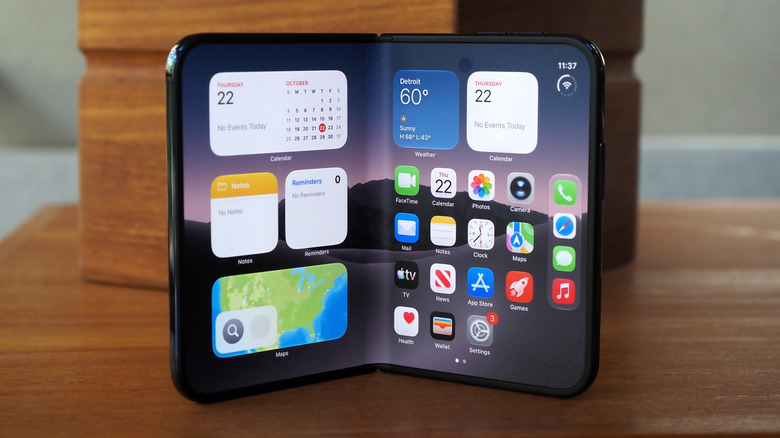
Speaking of ideas born from sci-fi, foldable screens. The tech industry has been trying to make these things a thing for decades, and circa 2018, they finally became one with the first folding phones. Yet almost a decade later, even the latest cutting-edge iPhone Duo feels to many like a prototype. Admittedly, impressive advancements have been made. Foldables have gotten thinner, adopted trifold designs, and improved the screen and hinge technology, but this hasn't changed the fact that only a small percentage of people actually have them — which, I think, lends weight to my argument that they're overrated. And there are other reasons.
One, they continue to be absurdly expensive. Want a "cheap" foldable? You're probably going to have to get something like the Motorola Razr, which starts at $799. If you look at the "true" foldables, i.e., book-style or passport-style ones, prices often start shy of $2,000. And for that price, you often have to settle for worse specs in some areas, such as worse battery life, worse back cameras, and worse speakers than a premium non-folding smartphone. Foldables are also incredibly expensive to repair.
Further, foldables continue to have the same durability issues. You can still damage the latest foldables' inner screens with just your fingernail, and sand and dust can get into the hinge and make a goosebump-inducing crunching sound every time you open and close the phone — or in the case of the new iPhone Duo, prevent it from closing entirely. Then there's the fact that some foldable owners quickly realize the folding aspect is a gimmick. Don't get me wrong, I can see the appeal and the potential use cases for a mini tablet that fits in your pocket, but I think, all things considered, the hype doesn't match the reality.
AirPods Max
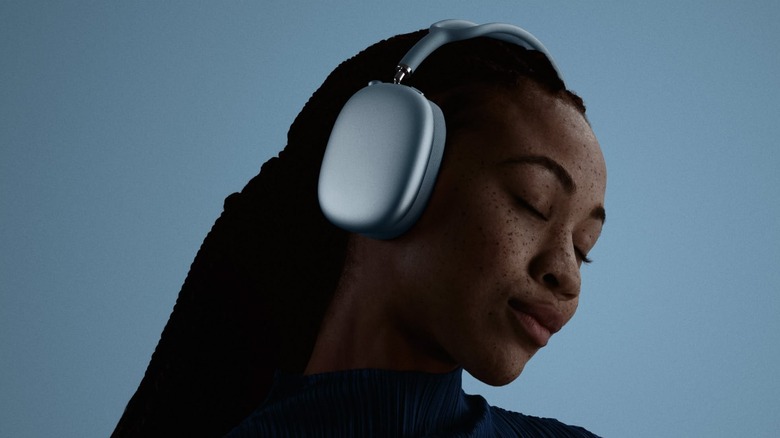
The AirPods Max are a fascinating product, simply because they are deeply, deeply flawed and Apple still makes them. Where do I even begin? One, they're ludicrously expensive at $549 compared to cheaper competitors like the Sony XM6 ($460) that have better battery life and, in my view, better noise cancellation and sound quality. Then there's the fact that Apple updates them sparingly, and halfheartedly; they came out in 2020, and the AirPods Max 2, released in 2026, basically only upgraded the chip.
Anyone who owns them (myself included) knows they have constant connection issues, like randomly connecting to your devices while in "sleep" mode and draining the battery. They're also known to fail within a few years, either from condensation that gathers in the cups or from the hinge flex cable ribbon breaking — which is a nightmare to repair, by the way. Many find that the mesh headband loses elasticity. Some users say they have had to replace them more than once because of these issues. And that's before even mentioning that they have one of the worst cases imaginable and they are incredibly heavy, being made of aluminum.
This is not to say they are without their advantages. Anecdotally, I find them to be very comfortable, they have an exceptional transparency mode, and they're the only pair of headphones out there that enjoys Apple's instant device switching. It appears the revenue is only enough to justify selling more, but not the overhaul they desperately need. Ironically, despite their many issues, they still remain — in my view — a status item that influencer types wear to make themselves look rich, which probably drives others to buy them without understanding what they're getting themselves into. If that doesn't sound overrated, I don't know what does.
Pod coffee makers
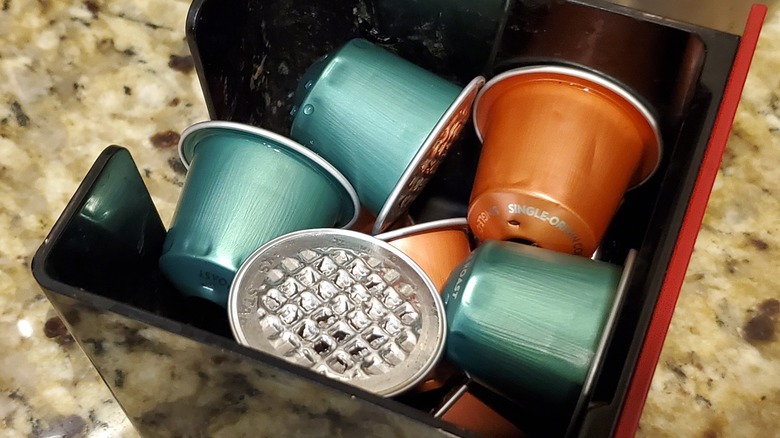
Pod coffee makers continue to be a popular, convenient way to make "barista-grade" coffee from the comfort of your home. They rank highly on our list of best coffee makers available. And I will concede they are convenient and they do make good coffee (I used to own a Nespresso), but that doesn't change the fact that they are heavily overrated.
The number one issue is one you probably already know: their disposable cup system. While there are jerry-rigged ways to refill the cups, these coffee makers are designed to push you to buy their proprietary pods so they can make a killing, in the same way printer companies like HP make a killing selling ink. So this means that you, in a sense, own a subscription coffee maker. Further, those individual disposable pods are a huge environmental issue, and the pod coffee-making companies have lied about making them more recyclable; it's not hard to see how pods, like disposable straws, only choke up our oceans with plastic.
Pods continue to be a significant part of the business for companies like Keurig, and single-serve pod coffee makers continue to be recommended on review sites. Yet the fundamental issues remain. Cups are more expensive in the long run. You could put that money into an espresso machine or go cheap with a French press, which can make surprisingly good coffee for a bit of extra inconvenience. Regardless, it's amazing these pod machines are still as widespread as they are despite the intrinsic disadvantages to them.
Robot vacuums
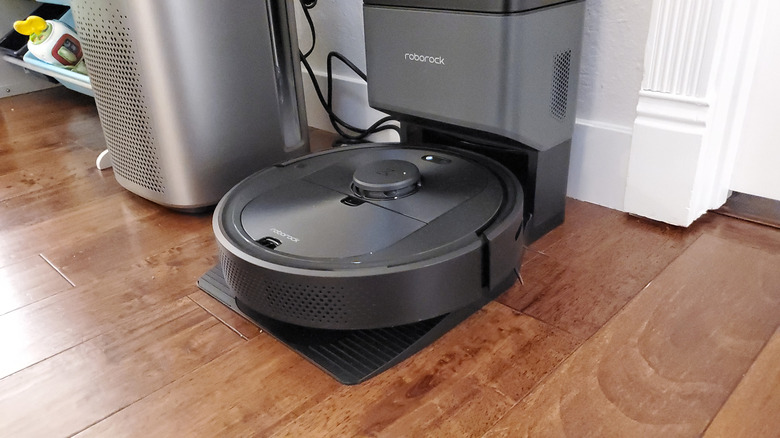
Robot vacuums are another item that, at least when I was a kid, was viewed as a signpost for the sci-fi future we were aiming at. A robot cleaning your house? Sign me up, I wanna live like the Jetsons. By now, though, robot vacuums have become ubiquitous. They are quite affordable, even ... and overrated, in my humble opinion. This is admittedly the most controversial item on this list, but hear me out.
For one, I (and others) find they don't do the best job. They're limited in where they can go, they require a home free of obstacles, they can damage your stuff, and even when you've accounted for all of that, they often do only a mediocre job that requires you to vacuum after them anyway — kind of negating the point. Based on my personal experience, a robot vacuum is like handing a 5-year-old child a Dyson, and then leaving them unattended. Plus, they don't always do a great job mapping your home, they take forever, and they present a tripping hazard; it's incredibly annoying when you're trying to walk around and avoid taking a spill because the robot vacuum happens to be there, quietly doing its thing.
Oh, and they also might be watching you. Since many use cameras to navigate, hackers have found ways to turn robo vacuums into little mobile cameras that they can send anywhere in the house to watch the inhabitants. Hopefully it's not surprising to anyone by now that a cheap robot vacuum from a company you don't know or trust is a serious privacy concern, aside from the issues I already mentioned. This is not to say you shouldn't get one, but at least know what you're signing up for and what they're really capable of.