

10 Android Phones That Beat The Google Pixel 11 Pro's Battery Life
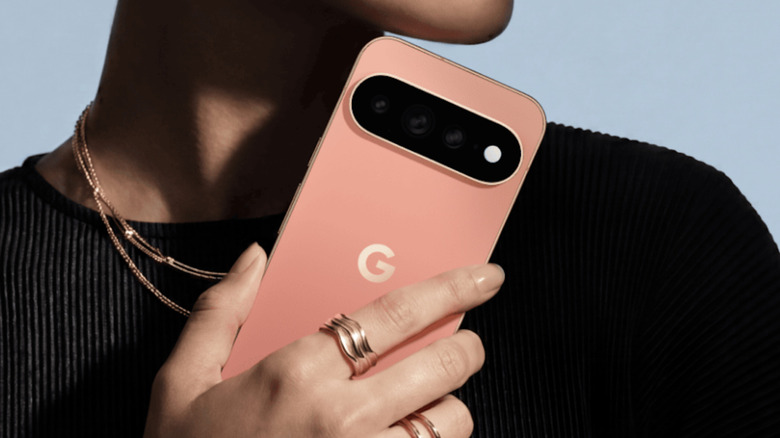
Google's Pixel 11 lineup, in particular the Pro, is out now. We reviewed the Pixel 11 and quite liked it. Having said that, there are downsides to Pixel phones, one of which is their sometimes lackluster battery life. According to Google, the Pixel 11, 11 Pro, and 11 Pro XL get more than 30 hours of battery life, which seems right in line with competitors, but a lot of other Android phones can endure longer despite not having Google's fancy Tensor AI chips and on-device AI. We'd like to show you a few.
Before we dive into this, we will be the first to admit that battery life is a tricky topic. How good a phone's battery life is can vary wildly depending on whether it's doing menial everyday tasks like messaging, playing a demanding game, or sitting unused in standby mode. Factors like its chipset, its engineering, which flavor of Android it's using, and more contribute to power consumption. Even lab tests yield results that disagree.
In short, a big battery is not the only piece of the puzzle, and you won't find one single number that perfectly describes battery life. We'll take a look at what manufacturers are saying, plus independent sources, to give you an idea of the battery life on Pixel 11 Pro competitors. The Pixel 11 Pro has the advantage in some areas, but not in others.
Samsung Galaxy S26 Ultra
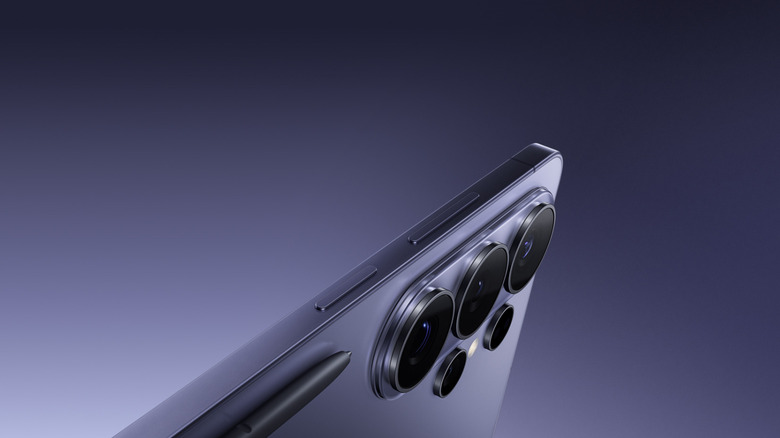
Since we're not including iPhones on this list, we'll start with Samsung, Google's number one Android-based competitor in the U.S. The Samsung Galaxy S26 Ultra (its current flagship) has a 5,000 mAh battery compared to the 4,850 mAh battery in the Pixel 11 Pro. The S26 Ultra is advertised as having about 31 hours of battery life during video playback. We'll use that as the primary metric for manufacturer claims in the comparisons that follow, since manufacturers often quote it, though we'd prefer overall everyday battery life when available. The S26 Ultra is in the same ballpark as what the Pixel 11 Pro advertises, yet independent testing tells a more complicated story.
For this article, we're looking at testing done by NanoReview, PhoneArena, and GSMArena, all of which (we feel) have rigorous enough results that we can come to a reliable conclusion by combining them. We'll be looking at many different metrics, focusing on screen-on numbers; screen-off activities, like calls, music listening, or a phone unused in standby, are not the focus unless those are the only numbers we have.
All three sources agree that the Pixel 11 Pro has better battery life during video playback, and two of the three give it the edge in web browsing; PhoneArena is the exception. GSMArena puts the Pixel 11 Pro's battery life at 25 hours and 20 minutes when watching YouTube, compared to 24 hours and 48 minutes on the S26 Ultra. However, Samsung wins against the Pixel 11 Pro in gaming, and the gap is widest in PhoneArena's testing, where the Pixel gets less than half the battery life of the S26 Ultra. Estimates for overall battery life are in favor of the S26 Ultra.
Samsung Galaxy S26
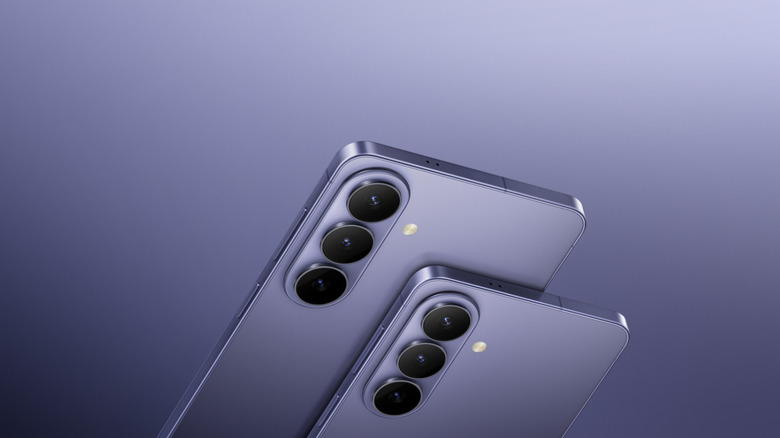
The Galaxy S26 sits under the S26 Ultra with a smaller battery: 4,300 mAh to the Ultra's 5,000 mAh. Samsung still advertises it as having the same 31 hours, max, of battery life during video playback. How does that play out in testing? Once again, the sources get differing results.
GSMArena's battery testing of the S26 shows it getting less battery life in every category compared to the Pixel 11 Pro, with two exceptions: calls and gaming. The S26 gets 27 hours and 37 minutes in calls and 9 hours and 27 minutes in gaming, while the Pixel 11 Pro manages 23 hours and 50 minutes and 9 hours and 13 minutes, respectively.
PhoneArena gives the S26 first place in every category but video playback; the Pixel 11 Pro manages 11 hours and 4 minutes to the Galaxy S26's 8 hours and 54 minutes. It also gives the Galaxy S26 better overall battery life at 6 hours and 37 minutes versus the Pixel 11 Pro's 5 hours and 44 minutes, although GSMArena disputes this: in its testing, the Pixel 11 Pro endures 15 hours and 38 minutes overall compared to the S26's 15 hours and 20 minutes. The race is much closer here, and it's worth remembering that the S26's battery is 550 mAh smaller than the Pixel 11 Pro's. Typically, bigger, premium pro versions of phones have better battery life, so it's impressive that a non-pro flagship can compete with — and sometimes beat — the Pixel 11 Pro.
Samsung Galaxy S26 Plus
The Samsung Galaxy S26 Plus is a larger companion to the normal S26 with a 4,900 mAh battery, only 50 mAh more than the Pixel 11 Pro's. Think of it like the discontinued iPhone Plus, a larger version of the base iPhone. The S26 Plus is neck and neck with the 11 Pro in GSMArena's video playback testing, managing 25 hours and 12 minutes compared to the 11 Pro's 25 hours and 20 minutes. However, in overall usage the S26 Plus gets 16 hours and 24 minutes of battery life versus the Pixel 11 Pro's 15 hours and 38 minutes. NanoReview also gives the Pixel 11 Pro the edge in video playback and web browsing.
One category where all sources agree is gaming. The 11 Pro falls behind with 9 hours and 13 minutes of gameplay battery life, versus the S26 Plus's 10 hours and 4 minutes. PhoneArena, as we've seen, is not very optimistic about the 11 Pro; the 11 Pro only manages 4 hours and 23 minutes while gaming versus the S26 Plus's 10 hours and 18 minutes. PhoneArena also disputes the browsing results from GSMArena and NanoReview, giving the S26 Plus 18 hours and 23 minutes versus the 11 Pro's 11 hours and 4 minutes. Considering these phones are priced identically — $1,099 — the Galaxy S26 Plus may be the better bang for the buck, if battery life is the primary factor.
OnePlus 15
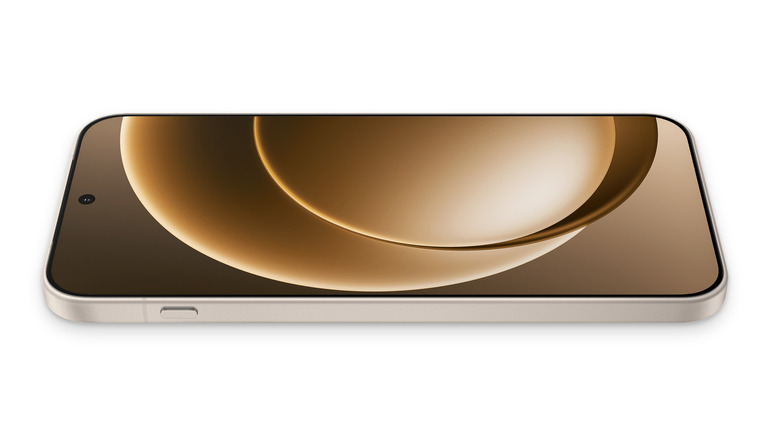
OnePlus may be leaving the U.S. market, but none can deny that its final flagship available to U.S. residents — the OnePlus 15 — put on an encore before the curtains closed in 2025. It's still an exceptional phone today and will receive updates until 2031. One of the biggest reasons you should get the OnePlus 15 over the 11 Pro is its phenomenal battery life. It's one of limited available phones in the U.S. that use silicon-carbon batteries, with a 7,300 mAh battery. That's a 2,450 mAh difference, or about 50% more capacity. The OnePlus 15 is rated with a modest 31 hours, like Pixels and Samsung Galaxies, yet some reviewers found it gave them multiple days of battery life.
The difference really shows in controlled battery testing. GSMArena sees the OnePlus 15 beat the Pixel 11 Pro in every category, getting 23 hours and 7 minutes total versus 15 hours and 38 minutes. In specific usage, the OnePlus 15 gets 32 hours and 57 minutes watching videos and 13 hours and 5 minutes gaming, while the 11 Pro only manages 25 hours and 20 minutes and 9 hours and 13 minutes, respectively.
There's no question with NanoReview, either. The OnePlus 15 manages 28 hours and 44 minutes, and just a minute over 10 hours in video playback and gaming, respectively. Finally, PhoneArena gets an unsurprising result: 10 hours and 44 minutes of total battery life, 12 hours and 37 minutes in video playback, and 14 hours and 16 minutes in gameplay. Once phones in the U.S. adopt silicon-carbon batteries — or some superior battery chemistry later on — the OnePlus may no longer be so far ahead.
Nothing Phone (4a)

Nothing is a spiritual successor of sorts to OnePlus in its heyday, back when it was a cheaper flagship-killer brand. We've enjoyed many of its past offerings, like the Nothing Phone (3a). The Nothing Phone (4a) lineup is one of its newest releases. The baseline (4a) has a 5,080 mAh battery, though Nothing doesn't list official battery life numbers on its website or spec sheet.
According to GSMArena, the Nothing (4a) is unable to surpass the Pixel 11 Pro in any category except calls, despite having a larger battery. It falls at least a couple of hours short with 13 hours and 33 minutes in overall usage, 21 hours and 48 minutes in video playback, and 6 hours and 41 minutes in gameplay. However, PhoneArena's results conflict: the Phone (4a) has superior overall battery life at 7 hours and 10 minutes, as well as better browsing and gaming battery life, at 18 hours and 44 minutes and 6 hours and 50 minutes, respectively. The Nothing (4a) uses an older Snapdragon 7s Gen 4 built on a 4-nanometer process, which may explain why it's less efficient than the more modern Tensor G6 in some testing.
Although this result may seem mixed, price is an important factor here. The Nothing Phone (4a) launched at £379 (about $500), while the Pixel will cost you $1,099. Averaging out battery testing, you get a phone with roughly comparable battery life for half the price.
Nothing Phone (4a) Pro

The Pro variant of the Nothing (4a) has the same 5,080 mAh battery as the base (4a), with only a few differences compared to the non-Pro version, such as a Snapdragon 7 Gen 4 chip. Again, Nothing does not list any official battery estimate on its website. Results are similar.
GSMArena again sees the Nothing Phone (4a) Pro coming close but still being eclipsed by the Pixel 11 Pro. It gets 15 hours and 16 minutes of overall battery life, 24 hours and 4 minutes of video playback, and 8 hours and 16 minutes of gameplay compared to the Pixel 11 Pro's 15 hours and 38 minutes overall, 25 hours and 20 minutes, and 9 hours and 13 minutes, respectively. And once again, PhoneArena produces a different result: the Nothing Phone (4a) Pro gets better overall battery life at 7 hours and 22 minutes, better browsing at 16 hours and 22 minutes, and better gaming battery life at 6 hours and 44 minutes, compared to the Pixel 11 Pro's 5 hours and 44 minutes, 11 hours and 4 minutes, and 4 hours and 23 minutes, respectively.
NanoReview gives the Nothing Phone (4a) Pro far better standby time, with 132 hours versus the Pixel 11 Pro's 86 hours, but finds the Pixel 11 Pro beats the (4a) Pro by up to an hour in browsing, video, and gaming. You can find the (4a) Pro on Amazon now for about $600. Many would prefer roughly equivalent battery life in most categories for a little more than half the price.
RedMagic 11S Pro
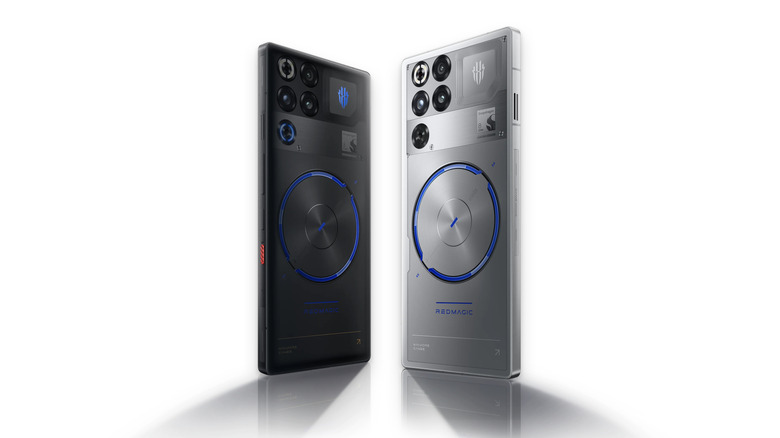
The RedMagic 11S Pro is a gaming phone that sells for $849 when you can find it in stock. It has a huge 7,500 mAh battery, which is about 55% larger than the Pixel 11 Pro's. RedMagic advertises 34.1 hours of daily usage, and 12.5 hours of YouTube live streaming with the volume set to max and the screen brightness at full. Battery life is what you'd anticipate.
GSMArena puts its overall battery life at 20 hours and 18 minutes, with 27 hours and 24 minutes of YouTube and 13 hours and 7 minutes of gaming; all of its measured numbers are higher than the Pixel 11 Pro's, which shouldn't be surprising with that battery capacity. NanoReview doesn't have battery benchmarks for the 11S Pro, but it does have them for the RedMagic 11 Pro, the previous version, which has an identical battery capacity. In those tests, the RedMagic 11 Pro roundly defeats the Pixel 11 Pro in every category, getting 24 hours and 2 minutes of video playback and 9 hours and 1 minute of gaming, versus the Pixel 11 Pro's 22 hours and 7 minutes and 6 hours and 33 minutes, respectively.
As one final nail in the coffin, PhoneArena's tests show the 11S Pro getting roughly double the battery life in all but the video playback test: 10 hours and 1 minute total versus the Pixel 11 Pro's 5 hours and 44 minutes. Then again, for a battery about 55% bigger than the Pixel 11 Pro's, far superior battery life is the least we'd expect.
Xiaomi 17T Pro
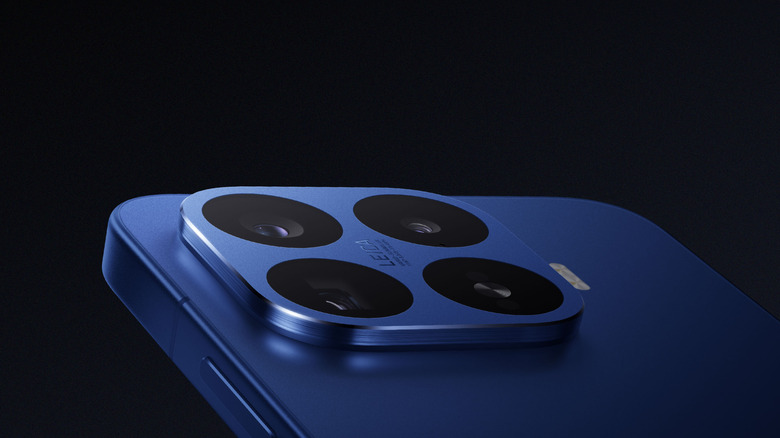
The Xiaomi 17T Pro is one of the many great phones you can find on the other side of the pond, though not as easily here; you can sometimes buy it on Amazon. It features a 7,000 mAh battery, and Xiaomi claims about 30.7 hours of video playback and 20.3 hours of constant use. Considering the size of that battery, you can see where this is going. GSMArena gives it an overall score of 21 hours and 41 minutes, with 28 hours and 21 minutes of video playback, and 12 hours and 17 minutes of gameplay, beating the Pixel in every testing category.
It's a similar story for NanoReview: the 17T Pro gets 24 hours and 44 minutes of video playback and 9 hours and 34 minutes of gaming, compared to 22 hours and 7 minutes and 6 hours and 33 minutes on the Pixel 11 Pro; the 17T Pro wins in every category. Finally, PhoneArena shows a similar result with 9 hours and 43 minutes total, as well as 14 hours and 14 minutes of video playback and 5 hours and 51 minutes of gaming, versus 5 hours and 44 minutes, 11 hours and 4 minutes, and 4 hours and 23 minutes, respectively, on the Pixel 11 Pro. Once more, this result is entirely expected on a phone that has 44% more battery capacity than the Pixel 11 Pro.
Realme GT 8 Pro
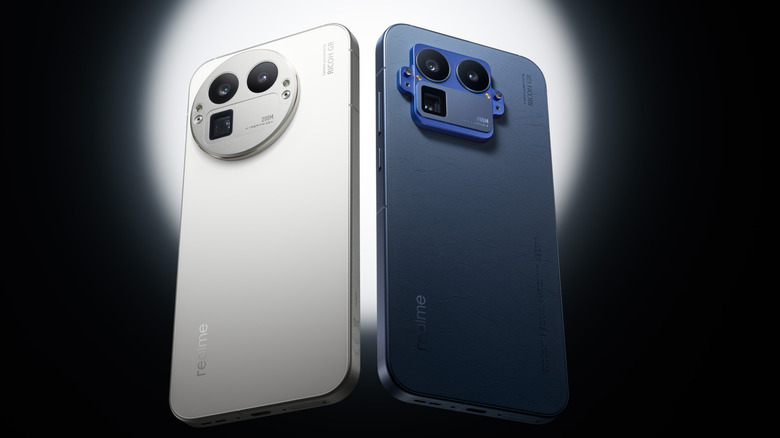
Realme is another brand you probably won't see in your local carrier's brick-and-mortar store in the U.S. The Realme GT 8 Pro is a solid choice you can purchase on Amazon. It has a 7,000 mAh battery, making it another phone with about 44% more battery capacity than the Pixel 11 Pro. On the official website, Realme estimates you'll get about 21 hours of playback on YouTube, which does seem a little low when manufacturers often rate their phones significantly higher in video playback scenarios.
Results are in the same ballpark as the Xiaomi 17T Pro. In testing from GSMArena, it gets 20 hours and 23 minutes of overall battery life, as well as 28 hours and 26 minutes of video playback and 10 hours and 45 minutes of gameplay, versus 15 hours and 38 minutes, 25 hours and 20 minutes, and 9 hours and 13 minutes, respectively, on the Pixel 11 Pro. Not as big an uplift as you might expect, but still a solid result: roughly five extra hours in overall usage and three in video playback.
NanoReview gives the GT 8 Pro 24 hours and 49 minutes of video playback and 8 hours and 34 minutes of gaming, versus the Pixel 11 Pro's 22 hours and 7 minutes and 6 hours and 33 minutes, respectively. PhoneArena does not have any testing results for the GT 8 Pro.
Honor Magic8 Pro
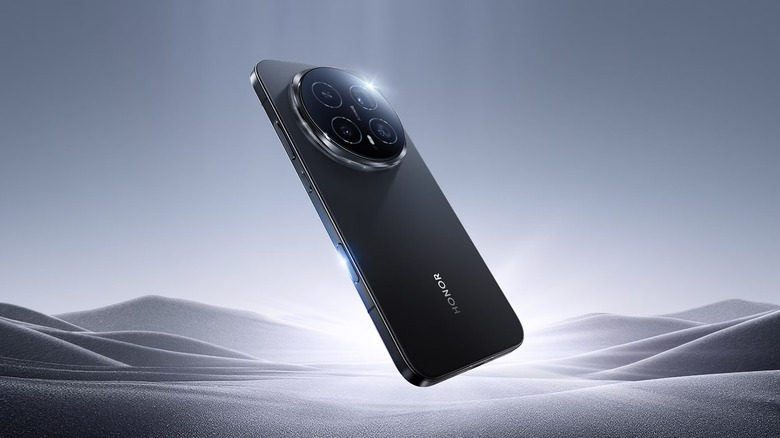
Honor, like RedMagic, Xiaomi, and Realme before it, is evidence that Chinese phone makers are killing it. The Honor Magic8 Pro is the brand's current flagship candy-bar smartphone, setting aside Honor's curious robot phone. You can purchase it through Amazon. It has a 7,100 mAh battery (about 46% larger than the Pixel 11 Pro's), though Honor's official page does not give any estimates for how long that battery will last in varying scenarios. A bit strange, since it has a huge silicon-carbon battery promising great battery life, as you'll soon see.
GSMArena gives the Honor Magic8 Pro 19 hours and 7 minutes overall, with 27 hours and 44 minutes of video playback, and 11 hours and 7 minutes of gameplay. It beats the Pixel 11 Pro in all categories. We see similar results with NanoReview: 24 hours and 12 minutes of video playback and 8 hours and 32 minutes of gameplay. Rounding things off, PhoneArena concurs with 8 hours of overall battery life, 12 hours and 7 minutes of video playback, and 9 hours and 33 minutes of gameplay.
How we chose the phones for this list
It is challenging to make the blanket statement "this phone has better battery life than that phone." Battery life depends on a lot more than just battery capacity; it varies wildly depending on use case, and manufacturers' estimates are often overoptimistic. So, we looked to sources we believe to be trustworthy and sought a reliable average somewhere in the middle.
GSMArena, NanoReview, and PhoneArena, our sources, all openly describe their testing methodology and procedures. GSMArena and PhoneArena both do controlled in-house testing; NanoReview collects user benchmarks, then analyzes the data to create its results. We feel having a balance between these two different approaches — lab testing and user benchmarks — is important; lab testing produces consistent, measurable results ideal for direct comparisons, while user benchmarks show the randomness of how people actually use their phones in the wild. In our estimation, a phone has better battery life if it beats the Pixel 11 Pro in most categories across our sources, and comparable battery life if the results are split.
Our focus here was on users in the U.S., so we chose phones that can actually be purchased in the U.S. — even if not directly from the manufacturer. Fortunately, some of the phones with silicon-carbon batteries can be bought in the States. Finally, we want to reiterate that the Pixel 11 Pro is by no means a bad phone. It performs respectably with the battery capacity it has. But if true all-day battery life is what you seek, it may not be the phone for you.