

There's A Good Reason Apple And Google Shouldn't Use Silicon-Carbon Batteries
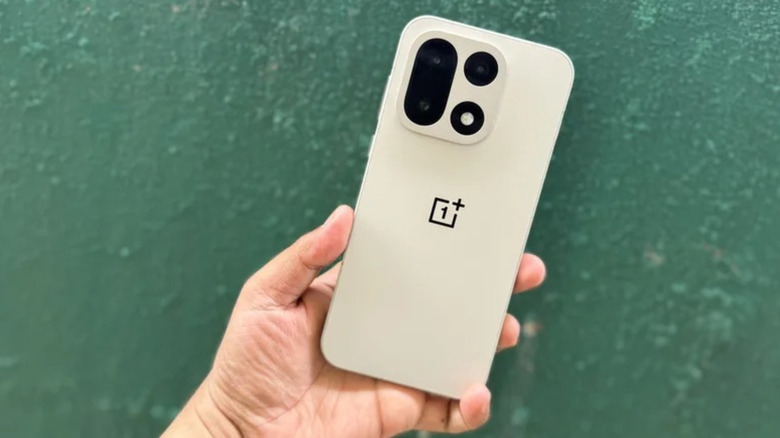
Starting last year, smartphone batteries began doing something previously thought impossible. Battery technology had long been somewhat stagnant, and 5,000 milliamp-hours (mAh) was considered to be on the large side. Batteries of that size can power a flagship phone for one to three days, depending on use patterns and software optimization, but they're also easy to kill in a few hours if you shoot a lot of video or play demanding video games. But then a new battery technology called silicon-carbon hit the market. We quickly saw phones like the OnePlus 15, which carries a 7,300 mAh cell, and the Honor Power 2, which carries a whopping 10,080 mAh capacity. And these aren't chunky devices. They're as sleek as you'd expect a brand-new smartphone in the mid-2020s to be.
Given all of this, smartphone enthusiasts have started to wonder why Apple, Samsung, and Google are late to the party. Battery improvements are one of the most tangible ways to make consumers upgrade their phones. A slightly improved camera might move some photography-forward folks, but a battery that's impossible to kill before you make it home from work? That's an upgrade everyone can see the value in. So why did the iPhone 17, the Galaxy S26, and the Pixel 10 all launch with old-fashioned lithium-ion batteries?
YouTuber Marques Brownlee, better known as MKBHD, decided to investigate. His findings were inconclusive, but pointed toward a very simple explanation. Namely, major brands like the big three can't afford to take risks on an unproven battery technology. So, is that the real reason for the lack of silicon-carbon batteries in Western markets, and if so, does it hold up under scrutiny? Here's what we know.
Silicon carbon may be too big a risk for major smartphone makers
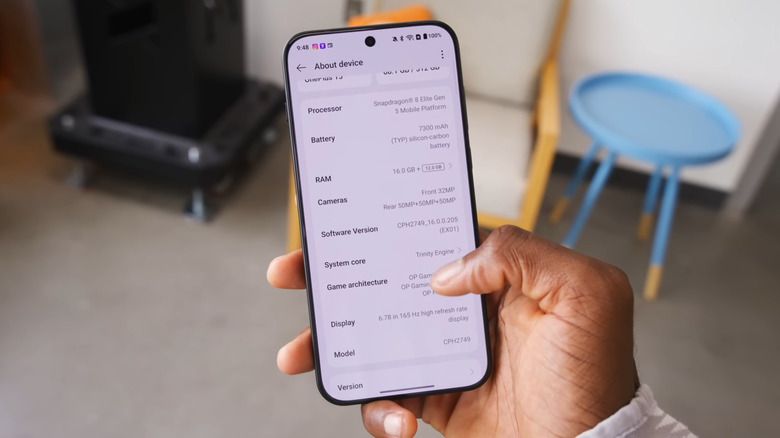
In his video exploring the rationale driving companies like Apple and Google to hold off on adopting silicon-carbon batteries, Marques Brownlee found a simple explanation. Those companies have brand reputations to maintain, and if there's a risk that their latest flagship phones could become the next Galaxy Note 7 (which had the worst smartphone recall in history due to thermal runaway issues in its batteries, and was even banned on flights by the Department of Transportation, they'd rather appear behind the cutting edge than face that kind of public crisis. Granted, the Note 7 was powered by lithium-ion batteries.
Brownlee, who has griped about the lack of silicon-carbon batteries in his recent smartphone reviews, claimed that a number of employees at various companies have reached out to him and clarified some of the concerns about the technology. Though he declined to name sources in order to protect their anonymity, Brownlee said the emails were corroborated by other sources he spoke with, who each mentioned concerns around the potential for battery swelling and poor longevity in silicon-carbon batteries.
As Brownlee explained, batteries naturally swell and contract as they heat and cool. It's a basic principle of physics that affects not only the way batteries are designed, but also buildings, public infrastructure, and more. And, of course, this cycle of expansion and contraction degrades batteries over time. Silicon-carbon batteries expand more than lithium-ion batteries — in fact, as Brownlee notes, the carbon is largely there to absorb the excess stress caused by a power cycle. Given the uncertainty around their safety and longevity, silicon-carbon batteries likely won't show up in iPhones, Pixels, or Galaxy devices for a bit longer.
The counterpoint: all smoke, no fire
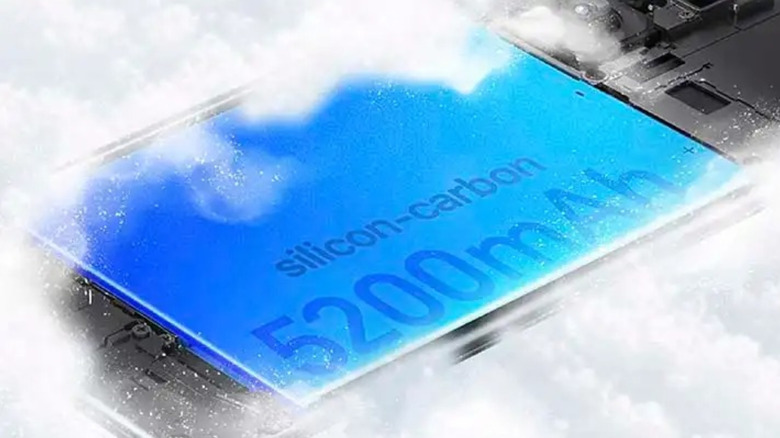
The reason Apple, Google, and Samsung aren't using silicon-carbon batteries may indeed be that they're scared to adopt new battery technology before it's been proven safe, as Marques Brownlee was allegedly told by industry insiders. But the only thing his video actually confirmed, some argue, is that companies are afraid to use the tech, not that their fears are well-founded.
Silicon-carbon battery technology has now been on the market for a while, and adoption truly exploded (pun intended) in 2025 as many Chinese brands rushed silicon-carbon-powered phones to market with enormous cell capacities plastered on their marketing materials. If fears around the stability and longevity of these batteries were warranted, wouldn't we have seen an epidemic of combusting Honor, Oppo, and Xiaomi phones by now?
It is, of course, possible that issues will show up later. Maybe a bunch of OnePlus 15 devices will start exploding next year, or the year after. Meanwhile, lithium-ion batteries aren't exactly bulletproof (again, the Note 7 bears mentioning). Many people have experienced the terror of finding their smartphone split open from a swollen battery. It's just one reason why that old smartphone sitting in your drawer could be a disaster waiting to happen.
Risk-averse tech companies are likely to wait a bit longer before dipping their toes into the silicon-carbon waters, while smaller firms, which have more to gain from impressive spec sheets than they have to lose if a product goes sideways, will keep swimming laps around them. In some ways, that's a healthy ecosystem. The average consumer who isn't a tech enthusiast will continue to buy smartphones from safe, mainstream brands, while those who would willingly read an article like this to its conclusion can indulge in the bleeding edge.