

5 Essential Requirements To Know For An Engine Swap
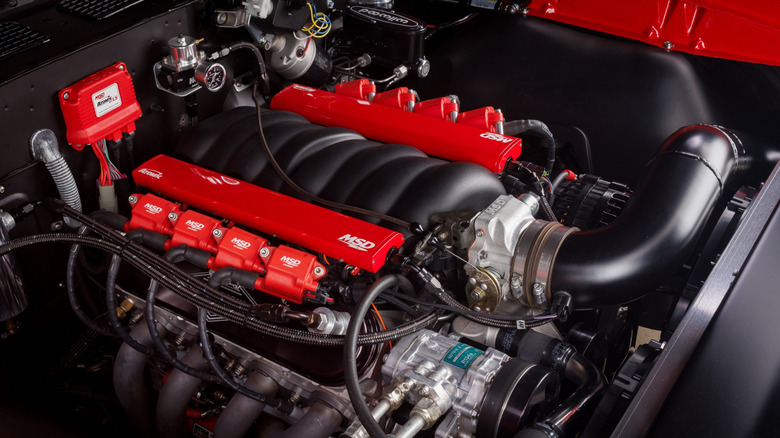
For many years, I was fortunate to manage custom aftermarket vehicle shops. There were many instances where the correct fix or desired upgrade for a vehicle was to source a new motor, either from a donor vehicle, an aftermarket crate motor, or a new engine from the manufacturer.
This is never a simple process, so when customers would pop in and casually speak of swapping in a new engine as though they were going to be building with big Lego sets, it always sent a cold shiver down my spine. I would wonder if this customer actually understood the complexities and manifold issues that make engine swaps a tricky business. I'd worry they had watched one too many 30-minute videos, edited to remove all hiccups and issues, and thought it seemed pretty easy to just toss a motor into their bay and call it done.
Knowing the requirements for successfully tackling an engine swap project is critical for success. Like many things automotive, the devil is in the details, and the second half of the job comes when you think you are about 95% of the way there. However, paying attention to the details as the research phase plays out, making a list of the requirements, and planning ahead with precision and real numbers can make swapping a new engine into your ride a fun, rewarding experience and let you say this one was built, not bought.
Budget, fitment, and chassis architecture
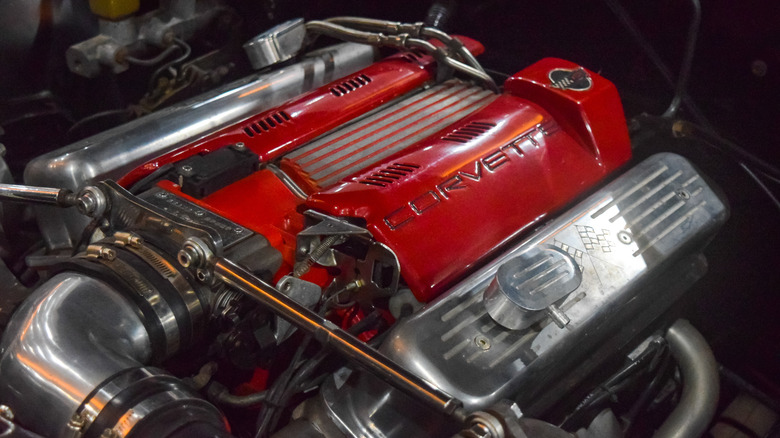
Just because your cousin has an old Chevy small block out back does not mean you can just shoehorn it into your current project for the price of beer and pizza. Instead, it is a case of "measure twice, cut once" and then coming up with a budget — then doubling it. That measuring must be done with acceptable precision to avoid gremlins that will bedevil your project to death, and the budgeting must be done with steely realism rather than hopeful optimism.
The measurement process can't be limited to eyeballing the empty space under the hood. Instead, you need to know the location of the motor mounts down to the millimeter, the engine height relative to the hood, and the distance and routing of the steering shaft (and where you will source an appropriately sized setup). You also need to determine driveline angles to avoid fitment issues.
Each of these considerations, components, and steps will have a price tag attached to them. Every time you realize that something has to be changed, it can easily affect other components upstream and downstream. If you do not plan effectively, you risk paying an inflated price, as changes mid-flow tend to be expensive, and the bang-on effect of changing out parts as you change the plan can lead to the type of ballooning cost that can make builders abandon projects, as the juice isn't worth the squeeze.
Drivetrain integration
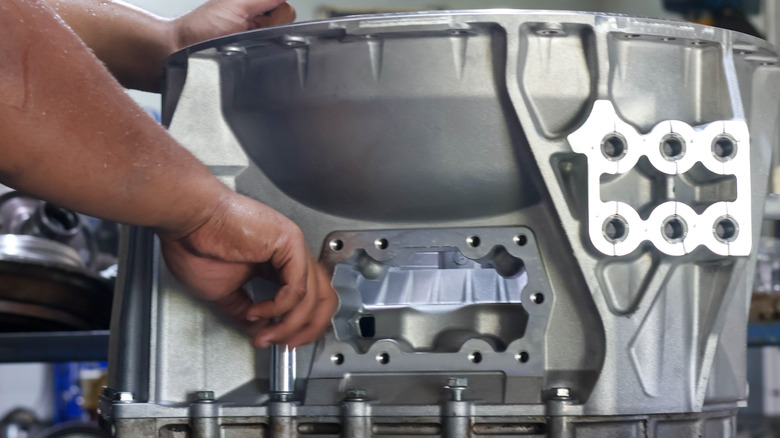
This is also not something you can leave to the precision of your squishy Mark 1.0 human eyeball, nor is it a matter of copying someone else's build. Even the same vehicle from the same year can have significant variances that make aligning transmissions to engines difficult. It is up to you and your measurements to ensure acceptable fitment.
In the early planning stages, you should account for the connection points where major components are going to shake hands. Consider the bellhousing bolt pattern: Does it agree? Will the torque converter fit in the space if the motor is larger than the stock unit it is replacing? Is there sufficient room for the transmission? What length of driveshaft will you need, and where will you source it? All these questions and more must be answered with measurements and certainty, not with a gut feeling.
Once the engine is in its cradle, there must also be room for the accessories, and, ideally, a little room left over for the heat management and your hands to facilitate future repair, adjustment, and routine maintenance. Be flexible at this stage. It may be worth changing plans if it means you can no longer fit an AC compressor in the room left after the new motor is dropped in.
The electronics show
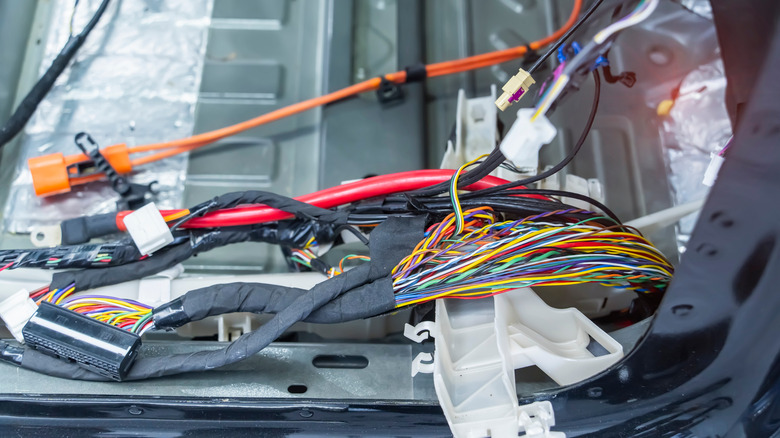
Wedging the engine into its home is just the first battle. Winning the engine swap war will often come down to successfully planning the electrical aspects of the project before you get there. Consult trusted sources. If you have never had to come to grips with a wiring diagram, you may want to get a little practice, or, failing that, round up a buddy who knows more than you. This is the kind of project where more hands make for lighter work.
Furthermore, there are levels to the game of engine swapping. A couple of mechanically inclined friends probably have a fair chance of pulling the air-cooled, carbureted 6V motor from a VW Bug and swapping in something similar but more potent without much build experience under their belt. However, if you think your vintage Mercedes sedan could really benefit from a turbocharged 6.0-liter Chevy LS, you will have set yourself up for a very steep learning curve.
At the peak of that curve lies the electrical systems. Wiring trouble is a classic reason Facebook Marketplace is littered with half-finished project cars for sale because of "not enough time" or "wife wanted the garage clean." The actual reason, as often as not, is that after getting all the big pieces in place — ECUs, the CAN bus, sensors, ignition, or wiring harness — they don't play well together, and their engine bays look like someone started a food fight at the pasta bar.
The auxiliary systems
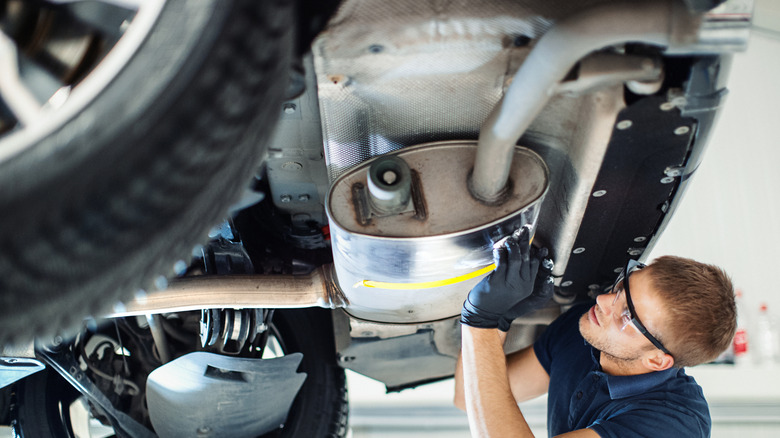
The heart of your project may be the engine itself, but in order for a swap to be a success, it is important that the new motor works with the old systems or that new ones are sourced, and that cannot be a matter of chance. If any step of your plan involves the words "hopefully" or "we'll see," you need to stop and take a minute to determine what you need in order to be able to speak with certainty about each auxiliary system. Consider why you have chosen this component, and how exactly it first fits into your plans.
Whether you will be able to reuse the accessories that came from the old unit to handle cooling, fuel delivery, and exhaust duties should be something you have already considered before arriving at the point where it is time to start buttoning up. If you are not moving too far away from the original setup, you may very well be able to reuse some of the stock components; but very often you will need to swap these systems as well.
Larger engines will require additional cooling that stock radiators may not handle. Stock fuel delivery system components, such as fuel pumps and injectors, must work together to avoid fuel starvation or excess pressure. Exhaust system components, including headers, catalytic and emission components, and final pipes, must be considered not only for their performance or sweet sound profile, but also for possible restrictions, spacing, routing, and heat management to avoid fire danger.
Research regulations

Anyone who has spent some time at their local DMV getting a new license plate can easily imagine the pitfalls that await when it comes to issues of compliance, legality, and insurance. The wilder your swap, the more challenging the requisite efforts will be to get it licensed and insured.
Often, these bureaucratic technicalities can make builders regret starting their project at all. Failing to navigate legality and compliance correctly could expose owners to liability and loss of insurance coverage. Speak to your insurer to understand how having a new, non-factory power plant may affect your rates and coverage. When you want to drop that supercharged 3.8-liter into your surprisingly valuable Fiero or a Hayabusa mill into your Bug, you better believe your insurance agent is going to have a few questions.
Some states are more difficult to deal with than others with swapped vehicles, and that must be considered in the early planning stages. Does your state have draconian emissions, testing, and certification standards? Then this might not be the place to embark on an exotic swap. On the other hand, some states such as Florida or South Dakota have friendlier regulations for builders that can occasionally be taken advantage of by residents in other jurisdictions. Knowing your plan ahead of time and avoiding legal issues will ensure you don't swap an expensive motor into a vehicle that cannot be legally operated on the road.
Methodology
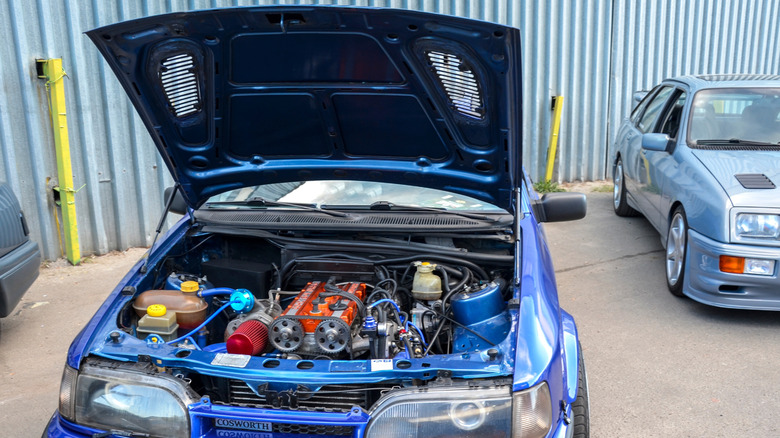
This article draws heavily upon the author's experience on the topic of engine swaps, having swapped the motors in personal vehicles, including a supercharged L67 motor into a Fiero, multiple Chevy truck swaps of various motors, and marine I/O engine swaps from 3.0-liter to 4.3-liter, and 4.3-liter to 5.7-liter motors over the years. Professionally, I've managed several high-end automotive, motorcycle, and custom off-road shops and overseen numerous engine swaps and replacements. Still, I know the value of not taking anything for granted, measuring extensively, planning in detail, and staying cool when trouble comes. I consulted online resources such as UTI and Jegs, as well as print materials like Chilton manuals, for procedural information, and sources such as Progressive, Credit Karma, Chase Bank, and Street Legal Hookup for questions about licensing, registration, and insurance.