

11 Of The Biggest Downsides To Van Life
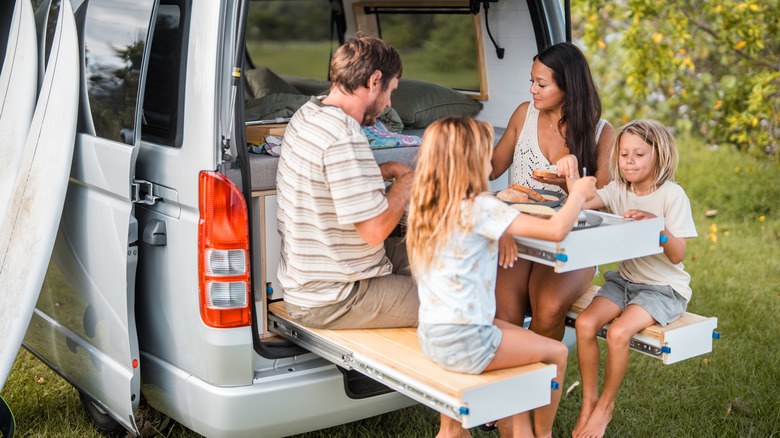
The life of the digital nomad sounds appealing to many. Who wouldn't want to hit the open road and have adventures, not worrying about being tied down to one location (and dealing with rent)? By extension, van life sounds even better — you can deck out a van to make it more comfortable to live out of, and you don't have to deal with the problems of driving an RV camper.
Van life feels like a win/win for anyone who wants to enjoy the nomadic lifestyle. However, it's not all sunshine and roses, and there is a lot to consider before setting off on your van life journey. Aside from issues like cost and space, you may find it difficult to work, find a community, and sometimes even find a place to park and sleep at night. Before you decide on what sort of van camper you may want, keep these downsides in mind and see if van life is truly the right fit.
No permanent place of residence

If you're going fully into van life and live on the road full-time, you won't have a permanent address, and that can become a big problem in ways you may not expect. A permanent place of residence is required for identification and paperwork, and without one, filing tax documents or voting can be extremely difficult. Even seemingly simple things, like ordering something online, will become a lot more difficult. PO Boxes are often not accepted for this sort of paperwork, either.
The easiest workaround, if you don't plan on having a home or apartment to return to, is to ask a family member or friend to list their address on your paperwork. However, this isn't always possible. Another solution is the USPS's free General Delivery service, which works as an address and your chosen post office will hold your mail for you. There are limitations to this option as well, such as package limits (though you can get Amazon delivered wherever you're going with Amazon Lockers), so it's another thing to keep in mind as you're looking into solutions.
Employment is limited

In addition to the above, not having a permanent address can limit your employment options. Full-time and part-time employment requires certain tax filings for the IRS, and if someone doesn't have an address they can list, it can make them difficult to employ. Because of this, even many work-from-home jobs can be off the table, as you still require a residence to list.
This leaves many van lifers and those living a nomadic lifestyle relying on a mix of freelance work and seasonal jobs. To some, this may not be seen as a con — these types of jobs tend to be more flexible in terms of the times you work, and not all of them require you to clock in and out. But if you need certain benefits that full-time employment may provide (such as health insurance), this can be a big hurdle to doing van life full-time.
Parking is difficult at times
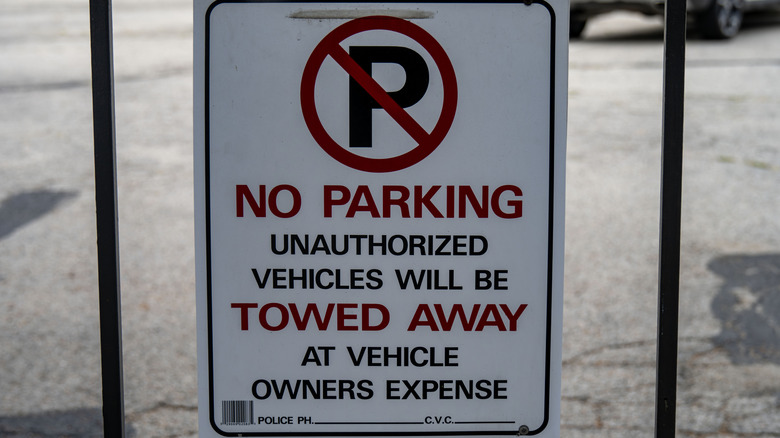
Having a place to park isn't exactly a big deal on a normal road trip, but in van life, it becomes much more difficult. You often can't just park anywhere to get rest — 'no loitering' signs very much apply to those looking to get a good night's rest in a parking lot. It might even be illegal to sleep in your van, depending on the state or city. It's sometimes possible to park your van or RV at a Walmart, but it's not always straightforward.
As such, you need to know where you can camp out for the night and have backup options if something doesn't work out. This can add stress to more spontaneous trips because if you're not familiar with an area, you may not know where to hunker down for a night (or longer).
There are resources out there for researching free parking, and you may be able to rent a spot at an RV park, but the fact remains that this is a part of life you wouldn't need to think much about before embarking on van life.
Gas is expensive
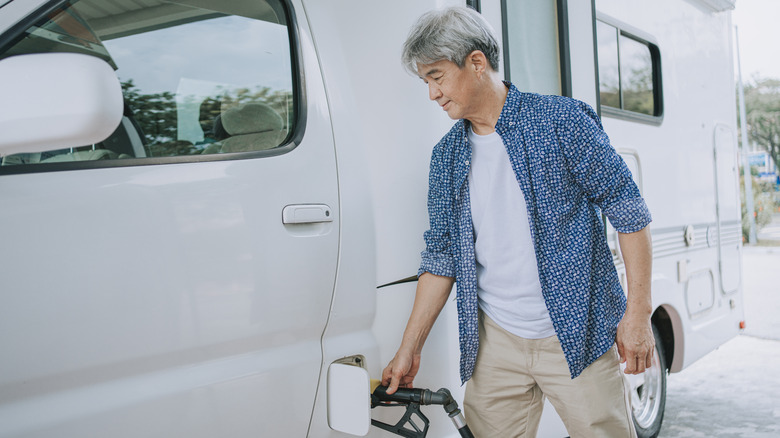
The price of gas has reached a four-year high, averaging around $4 per gallon. This makes van life (as well as RV life) more expensive than ever. Gas will always be one of the biggest expenses for a nomadic lifestyle like this, and while planning and researching areas with lower per-gallon prices can help, there's no way to fully offset the rising cost.
Also, it's important to note fuel efficiency itself. Vans have worse fuel economy than cars, and van life modifications may add weight, worsening it. In addition, if you buy an older van, you're likely to have poorer fuel economy than a newer model — so the money saved on the initial cost can add up in the long run.
Finally, it's worth noting that with van life, you're likely not using gas just for driving. You'll need gas to keep the van running for heating and air conditioning, which further underscores the importance of the price per gallon. If you're not paying attention, the cost can quickly creep up on you.
You can't just go wherever you want
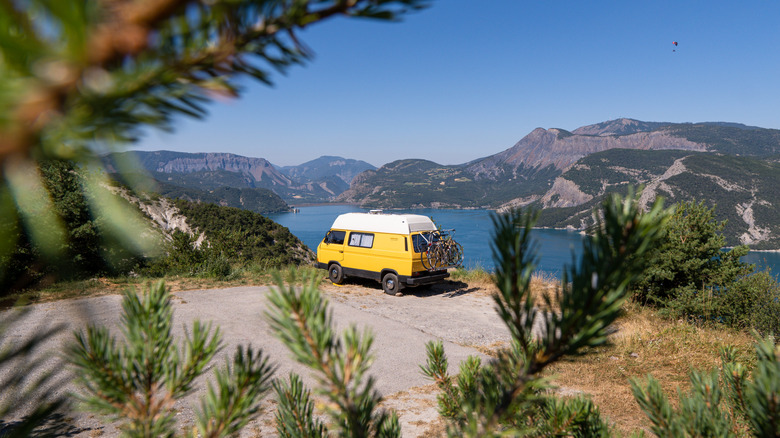
Nomadic lifestyles are appealing because you can just get up and go whenever you want, but the truth is, where you go can be limited by a lot of factors. When it comes to driving a van, you're not going to be able to easily handle rough terrain. So if your main destinations involve camping in more remote locations, you'll need to make sure there's a proper road or that your van can handle some bumps. RVs can often get to more locations, but they're also bulkier and harder to drive in general, so it's trading one problem for another.
Also, if you're working remotely, make sure you can access the internet and have a strong enough connection to work. While satellite options like Starlink can help get online even in more remote locations, there are still dead zones, and the dish needs to be unobstructed. It's not as easy as setting up a hotspot on your phone and connecting.
You're giving up easy access to some basic necessities

A van, even one modded to be as comfortable as possible, will not have the same level of amenities as an RV. If you're embarking on van life, you'll have to give up easy access to some basic necessities.
The most obvious amenities you need to deal with are where to use the restroom and how to bathe. Thankfully, this isn't a difficult problem to solve, given that a low-cost gym membership at a national chain will give you access to both, but it still requires more planning and effort than it does to pull your RV into a parking spot for a quick shower.
But there's another major convenience you'll be giving up, too. You won't have much room for cooking supplies or for stocking up on groceries, and even if you can set up a fuel-efficient kitchen, you'll still be limited in the meals you can cook and may need to rely more on eating out. There are a variety of ways to turn your van into a smart camper, but even then, you'll need to make some sacrifices.
There isn't a lot of space
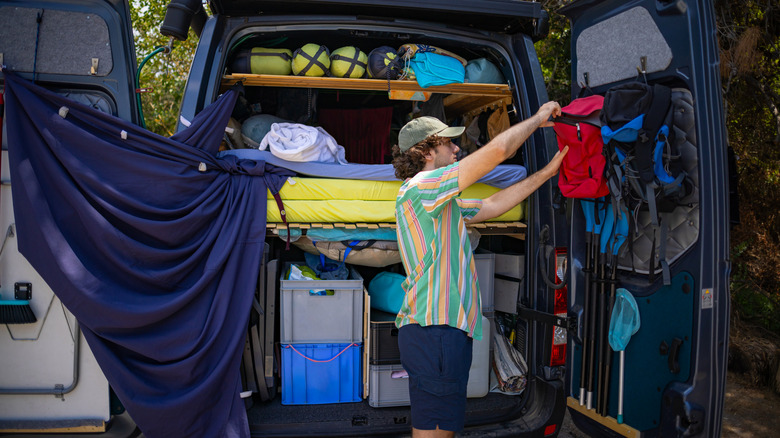
To build on that, there just isn't much space in a van in general. It's an obvious point in theory — of course, space will be limited in an automobile not specifically built to live in — but it's even more limiting when you're living van life and seeing it in practice.
Everything depends on the size of your van and the bed or cot you plan to install, but once you pack in all the bare necessities for life on the road, you're likely to find there isn't space for much else. It's very difficult to have a bunch of outfits, particular supplies for your hobbies, or even some of the equipment you may need for work packed up in the van.
With some ingenuity and clever solutions, you can make the most of your space, however. Some people have tiny workstations built into their vans or van doors, and there are a number of highly rated van life gadgets you can also pick up.
Traveling alone can be dangerous and lonely

There are risks to solo travel, and it's very important to research areas you may stop for the night, city neighborhoods, and so on, to ensure you're staying safe. Beyond that, however, traveling without anyone else can just be lonely sometimes.
While there is a community of van lifers online, meeting up or making friends with one another on the road is another matter and can feel isolating. If you're more extroverted, being a digital nomad simply won't be as easy as it sounds. While this may not sound like a huge con to introverts, long stints on the road alone will eventually get to everyone.
Traveling with others can be stifling

On the flip side, traveling with other people in a small van can be frustrating, especially if it's modified to have less seating space. Even an RV can feel small if you're annoyed with someone or just need some privacy, and it can make things tense quickly.
But a van is even smaller, and that means even less privacy unless you go outside. Taking a quick walk isn't possible in many circumstances, whether it's because you're on a highway, it's raining, or for myriad other reasons.
Vans come in all shapes and sizes, though, so if you look into the differences between travel vans, camper vans, and even smaller RVs, you should be able to find a solution that can somewhat mitigate the problem. Some people even renovate small buses to make them more comfortable for groups to live in, so if you're willing to deal with driving a slightly bigger vehicle, you can make things a little more comfortable.
You need to deal with the elements
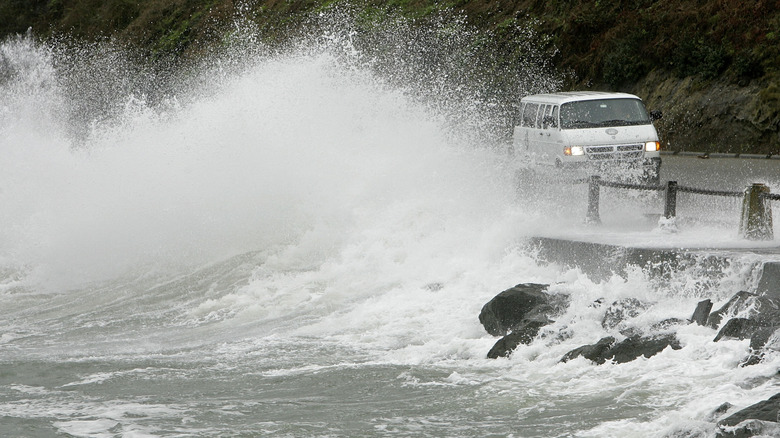
Dealing with the weather is not unique to van lifers or anyone living a nomadic lifestyle. But it's a fact that those who don't have a home to hunker down in need to know how to deal with the elements in ways others don't.
Van and RV lifers do have a distinct advantage of being able to just drive away from really bad weather. Dealing with average rain and thunderstorms often amounts to parking and waiting until it's safe to drive again.
However, dealing with the heat and cold is another story. It's likely your van has properly working AC and heating, but you can't leave it idle and running 24/7. Van lifers need to consider portable heating and cooling solutions, airflow, window tinting, and more to make the van comfortable year-round. There are a number of steps to winterize your van that you'll want to take.
Van life has a high cost of entry
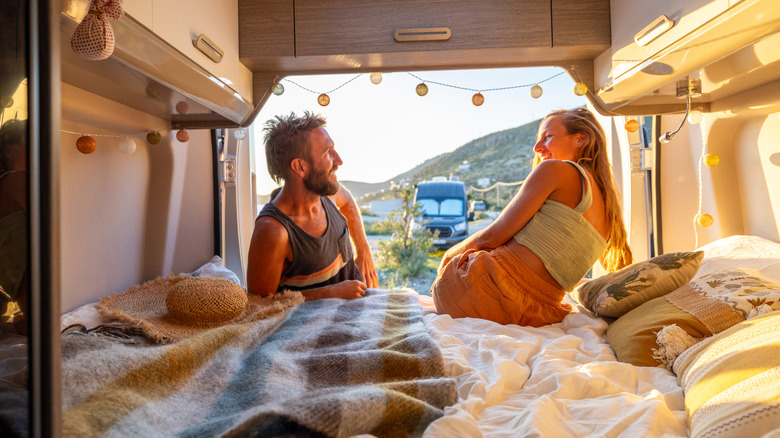
One really appealing aspect of van life is the perceived cost of entry. A van is less expensive than an RV, so it's an attractive option for those who want the nomadic lifestyle but don't have the cash to drop on an RV.
But it's not as cheap as some may think. While a van is certainly cheaper than an RV, it's important to keep in mind that an RV is ready to hit the road with everything you need. Vans, on the other hand, typically require camper-van modifications and specialized gear before you're ready to go. Unless you're literally just popping a mattress into the back and heading out, these are additional costs to keep in mind.
You can find vans that are already converted for sale, but they often cost more than $100k — making them less affordable than they seem at first glance.