

6 Mid-Size SUVs That Depreciate The Fastest (And 5 That Hold Their Value)
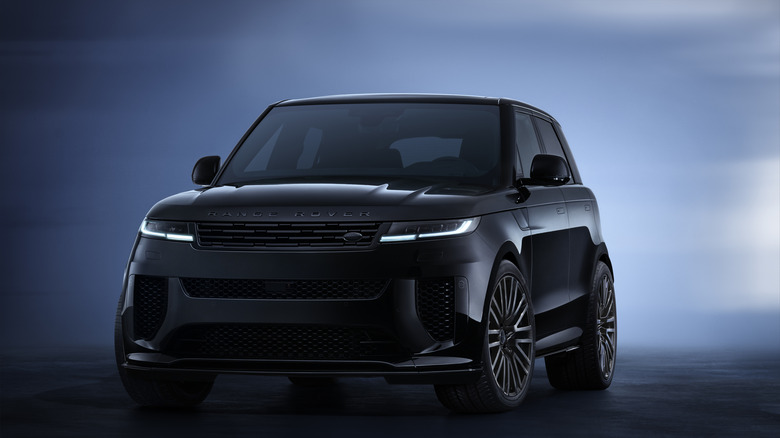
It is not a secret that the SUV –- an acronym for "sport utility vehicle" -– has exploded in popularity in the past two decades. We can also see many legacy car manufacturers discontinuing their car lineups in favor of crossovers and SUVs; Subaru now has seven SUVs on offer compared to only three very niche cars. Mitsubishi does not offer any sedans at all in the U.S., the only Ford cars are the Mustang and extremely niche Ford GT, and even the legendary muscle car company, Dodge, now offers an EV car and two ICE SUVs.
The point is that the dominance of the SUV is absolute, and quite possibly permanent. In fact, data from S&P suggests that out of the four largest market segments in the US that make up more than 50 percent of vehicle sales, SUVs make up three of them. However, not all SUVs were created equal when it comes to depreciation, with some plummeting in value in the first few years of ownership itself. However, the converse is also true, as there do exist a few unicorns that have historically held their value quite well.
In this piece, we will focus on the midsize SUV segment, as that class is the best-selling one in the U.S. by a country mile. Readers should note that our depreciation calculations used listing prices at the time of writing in mid-2026. We also applied a mileage cap of 150,000 miles and a production year limit of 2020-2021 to provide a general depreciation rate across approximately 5 years. So, with all that said, here are six midsize SUVs that lose value extremely quickly, and five that don't.
Depreciates: Ford Explorer, 60%
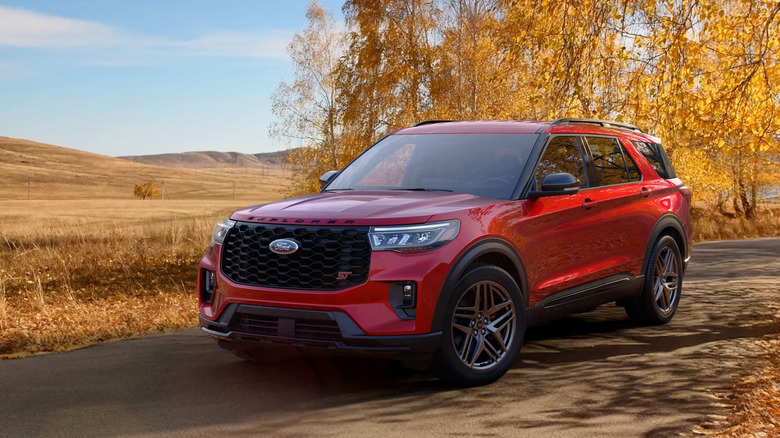
If you've been on a highway, you've likely come across the Ford Explorer. It's a moderately-sized three-row SUV that can fit up to seven passengers depending on the configuration and is a longstanding favorite of law enforcement departments around the country in its Police Interceptor trim. The base engine for the 2026 model is a 2.3-liter, four-cylinder unit that makes 300 hp along with 310 lb-ft of torque. Standard issue features include 18-inch wheels, and a 13.2-inch touchscreen display with Android Auto and Apple CarPlay, among other things.
Cruise control is standard across the range, as is lane departure tech and blind spot monitoring. In 2021, a new Ford Explorer would have run you $32,225 as base MSRP, in addition to $1,245 as destination charges. Today, units from that year list for about $14,000 on the secondary market, giving the explorer a depreciation rate of about 60 percent. As such, given that a 2026 model comes with a base MSRP of $38,465 and a freight charge of $1,795, you can expect to lose about $26,000 over the next 5 years on a new 2026 Explorer.
The questionable reliability of the Explorer definitely contributes to that sheer drop in values; the 2026 4WD model already has eight recalls out, and we're not even halfway through the year at the time of writing. The 2025 model had a total of 18 safety-related NHTSA recalls, and owners have a laundry list of complaints.
Depreciates: Land Rover Range Rover Sport, 65%
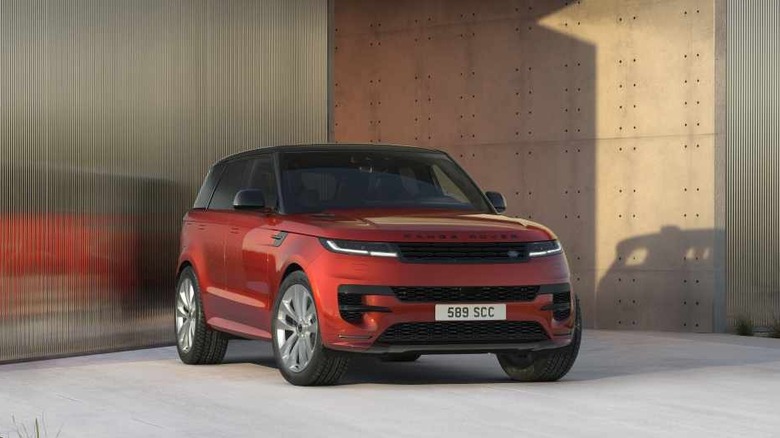
The Land Rover Range Rover Sport, aside from being a mouthful, is also one of the titans of depreciation. Where a 2021 model would have come with a base MSRP of $69,500 and a destination charge of $1,350 in the U.S., units from 2021 are currently listing for about $25,000 on average on the used market. That marks a staggering depreciation rate of 65 percent in just five short years. A 2026 model, therefore, with its base MSRP of $83,700 and destination fee of $1,850, will lose about $55,000 (as it will resell for about $30,000) by 2031, which is probably around the time most owners would be looking to sell.
There's also the issue of Land Rovers being considered rather unreliable. The Range Rover Sport comes with the Ingenium engine, widely considered to be the worst Land Rover engine family ever made. It's not all doom and gloom though, because the Range Rover Sport is rather well equipped in 2026. Dual-zone climate control, wireless phone charging, and a powered tailgate (among other things) are found on the car as standard, and the 13.1-inch infotainment screen supports Android Auto and Apple CarPlay, both wireless. That Ingenium engine, unreliable as it may be, makes 355 hp and 369 lb-ft of torque in the base trim. So, buyers will indeed get a few smiles per gallon, but probably not when it comes time to sell.
Depreciates: BMW X5, 65%
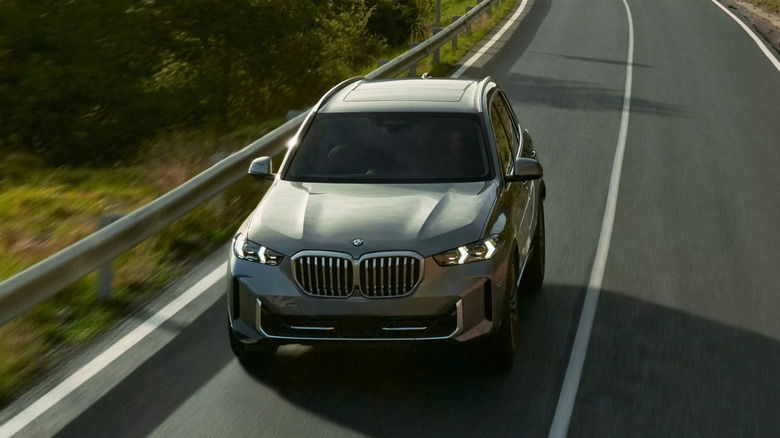
The first of two German entrants on this list is the BMW X5, a clear example of bad depreciation. A 2026 X5 currently ships with a three-liter, inline-six engine that outputs an impressive 375 hp along with 398 lb-ft of torque. The list of standard equipment on this luxury SUV is long and includes the likes of a hybrid motor, engine stop-start, run-flat tires, keyless entry, powered and heated front seats, an immobilizer, and more. The infotainment screen is 14.9 inches diagonally and supports both wireless Apple CarPlay and Android Auto.
Driver aids are aplenty even on the base model, including things like cruise control, lane departure warning, blind spot monitoring, and front collision avoidance. Fuel economy isn't too shabby either for a vehicle in this class, coming with an EPA estimated figure of 23 mpg in the city, 27 mpg on the highway, and 25 mpg combined. However, depreciation does smite the mighty X5 with a vengeance; where a 2021 model sold for $65,400 as base MSRP ($995 destination), that same 2021 BMW X5 will now sell for only about an average of $21,000 second-hand. This marks a depreciation rate of about 65 percent, matching the likes of the Land Rover from above. For reference, the price of a new model has gone up quite a bit, with a 2026 BMW X5 now retailing for $68,300 as base MSRP, with a freight charge of $1,450 added on top.
Depreciates: Audi Q5, 66%
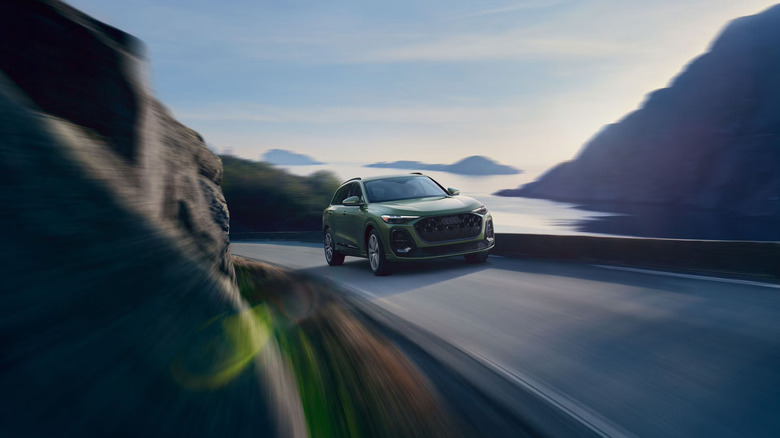
It's no surprise that the only other German SUV on this list is also in the depreciation section. It is the Q5 from Audi, which is one of the many car brands you might not realize are owned by the Volkswagen group in 2026. It, just like the BMW from earlier, depreciates heavily; a 2021 model would have come with a base MSRP of $43,300, to which a destination fee of $1,095 would be tacked on, bringing the out-the-door price to $44,395 before fees and options. Today, a 2021 Q5 can be had in the range of $14,000 to $16,000, meaning it comes in with a depreciation rate of 66 percent in just 5 years.
The newer 2026 model comes with a suite of upgrades over the older 2021, starting with the engine. The current-gen Q5 makes 268 hp and 295 lb-ft of torque from a turbocharged four-cylinder engine assisted by a mild hybrid system. In 2021, the hybrid system was a 12-volt setup, but the 2026 model features a redesigned battery system with a much higher energy density and capacity. The interior is luxuriously appointed even in the base trim, with a panoramic sunroof, powered front seats, adaptive cruise control, and a three-year (or 30,000 mile) Audi Signature Care service package as standard fitment. A new 2026 Q5 with a traditional gas engine will run buyers $52,800 as base MSRP, and carries a destination freight charge amounting to $1,295.
Depreciates: Infiniti QX60, 70%
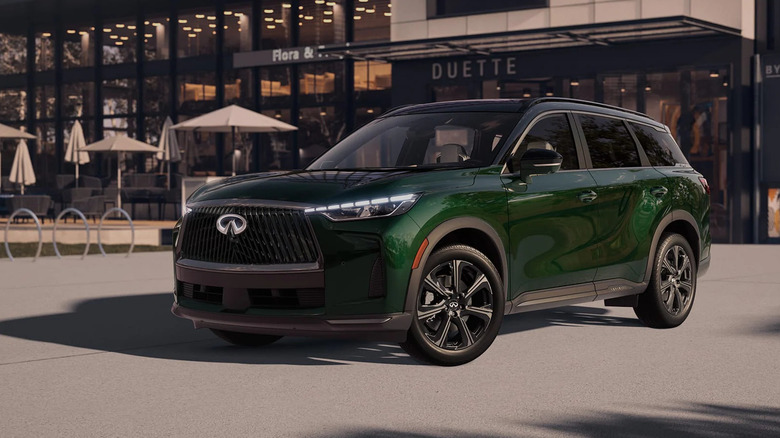
It's surprising to see a Japanese vehicle depreciate the way the QX60 does, but considering that Infiniti is the luxury arm of Nissan, it begins to make more sense. After all, luxury vehicles are almost always going to depreciate more than regular consumer-grade models. The QX60 is a midsize SUV that can seat up to seven passengers across three rows of seating and is actually fairly spacious, considering the 198-inch overall length. Front passengers get 41 inches of headroom and 42.1 inches of legroom, while second-row passengers get 37.5 and 37.7 inches of head and legroom respectively. Cargo space is good too, coming in at 14.5 cubic feet with the last row up, which rises to 41.6 cubic feet with it down; all figures listed above are for the 2027 model.
2020 models sold for $46,350 brand new (with dealer-specific destination fees), and currently sell for about $14,000. A new 2026 model comes with a $53,990 MSRP and as much as $2,190 in destination and handling charges. It might be a good time to buy into the QX60, as the model switched from a continuously variable transmission (CVT) to a ZF nine-speed gearbox for the 2022 model –- Nissan doesn't have the best reputation with CVTs. Plus, if you get a 2022 model, which is four years old at the time of writing, most of the 70 percent depreciation would have been accounted for on the used market. The 2027 model comes with two-liter inline-four engine that makes a respectable 268 hp and 286 lb-ft of torque.
Depreciates: Land Rover Discovery, 70%
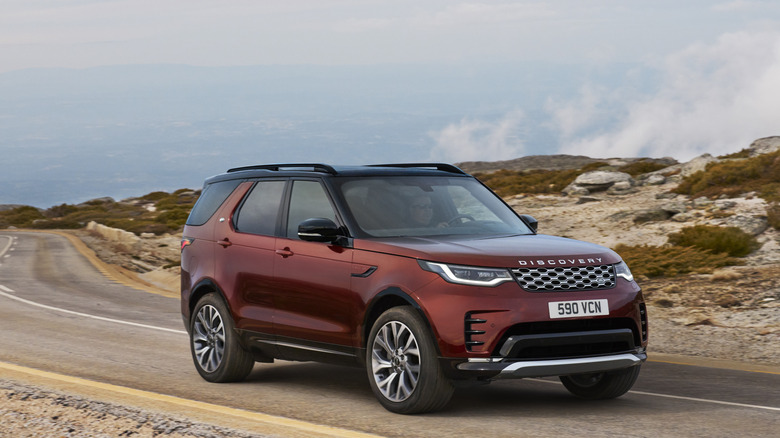
Perhaps to no one's surprise, one of the vehicle brands that depreciates the most in a span of five years also comes from Land Rover, and it's the Discovery. In 2021, a brand-spanking-new Land Rover Discovery would have shipped with a base MSRP sticker price of $53,900, with a relatively reasonablefreight fee of $1,350 added on top. However, in mid-2026, the same 2021 model with moderate mileage will sell for around $16,000, marking a steep 70 percent depreciation curve. The only reason we've listed the Discovery below the Infiniti QX60 that we just covered -– since both have the same percentage of depreciation -– is because of the higher MSRP that the Disco comes with.
A 2026 model ships with a four-cylinder engine in the base trims that displaces two liters and outputs 296 hp along with 295 lb-ft of torque. The Discovery can seat up to seven passengers across three rows and has 33.6 cubic feet of cargo room with the second row up, and 70.5 cubic feet with it down. Standard features on the base "S" trim -– not to be confused with the Discovery Sport, a different model -– include keyless entry, adaptive cruise control, blind spot monitoring, automatic headlights, and an 11.4-inch infotainment system with wireless Android Auto and Apple CarPlay. A current-gen 2026 Discovery currently has a price tag of $60,200 plus $1,850 in freight fees, which means it should only be worth about $19,000 by the end of the decade –- ouch.
Holds Value: Honda Passport, 39%
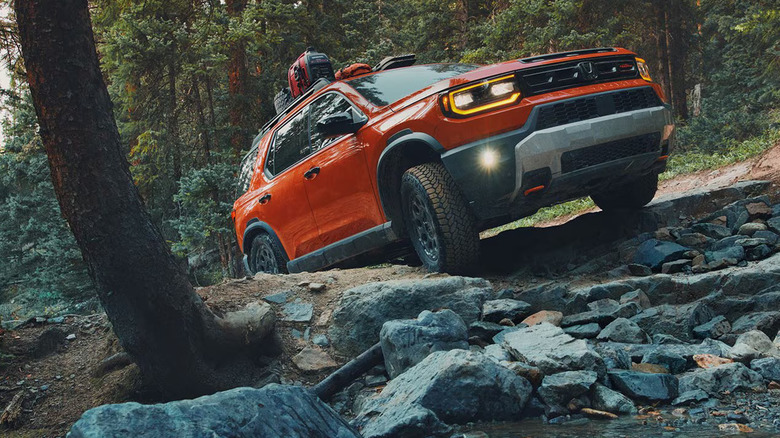
At this point, many people might have resigned themselves to thinking that because the midsize SUV market is so popular, the market will be flooded with examples pushing values down across the board. It's not all doom and gloom though, since some vehicles in this segment tend to hold their values particularly well, starting with the ever-popular Honda Passport. In 2021, this model would have come with a price tag of $32,790, along with a destination charge amounting to $1,225; used examples sell for about $20,000 today –- and that's for ones with decent mileage on them.
This marks a depreciation rate of 39 percent over five years, which works out to just under eight percent annually, which is stellar in an industry where 10 to 15 percent per year is the norm. 2026 models are currently coming with a sticker price of $44,950, with a freight fee of $1,495 tacked on top of sticker, which is not a horrible deal. For that price, you get a 3.5-liter V6 engine making 285 hp and 262 lb-ft of torque, mated to a 10-speed transmission. The car is perfect for suburban families, with a seating capacity of five passengers across two rows; any pets can also fit comfortably into the 44 cubic feet cargo space, measured with the last row up.
Holds Value: Subaru Outback, 35%
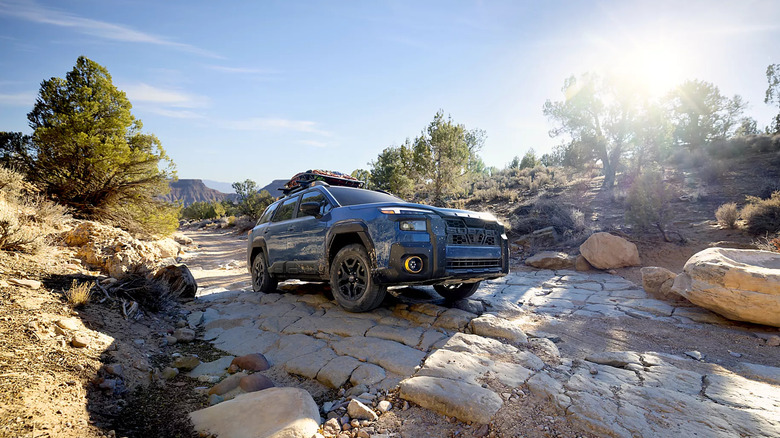
The Subaru Outback is a popular Japanese crossover with station-wagon styling, which could be a reason why it's popular with the off-road crowd in some places. The car has space for five people in dual rows of seating, and cargo space comes in at a massive 34.6 cubic feet with the last row up, transforming into a van-like 80.5 cubic feet with that row down. The engine is a boxer four-banger unit that has a mighty 2.5 liter displacement, and is paired to a CVT gearbox.
This drivetrain setup sends 180 hp and 178 lb-ft of torque to the wheels, which is quite a lot of power for the relatively small engine. The 2026 models get automatic emergency steering, a power liftgate, lane keep assist, and blind spot monitoring, among other things. In 2021, a brand new Subaru Outback would have sold for $26,795 as base MSRP, along with a freight charge of $1,050, but in 2026, these units still go for about $17,500 used.
That is representative of a depreciation rate of just 35 percent -– equal to only seven percent per year. A new 2026 Subaru Outback is currently listing for $34,995 for the base trim, and also comes with a destination fee of $1,450. If the previous depreciation figures for the 2021 model are anything to go by, a 2026 Outback will be worth about $22,700 in 2031, which is pretty good value retention.
Holds Value: Toyota Highlander, 33%
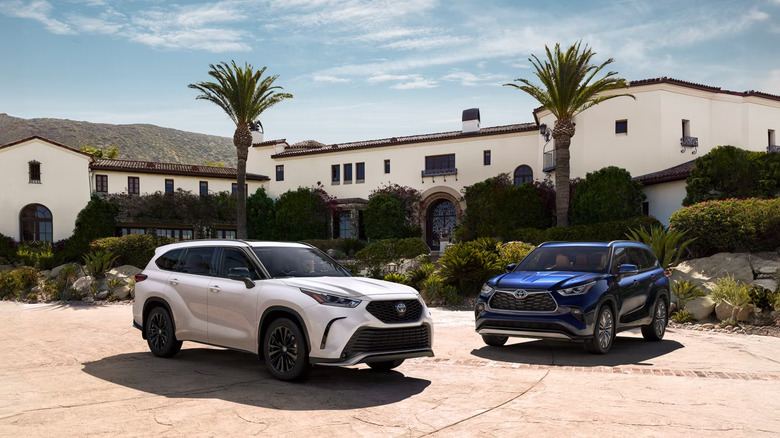
The Toyota Highlander makes it to most lists of the Toyotas with the best resale value, and it's easy to see why. When new, a 2021 Highlander would have come with a base MSRP to the tune of $34,810, with a destination fee of $1,175 tacked on top of that. As of mid-2026, a 2021 Highlander is asking between $23,000 and $24,000 on the used market, depending on mileage, trim, and options, which maps to a depreciation rate of 33 percent. In other words, where 10 percent is the industry norm, a Highlander only loses 6.5 percent of its value each year, at least for the first 5 years.
Going by that math, someone who buys a 2026 model for its MSRP of $45,870 (plus $1,595 destination) should get back about $30,000 upon selling the 2026 5 years down the line. While the MSRP has crept up, so have the features. A 2026 Highlander base model comes with many standard creature comforts, including keyless entry, an auto-dimming rearview mirror, tri-zone climate control with AC vents in all rows, and more.
The car also gets Toyota Safety Sense 2.5+ as standard, which includes lane departure warning, blind spot warning, cruise control, rear cross traffic alerts, and more. Getting a brand-new, three-row, seven-seater SUV with good safety ratings and (thus far) low recalls is pretty good for 2026. The engine is a 2.4-liter, four-cylinder motor mated to an eight-speed transmission that outputs 265 hp along with 310 lb-ft of torque.
Holds Value: Honda CR-V, 30%
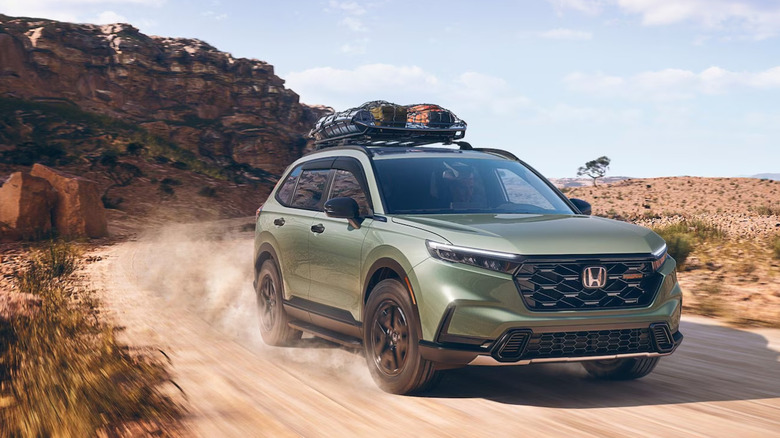
Another Honda SUV that holds its value extremely well is the CR-V, which can seat five passengers across two rows of seating. For 2026, it is powered by an inline-four cylinder motor that displaces 1.5 liters, and outputs 190 hp along with 179 lb-ft of torque, which is sent to the wheels via a CVT, or continuously-variable transmission. The infotainment system in the base trim is a 9-inch unit that has native support for both Apple CarPlay as well as Android Auto, both of which are wireless. A larger touchscreen is, surprisingly, not available, though higher trims like the Sport-L Hybrid (among others) get a better sound system and a 10.2-inch driver information display.
Other standard amenities include automatic climate control, power windows, LED headlights with auto-on and off, and all-season tires among other things. Drivers get cruise control, lane departure warnings, lane keep assist, road departure warnings, and blind spot monitoring, as standard issue technology too, all wrapped up in a base MSRP of $30,920 for a new 2026 model, with a freight fee of $1,450 added on top. In 2021, a base Honda CR-V would have cost buyers the cool sum of $25,350 plus $1,225 freight, and currently sells for about $18,000 on the used market. This marks a depreciation rate of only 30%, which is insane in such a saturated market sector –- but it's still not good enough to get the number one spot on our list.
Holds Value: Toyota 4Runner, 25%
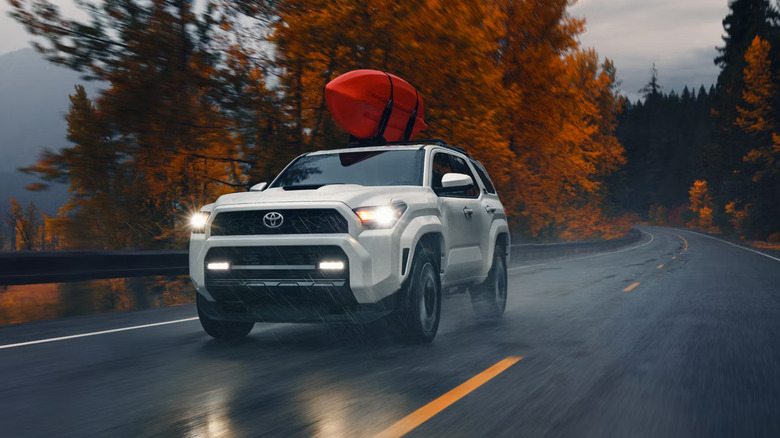
That honor goes to Toyota -– no surprises here -– and its 4Runner midsize SUV. The 4Runner is one of the few cars that holds value better than an equivalent Subaru, and by some margin. In 2021, a 4Runner would have shipped with a base MSRP of $36,765, and a destination fee of $1,175; 2021 units are currently swapping hands for between as much as $26,000 and $27,000 on the secondary market. This gives the 4Runner a depreciation rate of 25 percent — equivalent to just five percent each year for the first five years — which is half the industry average. In other words, the 4Runner tends to hold its value twice as well as other cars in America.
2026 models come fairly decked out too; even the base trims, which have an MSRP of $42,070 plus a destination fee of $1,595, get things like rear AC vents, a power-opening rear windshield, and an 8-inch infotainment screen with Apple CarPlay and Android Auto. The model also comes with Safety Sense 3.0, so it too, gets cruise control, lane departure warning, rear cross-traffic alerts, automatic headlights, and a suite of other features as standard equipment. There is also an off-road focused Trailhunter trim that starts at $68,200 with multiple upgrades for those who want that lifestyle. The engine in all models, however, is a four-cylinder, 2.4-liter turbo unit that makes a relatively impressive 278 hp and 317 lb-ft of torque -– a V8 engine would have been nice, but we suppose that'll remain a pipe dream for now.