

5 Signs It's Time To Replace Your Old Car

A car is one of the biggest, most important assets that the average American owns, so it's natural that you'd want to take care of it and keep it around for as long as possible. We've seen cases of car owners keeping their daily drivers through countless miles and across generations that span decades, like this three-million-mile Volvo and the million-mile Tundra. The reliability of these vehicles and its daily presence in the life of the driver and their family mean that quite a few get attached to their car, giving it a name and, sometimes, a personality.
Unfortunately, no vehicle lasts forever; there may come a time that you'll have to replace it no matter how much you love it. So, how do you know when that moment comes? Let's check out some of the signs that warn you it's time to replace your old car. No matter how unpleasant (and expensive) this idea might be, you should start looking at a new or additional ride when you see these things.
Repair bills approach half the value of your car
It can be hard to determine when you should still drop the thousands of dollars to get that repair done on your current car or if you should just replace it outright. However, the American Automobile Association (AAA) offers one rule of thumb when it comes to repair vs. replace cost decisions: if the cost associated with repairing a car approaches 50 percent of its current market value, then it's time to make serious thought about replacing it.
You can check websites like Kelley Blue Book, Consumer Reports, and Edmunds to get a rough estimate of the value of your vehicle and then compare it with the quote you get it from your mechanic. However, you shouldn't just look at the estimated repair cost if you're evaluating whether to repair or replace your car — you must also consider other incidental costs, like the cost of bringing your car to the shop on a flat bed if it broke down somewhere distant or the total amount you'll have to pay on car rental while your current ride is in the shop.
For example, if your car's estimated value is $10,000, and the total cost of the repair is $5,000, you should probably just save that money and get yourself an afordable and reliable used cars. If you know what to look for when buying second-hand, then you're not just getting a new-to-you vehicle, but also some peace of mind.
It spends more time in the repair shop than your driveway
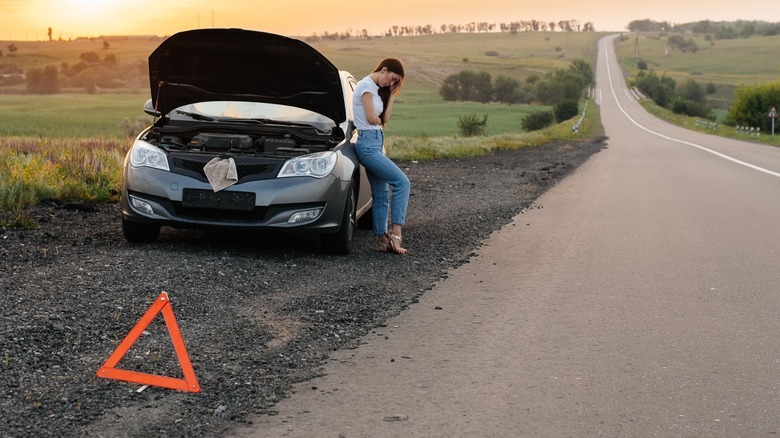
Even if you can afford to keep repairing your car when the cost has ballooned to over 50 percent its value, you should still assess whether you should replace it or at least buy a second vehicle if it holds a sentimental place in your heart. Ultimately, a car's primary purpose is to provide mobility — whether as a daily driver, a track toy, or an off-roader — so if it's starting to spend a much longer time in the repair shop than doing what it's meant to do, then maybe it's time to rethink if it's still worth keeping. There's simply no use for it if it's stuck in the shop addressing one issue after another.
If the car breaks down so often that you're already on a first name basis with your mechanic, you'd also have to consider its dependability. Even if you're driving a model from one of the most reliable car brands you can buy, a vehicle that's so old that you're unsure if it will get you home while you're on the road may not be worth keeping. After all, it's one thing to find your car broken down on your driveway and another altogether if it gives up on your while you're in on a long road trip (or out in the middle of nowhere).
Safety has become a primary concern
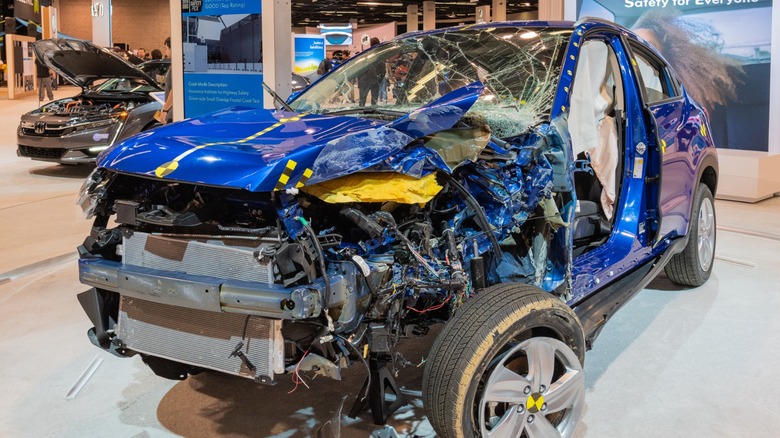
While you may not think about your car's safety on a daily basis, it is one thing you should consider if you're driving an older model (or even a newer one with a poor safety rating). We've seen this in action multiple times, with the Insurance Institute for Highway Safety (IIHS) conducting multiple frontal crash tests of the older and new generations of the same vehicle. The older model typically fielded worse results, as seen in the 1959 Chevrolet Bel Air vs. 2009 Chevrolet Malibu and 1996 vs. 2026 Chevrolet Blazer crash tests.
Aside from the fact that newer models get better active and passive crash protection, a vehicle's reliability also plays a major concern in safety. For example, it can get dangerous if your vehicle stalls while you're driving — more so if you're at highway speeds. Issues with your suspension, wheels, and tires could also potentially be life-threatening at speed as they could cause you to lose control if they fail unexpectedly.
This won't be a problem if your mechanic (or yourself) can fix the issue once and for all. But if the problem recurs frequently, even after you've had several shops take a look at it, maybe it's high time to replace your old car.
Your needs have changed

One of the reasons why vehicle safety would suddenly become a primary concern for a driver is if their needs change, like when they start a family. You might be driving one of the coolest cars ever and want to keep it for the rest of your life. But if you only have one parking slot and have a kid now, you might have no choice but to trade in that two-door coupe for something more practical.
This also applies to changes in lifestyle, too. You might love your massive Ford F-150 pickup truck, but if you're moving to the city with limited parking and also have to contend with narrower streets, then switching to a smaller vehicle might make more sense for you. The opposite can also be true — you might have a snazzy catfish Camaro, but if you're moving to a farm and you fear getting stuck in the mud, then you might just have to trade it in for a more sensible 4x4 SUV.
Alternatively, you might love your EV, but you have to move to a rural area where there isn't that many available chargers. If that is the case, you're probably better off switching to a hybrid car or even a gas model, so you don't have to worry about range anxiety on longer drives.
Your current car's cost of ownership is higher than getting a new car

If you applied for a loan or a are leasing your vehicle, monthly payments are likely one of the biggest line items on your monthly budget. But even if you've already completely paid off your vehicle, car ownership is an ongoing cost — maintenance, insurance, fuel, and repair are ongoing expenditures that you cannot escape from whether you have a 10-year-old vehicle or 10-month-old one.
Insurance premiums typically become cheaper as your car ages, but this is offset by increasing maintenance. The AAA recommends setting aside around $100 every month for maintenance and repairs so that you'll have available funds in case you run into a problem. It also says that you need to save higher amounts if you have older car or drive more than average.
Older cars typically have lower fuel efficiency, which can be a deal breaker especially as fuel costs have been rising steadily in recent months. While you can follow tips to improve gas mileage if your car is pretty old like keeping to the posted speed limit and skip using the air conditioner, you can usually only get better mileage from newer models, especially if they're electrified.
Unfortunately, there's no easy way to determine the tipping point between keeping your old car or getting a new one. The only thing you can do is to sit down and crunch the numbers. If the monthly cost of keeping your ride is already approaching that of a new one, then it's high time that you head to the dealer and get a quote for its replacement — just ensure that you know about any hidden costs like maintenance requirements or financing fees, before pulling the trigger on that new car purchase.