

5 Devices That Work Just Fine On 2.4 GHz Wi-Fi
We may receive a commission on purchases made from links.
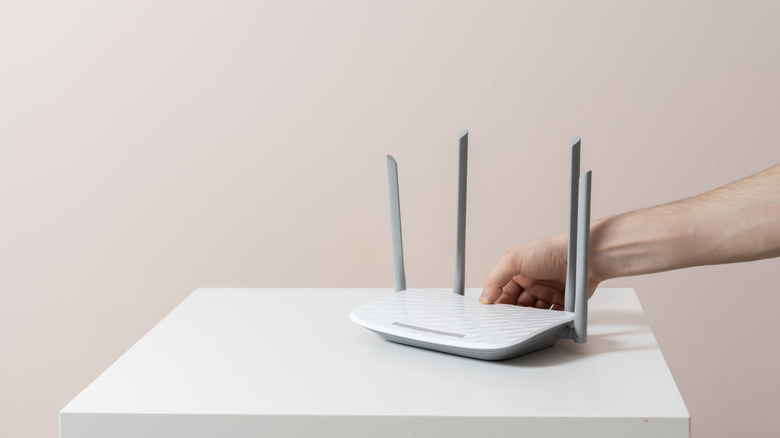
It's now common for routers to run two separate 2.4 GHz and 5 GHz SSIDs on a single network — and in some cases, a 6 GHz network. We could go into a lot of detail about what the difference between 2.4 GHz and 5 GHz is, but suffice it to say that 2.4 GHz has a longer reach and slower speeds, while 5 GHz has more limited reach and faster speeds. Don't get this confused with Wi-Fi 6E or Wi-Fi 7, as that's a whole different can of worms. The point here is, 2.4 GHz still has some very valid use cases in the average home, despite its inferior speeds.
Normally, you'll want to connect your phone, computer, or smart TV to the 5 GHz network since they often use a lot of bandwidth and rely on snappier responsiveness, but we want to look at devices in your home (or anywhere else) that will work well on the 2.4 GHz band. Since 2.4 GHz can reach through walls across a large area, it's well suited to secondary devices throughout a building that only need basic connectivity to work. If you have one of these five devices, connect it to your 2.4 GHz network with peace of mind that it will work flawlessly.
Most smart home devices
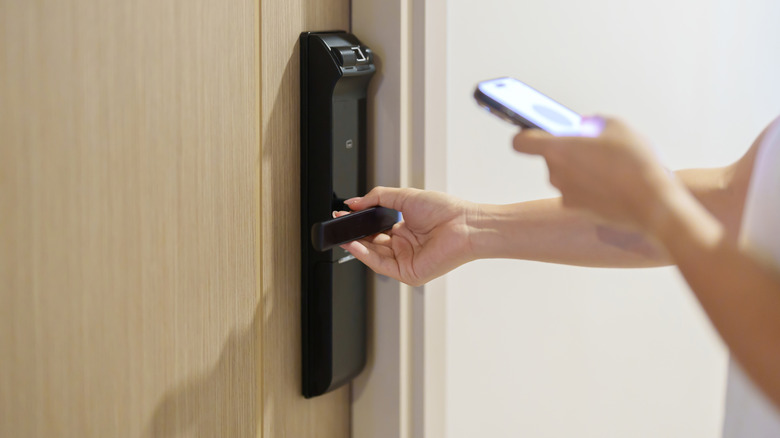
You probably have at least one or two smart home devices in your home. Most of them — lightbulbs, door locks, smart plugs, air filters, smart thermostats, and fans — use minimal bandwidth and only require local network access, so the 2.4 GHz band is ideal. Often, smart home devices can only use the 2.4 GHz band and nothing else.
Depending on which router and internet service provider you have, you may already have separate 5 GHz and 2.4 GHz networks ready to go. If you don't, it'll only take a few minutes in your router's settings to set them up. Usually you'll do this on a computer, though some routers support mobile apps. If you can't use the app, flip over your router and look for a sticker that shows its login information. It may also be in the manual, or you can likely check RouterPasswords.com. If you've set a password that you can't remember, you may have to reset your router to log back in.
Connect to the router's network and then enter the router's IP address into your browser. wikiHow has a helpful guide on how to track down your router's IP address on most platforms. We recommend setting a strong password for your router and saving it to a password manager for future use. Once you're in, the process will vary depending on which router you have, but set a distinct name for the 2.4 GHz network (adding "2.4 GHz" to the end is a good choice) and set a strong password. You may also have a unified-band router where the 2.4 GHz and 5 GHz bands share the same SSID and password; if so, you can connect your smart home devices to this unified band without issue.
Smart CCTV cameras
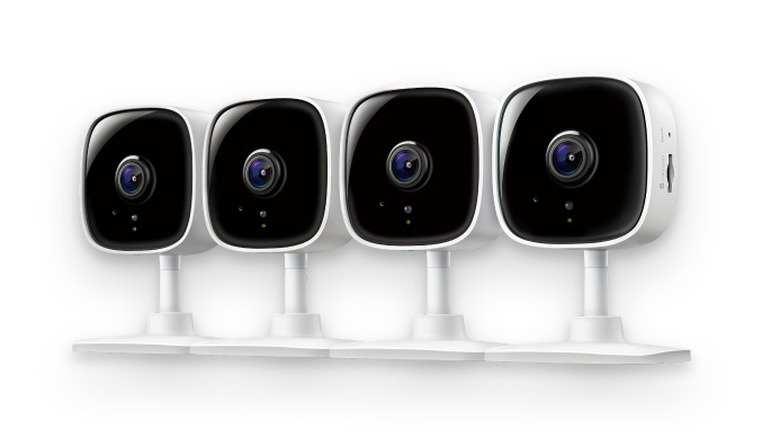
On the topic of smart home devices, they've made it painlessly easy for people to set up a DIY home security system on a budget, especially if, rather than wiring up your home with CAT cables and power lines, you'd rather just use simple, easy, drill-free Wi-Fi-connected CCTV cameras. A perfect example is this TP-Link Tapo 1080P Indoor Security Camera. You can basically set it up anywhere that has a plug, and it works over the 2.4 GHz network exclusively. That's usually also the case with brands like Roku, Google Nest, Blink, and eufy.
This may seem odd, since one of the reasons people choose 5 GHz is for streaming high-definition video, which generally takes up quite a bit of bandwidth. Unless you're running security cameras with 4K output, though, 2.4 GHz will be enough. I say this from personal experience. I'm running multiple wireless CCTV cameras myself that output 1080p HD video. I'm able to get a strong live connection both on my local network and when connecting away from home. The long range of the 2.4 GHz band really shows its worth here since some of these cameras are located in far corners where my 5 GHz band starts to drop off and get spotty. This is one of those situations where you may wish to consider Wi-Fi extenders or a mesh network to reach those cameras at the extreme outer edges of a property.
Printers
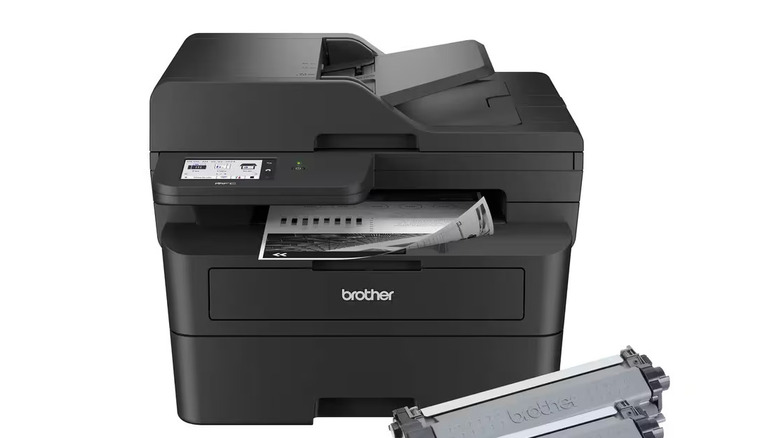
Wi-Fi connectivity for printers is old hat in this day and age. Some people (myself included) don't even have their printer in the same room as their computer. It's also common for some printer models to only support the 2.4 GHz frequency band, similar to other smart home devices. This isn't always the case, though. The best basic printer we recommend for frequent printer users supports both 2.4 GHz and 5 GHz bands.
Since the information being sent from a computer to a printer is peanuts compared to a live 1080p stream from your CCTV camera, you likely wouldn't notice a difference by connecting to the 5 GHz band even if your printer supports it. Printers have never been known for being fast anyway. The point is, your printer doesn't always need to be in your home office, right next to your computer. You can basically put the printer anywhere within the more expansive 2.4 GHz Wi-Fi range and still be able to send pages to it from your computer or phone — or easily scan from the printer and save the file as an image or PDF.
Smart appliances
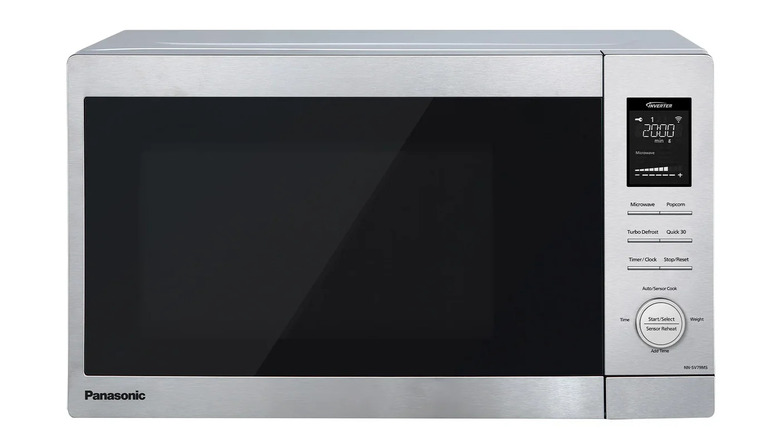
Smart devices are gradually working their way into your appliances too. We're already starting to see smart microwaves, air fryers, coffee makers, and even mixers in your kitchen. Again, we have a similar situation to everything we've mentioned previously: Some devices will only connect over 2.4 GHz, such as this Panasonic microwave that supports Alexa commands. That's obviously only sensible, since a microwave won't ever need high bandwidth unless it can someday stream while heating your lunch.
In an effort to keep everything organized and give appliances maximum reach and connectivity to the far corners of your home, we would recommend just connecting them over 2.4 GHz as a matter of course. If you don't want to upgrade all your appliances, though, a solid choice is pairing existing appliances with a smart plug. That way you can turn them on or off over the 2.4 GHz network and monitor their energy usage.
E-readers
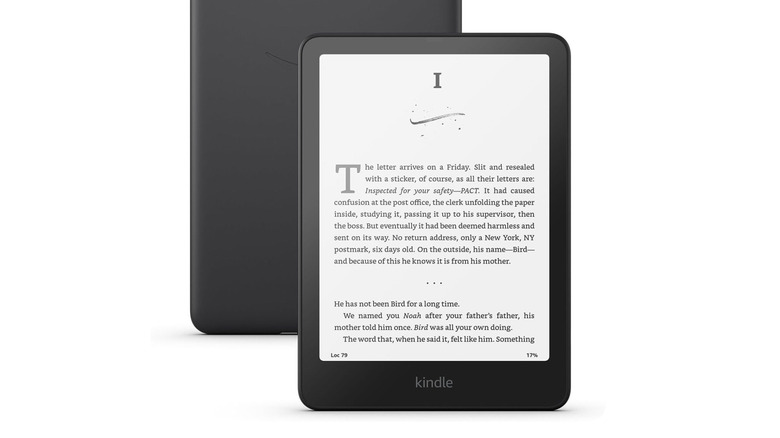
Avid book readers will debate until the sun burns out whether physical books or e-readers are better. But if you want to hold your entire book library in the palm of your hand — plus a backlight, dictionary, vocabulary builder, note-taking tools, and so much more — even the cheapest Amazon Kindle is all it takes to revolutionize your reading experience. One of the big strikes against them is that e-readers do rely heavily on a consistent, stable internet connection to automatically download new books that you've bought on another device, sync your reading progress, and the like. The 2.4 GHz band should be more than enough for those purposes.
Some older Kindles released before 2021 are limited to the 2.4 GHz band. Modern ones support 5 GHz Wi-Fi and WPA3 security. However, we'd recommend just sticking with the 2.4 GHz band for a couple of reasons.
One, you can read anywhere in the house, including outside in your backyard, porch, or patio, far away from your router. Two, it's usually easier and faster to connect to the 2.4 GHz band; anecdotally speaking, the 2.4 GHz band is usually the first option that pops up, while the 5 GHz band takes a few seconds to scan and register. On an e-ink screen that's as slow as molasses, it's kind of a pain in the neck to deal with a shifting list of Wi-Fi SSIDs, so you can choose the 2.4 GHz band without worrying that you're losing out on anything; an e-reader is dealing with tiny ebook files that don't require much bandwidth to download or update.