

15 Popular Cars Found On Consumer Reports' List Of Used Cars To Avoid
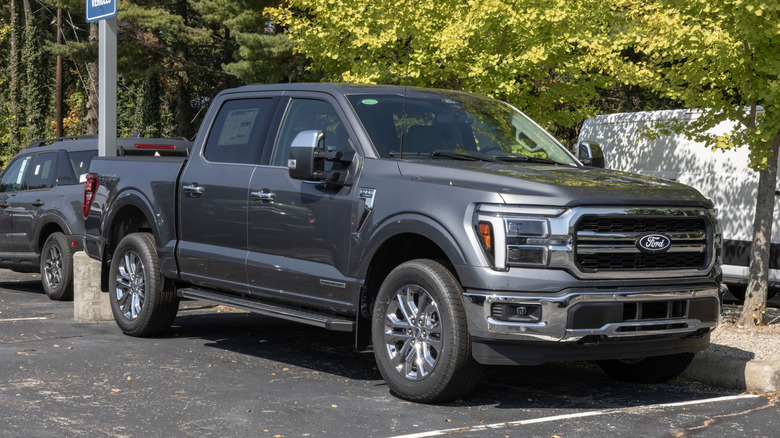
One would think that the cars that we see most often on the street are the best cars around. After all, if so many people are buying these models, the car must have done something right. It's fair to assume that manufacturers wouldn't be able to sell hundreds of thousands of vehicles if there was a fundamental flaw with them, nor would owners constantly buy vehicles known for breaking down or being unsafe.
Unfortunately, safety, reliability, and popularity do not correlate as well as you'd think, and some of America's most popular cars are the ones that you should avoid when possible, at least according to Consumer Reports.
Some of the cars on this list had recalls affecting more than 100,000 units just from a single model year alone, others have dozens of NHTSA complaints and suffer from poor designs that cause longevity issues. Please note that these problems are specific to the model year that we list, unless otherwise mentioned.
2021 Chevrolet Suburban and Tahoe
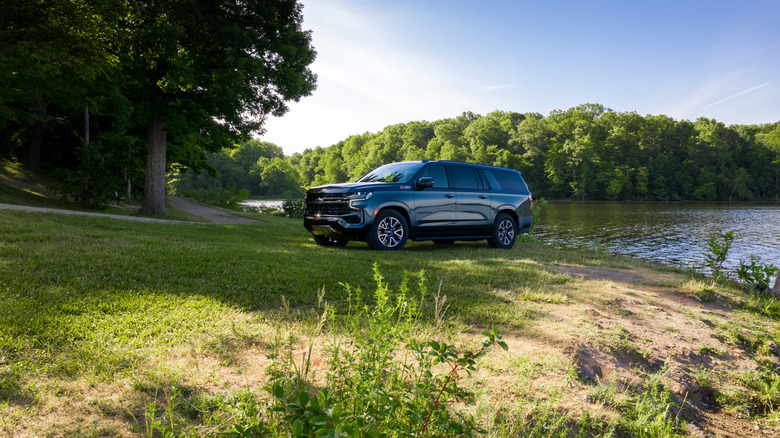
While they're technically two distinct models, the Chevrolet Suburban and the Tahoe share a lot of the same underpinnings, such as the engine options, underlying platform, transmission choices, and even seating and suspension layouts. As such, it makes sense that any fundamental issues that plague one model would likely also affect the other. This is indeed the case. For the 2021 model year, both vehicles had high recall numbers (many of which were safety-related), with the Tahoe getting 16 NHTSA recall notices, while the Suburban fared slightly better, at "just" 12 recalls.
The safety recalls that affected both vehicles were related to the seatbelts and the airbags not deploying, electrical system failures, and the exterior daytime running lights (DRLs) not functioning properly. Some reliability recalls affected both vehicles. These included possible driveshaft failures, loss of power steering at low speeds, and fuel system failure in gasoline models. The Tahoe, with a whopping 387 NHTSA complaints that year, also added a recall for a fuel leak in the units equipped with the diesel engine, and one for the hydraulic brakes being incorrectly calibrated.
2021 GMC Yukon and Yukon XL
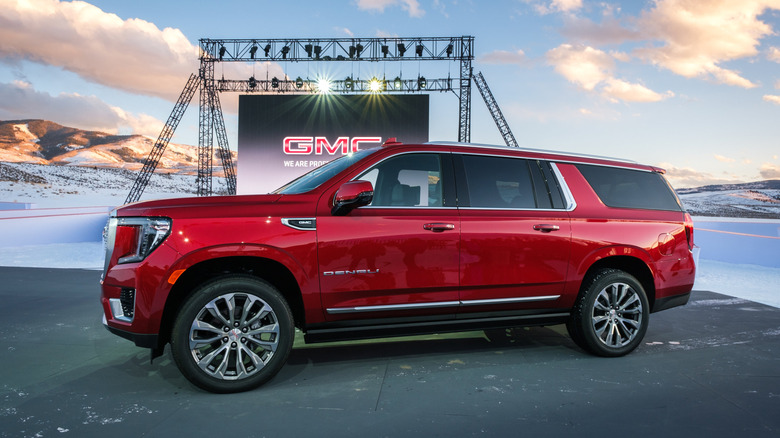
The 2021 GMC Yukon and its extended wheelbase version, the Yukon XL, are very closely related to the Suburban and Tahoe SUVs. The Yukon shares the same platform as these two vehicles, though this time, there are some extra suspension and engine offerings, as it's intended to sit between the Chevrolet offerings below it and the Cadillac Escalade above it. Because of the similarities, the problems with the 2021 Suburban and Tahoe carry over to the Yukon family, too.
In fact, the NHTSA recall list for the 2021 Yukon is the exact same as for the 2021 Suburban, with the addition of one hydraulic braking system issue. The additional recall addresses potential issues with the electronic assists that come with the brake system, like ABS and traction control.
As you may have guessed, the Yukon in 2021 was extremely similar to the Suburban, sharing the same base 5.3-liter V8 making 355 hp and 383 lb-ft of torque, paired to a 10-speed transmission. However, the Yukon is considered more luxurious, and higher trims like the Denali or Denali Ultimate and Elevation add a larger engine brought down from the Escalade and some more luxury inside.
2018-2024 Pacifica Hybrid
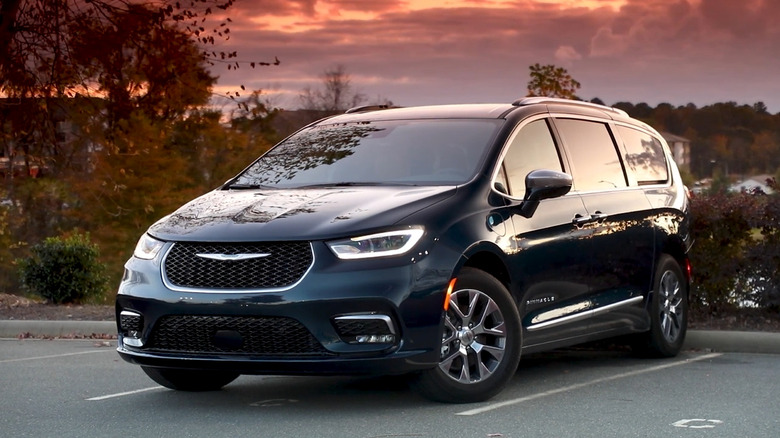
Like all major manufacturers, Chrysler has experimented with electrifying its lineup in the last few years, eventually settling on a PHEV system for its flagship minivan, the Pacifica. The only other model that the company makes in 2026 is the Chrysler Voyager — also a minivan — but the PHEV powertrain is currently exclusive to the Pacifica.
This made the Pacifica Hybrid PHEV the only plug-in minivan in the U.S. market for a very long time, though Chrysler has announced that the powertrain is going away after 2026. Now, the recall history on this model isn't great, with 10 different recalls between 2017 and 2026, mostly relating to the hybrid system, electronics, brakes, and loss of power.
However, the Hybrid Pacifica models from 2018 through to 2024 are the ones that should absolutely be avoided, according to Consumer Reports, that probably came to this conclusion because many of these model years have been recalled — more than once — for posing a fire risk. When you add up the number of affected vehicles, the total climbs up well into the six figures.
2020 Ford Explorer
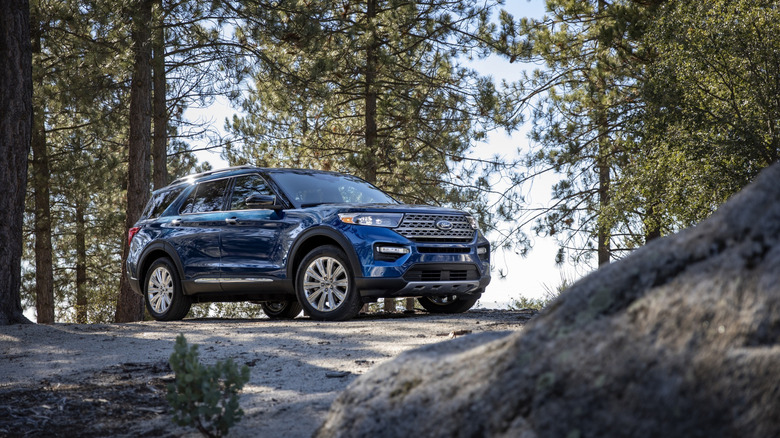
An uber-popular car that Consumer Reports says to avoid is the 2020 Ford Explorer, a long-running favorite SUV of police departments across the country. If you thought the recalls for the Suburban and Tahoe were high, this model year of the Ford Explorer has more recalls than both of those models added together, with a grand total of 33 NHTSA recalls.
Among many, many issues, the most glaring ones were the seat belts failing to work, fires caused by faulty wiring and faulty fuel systems, and yet other fires due to bad batteries. There were also no less than seven recalls relating to the vehicle failing to engage the parking brake, caused either by the driveshaft decoupling from the overall powertrain, or by the parking brake simply not working. Furthermore — and this is minor compared to everything we've looked at above — the plastic underbody covers on higher trims of the 2020 Explorer are prone to simply falling off when driving.
2016, 2019, 2021, 2022 Jeep Wrangler
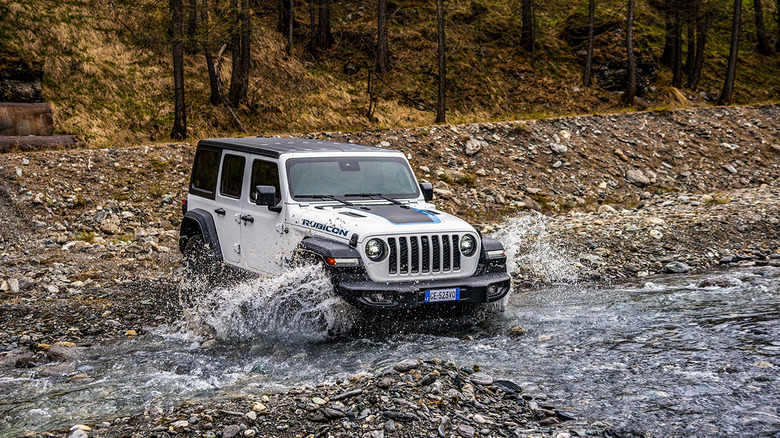
Several different model years of the ever-popular Jeep Wrangler also feature on Consumer Reports' list of used cars to avoid, and, rather confusingly, each model year has a different major problem associated with it. The 2016 Jeep Wranglers had "only" five recalls issued, with four relating to the airbags not deploying and one for the seat belts not working in a crash. In one of these recalls, the front airbag could blast passengers in the face with metal bits like a claymore mine.
Then came the 2019 model year, which had nine recalls, with serious issues mainly relating to an overheating clutch causing fires, the steering not working, or the wheel detaching from the steering column entirely. The 2021 models continued the overheating clutch fire hazard, and three separate recalls were also issued because the high-voltage battery could cause a fire at any time. As of early 2026, there are 16 outstanding recalls on Wranglers from that model year.
Wranglers from 2022 also had the overheating clutch and the same three high-voltage battery system fire recalls, with some minor power and electrical ones as well. The fire hazard issues,shared with the Jeep Cherokee, continue to this date, with more than 300,000 vehicles recalled as of 2026.
2023 Ford Escape
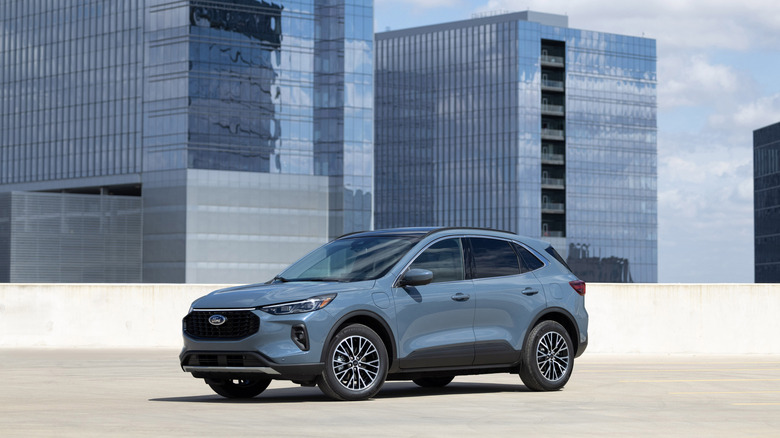
Only the electrified powertrain units of the 2023 model year of the Ford Escape units have had serious issues with recalls, and that includes both the basic hybrid and the PHEV versions of the Escape. Let's start with recalls. As of early 2026, there have been 16 different recalls issued for the 2023 Ford Escape. An additional 11 issues have also been addressed by Ford, but none of these come from safety or reliability problems. Of the 16 recalls, at least 12 could result in a vehicle fire, stemming from poor fuel management glitches, battery failures, and more.
Furthermore, units of the Escape and Maverick made between 2020 and 2023 — specifically models with the hybrid engines — also had a major recall because the engine could fail. The root cause of the engine failure was listed as "failures involving engine block or oil pan breach," which isn't exactly confidence-inspiring. On 2020, 2021, and 2022 models of the Escape, this recall was fixed via a software update, but on 2023 models, the engine block was to be replaced. While we can't say for sure, this seems to point to structural failures of the engine block, meaning that the 2023 Escape is to be avoided at all costs.
2025 Chevrolet Colorado and GMC Canyon
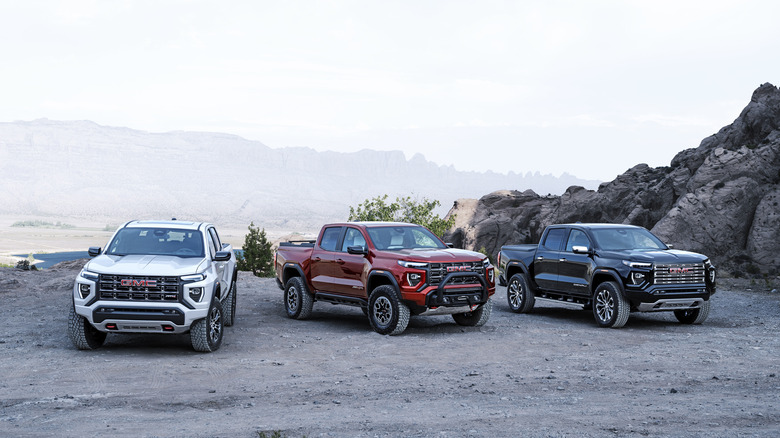
Compared to the vehicles that we've covered so far, the issues with these two trucks are fairly tame: The Chevrolet Colorado has only a single recall from the NHTSA, while the GMC Canyon doubles that number. The Chevy recall (which the GMC also suffers from) pertains to the vehicle radio antenna, which wasn't calibrated correctly. In addition, the GMC Canyon has also had a recall for the airbag, which could go off when it's not supposed to, potentially injuring passengers in the vehicle.
That's not to say that these cars are safe bets. In fact, they're quite unreliable. Owners of the Canyon complain about transmission failure (a known issue on 2020-2025 models), the electrical systems, climate control systems, suspension setup and more. People who bought a 2025 Colorado share many of the same sentiments, bemoaning the trucks' gearbox, powertrain, oil leaks, and numerous electrical gremlins, among other things. Add to that the base MSRP of $40,095 for the Canyon ($1,695 destination) and $31,900 for the Colorado (with $1,695 destination) in 2025, and one begins to see why these two wouldn't make a great purchase.
2025 Chevrolet Equinox
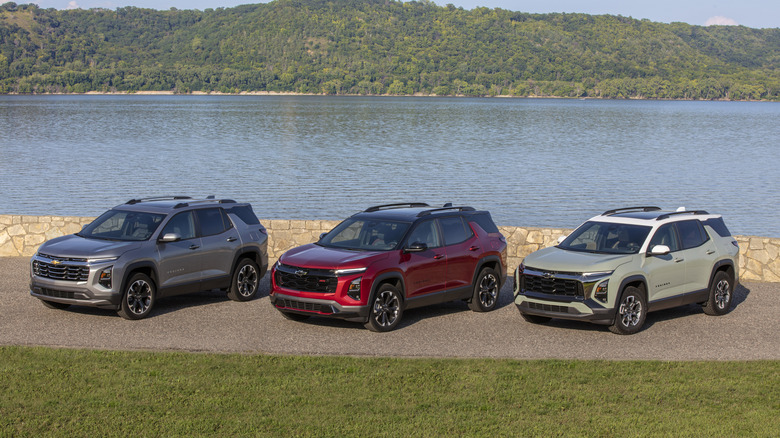
The 2025 Chevrolet Equinox shipped with a base inline-four engine that displaced 1.5 liters, and made 175 hp along with 184 lb-ft of torque in terms of power, mated to a continuously variable transmission, or CVT. In 2025, the ICE version was aggressively priced for its segment, coming with a base MSRP of $29,995, including destination cost. The EV version came in at $33,600 as a base MSRP, with a freight charge of $1,395. All this to say that, in 2025, the Equinox was quite a popular car, which makes its laundry list of problems all the more worrying.
To start with, ICE versions have no major outstanding recalls, but have an impressive 170 NHTSA registered owner complaints, as of early 2026 — the car isn't even a year old yet, which makes that figure staggering. These complaints mainly relate to the engine, transmission, and electrical systems.
The EV Equinox, for its part, has six recalls issued (again, it's only a year old), and an equally staggering 157 NHTSA owner complaints. The recalls pertain to vehicle doors opening unexpectedly, failed adaptive cruise control, and tire safety, while the owner complaints mostly report problems with the forward collision avoidance system, brakes, and electrics in the car.
2024 Honda Prologue
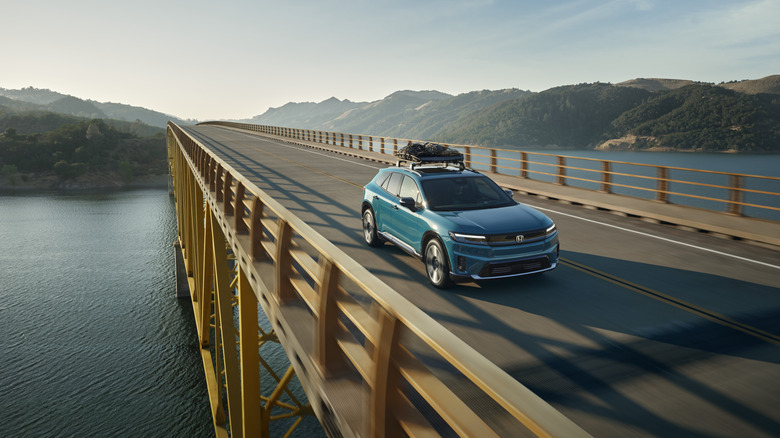
With prices hovering between $23,000 and $28,000 on the used market, it's easy to see why the Honda Prologue from 2024 could be tempting buyers. After all, that model year came with space for five passengers across two rows of seating, 25.2 cubic feet of cargo space with the last row up, and a base single-motor EV powertrain that made 212 hp with 236 lb-ft of torque.
Standard features on the base trim for the 2024 model year included adaptive cruise control, lane keep assist, and wireless Android Auto and Apple CarPlay, among other things — on the surface, it looks like pretty decent value for money. However, the 2024 model also comes with its fair share of problems, not least of which are the two major NHTSA recalls that were issued for the vehicle.
The first one was to do with the front suspension — or at least, a certain component of the assembly called the control arm — that would simply fracture, possibly resulting in a dangerous crash. Furthermore, more than 45,000 Honda Prologues were recalled for major software bugs. This software recall was pretty dangerous, as a failure in the electrical system could have resulted in certain affected units losing their instrumentation displays entirely. Given the digital-first nature of modern vehicles, it's easy to see why this could have been an issue.
2022 Toyota Tundra
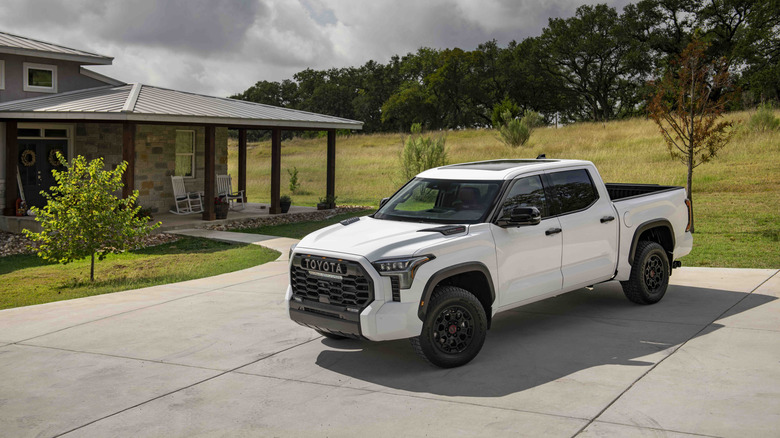
Perhaps the biggest surprise entry on this list of cars to avoid comes in the form of the 2022 Toyota Tundra — and we say it's surprising because Toyota is a notoriously reliable brand of cars, trucks, and SUVs. The 2022 models of Toyota's popular pickup truck came with an undesirable 13 total recalls from the NHTSA. Two of the 13 recalls were related to possible engine failures, while another two directly affected the powertrain, but not the engine.
Other problems included issues with the brakes, electrical systems, lighting setup, rear backup cameras, fuel assembly, and incorrect markings on the vehicle, in terms of load ratings. Owner complaints about the vehicle centered around its fit and finish, frequent shop visits, excessive recalls, and electrical systems. It was also the 2022 model year Tundras (along with some 2023 and 2024 units) that were part of the massive engine-debris refit recall that affected almost 130,000 vehicles. Granted, that recall number was shared across model years and with the Lexus LX SUV, but it's still too much of a chance to take for potential buyers.
2025 Dodge RAM 1500
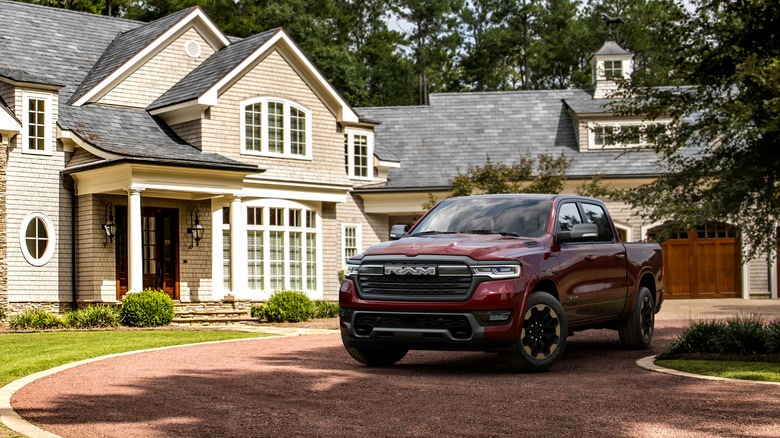
Manufactured by Dodge, one of the many car brands now owned by Stellantis, the Ram 1500 is one of the main competitors of the Ford F-150. For 2025, it comes with a lot of problems, the most pressing of which include several safety-related recalls from the NHTSA. Worryingly, these recalls started almost as soon as the trucks were being delivered, with the first major recall, related to wheel fitments that could significantly compromise the vehicle's stability control system, being issued at the end of October 2024.
Problems with the model continue to be found today, with the most recent recall (as of the time of writing) of February 2026 addressing an issue where trailerbrake lights, turn signals, and, most importantly, the trailer brakes themselves could not activate. Other major issues with the 2025 model include headlights not working, the digital instrument display (already known to be finicky since it was introduced) coming up blank, and the TPMS, or tire pressure monitoring system throwing up random errors. Recalls were issued for all the above problems, so if you're buying a 2025 Ram 1500, make sure the vehicle has gone through the right checks first.
2022 Rivian R1T
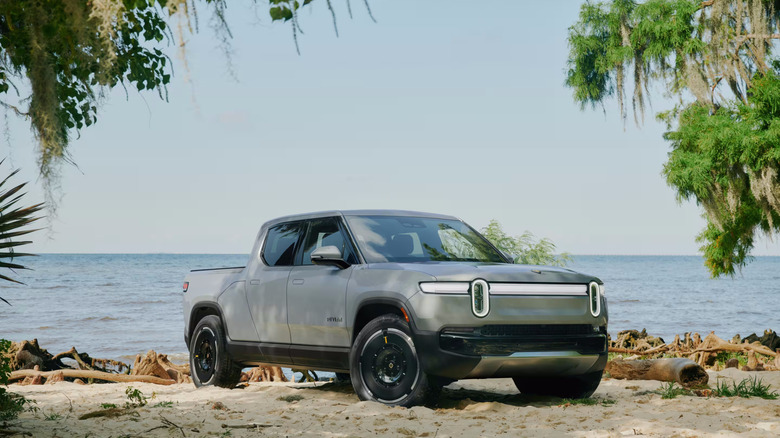
Positioned as one of the main competitors to the Tesla Cybertruck (which also has many recalls issued at launch), the R1T pickup truck from Rivian, too, has been plagued with problems since it was released. After long delays, owners who finally got delivery complained about the shoddy build quality, suspension issues, initial driving dynamics, and, as with many digital-first vehicles, electrical glitches and gremlins.
However, when we specifically talk of the 2022 Rivian R1T units, we come upon a darker issue: No less than 12 total safety-related NHTSA recalls. Of these 12 recalls, seven were shared between other three model years, while five were exclusive to the 2022 units, though they encompassed both the R1T pickup and the R1S SUV.
The most dangerous issues that plague all three model years include the steering decoupling from the suspension linkage, certain components of the chassis failing and potentially causing crashes at speed, the accelerator pedal not working on hot days, and issues with the front seat belts.
2021 Tesla Model S
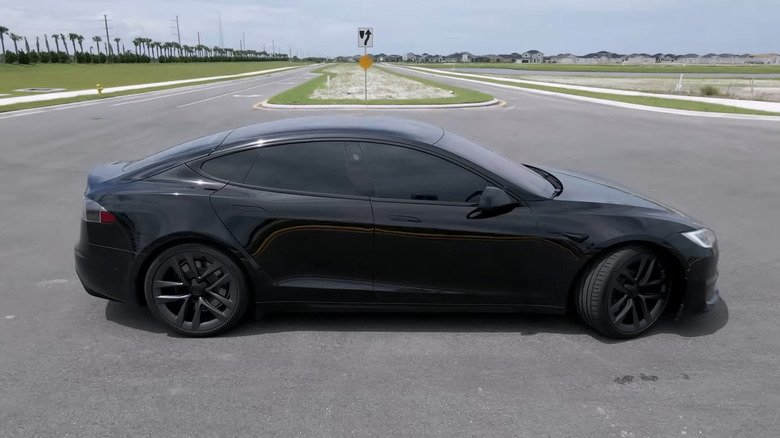
Many people don't realize that the ever-popular Tesla Model S has been in production for 15 years. The specific model year that Consumer Reports recommends you steer clear of is the 2021, with owners bemoaning the sporty EVs fit and finish, frequent electrical issues, and other reliability problems.
This entire model line also suffered from infamous door-handle issues, and the complicated suspension on these cars had a nasty habit of failing in so many different ways that we could write a whole other article on that. Then there's the fact that the 2021 model year Tesla Model S has a whopping 23 NHTSA safety-related recalls issued for it; Though, some of those are shared across other model years, too.
The most notable recalls were for the self-driving systems acting up, several airbag-related problems, steering systems not functioning properly, and the forward collision avoidance system failing, among other things.
2022-2023 Ford F-150 Hybrid
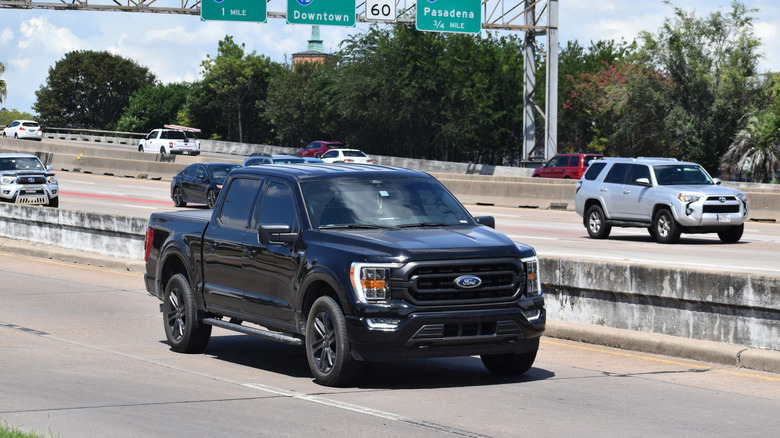
Another surprising entry is the Ford F-150 from the 2022 and 2023 model years, though we should note that only the hybrid model makes it on Consumer Reports' list. The main engine options on the 2022 model were a 3.3-liter naturally-aspirated V6, which was standard, a twin-turbo 2.7-liter V6, a 5.0-liter V8, and three different 3.5-liter V6 options.
Of these, the hybrid system was available only on the 3.5-liter V6, where it made a total of 430 hp along with 570 lb-ft of torque. Many publications have called the F-150 Hybrid the least reliable vehicle in its class, and that extends from 2022 through til 2024, though 2022 models have their own set of issues.
Aside from issues with the hybrid system, owners complain of software glitches, electrical faults being too common, and battery mismanagement worries. Additionally, there were 36 outstanding safety recalls, and 20 customer satisfaction fixes for the 2022 F-150 on Ford's recall lookup tool.
2025 Cadillac XT5
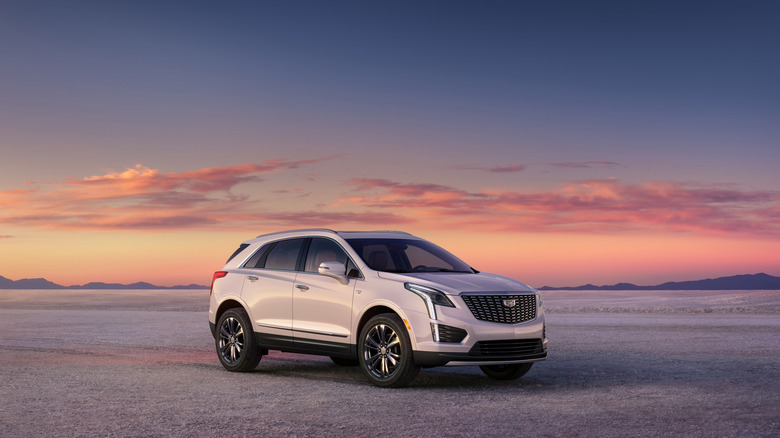
The 2025 XT5 is a luxury SUV that you should avoid, even if it's a luxurious and sporty four-door, five-passenger SUV from Cadillac. It comes with a two-liter, four-cylinder engine that makes 237 hp along with 258 lb-ft of torque, mated to a nine-speed transmission. Inside, the cabin was luxuriously appointed, with features like Apple CarPlay, Android Auto, and onboard Wi-Fi as standard issue equipment.
The issues with the 2025 XT5 are mainly to do with the battery, drivetrain, and electrical systems. As of writing, the only NHTSA recall on the 2025 XT5 is one for the instrument panels failing to display information to the driver. This recall also covers a fix for turn signals not actuating, and for the high-beam headlights failing prematurely. In addition, owners do write scathing reviews online when it comes to living with the car on a daily basis, woeing things like reliability of the driver aids, fit and finish, and general usability.