

12 Common Habits That Are Ruining Your Car

The act of driving has become so engrained in the American experience that many mindlessly go about their commute without ever actively thinking about it. Driving a vehicle is actually an artform, matching mechanical precision and innovation with instinct and reflex. What isn't pushed silently to the background about the task of driving is the wide reaching slate of issues that drivers can encounter while seated behind the wheel. Noises, smells, and sights emanating from under the hood are obvious indications that something isn't working as it should. Oil issues can create a burning sensation in the propulsion system while brakes that are wearing out generate horrific screeching noises.
It's easy to identify and remedy these kinds of problems once they've presented themselves, but avoiding the worst of these before they become major issues for your vehicle is a better idea. Drivers exhibit some habits that actually produce extra strain on their vehicles' essential systems and parts. Driving too aggressively, ignoring warning lights, and driving while low on gasoline for too long are generally avoidable and can make for a much better driving experience on the whole. These and other common habits can be particularly damaging to your vehicle over the long term, but are usually simple to correct. Here are some avoidable habits that stopping can improve your car's health and limit the strain on your wallet simultaneously.
Smashing into speed bumps and potholes
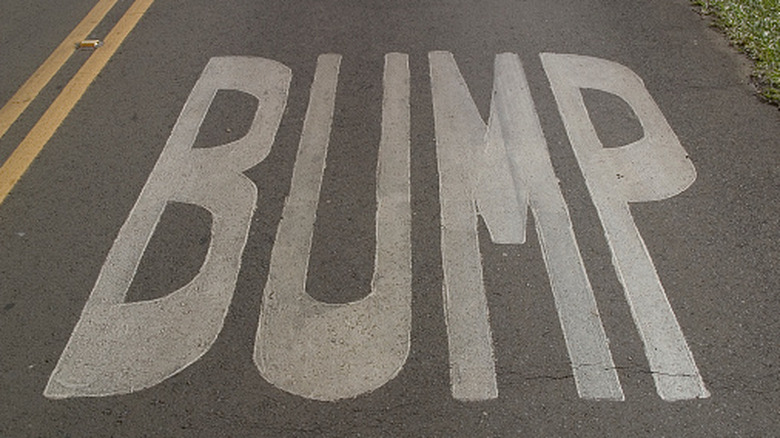
It may sound obvious that hitting speed bumps and potholes at high speed is problematic, but it doesn't mean everyone handles them with caution. Drivers of all makes and models will feel the impact of a hard hit to at least some degree, but vehicles with premium suspension systems can end up with a false sense of security when navigating these kinds of obstacles. You might not feel the impact when smashing your tires and suspension system into damaged parts of the road or traffic control installations meant to keep speeds to a minimum, but that doesn't mean your car won't take the shock head on.
The suspension and other components of your car that interact with the road itself are built to withstand some degree of abuse. Shocks, tires, and other parts are designed to wear out over time and require replacing yet, hitting speed bumps and other impediments at high speed magnify the damage soaked up by these components.
Putting off oil changes for too long
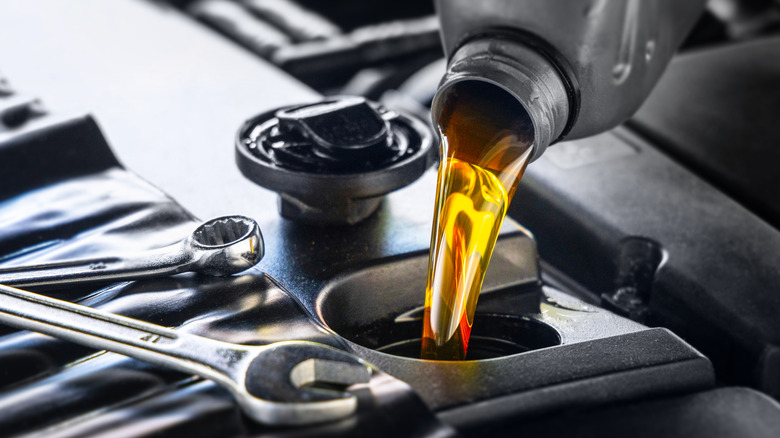
The oil change is one of the most common maintenance tasks you'll encounter as a driver. As a baseline, you'll often need to replace the oil every 5,000 to 7,500 miles, but some synthetic lubrication formulas can offer longer performance between changes. The owner's manual for your particular car will deliver specifics on what kind of oil is best for the system and how often you should replace it. It's worth noting that every driver's habits will be unique, and some people can absolutely get away with a lighter maintenance routine, but this generally only pertains to those who don't drive very often. Even so, oil changes typically follow a mileage recommendation rather than a timeline based on the calendar.
Oil acts as an essential lubricating and fluid heat sink component keeping the entire system running. It flows through the engine's components and elsewhere to protect moving parts as they seamlessly slide along next to one another. Over time, pressure, heat, and debris break down the oil, contaminate it, and create a burning off that reduces the pressure. The oil level in a vehicle steadily decreases between service stops, and it becomes less effective at doing its job to keep your engine humming. Putting off or skipping an oil change may not seem like a big deal, but every time you get behind the wheel after you've passed the threshold of effectiveness, you risk creating additional wear on your car's internal combustion system, creating sneaky potential pain points that can require additional maintenance.
Loading the vehicle with too much weight

Another figure that features prominently in your owner's manual is the maximum effective weight limit. Cars are heavy pieces of machinery themselves. The average sedan will generally have little issue transporting multiple adult passengers and a range of luggage, even if the seating arrangements might result in a tight squeeze. However, loading up bulky items that start to weigh down back end of the vehicle can create a host of negative consequences.
Most issues that arise from frequent overloading aren't going to present themselves right away. But a heavy load adds additional strain to the engine and can be felt right away. You'll notice a definitive lack of power as you step on the gas, but the more pressing issue is in stopping force. You'll need to jam on the brakes harder to get the car to stop, and initiate a braking maneuver earlier than would otherwise be normal. This can pose an immediate danger as you navigate the roads. As well, overloading adds stress to your suspension system, tires, and more, hastening the pace of routine maintenance throughout the vehicle's components. If you ride particularly low, you may even find that small bumps in the road end up scraping the bottom of the car or create a contact point between vehicle's body and your tires.
Riding the clutch or resting your hand on the gear shifter
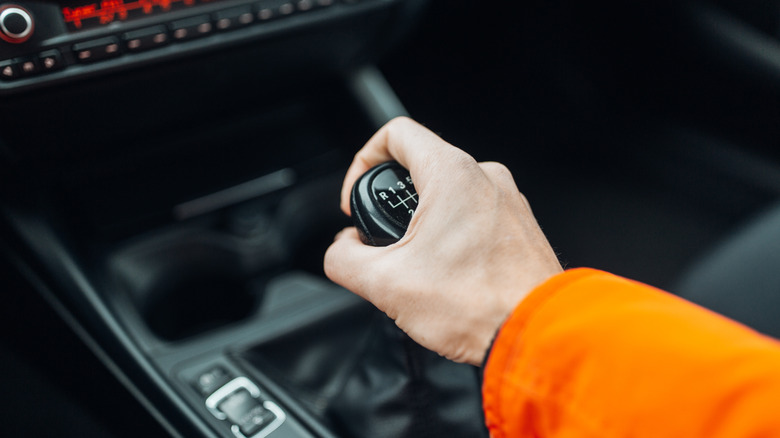
An issue that pertains to drivers of manual transmission vehicles is one with a twofold problem set. The physical location of your gear shifter makes for a natural place to rest your hand. While it's always advisable to keep two hands on the wheel, some drivers just don't do this as often as they should. Finding a comfortable position, especially on long drives, often involves laying your arm on the door or an armrest. The gear shifter makes a seemingly good candidate considering its location, But this added pressure can actually spell disaster for your vehicle's long term health. It may not seem like a big deal, but the added force creates an asymmetrical pressure on the transmission system and it's gear shifting components. You're not likely to affect the system in a hurry by doing this, but if you frequently rest your hand on the shifter, the negative impact adds up over time and can result in a repair requirement.
Stick shift drivers experience the same issue when they keep a foot on the clutch pedal as they drive. This keeps shifting action partially engaged rather than resting easily between uses. All of these small but unnecessary pressures on the system add up and can ultimately demand enhanced maintenance that keeps your car out of service for longer and costs you more money. Fortunately, both of these issues are entirely avoidable with just a simple fix to a habit that's not particularly difficult to break.
Aggressive driving and resulting heavy-breaking demands
According to StreetsBlog USA, less than half of Americans think going 15 MPH over the speed limit on a freeway is "extremely" or "very" dangerous. It's a little sanctimonious to preach speed limit etiquette to drivers considering the amount of people who do it regularly. Virtually no driver's hands are clean when it comes to speeding, but speed alone isn't the main issue involved in aggressive driving. Making aggressive maneuvers of really any sort, fast speeds included, add a number of critical risk factors to your experience on the road. Driving faster than a roadway intends to support typically creates the need to brake faster as well. You may engage in one or more quick and jerky course corrections as a result of this added speed, and many people who speed also step on the accelerator aggressively to achieve that rate of movement rather than gradually easing into the faster pace.
Rapid acceleration and braking create more demanding wear patterns on your brakes, engine, and tires. The car is pushed harder than is strictly necessary, while aggressive driving generally only saves a few seconds to get where you're going. It's also possible to lose control or to encounter surprises with a higher frequency when driving aggressively, including others pulling out in front of you, pedestrians that appear unexpectedly, or even the need to sharply veer around potholes or curves that would otherwise be gentle in the path of travel.
Allowing your low fuel light to linger
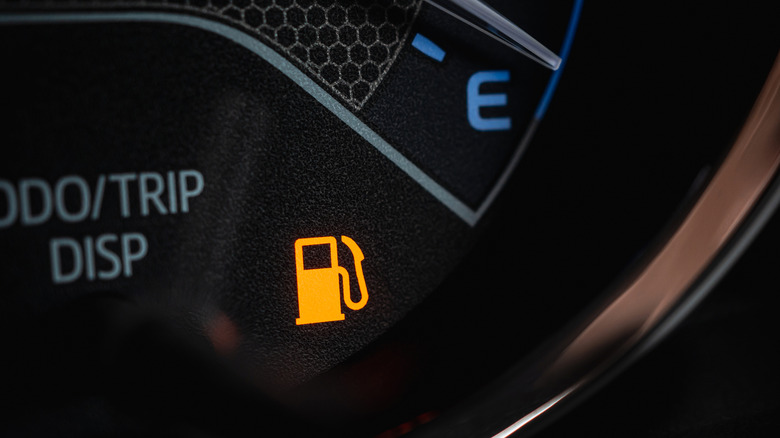
Driving requires fuel, and modern cars feature precise readings to give owners specific knowledge about their reserves. This helps avoid the consequences of running out of gas and having hitch a lift to the nearest station. But there's an intermediate threshold between having enough gas and running out of it that drivers need to keep in mind. Rather than waiting for the low fuel light or indicator to click on, it's better to use the quarter-tank indicator as your personal suggestion to fill up. There are a few important reasons for this.
For starters, even though the engine will continue performing with significantly less fuel than a quarter tank, allowing your volume to dip below this level creates strain on the fuel pump and can lead to additional air intake. This adds a new dimension of wear and tear to these components, potentially creating the need to replace essential elements sooner than expected. A skewed mix of air and gasoline can also create less efficient power production in the engine, leading to problems driving or they need to pound on the gas pedal harder than expected to achieve the same result. Your gas tank also often contains particulates, dirt, and other debris that has made its way into the container over time. This will naturally settle to the bottom and stay there, but if you drive with your fuel level at its minimum, these contaminants can mix more readily with the gasoline and enter freely into the combustion chamber as well, potentially creating other damage in your engine that can be exceedingly costly to repair.
Shifting into reverse before fully stopping
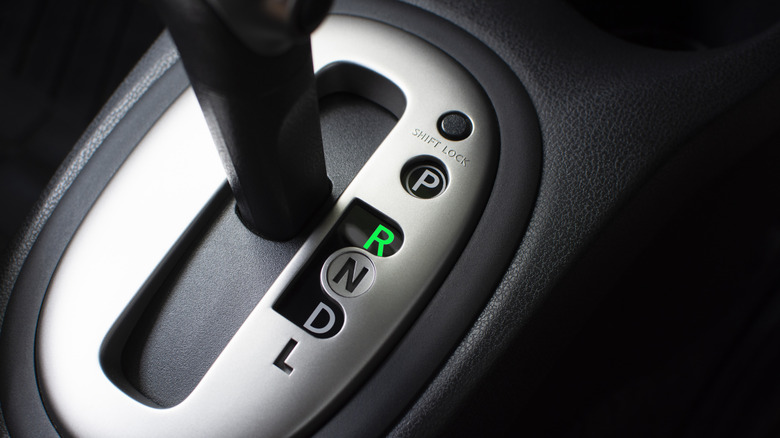
Some drivers are guilty of hustling in and out of gear. Whether you drive a stick or automatic, when trying to parallel park it often doesn't feel like a big deal to move into reverse before actually coming to a stop. The car doesn't move very fast in most instances of this sort, so many assume that this idling speed doesn't pose much of a problem. But under the hood a change of direction while the car is still in motion produces a sharp jerking action in the transmission system. This event, when compounded over the course of countless others driving sessions, can start to wear out your gear shifting elements, potentially creating the need to replace costly parts sooner than expected.
The reality is that it only takes a few seconds to ensure you've completely stopped before changing your direction of movement. This problem is entirely avoidable under routine driving conditions, and ensuring that you don't continue falling victim to this habit can support a much healthier vehicle that performs its duties without issue long into the future.
Only performing tire maintenance when one gets a flat
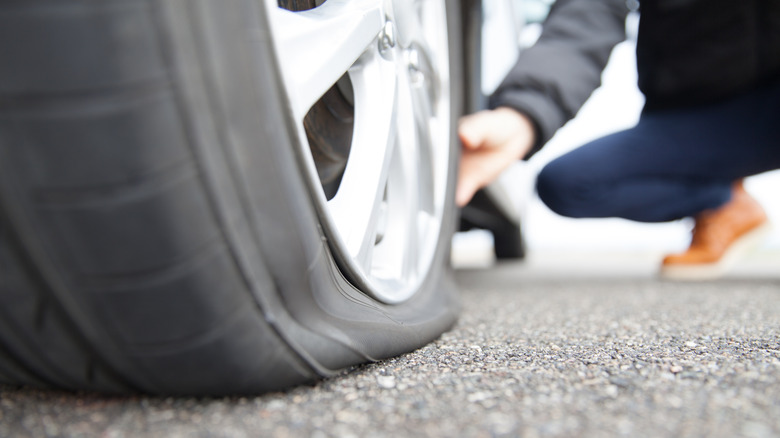
Your tires are a component designed to wear out and be replaced. Depending on the amount you drive, the speed at which you'll need to replace these rubber components can vary drastically. Edmunds suggests relying on the Penny test approach to identify when your tread depth is down to a 2/32-inch measurement (if Lincoln's head disappears into the tread, your tires need replacing)
If you do run your tires almost completely into the ground before replacing them, you'll spend a lot of time driving on bald tires that have had their treads decimated by contact with the road. This is an unavoidable consequence of the very act of driving, but it's been found that driving on bald tires increases stopping distance by as much as 43%. That can be the difference in a driver's ability to stop in time to avoid an accident or suffer a life threatening injury. Tires that have been severely worn are less effective on wet or icy roads in particular, but they perform worse in all regards. One way to prevent this happening at a rapid pace is to rotate your tires every 5,000 to 8,000 miles. This is even a task you can accomplish at home and changes the wear pattern across the four contact points, thereby elongating their life. It's also important to drive on properly inflated tires. Underinflation creates unsafe driving conditions and requiring you to replace tires more frequently.
Ignoring stains that have appeared on the driveway or garage floor under your car

Stains on the floor don't happen in a vacuum. If your driveway, office parking spot, or garage floor is suddenly exhibiting a new stain pattern conspicuously where you park your vehicle, the source of this discoloration is your car and not some unknown culprit. If your car is leaking oil or other fluids but not (yet) driving abnormally, it can be tempting to just ignore the problem. But this is like burying your head in the sand and hoping the issue magically resolves itself.
Untreated leaks and other problems under the hood only get worse with time. The act of driving your vehicle creates additional strain, especially when low oil pressure or other issues are at play. The longer you leave a problem to fester, the worse it will become, and in many cases one small issue can create a domino effect that starts to impact other systems in the car, making the repair far more costly or time consuming. Fortunately, this is an issue that presents itself in a significantly visible manner. It's hard miss the telltale shimmer of leaking oil on the ground. You should always take this as a warning sign that something is not right and address the problem while it remains a small one.
Ignoring recall notices
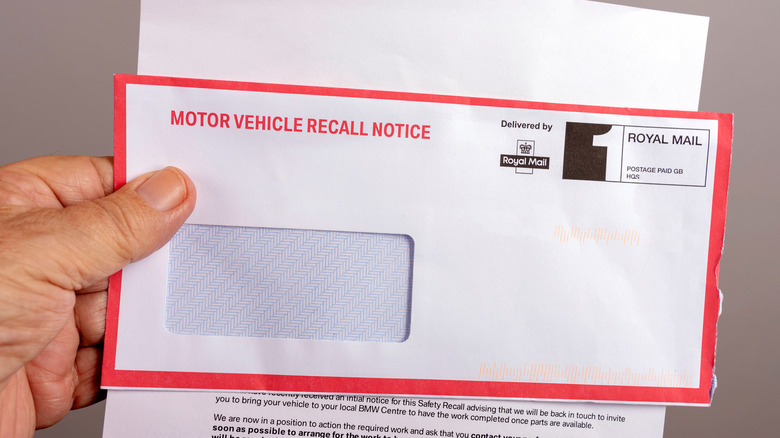
Manufacturers and the NHTSA put out recall notices on a regular basis, but these warnings are only created when a problem actually warrants immediate action. Some of the car companies with the highest volume of recall issues recently include GM and Ford. In many cases a recall notice is issued to cover a small component that can fail, leading to cascading consequences under a precise blend of circumstances. A small bolt or clip may be at fault, leading some drivers to ignore these warnings because the fix seems inconsequential.
For instance in 2023 Tesla Model Ys were subject to an NHTSA investigation (with as many as 120,000 affected) because cars were found to have hit the road without bolts properly securing the steering wheel to its column, leading some drivers to experience a surprise when they pulled the steering wheel straight off the car. Ultimately, the smallest problems found in the manufacturing process can lead to substantial safety concerns, including the incapacitation of your vehicle while it's moving, fire risks, and many others.
Skimping on car cleaning needs

Cleaning your car probably doesn't seem like a necessity. However, there are some consequences that come from a dirty car. On the surface, car color can be a notable factor in visiblity, and shining up the exterior helps improve your visual presence to other drivers. This makes cleaning your vehicle a road safety issue. You can't discount the safety aspects of certain habits like buckling your seat belt or using turn signals, and cleaning your car on a regular basis is among these. Keeping your car clean also helps limit damage from environmental factors. Dirt and grime can compromise the paint, and this coloring does more than just offer a window into personal taste. Your car's paint acts as an exterior armor to protect the bare components underneath. Damage can easily lead to rust and all the problems that come with it.
Inside the car, a mess can create a distracting environment that makes it harder to concentrate on the road. You don't necessarily have to bring your car to a professional valet service to create a clean interior that promotes a calm driving environment. Simply taking your mess with you when you exit the vehicle can go a long way to preventing distractions and mental clutter.
Leaving your car untouched for weeks or months at a time
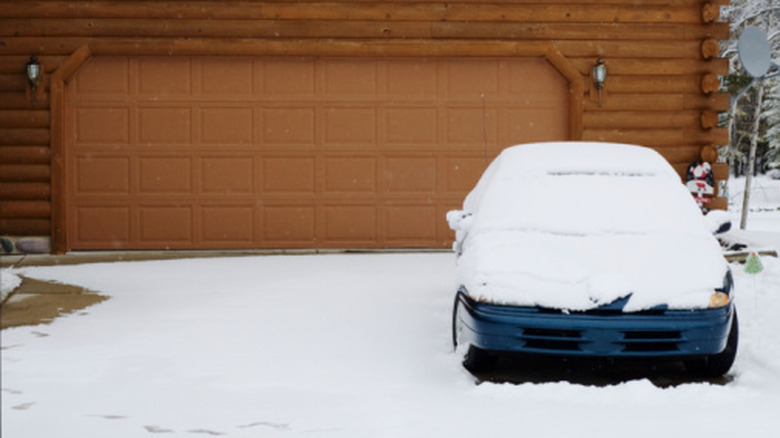
A car is an example of high-powered machinery. Everything about the device is tuned to perfection. But maintaining a favorable experience every time you drive requires you to actually drive. Allowing your car to sit idly on the driveway or elsewhere for weeks or months at a time degrades its performance, but firing up the engine taking the vehicle for a spin of the block is all it takes to avoid this outcome. The battery can start to lose its charge after just a few weeks of disuse. If you've gone away for a lengthy vacation and left the car in the garage, it might come as a surprise, but there's a good chance your car will have trouble starting altogether.
Likewise, if you leave your vehicle unused for around six months the gasoline sitting in your tank will start to break down as a result of natural oxidation processes. All it takes to keep these issues from creeping into your driving experience is to fire up the engine once or twice every month, even if you don't need the car for your own personal transportation habits that often.