

I Used To Care More About Upgrading My Phone - Here's What Changed
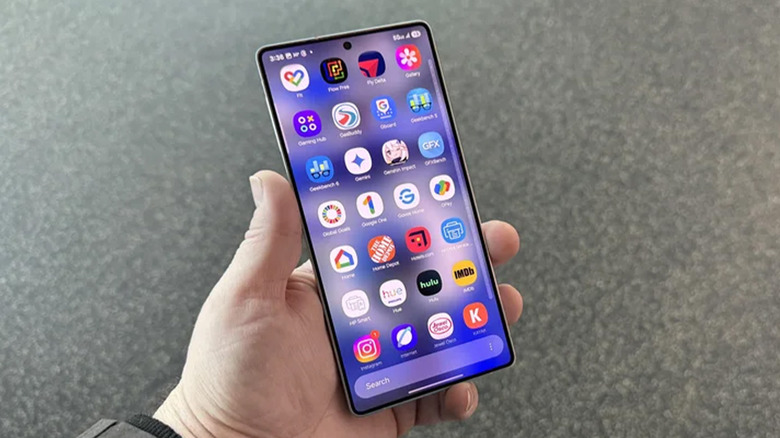
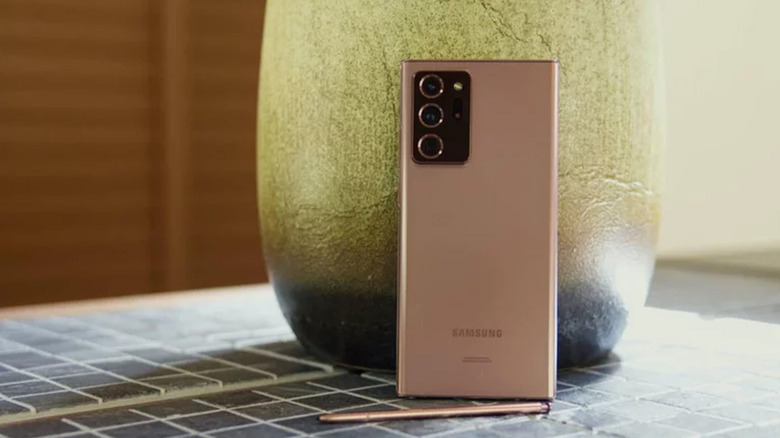
The calendar has rounded to 2026, and thanks to years of routine, one of my first thoughts was to look up the Samsung Galaxy S26. The reason for this is that I've upgraded my smartphone every year for most of my adult life, and Samsung has been releasing its latest flagships in January or February every year for quite a while. So, as the Samsung Unpacked 2026 event drew nearer, my monkey brain started focusing on completing my routine, which includes backing up my Galaxy S25 Ultra that I bought less than a year ago before factory-resetting it and sending it back to Samsung. And then a thought hit me. What if I just didn't do that?
It's a thought I've had before, but not one that's ever carried any real weight. Usually, I can come up with reasons why I want to upgrade. For example, my Samsung Galaxy S24 Ultra has the grainy screen issue that many had, and it drove me nuts. I couldn't wait to upgrade to a phone where dark gray didn't look like sand.
This year, however, I find myself with a phone that doesn't have any real problems and does everything I need it to do. Thus, the urge to get rid of it isn't present, and instead of battling myself in private, I thought I would publicly pontificate on why upgrading every year isn't quite the treat it once was and why I may likely be breaking my decade-long habit of upgrading my phone yearly.
Variety is the spice of life
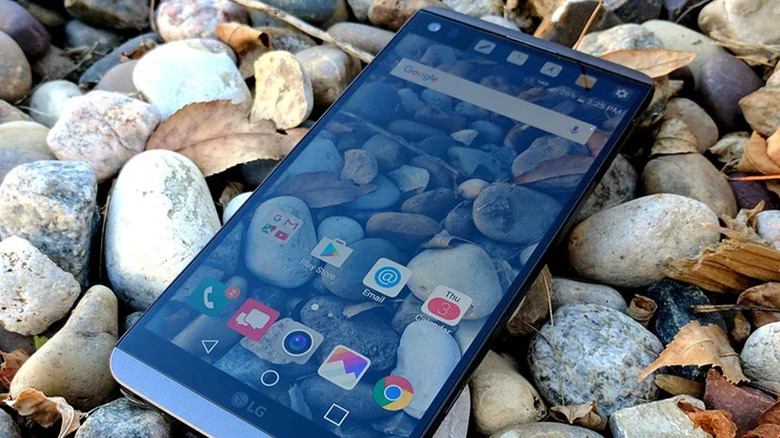
One of the best parts of upgrading your smartphone every year in the old days was that smartphones changed a lot from year to year. Phone makers were always experimenting with interesting designs, like the second screen on the LG V20 or the built-in kickstand on the HTC Evo 4G. This made every successive wave of smartphone releases feel special. For example, the HTC Evo 4G LTE built on the cool factor of the HTC Evo, and then HTC went to the M7 design a year later, which was entirely different. LG did this as well. The LG V10 had steel rails on the sides and a rubberized back. The LG V20 was all metal and felt very different.
In 2026, smartphone makers seem to have found their groove and have largely stuck to it. The Samsung Galaxy S25 Ultra doesn't look or feel too different from the S24 Ultra, which itself didn't feel too different from its predecessor. Google, Apple, and the other phone makers have also largely dug into their design languages, robbing us yearly upgraders of the feeling of getting something fresh and new.
Pair the lack of experimentation in modern smartphones with OEMs leaving the industry, including HTC (at least here in the U.S.), LG, and most recently, Asus, and things are looking flat-out boring these days. Upgrading doesn't have that same charm it once had. The only place left to find anything different is the foldables segment, and those are still very expensive for a cell phone.
The performance gains aren't what they used to be
Internally, smartphones aren't growing that much anymore either. Performance has improved incrementally for a few years now, with the biggest leaps being in AI computing and ray tracing, two technologies that have questionable usage and impact as of this writing. Battery sizes have largely stagnated while we all await the next revolution in battery tech. Unless you're using phones for hyper niche use cases, you won't notice too much of a difference between a flagship today and a flagship from two years ago, except for maybe a few extra frames in your mobile games or slightly faster render times on video content.
This is also different from the old days, and another feeling from buying a new phone that I simply don't get anymore. The aforementioned HTC Evo 4G has a single-core processor, 512 MB of RAM, and a 480p screen. The HTC Evo 4G LTE functionally doubled all of those numbers, and the HTC One M7 doubled them again. It hasn't been that way over the last half a decade or so, but there have been some interesting advancements at least, like Google coming out with its own silicon chip.
While I am an avid mobile gamer and general power user, modern smartphones do things well enough that an upgrade every two or even three years would be doable. Year-to-year updates simply aren't that big, and the differences in real-world use are often negligible.
Switching phones doesn't change much
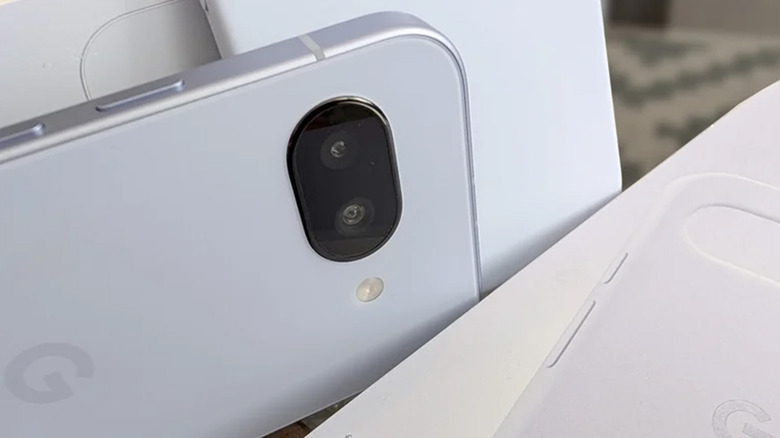
The outside and inside of smartphones aren't changing much these days, and that logic applies to the overall experience as well. When was the last time a new smartphone feature swept the headlines and was the talk of the town? Spoiler, it's been a while. Smartphone charging has gotten a lot faster, and screens have grown to have variable refresh rates. OLED screens have become standard in the mid-range and low-end categories. Sure, AI is new, but few use it intensively on their phones. Big leaps like Google's Night Sight are nearly a decade in the past at this point.
This is all to say that the general experience of using a smartphone hasn't changed. Scrolling TikTok feels the same on a 2025 flagship as it did on a 2022 flagship. I saw this Reddit thread comparing the S24 Ultra and S25 Ultra cameras, and from three feet away on a computer screen, you'd be hard-pressed to tell the difference. It's only when you pixel-peep that you see anything different at all. In some cases, progress is even perceived to have gone downward.
So, if I did spend the big bucks to get a 2026 flagship over my 2025 flagship, the experience as a whole will be 95% the same, and the other 5% is stuff I may or may not notice. To get noticeable changes, at this point, you have to wait multiple years, which makes the yearly phone upgrade grind feel silly.
Maybe I'm the one who changed
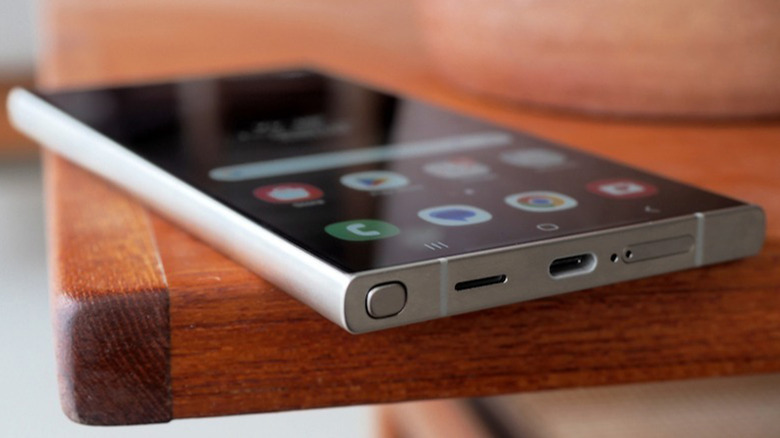
I could probably spend another hour talking about the stagnation of modern mobile phones and how it's impacting my decision to stick with what I have right now. After all, iOS 26 just introduced its first major visual overhaul since iOS 7 in 2013. Big change used to be a yearly occurrence, but now it takes time. The wild west of smartphones is long over, and today's phone makers are more into conservative, minor iterations and improvements over moonshot risks.
However, it would be dishonest not to talk about my motivations. I used to love hopping around phone makers to check out their various technologies. I was an avid fan of the quad DAC in the final few LG phones, and I've always loved the S-Pen in Samsung devices. These days, jumping around OEMs doesn't quite have that same effect. Sure, OnePlus has super-fast charging, and the Galaxy Ultra variants still have S-Pen, but those things don't tickle my curiosity like LG's vein-reading camera, which, while bad, was super creative and interesting. These days, defining features rest entirely within the software, such as Google's call screening on Pixel phones. While very cool, those things are more functional than fun and don't hit quite the same with me.
So, as I look at the Galaxy S25 Ultra sitting just to my left on my desk, I ask myself, "Is there even a reason to get the Galaxy S26 Ultra or test the market to see what's out there?" The answer, sadly, is not really. I guess we'll see what happens next year.