

10 Fun Or Useful Gadgets You Shouldn't Have To Replace For A Long Time
We may receive a commission on purchases made from links.
No one likes spending money to replace something you've already paid for, especially when it feels like you brought it home just yesterday. We live in a world where repairability and long product life cycles aren't really the norm. Especially with high-tech gadgets.
Whether it's a glued-in, worn-out battery that's too expensive to replace, or a company that has abandoned software support, many otherwise perfectly good devices end up in landfills and drain our bank accounts.
But some devices still offer great value for your dollar. If you buy them today, you won't need to fork out for a new one for years, or even over a decade. Sadly, it doesn't seem to be a sign of the times, but we're just happy gadgets like these still exist.
e-Readers
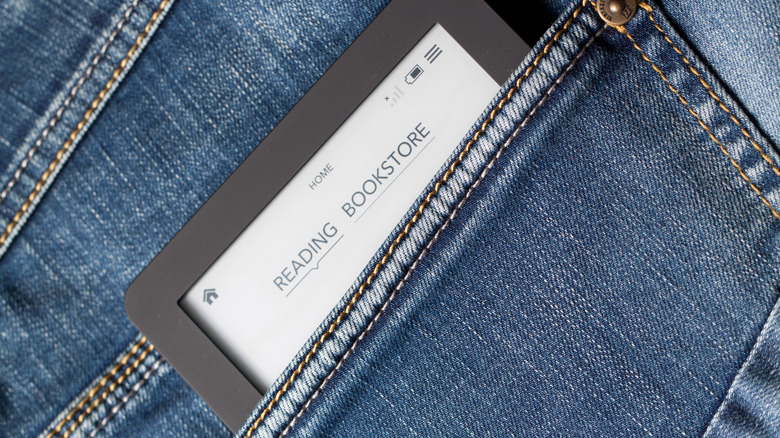
E-readers stand out as curiously single-minded devices. While some models can do more than just let you read a book, most do one job well.
Because you can get thousands of page turns on a single battery charge, you won't wear out the battery as quickly as with a device like a smartphone, which needs a daily top-up. The e-ink displays used in e-readers are also fairly long-lived. For example, the E Ink Carta display is rated for "10 million switches or five years." Depending on your usage, even an avid reader will struggle to hit those numbers before the battery wears out.
A much bigger problem is software support. Amazon left millions of Kindle owners in the lurch by dropping support for older models, even though the devices still work perfectly well. Luckily, you can "jailbreak" these devices and keep using them. There are also many non-Kindle e-readers. Notably, Kobo's readers aren't locked down out of the box, so you can easily load your own DRM-free books. Plus, Kobo has a strong repairability program, offering instructions and parts that let you keep your Kobo reader going even if a component fails. It's just one reason we think Kobo makes some of the best e-readers you can buy.
iPads
It's generally not in a company's interest to make products so good that customers don't feel the need to upgrade. You risk reaching saturation, where everyone who wanted that gadget has already bought one, and they'll use it for as long as possible.
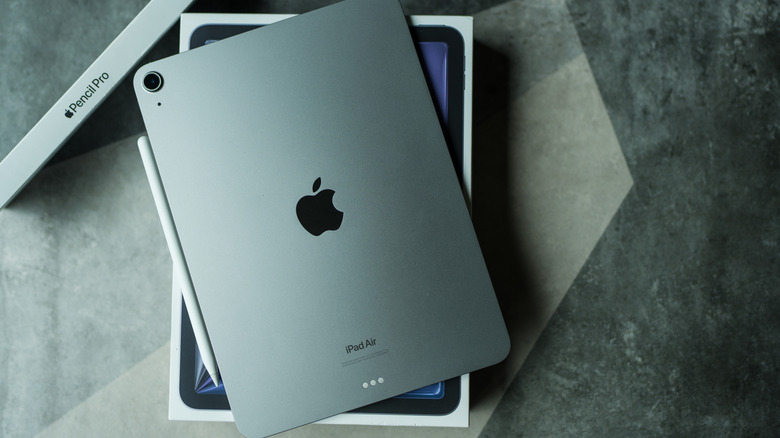
Apple's iPad is quite possibly the poster child for a product suffering from its own success. Even the cheapest, most basic iPad model has an excellent display, more processing power than the average user needs, and a reasonable price.
Add to this Apple's long software support cycle, and if you buy a current-year model today, you can expect half a decade or more of life from your tablet. Apple has said in the past that the iPad's longer life cycle hurts sales, but thankfully hasn't made iPads any worse to compensate. In fact, when we reviewed the 2025 baseline 11th-generation iPad, we gave near-universal praise to the hardware, software, and overall experience. As of 2026, Apple lists models dating back to 2020 as compatible with iPadOS 27. Don't forget, you can still use older versions of iPadOS for a few years, and Apple offers an official iPad battery replacement service. So, as long as your iPad delivers the performance you need, you can keep using it for years.
Wired headphones
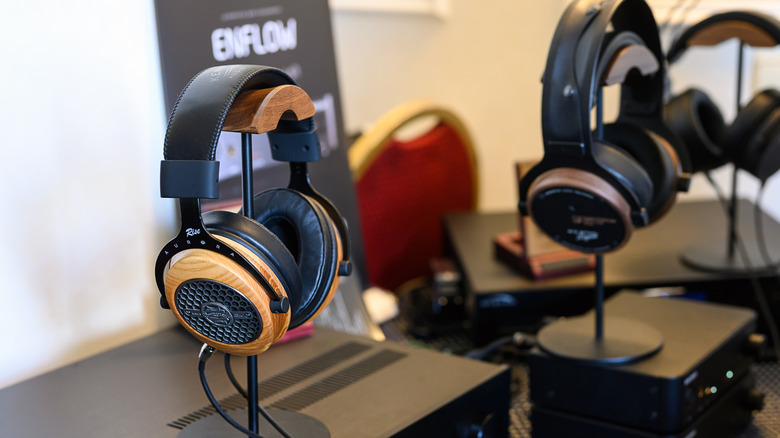
You might think of wired headphones as something for audiophiles, but they're back in the mainstream thanks to several factors, including cost, access to lossless audio, and a touch of retro nostalgia.
One of the great things about wired headphones, besides analog fidelity and a virtually lag-free experience, is that not much can go wrong with them. There are no batteries to wear out. Unless you buy a model with active noise cancellation, you'll mostly have to worry about wear and tear.
Those aforementioned audiophile-grade wired headphones can cost hundreds to thousands of dollars. But, to be fair, they could feasibly be the last pair of headphones you buy. While individual components such as the cable, drivers, earcups, cushions, and so on can fail, usually you can repair or replace them. Even then, unless you're particularly careless or rough with your gear, you shouldn't need any of that for years. If investing in a nice set of wired headphones sounds good to you, check out the wired headphone models we recommend to make sure you get one that will last a long time.
A Casio G-Shock watch
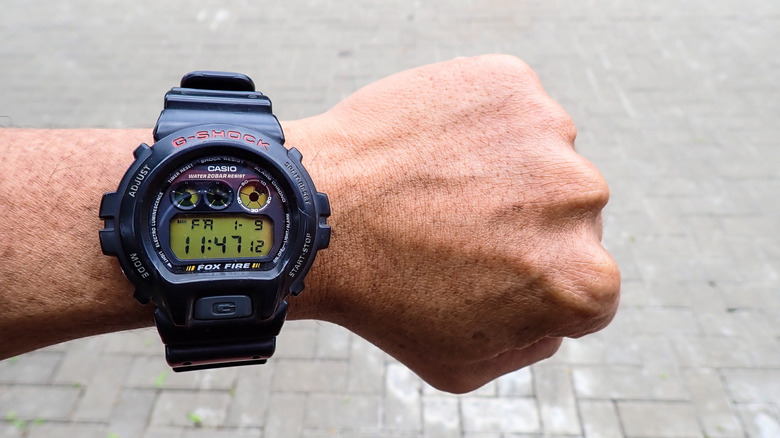
Casio G-Shock watches are notoriously durable gadgets that still use surprisingly complex engineering. Not that you'd notice right away, given how flashy and feature-packed smartwatches tend to be. But that also makes them energy-hungry, so you'll recharge them daily or every few days.
Once your smartwatch's battery wears out, you'll likely have to send it in for a professional battery replacement, if your model even allows it. If you look at iFixit's smartwatch repairability scores, you'll see that popular models from companies like Apple don't score very well.
Contrast that with a G-Shock watch, which uses standard battery cells you can buy off the shelf, and if you're handy with a screwdriver and some tweezers, you can replace the battery yourself. Beyond that, these watches are famed for their durability, and different models offer features suited to different activities. Casio even offers a range of G-Shock watches backed by a 10-year promise.
Turntables
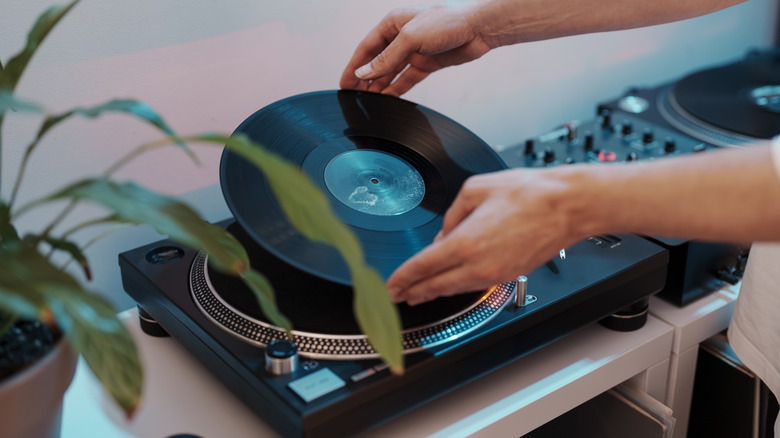
If you lived through the transition from vinyl records to CDs during the '80s and '90s, you may have been surprised at the return of vinyl records and (as a result) the turntables you need to enjoy them. While it's highly debatable whether vinyl offers a listening experience any better than a CD or lossless digital file, there's no arguing that if you're looking to collect music and enjoy it for the foreseeable future, vinyl has a few things going for it.
A well-cared-for vinyl record can outlast a CD, which, if stored and handled correctly, is already good for several decades. But what about the player itself? One way to answer this question is to look at the sought-after vintage record players on sites like eBay. These machines are decades old and still work perfectly. While a record player may need service now and then, it's generally a repairable device.
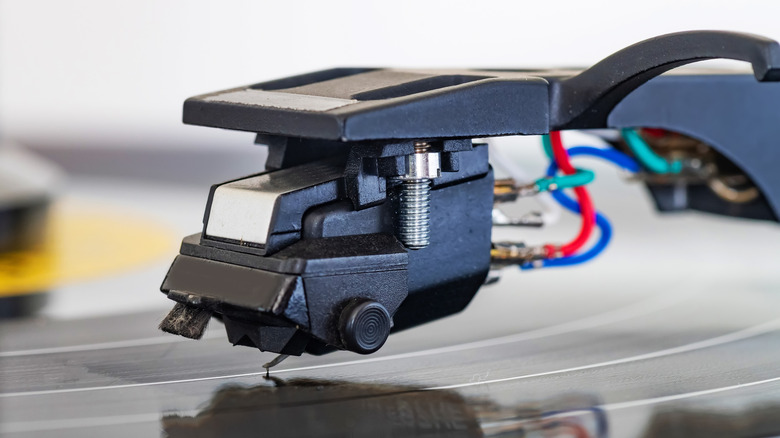
Parts like the stylus (which contacts the record) are considered consumables and can last up to 3,000 hours, depending on the stylus type and whether the record player is set up correctly. As long as parts are available, investing in a high-quality turntable today could mean you never need to buy another one. Unless, that is, you develop audiophilia and keep chasing marginal gains at great expense.
DSLR and mirrorless cameras
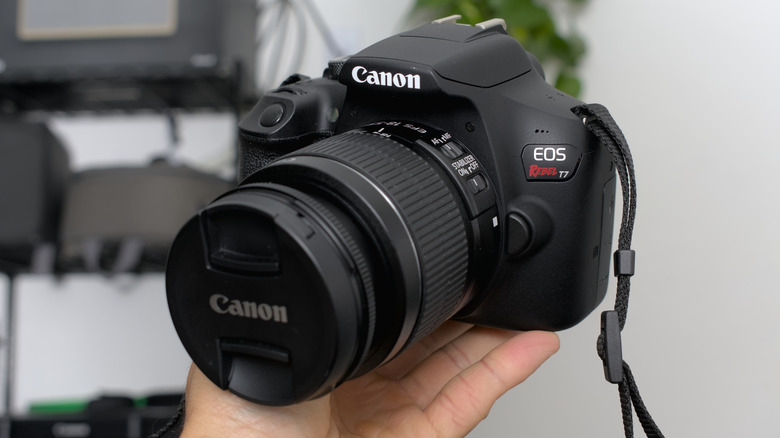
Smartphone photography is all the rage these days, but if you want truly spectacular photos that haven't been run through a camera-app AI filter, a good DSLR or mirrorless camera is still where it's at.
These devices are quite modular. You can swap out the lenses; the batteries are removable, and the memory is also external. The main component that limits a camera's lifespan is its mechanical shutter. Not all cameras have mechanical shutters, but if yours does, it can only open and close so many times before it needs servicing or replacement.
That is why you need to check the "shutter count" of any used camera you buy and compare it to the rated lifespan for that model. Typical shutter life expectancy ranges from 50,000 actuations to more than ten times that figure. This usually scales with the camera's price and intended audience. A mid- to high-end DSLR or mirrorless camera can serve you for years, or even decades, if you take care of it and replace or repair worn parts. They don't require software support or network connectivity. As long as you can read files from an SD card, these cameras remain usable.
Mechanical keyboards
In a way, the rise in popularity of mechanical keyboards is more surprising than the return of vinyl record players. It's another technology left behind in the 1990s, as clicky-clacky keyboards on systems like the IBM PC gave way to the quiet membrane keyboards that defined the beige age of computing.
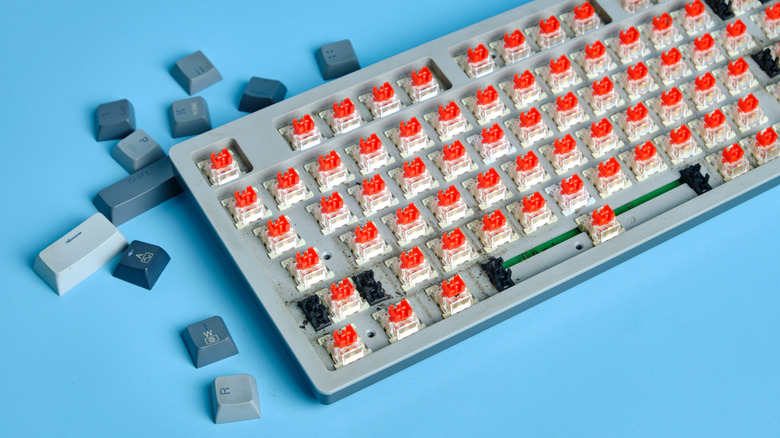
Whether mechanical keyboards are actually better for gaming or typing is a matter of preference, not objective fact. However, a good mechanical keyboard isn't disposable like a membrane keyboard. These keyboards are highly modular, though the level of modularity depends on the model. If you buy a mechanical keyboard with non-soldered switches, you can easily replace the switches and keycaps as needed. If something wears out, you can just replace it!
The keyboard's core component is its PCB, or printed circuit board, which connects all the other components. Of course, if your PCB breaks, you can theoretically replace it and keep all the other parts. There is a "Ship of Theseus" argument to be made here — is it really still the same keyboard if you've actually replaced every worn part years later? We'll leave that to the philosophy nerds. All we know is that you never had a keyboard you couldn't fix, and that's all that matters.
Bookshelf Speakers
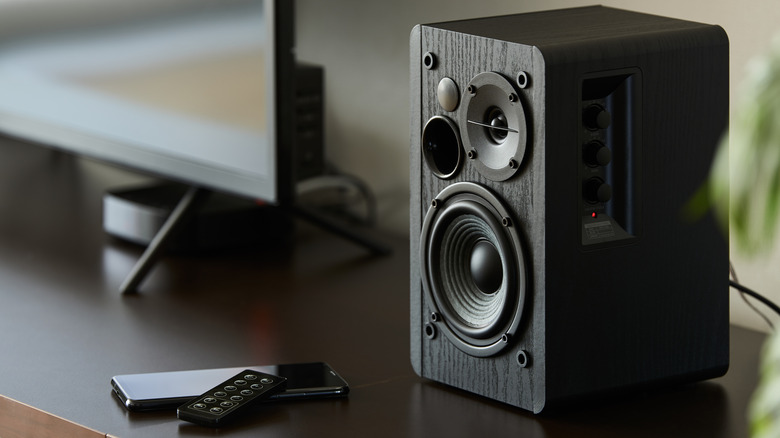
A good set of bookshelf speakers should last you many years, depending on the quality and type. Broadly, these speakers fall into two categories: active and passive. Active speakers have a built-in amplifier in one or both units. This means you only need to connect an unamplified source, such as a computer's 3.5mm analog audio jack.
Passive bookshelf speakers don't have a built-in amplifier, so you need to buy one separately. Active speakers are more convenient, take up less space, and can be more cost-effective. However, if the amplifier fails, the entire speaker set does too. Unless you can find a replacement amp, which isn't impossible, but might not make financial sense.
Even passive speakers still suffer mechanical wear and tear from normal use. Whichever bookshelf speaker you choose won't have batteries like a smart speaker, won't rely on software support, and won't suddenly stop working even when nothing is physically wrong. If you take good care of your speakers and use them at reasonable volumes, you can expect five to 20 years of service, especially with a premium set. For high-quality speakers, that range might even be conservative. After all, some vintage bookshelf speakers still sound great.
An LED flashlight with removable batteries

Everyone should keep a flashlight in their car or at home for emergencies. Thanks to modern LED technology, flashlights are compact, powerful, and generate far less heat. They're also much more power efficient. So batteries can be smaller, or alternatively the flashlight can run for longer.
The big problem comes from flashlights with built-in lithium batteries. You probably already know that lithium batteries wear out with each charge and lose capacity over time, but you might not know they can degrade while stored, too. So, if you charge a flashlight with a lithium battery and then leave it in a cupboard for years, you may find it's not only flat, but non-functional.
A simple, affordable LED flashlight like the Energizer HC-550 uses disposable alkaline batteries. So you can store the flashlight without batteries, with a sealed pack next to it for emergencies. Just keep an eye on the batteries' expiry date and set a reminder to replace them. For all intents and purposes, you'll never have to replace the flashlight itself unless you use it so often that you exceed the LEDs' rated life.
Modern retro gaming consoles
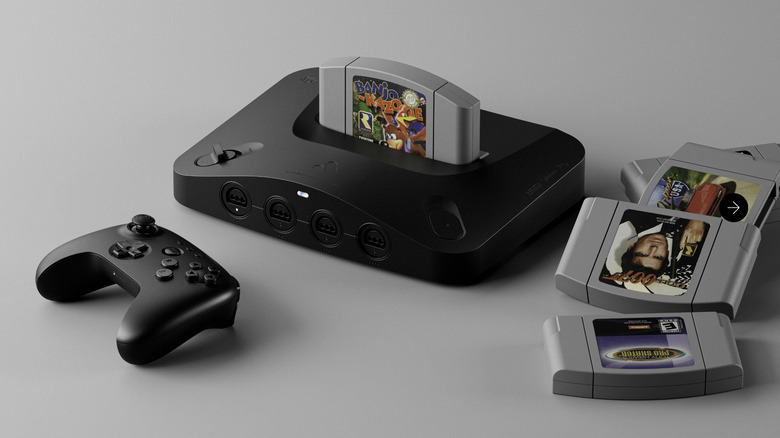
What you see pictured above is the Analogue 3D, a modern FPGA-based console that will play just about any video game cartridge designed for the Nintendo 64. Surely, there's nothing more satisfying than playing retro games on original hardware, preferably hooked up to a CRT. However, those original consoles are decades old, and the CRT TVs they were designed to work with are dwindling with each passing year.
If you want to keep playing your favorites on modern TVs as close to the original experience as possible, a modern retro console like this is the ticket. They aren't cheap at this premium end of the market, but they also have little that can go wrong. They also don't depend on an internet connection, though updates to fix bugs or improve performance may be forthcoming.
Retro gaming enthusiasts have enjoyed their original hardware for decades, and even invested in expensive retro gaming scalers. However, it's time to transition to new hardware designed to play old games. An investment that will hopefully keep you playing for decades to come.