

5 Popular Tech Products That Have Near-Zero Repairability, According To iFixit
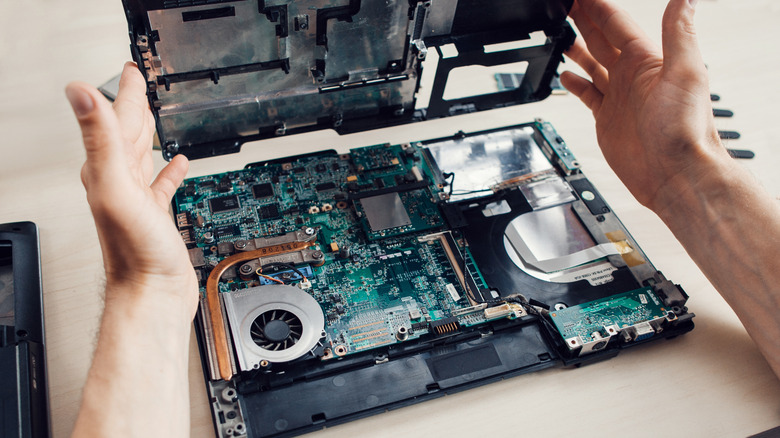
As consumer tech gadgets get sleeker and lighter, one major aspect is taking a back seat: repairability. Generally speaking, the repairability of consumer products has been declining over the past few years, and there are many examples of this. We've seen many tech companies ditch user-replaceable batteries in favor of internal ones that don't allow easy replacements, and other components like memory and storage are soldered to the motherboard. Many popular tech products are designed to make repairs difficult, expensive, or practically impossible.
For consumers like you and me, that can mean shorter lifespans of the gadgets that we use, higher replacement costs, and more electronic waste. As a result, talks around gadget repairability have gained momentum in the past few years, driven by the right-to-repair movement. iFixit is known for its detailed teardowns and repairability scores that highlight how easily a given gadget can be opened, diagnosed, and put back together. The site's repairability scores often reveal just how easy or difficult the sleek gadgets we use every day are to work on.
We'll look at various popular tech products that have earned extremely low repairability scores in iFixit's testing across five categories, ranging from 0 to 3 out of 10. If you're in the market for different consumer gadgets and care about the repairability of your devices, then you should steer clear of these five popular devices because they've been found to be relatively hard to repair.
Apple AirPods 4

iFixit's repairability rating for the Apple AirPods 4 shows they're among the hardest gadgets to repair. With a score of 0 out of 10, working on your Apple AirPods 4 to fix any issues that might occur is an uphill battle since the company hasn't done anything to make the earbuds easy to repair. The struggle begins from the outside when you try to access the internal components, with iFixit saying it's difficult to open the earbuds and doing so is likely to be destructive.
Once you get inside, if you manage it without damaging the earbuds, you still face the hurdle of replacing parts. According to the site, the AirPods 4 have no replaceable parts. Even the batteries powering the earbuds are soldered, which makes replacement difficult. The AirPods case is also just as difficult to work on, with Apple using epoxy to seal it.
iFixit says replacing the battery or the USB-C port, the two most likely components that you might need to swap, is a destructive process as well. What makes the experience even worse is that Apple has never provided any self-repair manuals for the AirPods 4, and the company doesn't provide any official self-repair parts you can swap in either.
Kobo Sage

When it launched, the Kobo Sage had an edge over Amazon's Kindle in some ways. However, one dark side of this device is its repairability. Per iFixit's teardown, this e-reader has zero repairability. It earned a score of 0 out of 10, the lowest on iFixit's repairability scale, making it one of the worst products to repair. The site couldn't find a single thing that Kobo did to make it easily repairable. In fact, several aspects of the Kobo Sage led iFixit to assign it a zero repairability score.
First, the company didn't provide an instruction manual that users can reference for self-repairing the e-reader. Additionally, the company doesn't offer any official replacement parts that you can buy to perform repairs. Also, opening the device is tricky and likely destructive, per iFixit, which discourages you from taking it apart in the first place. And once inside, Kobo has soldered some key components to the motherboard.
For example, the battery is a consumable component that typically needs replacing after some time, yet Kobo has soldered it to the motherboard. Additionally, iFixit says the battery is further secured with strong adhesive. Soldered page-turn buttons and a soldered USB-C port also hurt the Kobo Sage's repairability rating.
MacBook Pro 14-inch (M5, 2025)
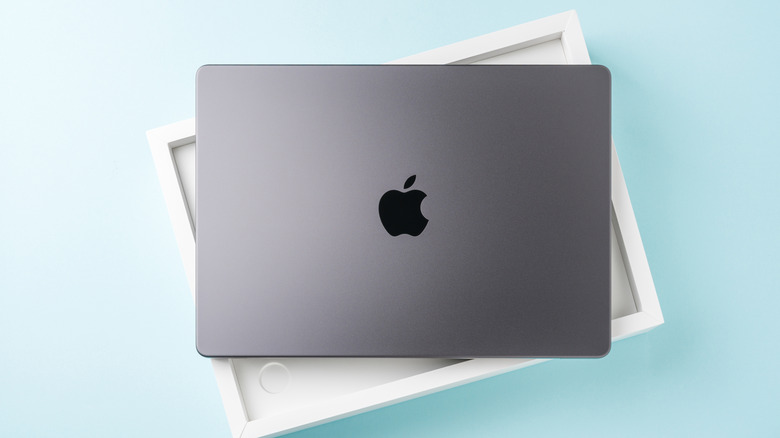
Apple's MacBook Pro lineup is known for high-end performance, but the 14-inch MacBook Pro released in 2025 isn't great for repairability. The 14-inch 2025 M5 MacBook Pro earned a score of 4 out of 10 on repairability, with the only positives being that the battery can be replaced, although not easily. It also features modular Thunderbolt ports — though they are buried beneath the logic board – and Apple provides a full service manual and replacement parts.
However, despite these three wins, several obstacles make working on the MacBook Pro difficult. First, getting inside the device to replace something as simple as the battery is tedious and, per iFixit, requires a 35-step process just to remove the included cell. There are eight screws securing the lower case that you'll have to remove using a specialized P5 pentalobe driver, instead of the much more common Phillips or flathead screwdriver, which makes repairs harder on the MacBook Pro.
Once you're past the eight screws, you need to release sliding clips holding the back edge before you can remove the cover, then disconnect the trackpad, ZIF connector, logic battery data cable, and other tiny yet important items that make the process difficult. Apple also riveted the M5 MacBook Pro keyboard down, and storage is soldered — so upgrades or replacements are difficult to pull off.
iPad Air 6

Another popular tech product from Apple that scored poorly in iFixit's repairability test is the iPad Air 6, released in 2024. iFixit rated the iPad Air 6 with a repairability score of 3 out of 10. The biggest barrier to repairing the 6th-generation iPad Air is that the only way to access the tablet's internals is through the screen. So before you can replace anything, whether it's the battery or even the camera module, the first thing you have to do is remove the screen, which is, of course, delicate. To make matters even worse, it is glued in place, which requires extra effort to remove.
As if that wasn't enough, Apple has also failed on its part by not offering a self-repair manual that tech-savvy consumers can use to work on the iPad Air. Additionally, the company doesn't sell parts that you can swap inside the tablet. Lastly, iFixit notes that Apple makes it hard to remove the model's battery because the logic board is glued down, and there's also a delicate connector along the way that you have to deal with.
The iPad Air 6 isn't the first iPad model to earn a poor DIY repairability score from iFixit, though. The 2018 11-inch iPad Pro also earned an iFixit repairability score of 3, so Apple clearly has a long way to go to make its tablets easy to repair.
Nothing Phone 3
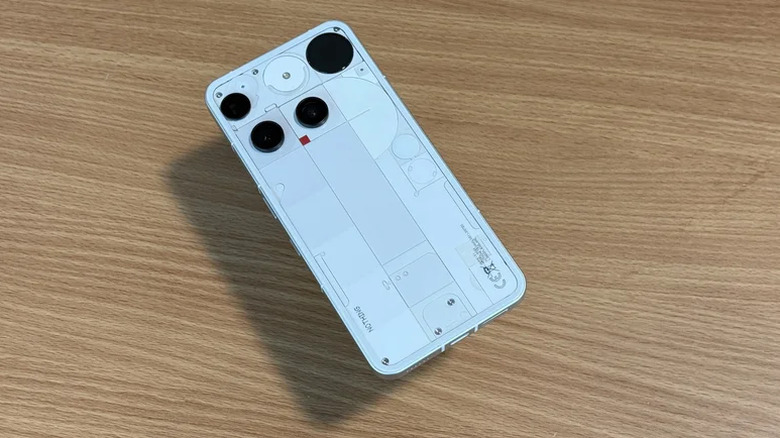
We reviewed the Nothing Phone 3 in 2025, and it impressed us on several fronts. However, it turns out one of the biggest downsides of the Nothing Phone 3 is repairability. According to iFixit, the phone scored 3 out of 10, which, surprisingly, is a tad worse than even the iPhone 14 Pro, which is one of the most difficult iPhones to repair.
First, what makes the Nothing Phone 3 difficult to repair is that the company doesn't offer self-repair parts or an instruction manual you can follow for a DIY repair. Second, repairing the phone's screen is difficult, and iFixit has even described the process as one of the "toughest" they've encountered. The Nothing Phone 3 has a transparent design at the back, showcasing all the screws, and ultimately giving a false impression that getting to the innards of the device is a walk in the park. But as iFixit's teardown reveals, there's a glued transparent rear glass panel that must be removed before you can get to the screws.
And once you remove the rear glass panel, the Nothing Phone 3 also offers extra challenges that make the entire process harder, such as hidden screws. The company uses thin decorative stickers to conceal some of the screws, which are difficult to reapply once you're done with your repair job. As a result, iFixit says that disassembly of the device is visually destructive.