

Why Did So Many Tech Companies Stop Using Removable Batteries?
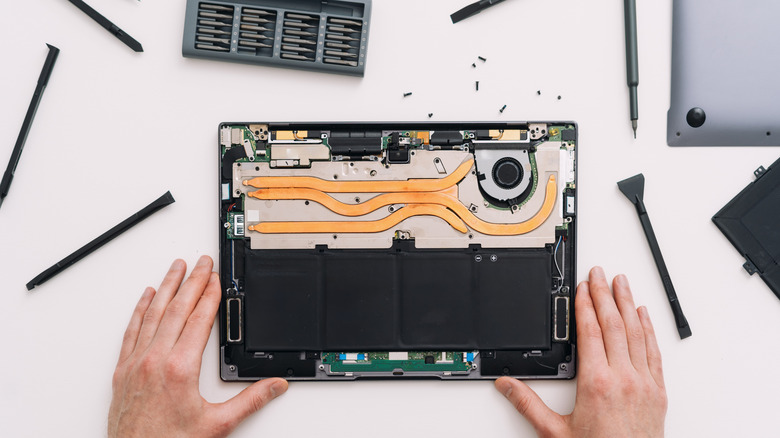
Removable batteries can help extend the lifetime of a product. However, if you look around today, you'll notice that these kinds of batteries are a rarity in modern consumer tech gadgets, including laptops, smartphones, tablets, and even handheld game consoles and controllers. Why is that the case? Well, there are quite a few reasons. In a nutshell, tech companies stopped using removable batteries to make their devices thinner, more durable, and create space for other components. For example, after launching a 17-inch MacBook Pro with a fixed battery in 2009, which was criticized by users, Apple defended the move by saying it allowed it to add extra capacity.
The company said a removable battery needs extra layers of protection against damage, and the laptop itself has to provide a compartment for the cell, all of which occupy extra space in the device. By using a fixed battery, the company automatically reclaimed space and used it to increase the cell's capacity without increasing the size or weight of the laptop. Fixed batteries can also be shaped in different ways to enable maximum utilization of available space and add more juice.
Of course, despite these seemingly valid reasons that explain why companies ditched removable batteries, some consumer devices have stayed true to those roots. In the smartphone market, for example, there are phones that still come with removable batteries, like the Fairphone 6 and HMD Skyline.
Why removable batteries were common in the '90s and '00s
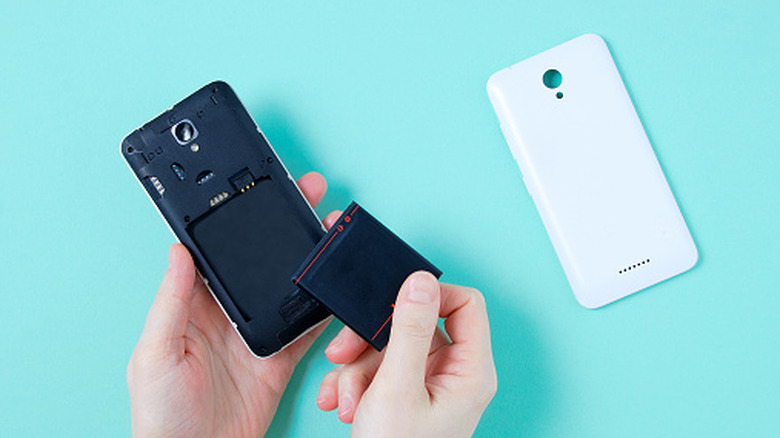
Non-removable batteries may be the norm today, but it wasn't always that way. In the '90s, the 2000s, and even into the 2010s, removable batteries were more standard in different kinds of gadgets, including phones, laptops, and even handheld game consoles like the Nintendo 3DS, Nintendo 3DS XL, and Nintendo 2DS. Swappable batteries were common back then because they were more convenient for the user. During that era, charging speeds weren't as fast as they are today, so it took longer to juice up your devices. Instead of waiting for your device to recharge, you could simply carry a spare charged battery and swap it in if the device you were using ran out of charge.
Another factor that made removable batteries standard was battery chemistry. Early consumer gadgets often used nickel-metal hydride or nickel-cadmium batteries, but they had drawbacks like the memory effect. Because of this, removable batteries were especially useful during that period. Modern lithium-ion batteries, however, don't suffer from the same memory effect and have lower self-discharge.
There have been many exciting advancements in battery technology, such as silicon-carbon, which has a high energy density – enabling manufacturers to pack high capacities into slim devices. Additionally, you can rapidly charge your dead gadget in minutes due to improvements in charging speeds. And if you run out of juice because of battery-draining apps, you can use accessories like battery cases or power banks to quickly recharge.
Removable batteries could be making a comeback
Although many tech companies have ditched swappable batteries in their products, there's a new development that could mark their resurgence, especially if you live in the European Union. As part of two new rules passed by the EU, portable gadgets (with a few planned exemptions like smartwatches and fitness trackers) will need to have user-removable batteries. These rules were made in an attempt to improve the longevity of these devices. As a result of these new rules, removable batteries in phones could make a comeback in the near future – but it comes with a catch. Phones with an IP67 rating that can hold 83% and 80% battery capacity after 500 and 1,000 charge cycles, respectively, are exempt.
The EU's replaceable battery laws affect more than just smartphones. They also apply to other tech product categories, such as headphones, portable game consoles, and e-readers, to name a few. Since the EU's wider-reaching law on removable batteries kicks in on February 18, 2027, several companies have begun making changes to their devices to comply. A good example is Sennheiser, which has launched its new Momentum 5 wireless headphones with a swappable battery.
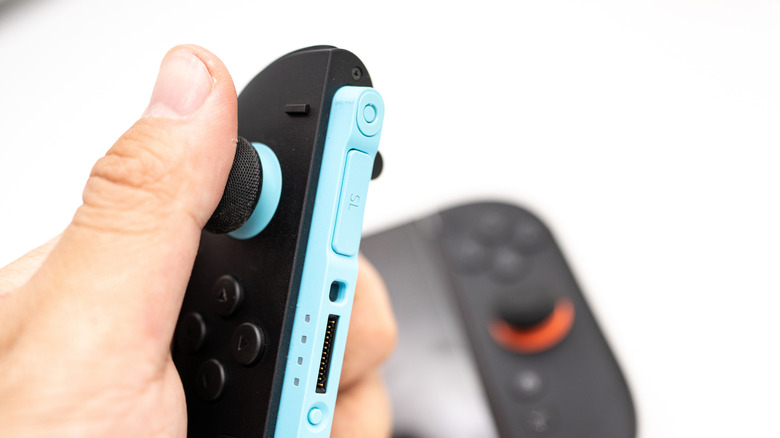
Nintendo will launch new Joy-Con 2 controllers with user-replaceable batteries this winter, and it also plans to launch a new version of its Pro Controller with a swappable battery to comply with the law. So if you prefer user-swappable batteries over fixed ones, you might be glad to hear they may become more common in the near future because EU rules can have far-reaching consequences across the tech industry.