

These Are The EVs Coming Out Soon That Might Be Worth Waiting For
The current U.S. electric vehicle market is already pretty diverse, but buyers will have even more options to choose from in the near future. Industry giants and small players alike are readying the next generation of zero-emission vehicles, and there are a few particularly promising models that look to be worth waiting for. In the truck market, new players like Slate are looking to attract buyers with low prices and a back-to-basics approach. It's not a perfect solution, and we've previously argued that the truck's projected range of 205 miles might not be enough to convince gas-powered truck owners to make the switch. Nonetheless, if a limited range isn't a dealbreaker, it's a cool alternative to the usual high-tech, high-cost pickups that have dominated the electric truck market so far.
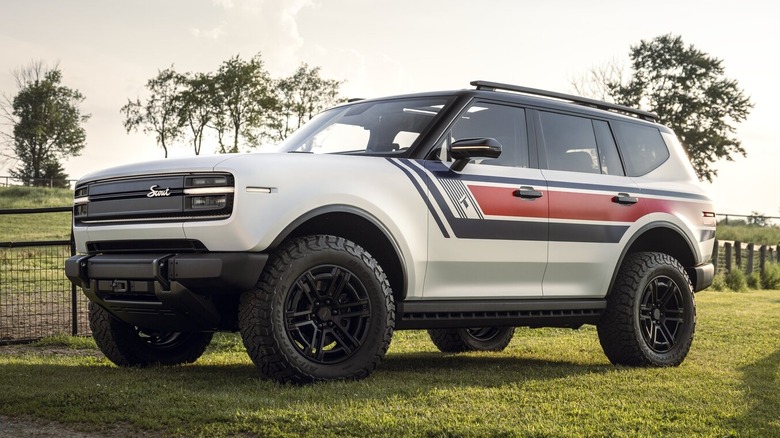
It isn't just the startups that are focusing on affordability either. Ford is also set to launch the Fathom in 2027, which starts around $30,000 and will slot in as the electric counterpart to the Maverick. Kia is also working on an electric pickup that will reportedly be available both in all-electric form and as an extended-range EV. It's set to hit dealerships in 2030, and Kia has said that it aims to sell 90,000 examples in the U.S. annually. Another truck worth watching out for is the long-awaited Scout truck, which sees the historic American brand revived under the stewardship of Volkswagen Group. At the time of writing, Scout says production is expected to begin sometime in 2027. The North Carolina-based company also expects to begin producing the Traveler SUV the same year, and adds that both models are planned to start under $60,000.
There are plenty of cool cars on the way too
Truck buyers will be able to pick from plenty of brand-new releases over the coming years, and car buyers aren't being left out either. Anyone looking for a luxurious family hauler won't want to overlook the upcoming flagship Genesis GV90, which will not only be one of the most unique-looking SUVs in its segment but also one of the most high-tech. Among other things, buyers can expect a center infotainment screen that doubles as a pop-up TV, underfloor heating, and a sound system that's designed to mimic the acoustics of various famous real-world venues.
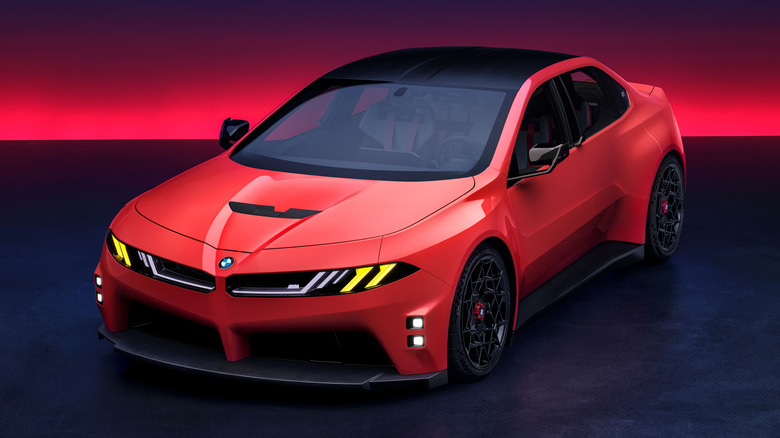
Several promising performance cars are also on the way soon: there's the first-ever electric BMW M3, with production planned to start in 2027, and the upcoming EV replacement for the Porsche Cayman, which has been delayed but is still reportedly on the way soon. Smaller sports car makers also have EV projects worth keeping an eye on, like Caterham's upcoming Project V.
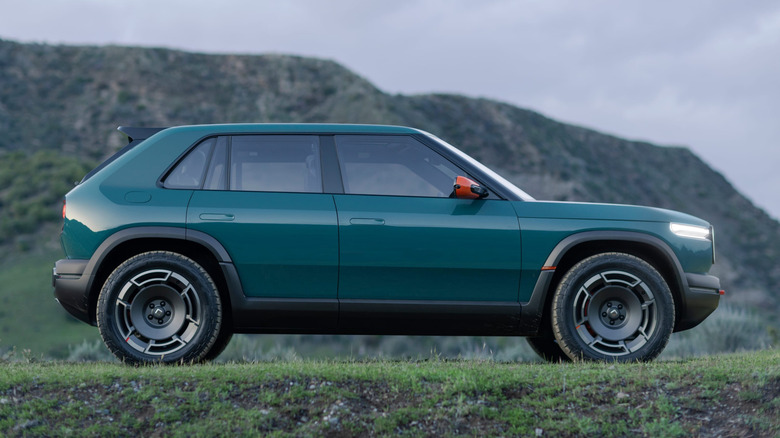
The British brand has confirmed that it will be launched in the U.S., although there's no definite launch date yet. Similarly, Alpine is planning to bring its upcoming electric sports car to the U.S., although it's also weighing the possibility of developing a gas-powered counterpart to sit alongside it in dealerships. Buyers looking for all-terrain practicality can already snag themselves the 2027 Rivian R2, which we recently crowned as the best EV in its price bracket. Rivian buyers will soon have more options to pick from, with the smaller R3 and R3X crossovers expected to start arriving around 2028.
Reports of the EV's death are greatly exaggerated
None of these promising-sounding vehicles will stick around — or perhaps even be launched at all — if the demand for them isn't there from buyers. There are certainly still some hurdles to clear, including patchy charging infrastructure and the alarmingly rapid depreciation of some EV models, but the current trends still point to greater electrification in the future. While the transition to EVs might be on a rockier path than some industry insiders expected, it is still progressing globally. A 2026 report by Bloomberg estimated that more than half of all new passenger cars sold around the world will be EVs by 2035, although adoption rates are likely to vary a lot between countries.
In the U.S., adoption has been slower, but the IEA says high oil prices caused by conflict in the Middle East have made EVs even cheaper to run than gas-powered cars. Alongside the expected new converts, there will also be plenty of existing EV owners looking to upgrade from their current cars. In short, the signs point to EVs playing an increasingly large role in the global auto market, and that means the current tranche of cool upcoming cars should be followed by an equally promising set of new releases in the coming years.