

9 Underrated Headphone Brands That Can Compete With Bose
We may receive a commission on purchases made from links.
When you walk through any major airport, take a seat on a crowded train, or look around a bustling office, you will inevitably see someone wearing a pair of Bose headphones. For decades, Bose has made some of the best Bluetooth headphones.
The brand essentially pioneered modern active noise cancellation, and its QuietComfort line is legendary for a reason. They are super comfortable, effectively silence the roar of an airplane engine, and they produce excellent sound. The caveat here is that Bose headphones come with a considerable 'brand tax'. You are paying for the million-dollar marketing campaigns, the branding, and the perceived premium value.
But what if you want to step outside of that bubble? What if you want headphones that sound good but also look unique? What if you want earcups crafted from solid wood instead of injection-molded plastic? Or perhaps you just want top-tier noise cancellation without denting your wallet. The audio market is vast, and there is an entire world of specialized, value-focused brands that can compete head-on with Bose. If you are willing to look past the heavy hitters like Sony, Apple, and Beats, you can find hidden gems that offer solid build quality, innovative designs, and studio-grade sound. Here are some underrated, lesser-known headphone brands that offer compelling, high-quality alternatives to expensive Bose headphones.
Sivga
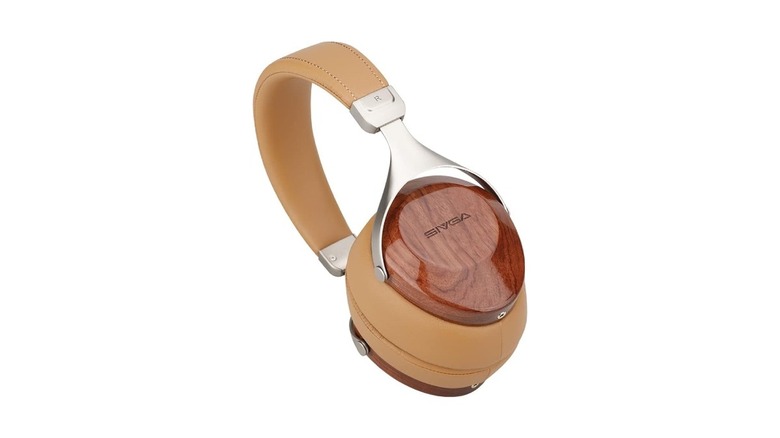
If you're bored with the same generic matte-black plastic on your headphones, Sivga offers beautifully crafted wooden options for a unique look. The company mainly builds wired headphones, with closed-back, open-back, and planar magnetic models for different kinds of home listening. Unlike Bose, ANC and portability aren't the focus here. Instead, Sivga puts the money into wooden earcups, metal hardware, detachable cables, and replaceable parts.
The Sivga Robin shows why that approach can be refreshing. Its rosewood housing has a natural grain, so the headphones look more like a piece of furniture than an anonymous gadget. Despite having no ANC, the closed-back design provides some isolation while leaking less sound to others. Since this is a wired option, you get a 3.5mm connector that plugs into a laptop or a phone with a USB-C adapter. This makes headphones from Sivga an approachable step into the world of wired audio without first buying a stack of specialist equipment.
There is a more experimental side to the range, too. Trusted Reviews found the wireless Sivga SO2 open-ear sports model comfortable and balanced. Its touch controls could be inconsistent, though, and the open design barely blocks outside noise. However, that model isn't the heart of Sivga's catalog. If you're specifically looking for a wireless option, we've mentioned several other brands below. Sivga is specifically for those who appreciate the wood and unique design language.
Nothing
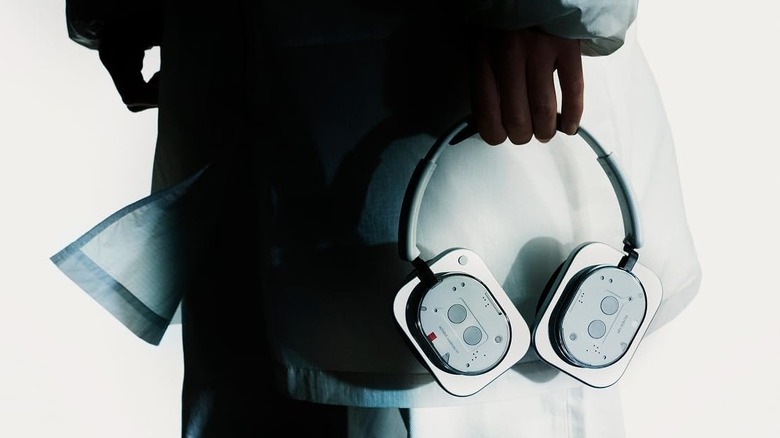
Most wireless headphones are rounded black, white, or beige objects that seem as if they all came from the same factory. Nothing takes the opposite route. Its Headphone (1) uses transparent panels, visible screws, squared-off earcups, and physical rollers and paddles you can operate without swiping blindly across a touch surface. That mechanical look connects neatly with the company's phones and earbuds, while making its first over-ear model recognizable from across a room. The aluminum frame adds a premium touch, ensuring it's not purely about the visuals.
It's also nice that the design isn't covering for a thin feature list. The Nothing Headphone (1) includes adaptive active noise cancellation, multipoint pairing, AAC and LDAC support, plus an eight-band equalizer in the companion app. Nothing claims up to 35 hours of battery life with ANC on and 80 hours without it, which is enough to get through several days of commuting before you need to hunt for a USB-C cable. An IP52 rating also provides the headphones with some protection against dust and light splashes, a useful addition if you plan to use them in the gym.
Our Nothing Headphone (1) review praised the noise cancellation, app support, and intuitive controls. The default sound was dark in its tests, but the equalizer gives you plenty of room to pull it back toward your taste. The earcups don't fold, so this is hardly the most compact pair to throw into a backpack. That said, Nothing seems to be headed in the right direction with its audio products. The Nothing Ear series has been a proven performer over the years, and the headphones seem to be following a similar path.
FiiO
FiiO is an audio brand that sells portable music players, DACs, amplifiers, earphones, and over-ear headphones designed to work together. Its current headphone range leans toward wired options, which makes sense for someone who listens at a desk and is happy to trade charging and pairing for a cable that simply works.
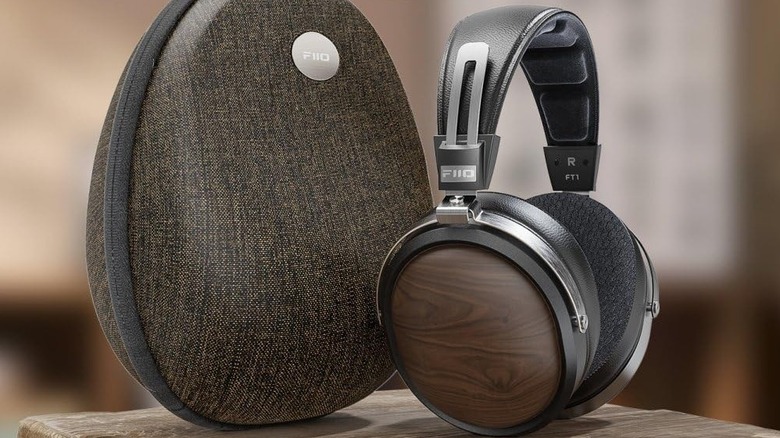
You don't need an intimidating rack of equipment to get started. The FiiO FT1, for instance, is a closed-back model with wooden earcups that comes with both 3.5mm and balanced 4.4mm cables. The regular plug works with common audio gear, while the balanced option is waiting if you add compatible equipment later. Since the cups are sealed, the FT1 also keeps more of your music to yourself than an open-back headphone. That makes it easier to use around family or colleagues without turning the room into a part of your playlist. Its walnut finish also keeps the utilitarian shape from feeling anonymous.
Trusted Reviews praised the FT1's energetic sound, detail, passive isolation, and materials for the money. The trade-off is that you will have to stay tethered to your smartphone or computer while listening to music. If you like the headphones, you can invest more in the ecosystem going forward. Buy the headphones, plug them into what you already own, and add a DAC or amplifier only if curiosity gets the better of you later.
House of Marley
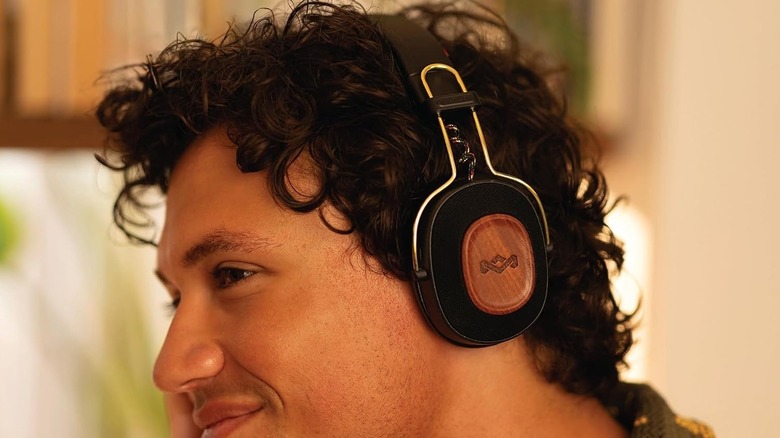
Wood grain, woven fabric, and metal accents are sort of becoming a theme here, and House of Marley is no different. The brand makes headphones for the masses, which means they're not too expensive. The Positive Vibration Frequency Wireless Headphones are a good example of this. Wooden accents make them visually appealing, while a 34-hour claimed battery means most people can go several days between charges. There's no active noise cancellation, though, and there's no app support for customization either. This is a deliberately simple wireless over-ear headphone: pair it with your device and start listening. The missing extras matter less if battery life and straightforward controls are the features you wanted in the first place.
Trusted Reviews liked its wide presentation, clear midrange, natural treble, lightweight build, and vocal performance. The bass could sound prominent and loose, and the call quality was merely adequate. So, treat these headphones as a solid option if your primary use case is listening to music or watching movies. Interestingly, House of Marley is owned and run by descendants of the popular artist Bob Marley, making it an excellent purchase for fans of the late artist.
Grado
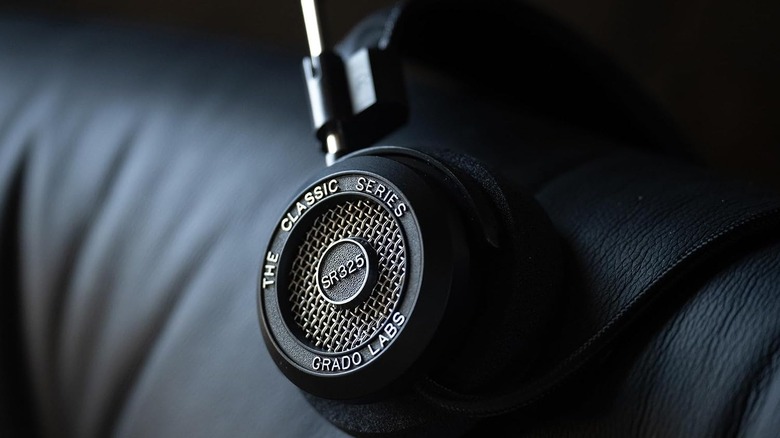
Bluetooth headphones usually come with sealed earcups meant to block out train noise, chatter from office colleagues, and the whir of airplane engines behind you. The Grado GW100x is built for almost the opposite setting. It is an open-back wireless headphone, so outside sound comes in, and your music leaks out. Use it in a quiet room, though, and that openness can make recordings feel less boxed inside your head.
Grado has made open-back headphones in Brooklyn for decades, and the GW100x carries that house style into a cable-free model rather than turning into another commuter headphone. It supports Bluetooth 5.2, AAC, SBC, and aptX Adaptive, but you can still plug in a 3.5mm cable. Grado claims 46 hours of battery life at half volume, enough for many people to listen in the evenings for a week. At 188 grams, it also avoids the heavy, gadget-packed feel common among wireless flagships. There is no ANC or companion app, however. The buttons are equally straightforward, keeping playback and volume controls on the earcup rather than behind a phone screen.
Trusted Reviews praised the detailed, spacious, and energetic sound, as well as the light, comfortable fit. It also found the plastic build disappointing for the price, while the microphone struggled to suppress background noise. Clearly, these headphones are meant for a specific purpose — an open presentation with a comfortable fit, without compromising on audio quality. You can also opt for wired headphones from the brand if you're looking for studio monitors.
Beyerdynamic

Studio headphones are expected to survive long sessions and years of earpad wear, but they rarely make the smoothest travel companions. However, Beyerdynamic brings some of that studio thinking to wireless models. The catalog still includes familiar wired tools for recording and mixing, while its consumer range adds noise cancellation, modern codecs, and replaceable parts for daily use.
The Aventho 300 is the clearest example. Adaptive ANC, multipoint Bluetooth, AAC, aptX Adaptive, aptX Lossless, automatic play-pause, and Dolby Atmos head tracking cover most of the modern checklist. Beyerdynamic claims up to 50 hours with ANC, so a typical commute should leave plenty for the return journey and several more days. Ten minutes of charging adds about five hours when you do forget to plug it in. That mix is especially useful if you switch between a work laptop and an Android phone that supports the higher-quality aptX options. Fold-flat earcups also help commuters and frequent travelers.
What Hi-Fi praised the clear, natural, even-handed sound, solid construction, and comfortable padding. Calls sounded articulate in its tests, although more background noise slipped through than on rivals. The clamping force may also feel tight on some heads. Headphones from Beyerdynamic suit listeners who want a wireless over-ear pair for flights, calls, and focused listening, but would rather hear a controlled presentation than bass pushed forward for instant drama.
Meze Audio

Something as paltry as a worn-out cable can turn an expensive pair of headphones into an expensive paperweight. To prevent that from happening, Meze Audio designs its wired over-ears around the idea that a good pair should stay in service. Wood, metal, screws, detachable cables, and replaceable earpads are staples across its range, giving owners a better chance of fixing common wear and tear instead of replacing the whole thing.
The 99 Classics pair from the brand makes that philosophy easy to see. Its wooden earcups are connected by a metal frame, while the suspension headband settles into place without a row of notches to adjust. A detachable cable deals with one of the most common points of failure. The closed cups also leak less than open designs, making the headphones easier to use in enclosed environments. Despite its handcrafted appearance, it can be powered using ordinary devices without needing a dedicated desktop amplifier. Even the earcups can rotate freely to settle against different head shapes.
SoundGuys praised the comfort, build, sound, replaceable cable, and repair-friendly construction. Its bass-forward tuning and relaxed upper frequencies make music sound warm rather than strictly neutral, which is good for the masses, but won't suit someone shopping for a clinical studio monitor. Meze currently concentrates on wired headphones, and that focus is part of the attraction.
Soundcore
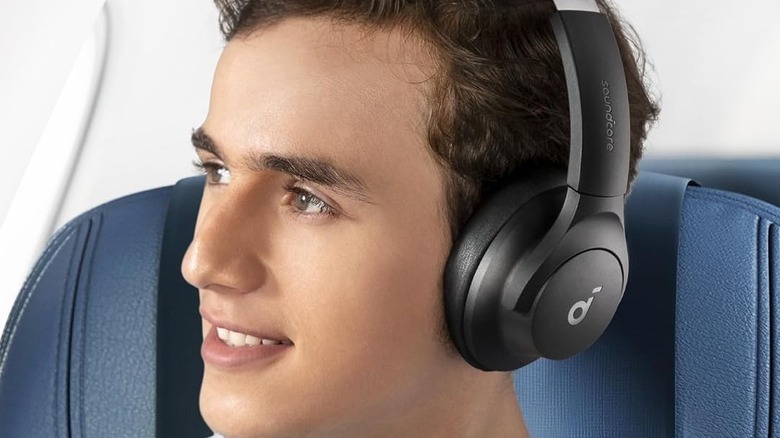
Flagship wireless features have a habit of dragging flagship prices behind them. Soundcore has spent years breaking that link, putting active noise cancellation, multipoint pairing, app-based equalizers, and long batteries into headphones that sit below the most expensive names. The range covers several price levels, so you can decide whether stronger ANC, a folding design, or a better codec matters more than buying the top model by default.
Near the upper end sits the Space One Pro, a foldable over-ear with adaptive ANC, Bluetooth 5.3, multipoint, LDAC, and a 3.5mm input. Soundcore claims 40 hours with ANC and 60 without it. More useful on a bad morning, five minutes on the charger can provide up to eight hours in normal mode, enough to rescue a full workday. The app adds a custom equalizer, a personalized hearing profile, and wind-noise reduction, so buyers who like to adjust their sound aren't locked into a single factory setting. The hinges collapse it into a compact case.
Tom's Guide praised the soft fit, app controls, battery life, and bass-led but balanced sound, calling it one of the best midrange headphones. ANC worked well in an office but struggled more with traffic and wind. Calls were decent rather than exceptional, and the physical buttons could be hard to tell apart by touch. Gadgets from Anker have always been worth buying, and headphones from Anker's sister brand don't disappoint either.
Audio-Technica

Some headphones live beside a mixing desk; others spend their day jumping between Spotify, calls, and YouTube. Audio-Technica has a foot in both rooms. The company makes studio monitors, microphones, turntables, hi-fi headphones, and Bluetooth models, so its wireless products feel connected to traditional audio gear rather than designed as phone accessories.
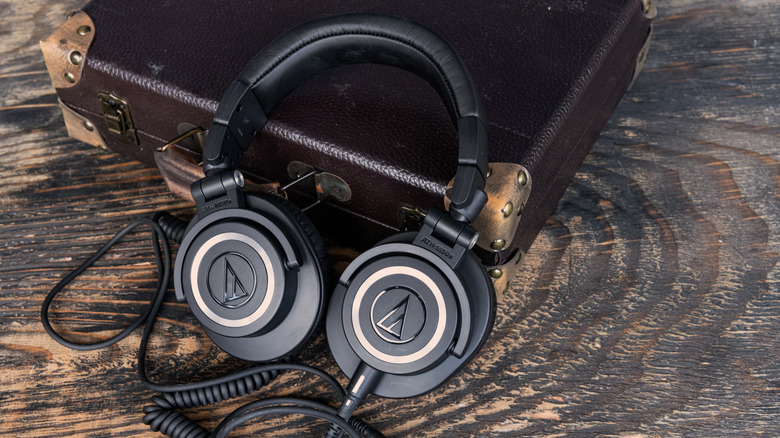
The ATH-M50xBT2 captures that crossover neatly. It takes the familiar M50x shape and adds Bluetooth 5.0, multipoint, AAC, LDAC, and up to 50 hours of claimed battery life. Ten minutes of charging adds roughly three hours, enough to cover a commute or a long editing session. A 3.5mm cable keeps the headphone useful with audio interfaces and devices that don't support Bluetooth. The app handles codec choice, equalizer settings, and a low-latency mode for video. Large physical buttons make it easy to control playback and volume.
SoundGuys praised the sound, connectivity, fast charging, and battery performance, measuring almost 65 hours. The microphone reproduced voices accurately and rejected most background noise. Notably, there's no ANC here, so all the isolation you're getting is passive. Headphones from Audio-Technica make sense when you want a pair that can move between a phone, a laptop, a turntable setup, and occasional audio work. You get modern wireless convenience without cutting the cord or buying multiple headphones for different purposes.
How we picked these headphone brands
When curating this list, we focused on lesser-known brands offering high-quality headphones with unique features. Whether it's an unconventional design or material choice, impressive noise cancellation, or just solid audio output with a good balance of bass and treble, all the headphones on this list have been picked because they excel in certain areas.
We've referenced our own reviews along with opinions from other renowned review outlets to recommend specific products from these brands. Since Bose offers a good balance of all features, we've strived to recommend brands that strike the right balance of form and functionality that consumers truly care about.