

DJI Osmo Pocket 4P Review: Beyond The Hype, Beyond Our Borders
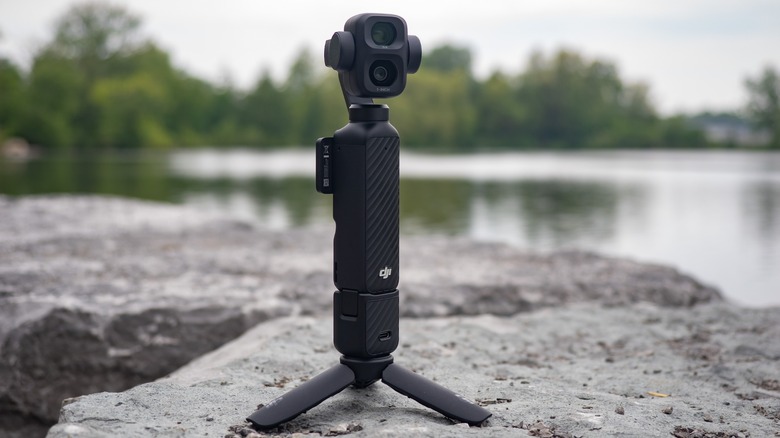
Back in 2025, I speculated that DJI could make a "Pocket Pro" camera by integrating a larger sensor in a multi-camera handheld gimbal. While that camera took a little longer to arrive than I predicted, the DJI Osmo Pocket 4P is finally here, and it very much resembles what I've long-hoped DJI would develop.
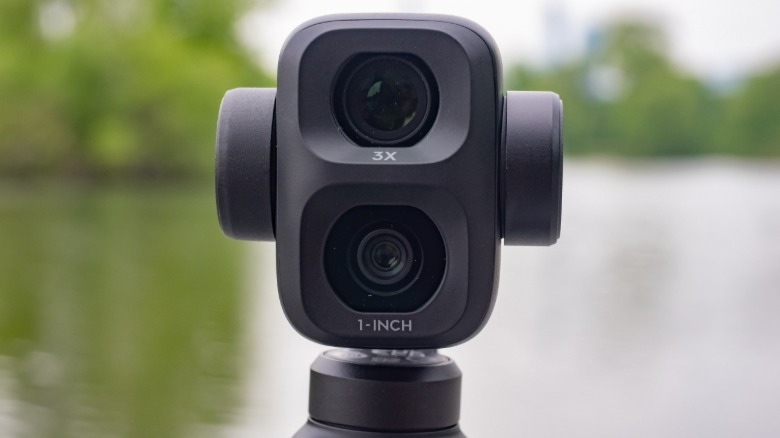
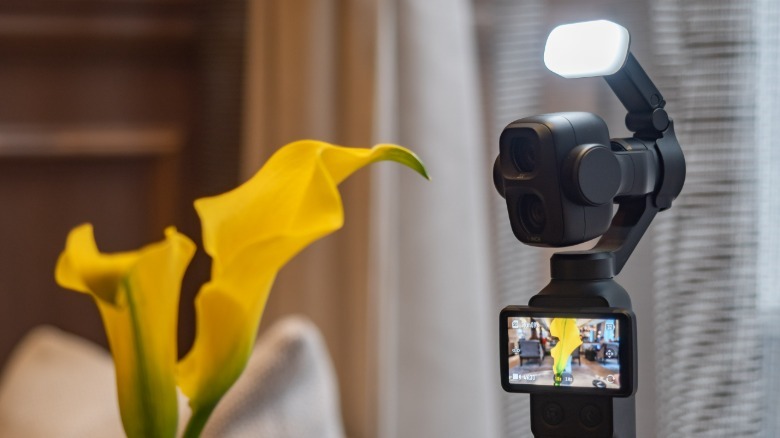
DJI's Osmo line has long delivered a convenient all-in-one gimbal-stabilized camera solution that is excellent for vlogging and as an all-around content creation tool. However, they've almost always been limited to a single, wide angle lens and a relatively small sensor (outside of high-end products such as the DJI Zenmuse X5 and Ronin 4D). The Pocket 4P is therefore a revolutionary step forward, featuring both a 1-inch primary camera sensor, coupled with a telephoto lens utilizing a slightly smaller sensor. It's remarkably similar to the camera system found on the DJI Air 3S. On paper, this is very exciting, and I was eager to go hands-on with the camera to test it out.
DJI provided a very brief testing period with the Pocket 4P for the purposes of this review. They also paid for my transportation and airfare to Toronto to carry out the product testing. This was done because the Pocket 4P is not available in the U.S. due to regulatory disputes, so I had to go to Canada to get my hands on the camera. My extensive experience using the Pocket 3 and other compact cameras from DJI and various other manufacturers allowed me to very quickly get to grips with the Pocket 4P in order to write this review.
Image quality deserving of the hype
With a 1-inch sensor you would expect excellent image quality from the DJI Osmo Pocket 4P, and it definitely delivers on that promise. It blurs the line between a convenient and easy to use pocket camera and a professional rig, compared to the last generation DJI Pocket 3, which itself was capable of producing pro-level results. You can even get out-of-focus area bokeh that is creamy, and which punches above the compact form factor of the Pocket 4P. The telephoto lens allows you to zoom in and achieve smooth shots with a great parallax effect, and it delivers great looking footage as well. The only downside is the the digital zoom range of the camera degrades quickly past the optical length of the telephoto lens (more on that later).
The Pocket 4P also excels in low light scenarios, being superior to almost any action camera in this regard, with the exception of the GoPro Mission 1 Pro. However, perhaps the greatest stand-out feature of the Pocket 4P is its 17 stops of dynamic range, alongside integration of the D-Log 2 color profile. These enable a truly impressive capability to pull back details in dark and bright areas, to a degree which I've seen in full frame cameras such as the Nikon Z8. The very accurate color rendering of the Pocket 4P is also of note, and if you use a variety of other DJI products such as the DJI Air 3S or DJI Osmo Action 6, then the footage will be easy to match to the look of those other devices.
Superb slow motion capability
The 4K 240fps slow motion also deserves its own special mention, as not only is it exciting to have such slow-motion capture capability in a camera like this, but it also looks really good in terms of quality. There isn't a noticeable falloff in terms of image quality that you sometimes see with super slow motion in cameras like this.
 Andy Zahn/SlashGear
 Andy Zahn/SlashGear
 Andy Zahn/SlashGear
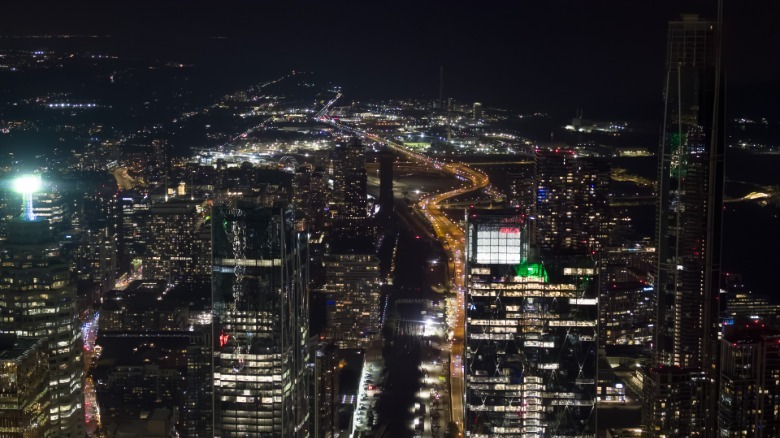
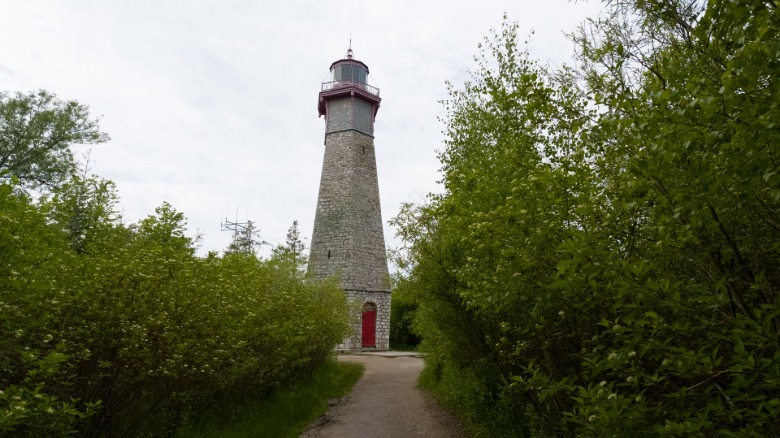
Walking the streets of Toronto, Biking the quiet paths of the Toronto Islands (North America's largest car-free community), and recording motion-timelapses of spectacular nightscapes from the top of the CN tower gave me plenty of opportunities to test out the many features of the DJI Osmo Pocket 4P. I also had several other cameras in-hand, and one key aspect of the Pocket 4P that stood out from those cameras was its slow motion prowess. 4K 240fps is something I've often wished for in my Nikon Z8, or indeed any camera I happen to be using. It can deliver truly awesome B-roll, particularly in combination with gimbal stabilization.
Great autofocus and useful zoom control options
The Pocket 4P is very similar in many ways to its less expensive sibling, the DJI Osmo Pocket 4. Autofocus is great, software is almost identical (including subject tracking), and the design of the camera is basically the same, just with an extra camera/lens module. It's larger and a bit heavier, so it's not quite as pocket friendly, but not so much that it caused an inconvenience for me. These similarities include the excellent capability to shoot programmable motion-timelapse video, as well as the persistent downside with DJI cameras requiring them to be activated prior to being used.
 Andy Zahn/SlashGear
 Andy Zahn/SlashGear
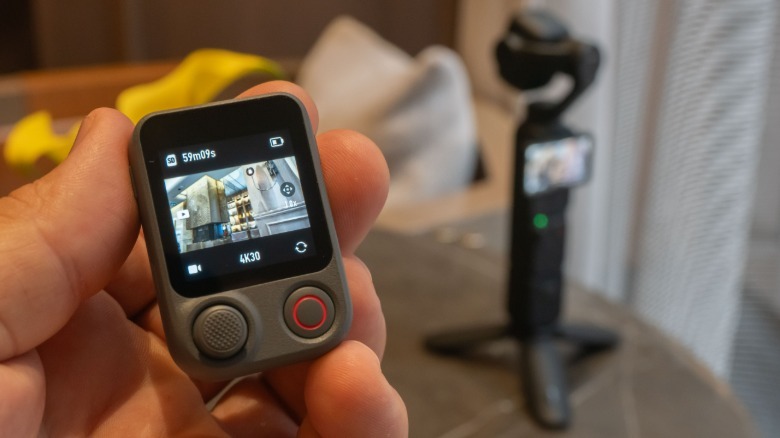
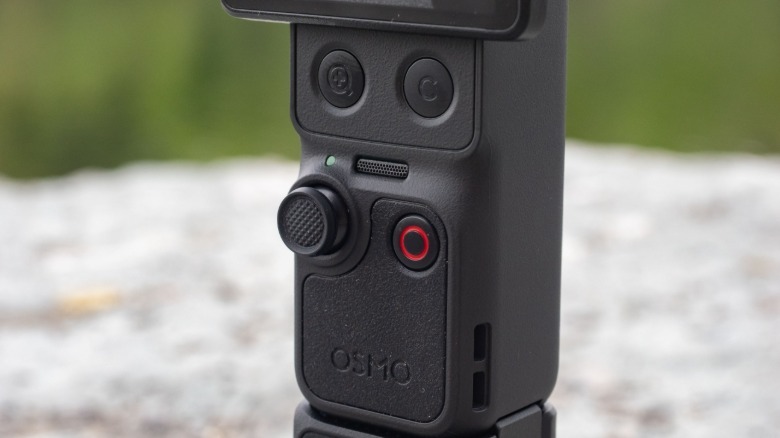
Zoom can be controlled either with a button press, or using the joystick. The joystick is better for fluid zooms, but if you use that to control zoom, then you can't use it to control the motion of the gimbal, so there's a bit of a compromise there. I'd have preferred a zoom rocker or slider of some kind. I also recommend sticking with the optical zoom lengths and avoiding using the digital zoom beyond that. It gets very soft very quickly when extending past the optical limit of the camera, which was certainly a disappointment to me.
Video stabilization is very good, and the camera feels reasonably robust. It's not waterproof or ruggedized, but I have put the last-generation Pocket 3 through a lot of punishment over the years, so I'm fairly confident that the Pocket 4P is reasonably durable so long as you don't get it soaking wet, covering in dust, or drop it on the sidewalk.
Stiff competition
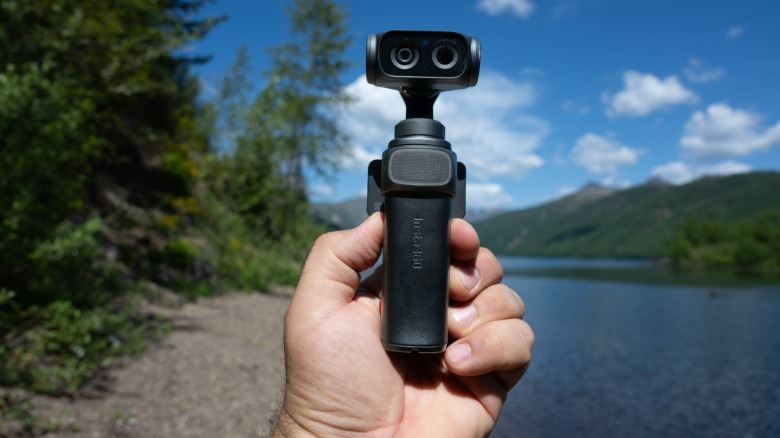
The Pocket 4P doesn't exist in a vacuum, as Insta360 has recently developed and launched a camera with similar capabilities. The Insta360 Luna Ultra also features a 1-inch primary sensor, alongside a telephoto secondary camera.
 Andy Zahn/SlashGear
The Luna Ultra surpasses the Pocket 4P with its remarkable digital zoom quality beyond the range of its optical telephoto camera, and it seems to be somewhat smoother in terms of its stabilization. The Pocket 4P delivers more dynamic range and post-processing capability through its superior LOG format, and some users may prefer the color science of DJI compared with Insta360.
The Luna Ultra's dedicated zoom slider is much better than DJI's zoom control scheme, and its detachable remote control opens up some really interesting functionality, though an optional remote control is available for the Pocket 4P. That detachable remote is, however, a weak point in terms of durability for the Luna Ultra, so I would give the Pocket 4P the edge as a camera that's not as liable to be killed by water, dust, or impact damage.
 Andy Zahn/SlashGear
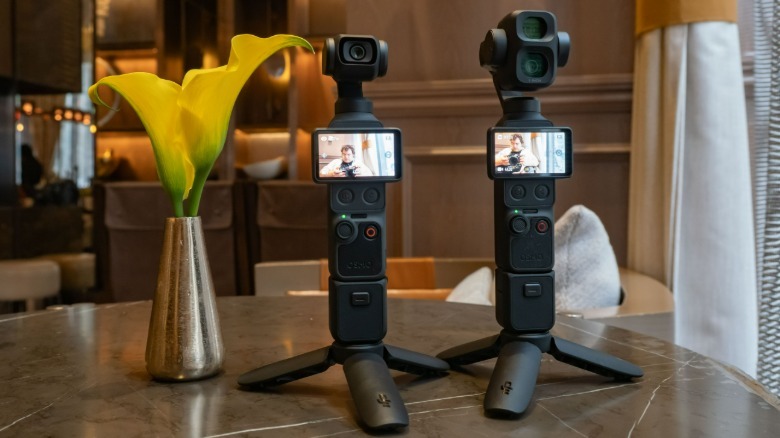
It's worth noting that DJI also has the less expensive Osmo Pocket 4 available (which I recently compared in-depth to the Luna Ultra). It's less expensive, and still a very capable camera, but the secondary telephoto camera on the Pocket 4P is so useful that I'd personally recommend spending the extra money for it over the Pocket 4, which only features a single, wide-angle camera.
Price and availability
The DJI Osmo Pocket 4P is available now, so long as you don't live in the United States, where for absurd and incomprehensible political reasons, new DJI products are not being allowed into the country. This is superficially for reasons of national security, but as something of an expert in the field of consumer drones, action cameras, gimbals, and vlogging cameras, those explanations hold less water than the leaky fountain I built in my backyard this spring. The fact is that neither the Pocket 4P, or any other camera or drone DJI sells has any capability of being a threat to national security.
 Andy Zahn/SlashGear
Regardless, consequences of this are that if you don't live in the U.S., you can't buy a DJI Osmo Pocket 4P here, though there's not really anything stopping you from picking one up on vacation. With this in mind, the Pocket 4P (standard bundle) retails for $859 Canadian, which is about $608 USD as of this writing. For comparison, the Insta360 Luna Ultra retails for $769 USD on Insta360's website. This makes it all the more unfortunate that the Pocket 4P isn't available in the U.S., because at that price point it would be something of a bargain.
Conclusion
I filmed a ton of footage with the DJI Osmo Pocket 4P, and it really is just about exactly what I was looking for in this latest generation of DJI's integrated-gimbal Pocket-series cameras. There's still a lot of room to grow and improve for this and other such cameras, but what's exciting is that while other photography product categories have stagnated to some extent due to reaching technological limits, these all-in-one gimbal-stabilized cameras are seeing strong innovation and competition.
 Andy Zahn/SlashGear
Ultimately, it is the competitive price of the Pocket 4P that makes it so easy to recommend, paired with that impressive camera system. In this day and age to see such aggressive pricing is surprising and very welcome. Also, if you're looking to capture the most dynamic range for post-processing, then the Pocket 4P is a fantastic option.
 Andy Zahn/SlashGear
Where available, the DJI Osmo Pocket 4P is available through DJI's own online store.