

Before Driving Honda's New Prelude Even One Mile, I Knew How I Was Meant To Feel
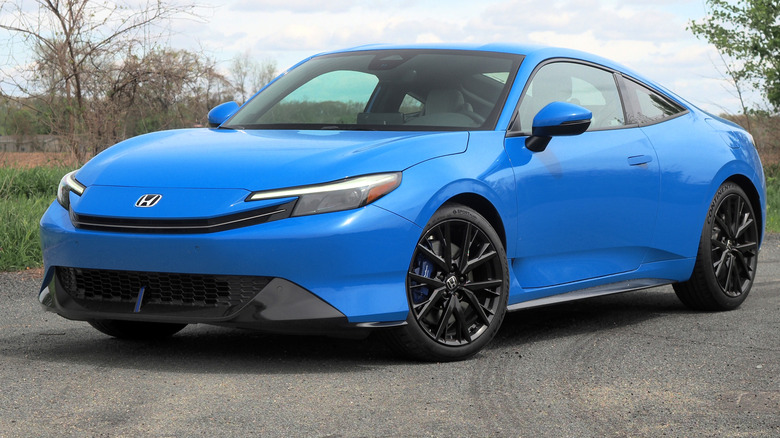
Honda's 2026 Prelude is no friend to nostalgia. The long-anticipated return of the beloved nameplate was quickly branded a shameless cash-grab; a craven pretender not worthy of the Prelude legacy; a jumped-up Civic with aspirations well above its station. True fans should sneer at the new Prelude's hybrid drivetrain, or so the true fans told me.
It is a glorious, galling fact of life — and product planning specifically — that heritage is a double-edged sword. An established nameplate can be a priceless marketing shortcut, instantly linking your new model with the warm and fuzzy sentiment of a discontinued one. The longer ago that old car was retired, it can seem, the better: time has a habit of wearing away the rougher memories, leaving only the halcyon behind.
 Chris Davies/SlashGear
The downside — as the 2026 Prelude has crashed nose-first into — is that living up to that rose-tinted predecessor is very nearly impossible.
Not my memories
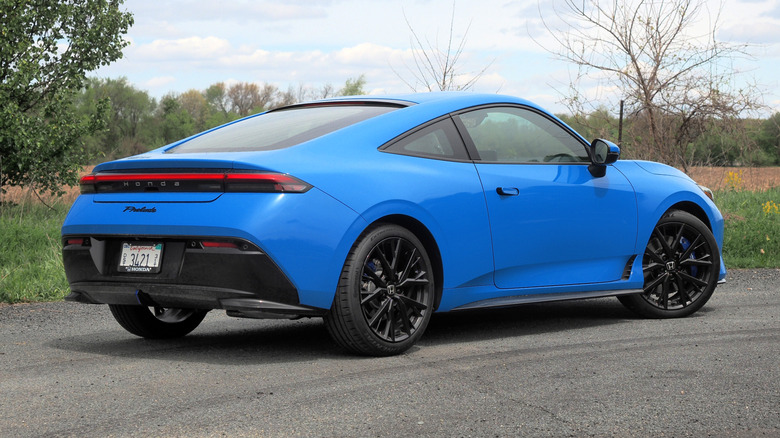
My own experience with the "proper" Preludes was minimal. Growing up in the U.K., they didn't feel like a common sight. A friend's mom had a fourth-generation example, which I always thought was pretty. Then, Honda brought out the fifth-gen Prelude with its angular — and controversial — design. I never really appreciated the style.
Not for the first time, then, I find my expectations for a car diverging significantly from the strong feelings of many of my (U.S.-born) counterparts. Hard to be too indignant, after all, about something you don't have much stake in to begin with.
 Chris Davies/SlashGear
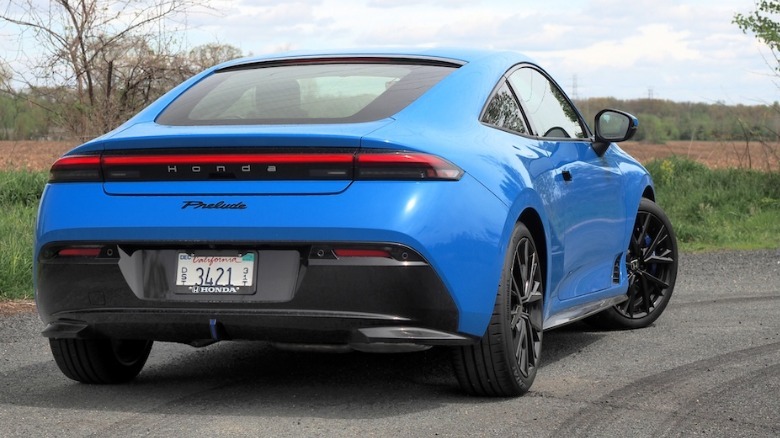
Here's what's unarguable, anyway. The 2026 Prelude is a sleek relation to the eleventh-generation Honda Civic, a liftback coupe with two doors and a gas-electric hybrid engine driving the front wheels. Its combination of a 2.0-liter inline-four gas engine and two electric motors deliver a system total of 200 horsepower and 232 lb-ft of torque; there are adaptive dampers, which few have a problem with, and an eCVT, which many consider a betrayal of near-biblical proportions.
Borrowing the better parts of the Civic
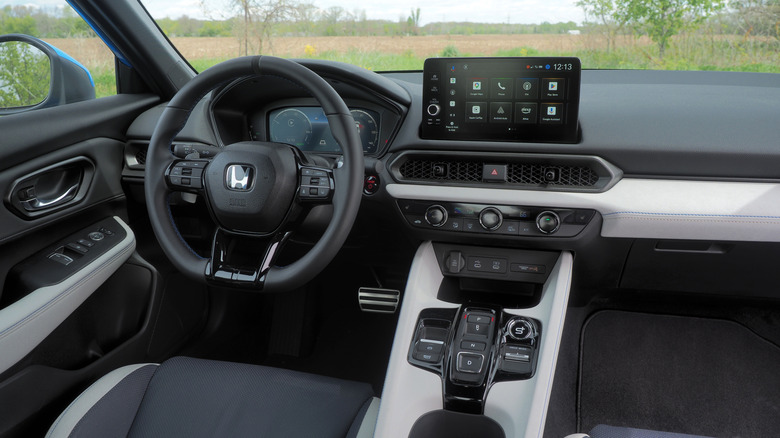
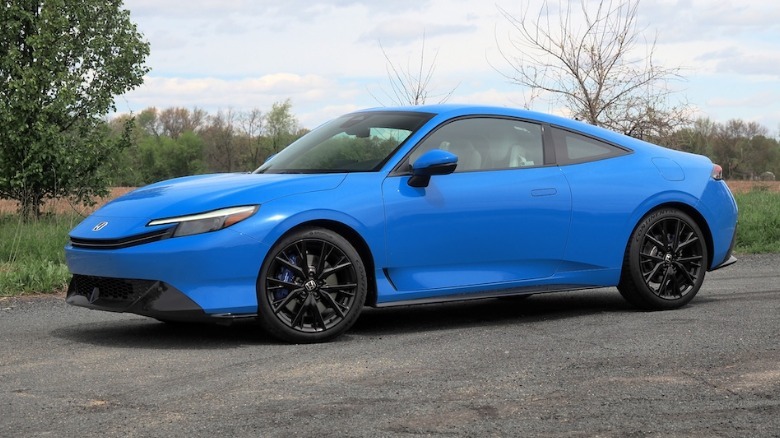
I think it looks good, but then again I liked the original Honda Prelude Concept the automaker wheeled out back in 2023. Back then I said it looked atypically normal, for something billed as a concept car; as it turns out, the biggest diversion between then and now is actually the drivetrain. Three years ago, Honda was dropping heavy hints it could be all-electric.
 Chris Davies/SlashGear
Given the shape of the market today, a hybrid makes far more sense. It's a good hybrid, too: familiar from the excellent Civic, with a great blend of gas and electric power, but not too much of either. Cynics might point out that this latest Prelude has about the same number of horses as the 1999 model, but I'd argue that's because Honda figured out nearly three decades ago that it's the right amount for usability on public roads.
 Chris Davies/SlashGear
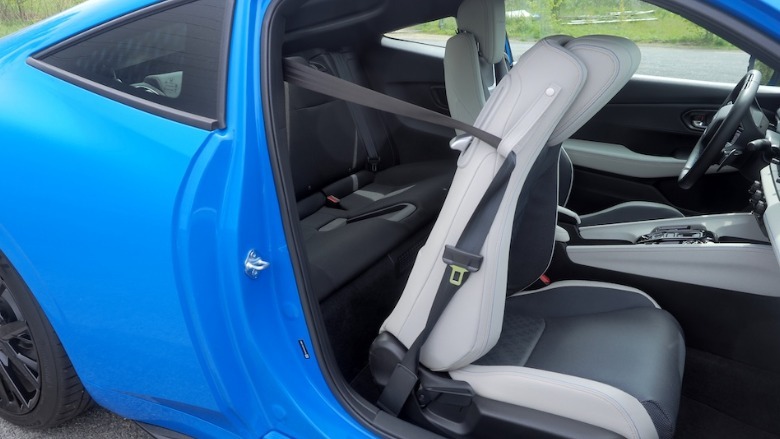
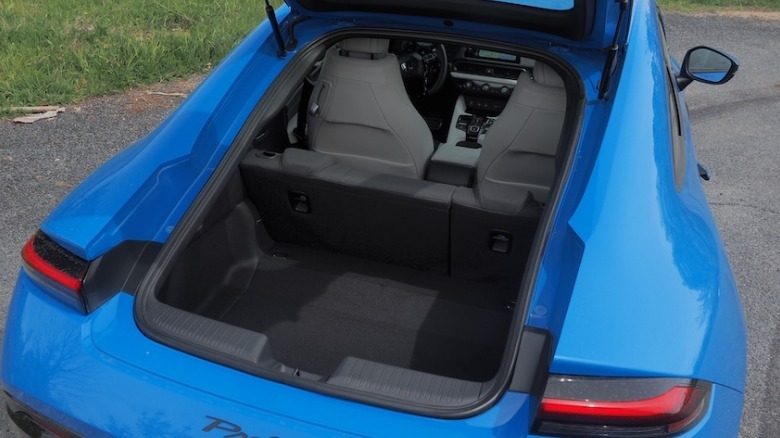
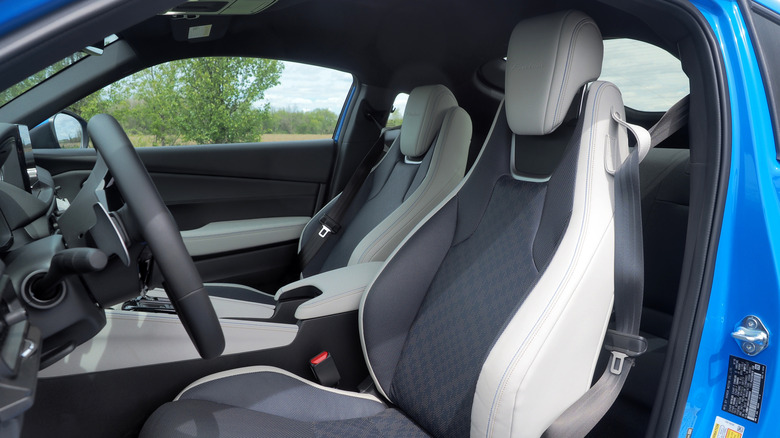
It's not the only nod to the new Prelude being a car for today, rather than some misty-eyed reminiscence. The hatchback opens to reveal a decent-sized trunk; the rear seats, with their pancake-flat padding and mockery of legroom, are far better when folded down to expand that area. Honda's front sport seats look the part, and grip nicely, but they aren't overwhelming to a middle-aged body. The dashboard may be another thing familiar from the Civic, but thankfully that donor's cabin was already well-esteemed.
No sports car, even when it tries to sound like one
It defaults to Comfort or GT mode — whichever you used last — and feels like, well, a Civic Hybrid. Perky and more than adequate; I saw 37 mpg on the trip computer. It's easy to forget that the original Prelude was meant to be as attainable as it was compact. This new model suggests Honda didn't forget that fact.
Sport mode feels a little firmer, a little more eager, but this is no sports car. A Civic Type R both engages and demands more: I didn't have both side-by-side, but I suspect the shared adaptive damper system is always softer for the coupe. There's some body roll in corners — an acceptable amount — and even at its most feisty, the Prelude feels easy and everyday-usable.
 Chris Davies/SlashGear
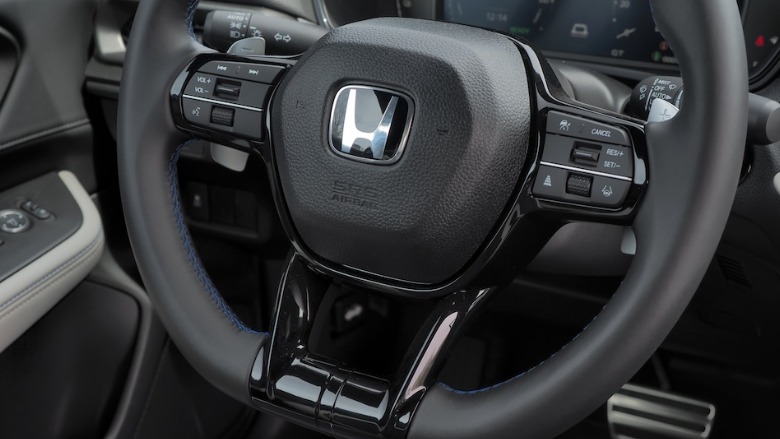
Frankly, things only really start to feel shaky when Honda tries too hard to make the Prelude something it's not. Honda S+ Shift, enabled with a dedicated button, promises "a performance transmission experience" with simulated shifts, blips on downshifting, rev-matching, and gear-holding. I'll give Honda this: the metal paddles on the steering wheel feel great, a premium touch some far more expensive automakers could learn from.
Rivals only feel like rivals because the segment is so small
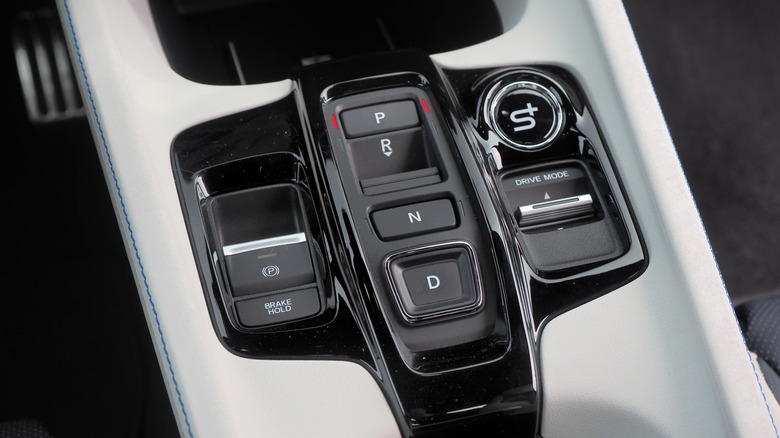
Whether S+ Shift actually makes a tangible difference to performance, I'm less convinced about. It's certainly silly, in a "hey, why don't I take the slightly longer, slightly twistier route home" way. That seems about right for the Prelude's goal in life, of being a nicer, more interesting method of transportation that doesn't demand too many sacrifices as a daily-driver.
Is there a big enough market for such a car, and would there be buyers if it wasn't badged a Prelude? In the week the Honda and I spent together, most of the people I talked to didn't have much of a grounding in Old Prelude Lore. They generally liked the design, and were relieved to discover it was a familiar — and safe, and reliable — Civic underneath, and nobody asked me what the 0-60 time was, or the top speed, or even if there was a manual option.
 Chris Davies/SlashGear
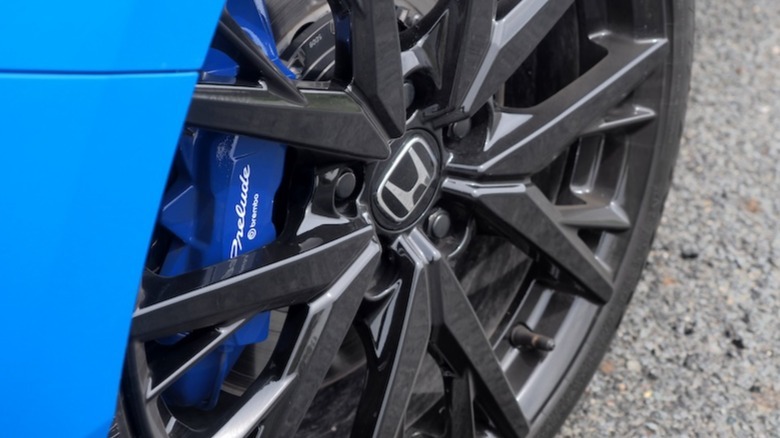
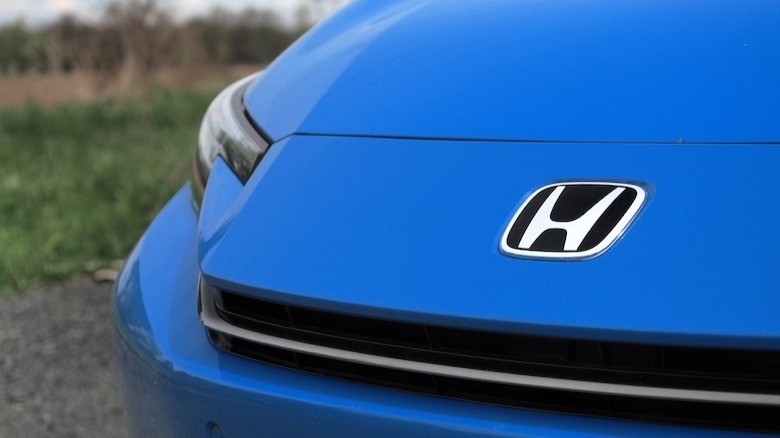
Whether they'd spend nearly $44k as-tested (including the $455 Boost Blue paint and the $1,195 destination fee) for what's admittedly a well-equipped single trim, few would be drawn on. You'd spend less on a Civic Si and more on a Civic Type R, both of which have a great 6-speed stick, and then there's Subaru's BRZ and Toyota's GT86. All four are great, but I can't help but conclude that we're only really comparing them with the Prelude because the options for "pretty fun mainstream enthusiast cars" are so limited, these days.
Damned by a name
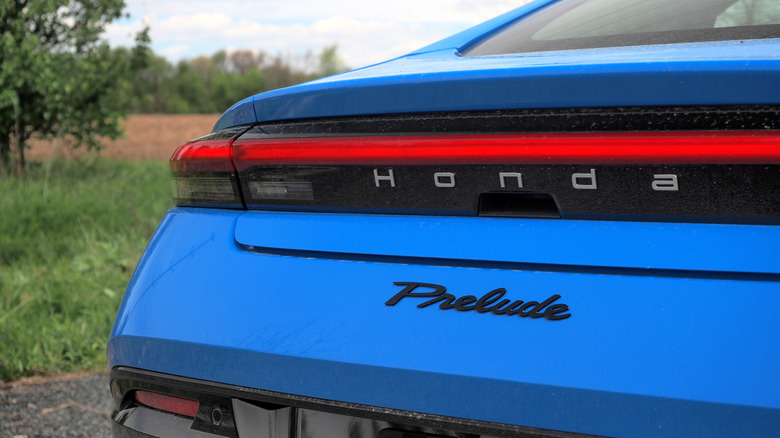
Maybe that's what I'm nostalgic for, more so than anything with a specific nameplate or badge. When the Prelude last came out to play, in the late 90s, it did so in the company of coupes like Toyota's Celica, Nissan's 200SX, Ford's Probe, and BMW's 318ti Sport. All affordable, relatively speaking, and all making their share of compromises to achieve that.
Nostalgia probably isn't a good reason to buy a car, and nor is it a reason not to. It's a comfort blanket, a sucked-thumb. A desire to go back to a time which — though not necessarily easier or any better – is now at least settled. Memory, reassuring in its stability, unlike the changeable world we live in today.
 Chris Davies/SlashGear
I don't know whether the black hole where my Prelude nostalgia should be, then, leaves me more or less qualified to judge this 2026 version. I can't say I'm surprised that — compared to the memory of the classics — the sixth-gen car faces such an uphill battle. In the end, Honda made a perfectly good personal coupe, but comparing it to the past does neither the Prelude, nor Prelude enthusiasts, any favors.