

12 Electrical Mistakes You Don't Want To Make In Your Home
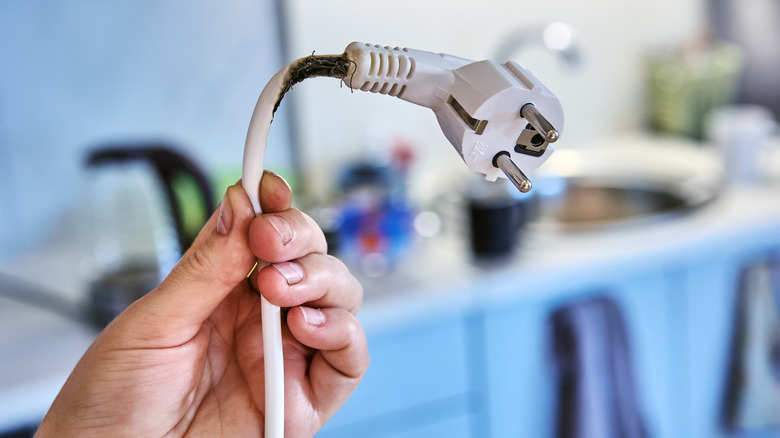
Your home's electrical system is one of the things that just works — until it doesn't. And when it goes wrong, you rarely get any indication or warning. Most people don't usually think much before plugging in an extra appliance to the socket or running an extension cord under the rug. But hiding behind drywall and inside little wall outlets is a complex electrical system that demands a healthy amount of care.
It is surprisingly easy to make electrical mistakes without realizing it. You may assume that following a YouTube video to fix a flickering light switch will save you money on an electrician. But the reality is that these everyday shortcuts, if not done right, can lead to issues you cannot imagine. The frustrating part is that most of the mistakes are avoidable, and you don't need to keep an electrician handy to fix them.
From overloaded outlets to sloppy wiring to forgotten extension cords behind the couch, the dangers are hidden in plain sight. Ignoring them means playing a dangerous game with your home's infrastructure. This list covers 12 of the most common electrical mistakes homeowners make.
Overloading outlets and circuits
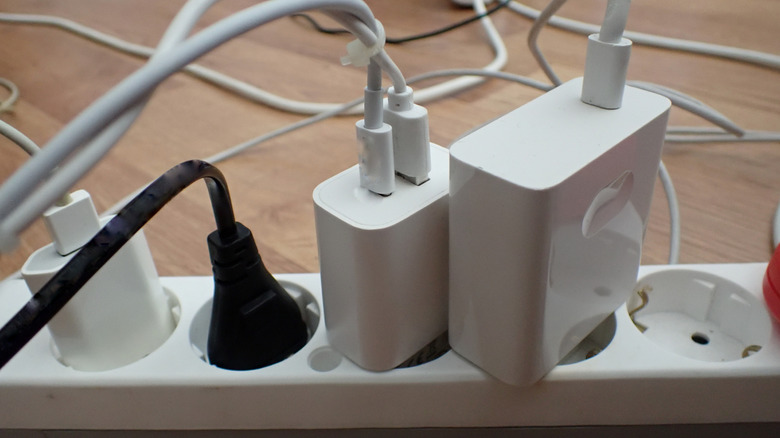
This is a typical scenario in most homes — a single outlet powering five devices held together by a power strip loaded with a TV, a gaming console, a phone charger, a sound system, and a lamp. Convenient though it may be, this is a dangerous habit that pushes your home's wiring beyond its limits. You should avoid plugging certain things into the power strip, because forcing them to handle such a heavy load is asking for trouble.
Burdening an outlet with multiple electronics heats the wires behind your drywall. What makes this mistake insidious is that nothing goes wrong immediately. The outlets don't spark, the lights don't flicker, and the power strip does its job for weeks and even months before anything happens. This thermal stress degrades insulation over time and, in the worst case, can increase the risk of a house fire. Safety experts constantly warn people about these hidden hazards.
"Many of these electrical-related incidents are preventable," noted former CPSC chairman Ann Brown. The CPSC and NESF advise that if you want to use multiple devices in an extension cord, then you should use a higher-rated cord or unplug some appliances. To maintain a secure living space, you must respect the limitations of your hardware.
Using extension cords as a permanent solution
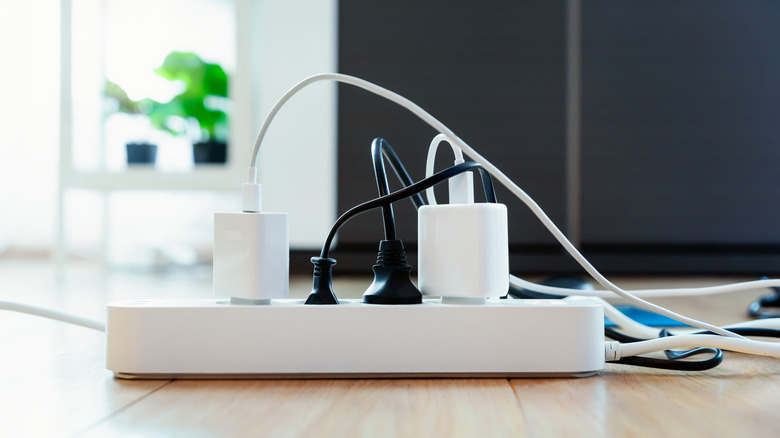
The extension cord coiled behind the couch. The white cable running under the bedroom rug. The heavy-duty cord that's been stretching across the garage for three years. These are kinds of temporary setups that somehow become permanent features of a home. However, they carry more risk than most people realize. Treating these cables as a substitute for a permanent solution is a massive mistake. They simply aren't built to withstand the rigorous demands of continuous, everyday energy distribution.
The problem with treating an extension cord as a permanent outlet is that the cords aren't wired to your home's ground system the way a wall outlet is. They sit on the surface, where they are walked on, pinched under furniture, bent at awkward angles, and also exposed to heat. A recent study on household safety practices notes that "extension cords provide temporary power" and absolutely "don't replace outlets and wiring permanently." Extension cords are among the most serious sources of shock and fire hazards.
If you have had an extension cord in the same position for several months or maybe years, that's your cue. Instead of making common extension cord mistakes, you should either have an electrician add an outlet to that area or rethink the furniture arrangement.
Skipping GFCI outlets near water sources
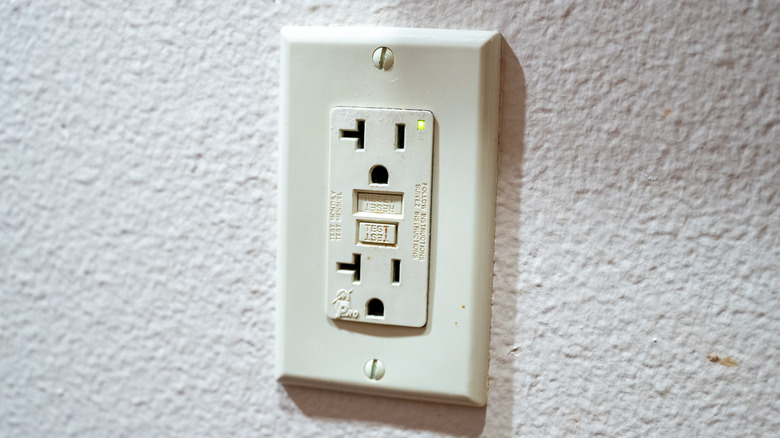
Water and electricity are a notoriously lethal combination. Yet many households still have standard wall sockets right next to the kitchen sink. Blame it on the limited space or the design, if you have such an arrangement, you should never skip installing a Ground Fault Circuit Interrupter (GFCI). These specialized devices are designed to monitor electricity and cut power at the very instant they detect an imbalance.
These GFCI outlets come with reset and test buttons that are meant to test the outlet's ability to cut power. Imagine dropping a connected hair dryer on a drenched bathroom counter. A normal outlet would continue the electricity flow, creating a hazardous situation. A GFCI outlet, however, instantly breaks the circuit. Electrical Safety Foundation International states that GFCIs have helped halve home electrocutions and save thousands of lives.
In simple words, a GFCI's main role is to act like a digital bodyguard, stopping the current from traveling through the body to the wet ground. If you are unsure, then examine every outlet in your home. If your kitchen, washroom, or outdoor space lacks such outlets, then you shouldn't hesitate to install one.
Doing DIY electrical work without proper knowledge
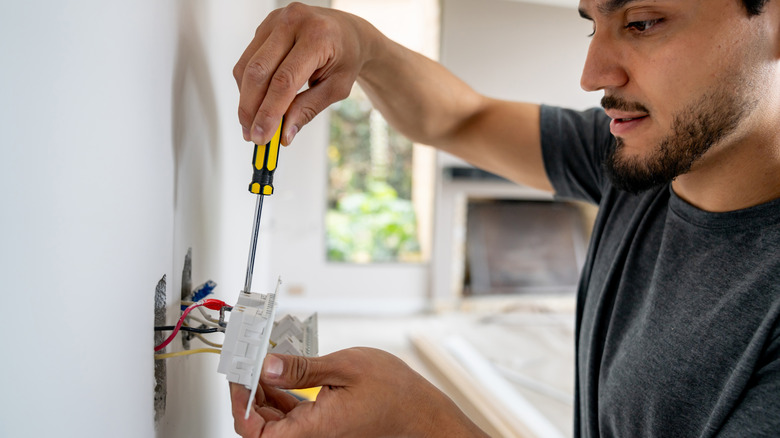
The internet is full of DIY video tutorials about everything you can imagine. But not everyone is trained or capable of doing tasks on their own. Trying your hand at electrical work without expertise is a huge gamble. Mistakes can botch your property's wiring and literally burn down your house.
The ESFI has strongly advocated for strict DIY electrical safety, urging people to "never attempt a project that is beyond your skill level." The organization emphasizes that complex wiring tasks require a deep understanding of the building's electrical system, something a five-minute YouTube video cannot provide.
If you still want to tackle minor projects like swapping a light fixture, then you must kill the power and verify it is completely off. Those with some experience should invest in top-rated Klein tools for troubleshooting circuit breakers. However, one shouldn't completely rely on a new gadget. If it is a project out of your league, call an expert.
Installing the wrong light bulb wattage
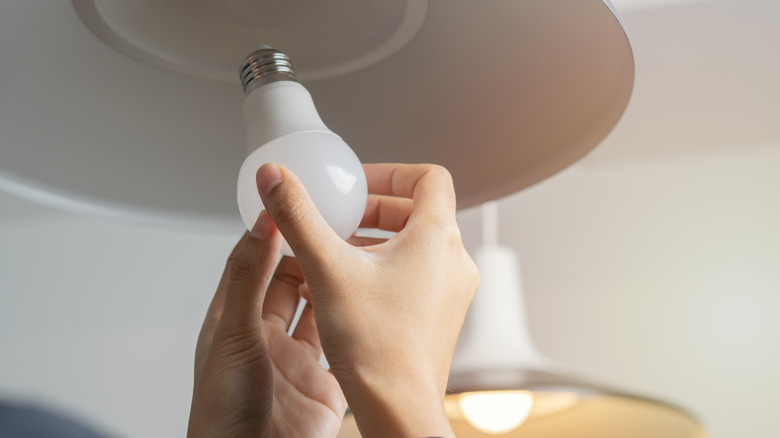
Purchasing a new bulb and screwing it into a lamp seems like an easy, foolproof task. However, ignoring the small wattage rating printed on the socket is a common mistake. This is an invitation to potentially disastrous results. Fixtures are designed to manage a certain amount of wattage. If you plug in a 100-watt bulb on a fixture rated for 60 watts, you increase the risk of overheating and fire, in some instances.
This careless mismatch causes the bulb to generate far more intense heat, which, over time, will melt the socket and ruin the internal wiring mechanism. During their joint "Inspect and Protect" campaign, the CPSC warned consumers about electrical wire hazards at home, explicitly advising people to use light bulbs that are the proper wattage for the fixture. It is an invisible danger that builds up over time and can be dangerous.
Thanks to modern technology, such mistakes can be easily avoided by switching to cooler and more efficient alternatives. The ESFI's updated Electrical Fire Safety Checklist warns that ignoring these ratings may "overheat the light fixture, wiring, or nearby combustible material." By transitioning to modern LEDs, you get more light on a mere fraction of power.
Ignoring improper grounding
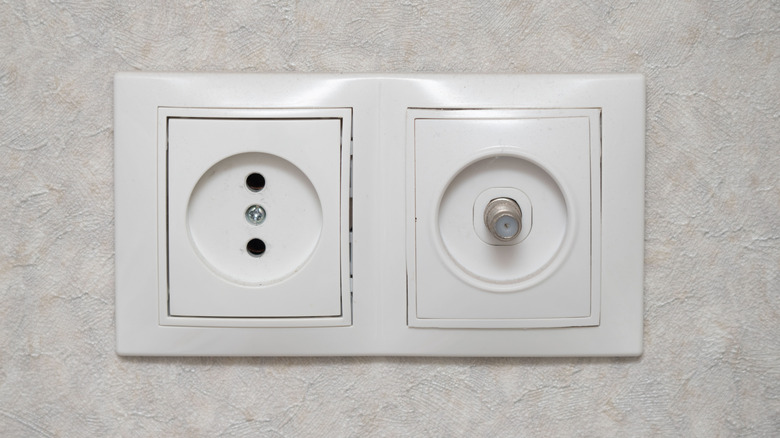
Who doesn't like the charm of older homes? While the modern world is pushing towards boring minimalism, old homes have character and architectural beauty. However, they often hide severely outdated wiring mechanisms behind their beautifully plastered walls. If your house features a two-prong outlet instead of the modern three-prong outlet, there is an increased risk of electric shock. Two-prong outlets often lack grounding, and when a power surge occurs or a wire comes loose, without grounding, the dangerous current can flow into you instead of the earth.
Neglecting this safety measure is inadvisable. Some homeowners also resort to cheap alternative adapters to force their modern three-prong electronics into an ungrounded two-prong socket. Without a safety path to the ground, the outer metal casing of the electronics can become highly energized. And if you touch it, you will get the shock of your life.
Upgrading the infrastructure shouldn't be delayed; call experts and upgrade the electrical circuitry. For those in rented accommodations, call your owner and report these outdated plugs immediately.
Using the wrong wire gauge for the job
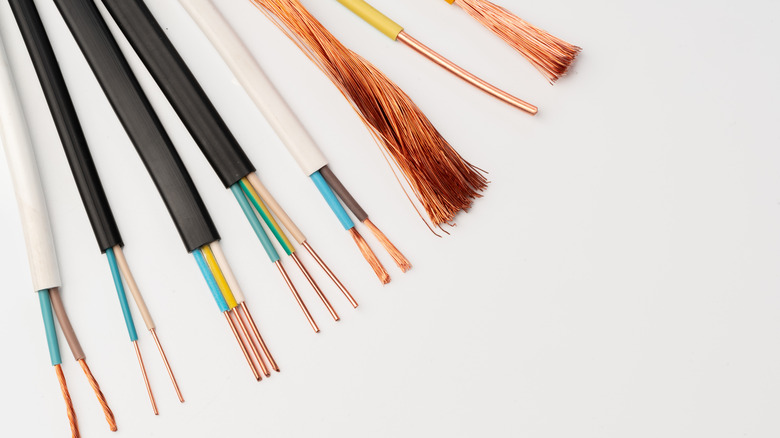
Not all cables are created equal. Wire gauge refers to the physical thickness of the conductive copper inside the casing. Thicker wires have a lower gauge number and can safely carry significantly more electrical current than a wire with a higher gauge. When homeowners grab the wrong extension cord meant for a bedroom desk and use it to power a heavy-duty garage air compressor, they are inviting disaster into their home.
Pushing a massive amount of electricity through a wire that is far too thin is like pushing multiple people inside a small hatchback. The resistance generates immense heat, which in turn melts the insulation and sparks. The ESFI has offered an extensive list of home wiring safety tips, reminding people that correct wire selection is non-negotiable. Using an undersized wire for energy-hungry equipment is a primary cause of devastating residential electrical fires.
So, before you plug in your electronics, make sure that the device's wattage matches the cord. For demanding appliances and electronics, you should choose low-gauge cables, specifically designed to handle that amount of load.
Plugging wrong devices into GFCI outlets
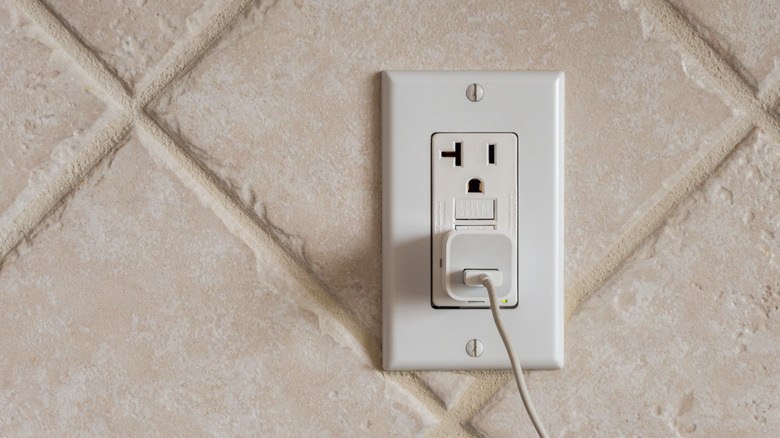
While we have already established the fact that GFCI outlets are absolute lifesavers near water, they are not meant to power every single appliance in your house. This is because these devices are highly sensitive to minuscule fluctuations in electrical current. The GFCI outlet will immediately cut the power if a heavy motor turns on, wrongly interpreting that there is a sudden electrical shift as a dangerous, life-threatening fault.
When you rely on GFCI for using large appliances, you are risking losing power without warning. The CPSC and appliance manufacturers specifically met to address this unwanted appliance tripping, highlighting that modern high-efficiency equipment generates electrical noise that easily tricks these sensitive safety outlets.
A GFCI's main purpose is to provide safety near wet zones, not to act as the main power supply for heavy-duty machinery. Using them incorrectly introduces dangerous situations in your household. There are specific things that you should never plug into a GFCI outlet, with the main kitchen refrigerator and chest freezers topping the list.
Leaving loose wire connections unchecked
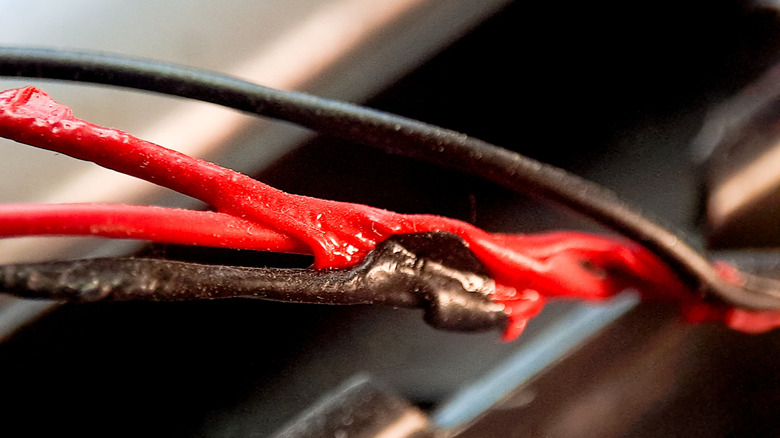
Secure wire connections are central to a functional electrical system. Over time, minor vibrations from all sorts of things can cause the screws binding your wires to slowly back out. Leaving these loose connections unchecked is a dangerous oversight. When wires aren't packed against their terminals, electricity begins to arc, jumping through the tiny air gap and generating heat.
Invisible arcing is one of the major causes of devastating structural damage in older residential buildings. The ESFI frequently reports on the horrifying statistics of home electrical fires, highlighting that faulty wiring accounts for tens of thousands of residential blazes every year. A loose wire doesn't just stop a light from working; it actively creates a blowtorch inside your plastic junction box. If not checked and fixed, that intense heat will ignite the surrounding wood and drywall.
Flickering lights, buzzing sound from switches, or a switchboard that feels warm are some red flags that you shouldn't leave for fixing later. Ignoring them is quite risky, and it should be fixed by calling an expert electrician.
Using old or expired surge protectors
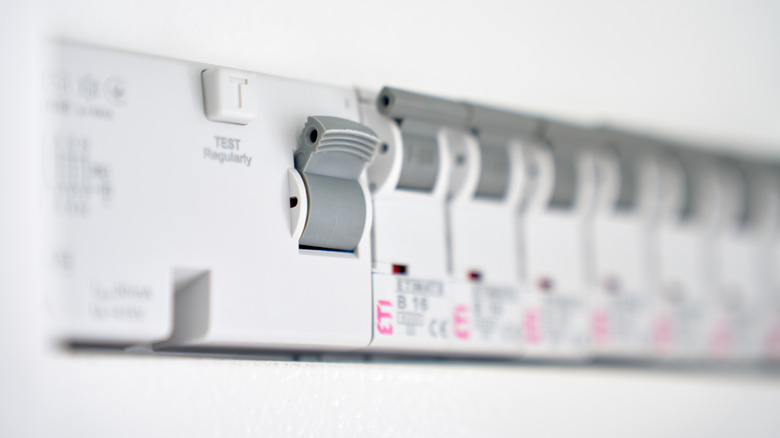
There is a common misconception that buying an expensive surge protector will protect your electronics forever. The harsh reality is that while the expensive ones will surely last much longer than the cheap ones, they all have an expiry date. The internal components responsible for absorbing the dangerous electrical spikes, called Metal Oxide Varistors (MOV), gradually degrade over time.
Every small power surge inside your house chips away at the device's capacity until it is reduced to nothing more than a defenseless extension cord. If you continue to use old and worn-out surge protectors, your expensive electronics will be completely vulnerable to sudden grid fluctuations. The ESFI promotes the active use of modern surge protection devices while highlighting that these units have a finite lifespan.
Once the device expires, a sudden spike will bypass the strip entirely and cook the motherboards of everything connected to it. This is why regular replacements and checks of surge protectors are essential. If you find an old one, throw it out.
Plugging major appliances into extension cords
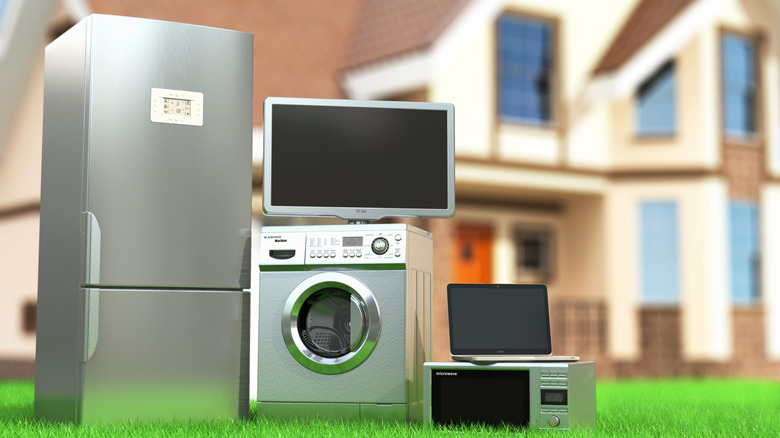
Another issue with extension cords is that some people use them to power large electronics. They drag a heavy extension cord across the floor to power a secondary refrigerator, a massive garage tool, or a portable air conditioning unit. This is not a good idea. Major household appliances draw a massive, continuous amount of electricity that standard, temporary wiring cannot safely manage.
Every time the compressor of your fridge turns on, multiply that by dozens of cycles a day, every day, and it slowly cooks the wires behind your refrigerator. According to ESFI, major appliances should go into properly rated wall outlets. This is very important because this is the only setup that keeps the right amount of current at a level the wiring can withstand.
You should note all the heavy appliances in your house and eliminate temporary wiring. But that doesn't mean small devices don't require care — any connection poses a risk.
Ignoring warning signs from your electrical system
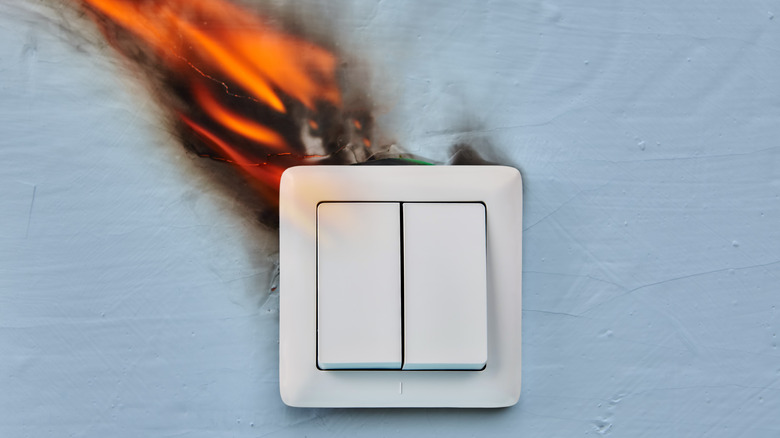
Your home's electrical infrastructure throws subtle warning signs. Unfortunately, many homeowners ignore these signs, such as a faint scent of burning plastic, slight sparking when a plug is inserted, or a circuit breaker tripping every other week.
There are many instances where a seemingly small problem becomes a serious safety hazard. Homeowners must investigate any unusual electrical behavior immediately. If you come across anything off in your electrical circuitry, take note of it.
Active maintenance is key to a safe living environment. You need to routinely evaluate your infrastructure and learn to spot outdated technology in your house. You should avoid temporary fixes because it is about absolute safety. The moment your home shows a sign of electrical stress, call an expert and get everything fixed.