

12 Makita Tools Beginners Should Steer Clear Of

We may receive a commission on purchases made from links.
Japanese toolmaker Makita has retained its independence from a corporate ownership superstructure like TTI or Stanley Black & Decker with Milwaukee and DeWalt, respectively. That self-containment means it sometimes can take bigger swings with new tool rollouts than other brands might consider. This is in part why Makita tools are packed with proprietary technology, and why there are so many unique entries in the brand's catalog, like a microwave or coffee machine.
However, even though there's a lot to like about plenty of Makita's gear, some of the brand's offerings just won't fit well within the tool ecosystem a beginner DIYer or occasional renovator (even with plenty of experience, in some cases). Some of these tools feature obvious reasons to pass, like overly heavy duty functionality. Others are tools you might want to avoid for more subtle reasons. These 12 all feature largely valuable performance specs and usage scenarios that make them ideal for people who may actually need them. But beginners and light duty users will largely fall outside these parameters, making these niche, sometimes expensive solutions a waste of resources and sometimes even dangerous.
12V Max CXT 3⅜-Inch Tile/Glass Saw
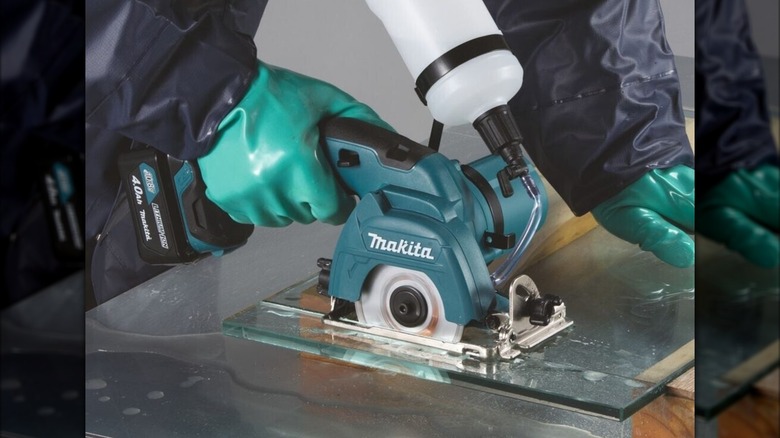
Not every tool designed for professional use is an enormous piece of equipment. Many niche solutions are actually smaller tools that deliver higher precision. For instance, the 12V Max CXT 3⅜-Inch Tile/Glass Saw is a compact tool that sits among Makita's CXT platform, operating on a 12V battery and utilizing smaller tool bodies than its flagship solutions.
This tile and glass cutter offers blade speeds of 1,600 RPM to produce fast and powerful cutting in these hardened yet fragile materials. It offers a cutting depth inch at its maximum and offers a beveling angle that lets it cut at 45 degrees, as well. The tool is 4.2 pounds and features an integrated water applicator to keep the blade from overheating while maintaining a smooth edge on the workpiece.
This is a high quality cutting option, but the materials it deals with aren't generally going to be what beginner DIYers engage with. Tiling is physically demanding and time consuming, and it requires a major commitment to careful precision. To be clear, any DIYer can realistically take it up, but for those early in their journey of building home improvement skills, the finished product isn't likely to be up to the standard you're hoping to achieve. The same can be said for many projects involving glass installations. This is a great tool, but better left to more experienced operators.
80V Max XGT Brush Cutter

Makita's 80V Max XGT Brush Cutter stands among the brand's most intense professional grade tools, and features a cutting disc rather than a more approachable string trimmer head. The two-handle design makes it easier to carry around large working environments, and the tool features a steel drive shaft that reduces vibration. It also offers equivalent power to what you'd get from a 40cc gas brush cutter. This is really where the mismatch with beginners arises. Most routine home improvers won't need this kind of intense cutting device. A string trimmer is more than capable of handling typical yard cleanup tasks, and Makita makes them, too.
This brush cutter is meant for cleaning up wildly overgrown areas of landscaping or for cutting through a significant volume of routine growth across multiple yards on a regular basis. It's also expensive, retailing at Home Depot for $839 for just the bare tool.
80V Max XGT 2-Inch SDS Rotary Hammer
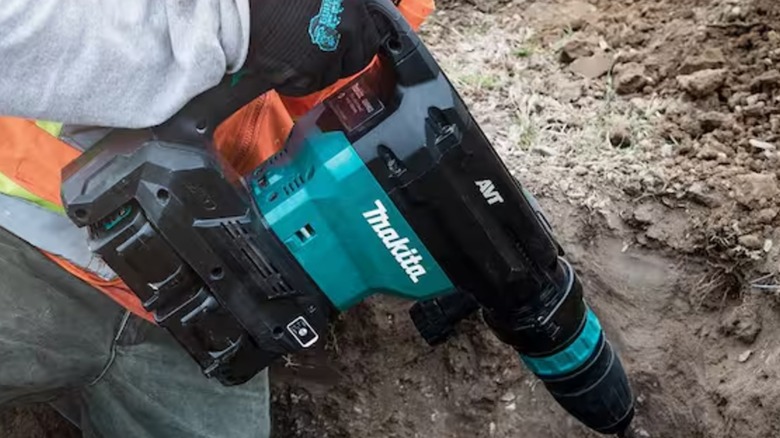
An SDS drill allows you to more confidently drill through brick, block, and concrete — important for many home renovation jobs. In comparison, a high quality hammer drill can tackle some of that work in a pinch, but not with same power output or ease of use. There are numerous SDS tools in the market, and many brands make a range of options that run from standard heavy duty drillers to far more intense Rotary Hammer solutions. The 80V Max XGT 2-Inch SDS Rotary Hammer lies at the far end of that spectrum and therefore sits outside the scope of what a typical renovator will require.
The tool runs on two 40V batteries to generate 21.4 joules of impact energy, featuring a range of onboard technology to minimize vibration and produce high speed drilling capabilities. However, even with that in mind, the drill is designed specifically to handle some of the most intense drilling demands you'll encounter, which is evidenced by its no-load variable speed that ranges all the way up to just 310 RPM. That low speed rating is designed to produce extreme torque, which the 30-pound tool offers in spades.
Beyond its niche performance highlights, the tool is priced for the professional arena. It's available at Acme Tools for $1,476, for instance. This is simply not a piece of equipment that anyone beyond the professional sphere will need or realistically even want when handling a wide variety of routine tasks.
18V LXT/12V CXT Cordless Coffee Maker
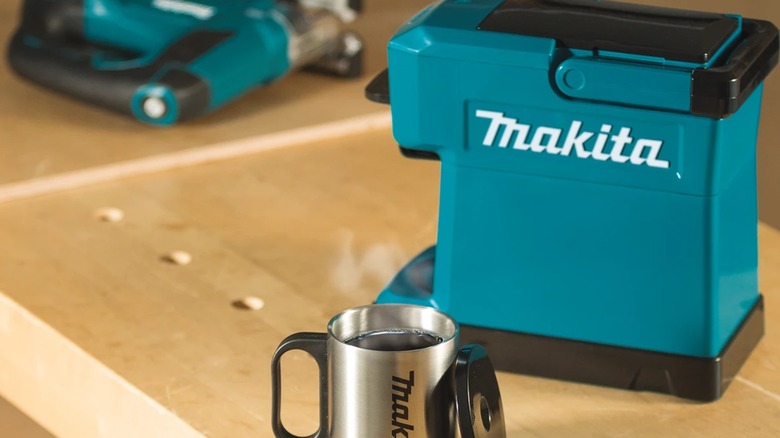
A coffee maker wouldn't normally be considered a tool, but Makita's 18V LXT/12V CXT Cordless Coffee Maker is branded as one, despite not featuring any additional functionality beyond brewing up a cup of Joe. Realistically, the target market for this really isn't beginner renovators, although it might be ideal for camping trips! For one thing, most home improvers aren't going to be handling many jobs that extend beyond their own property. This means making a cup of coffee is as simple as going inside to use the same machine that serves them on non-renovation days. As such, for those who aren't humping it out to remote or otherwise unpowered job sites on a regular basis, this is more of a gimmicky tool than one that's actually useful.
Beyond its limited utility, using this tool presents another problem to the beginner. I wouldn't personally classify myself as a beginner tool user, and my own collection of tools includes a wide range of powered equipment from a few different brands. However, I own, at most, two batteries for each brand's system that I use. There's really no need to invest in more when pairing them up with high speed chargers. Tethering a battery to a coffee maker rather than keeping it free to run the tools you actually need for your project can easily become problematic for anyone who isn't a professional operating with a wealth of power sources at their disposal.
18V LXT Multi-Surface Scanner with Storage Case
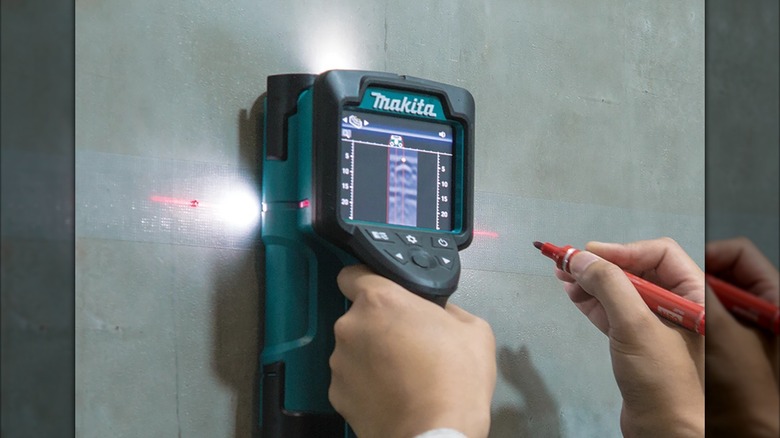
The 18V LXT Multi-Surface Scanner with Storage Case could admittedly be incredibly useful to a DIYer looking to amplify their ability to tackle jobs around the house. The tool is capable of detecting embedded objects of all sorts up to 7 inches deep, and it features selectable base material modes to improve its versatility. The scanner also features a multi-detection mode that can identify objects running diagonally beneath the surface.
The tool is quite expensive, however. It's listed at Amazon and Home Depot for $1,404 and $1,748, respectively. This makes it a solution that most early stage renovators will find prohibitive to bring into their tool collection, even if it might deliver useful added performance during demolition tasks. Even for a renovator with a large enough budget to make this purchase work, it's not a tool that will get heaps of use in typical DIY projects, making it something of a niche purchase that adds yet another reason to pass on the solution for those early in their DIY aspirations.
40V Max XGT ½-Inch Right Angle Drill
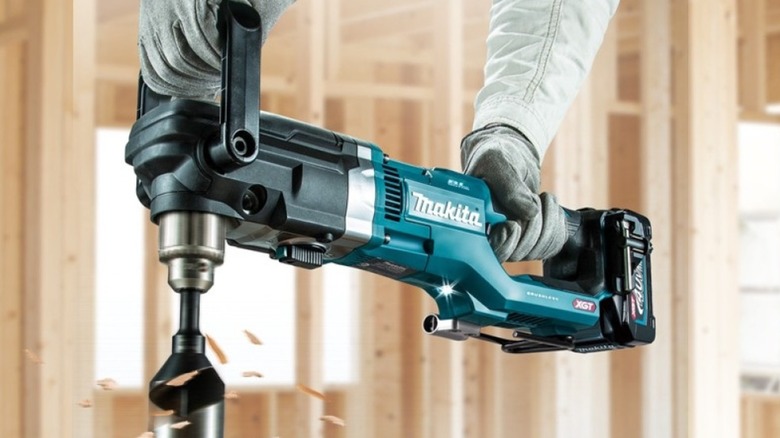
There are many reasons to invest in a high quality right-angle drill, and these tools come in a range of layouts to support intense drilling tasks and installation and fabrication, specifically in areas that require small bodied tools for improved access. The 40V Max XGT ½-Inch Right Angle Drill is part of the former category. It offers heavy duty drilling capability specifically designed for use with specialty and other lesser-known drill bits, including larger options like ship auger bits or hole saws. The tool weighs nearly 13 pounds and offers variable speed control with two speed settings, ranging up to 400 RPM and 1,500 RPM, respectively. It utilizes some important functionality upgrades like a soft start feature and a torque limiter operating on a built-in clutch that disengages the gears if the bit binds up.
By all accounts this is an excellent tool that's more than capable of getting the job done without fuss or fanfare. But the job in question is typically well outside the scope of standard projects, including drilling out access channels in joists and studs to support plumbing or electrical work. The tasks a beginner DIYer will consider tackling tend to avoid the kind of work that requires this sort of right angle tool. If you are getting ambitious and considering running new wire as you finish a basement or handling something similar, this is perhaps the tool for you. It's available from outlets like Home Depot for $589 as a bare tool, so it won't come cheap, however.
18V LXT ½-Inch Mixer
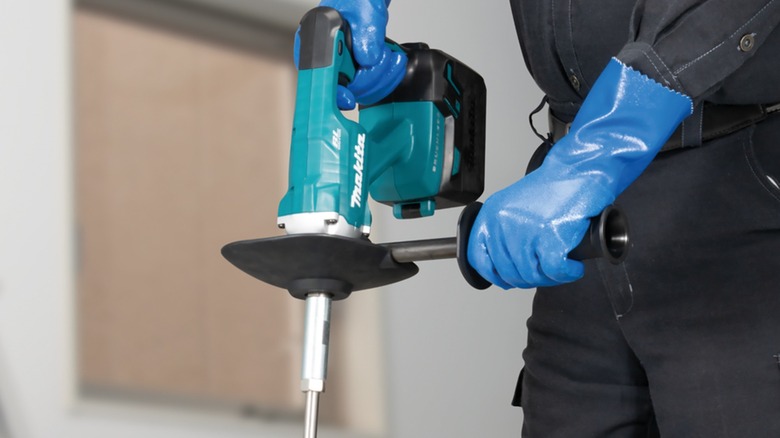
The Makita 18V LXT ½-Inch Mixer is yet another tool that performs its role very well, but nevertheless won't really serve much purpose in the collection of a beginner. Beginners in the DIY world may well come up against the need to whip up a batch of concrete, plaster, mortar, or even mix a large bucket of paint. But speaking from personal experience, your standard drill (or a lower speed, high torque SDS drill) can frequently handle mixing duties without issue. This makes a specialized mixing drill generally feel like redundant.
It is worth taking a moment to explore the tool's specifications, however. If you're handling a particularly large wall render, for instance this kind of solution may be worth investing in anyway. Just note though, that this kind of task is immensely demanding and requires plenty of physical endurance and muscle memory to do efficiently. The tool itself offers a two-speed gearbox that runs up to 350 RPM or 1,300 RPM in each setting. The trigger lock button near the back of the tool keeps it in constant engagement mode to get a better grip on the mixing drill as you work. It features a keyed chuck and a built-in splash shield. The tool is 6.6 pounds though, making it a relatively heavy option.
40V Max XGT 9-Inch Power Cutter
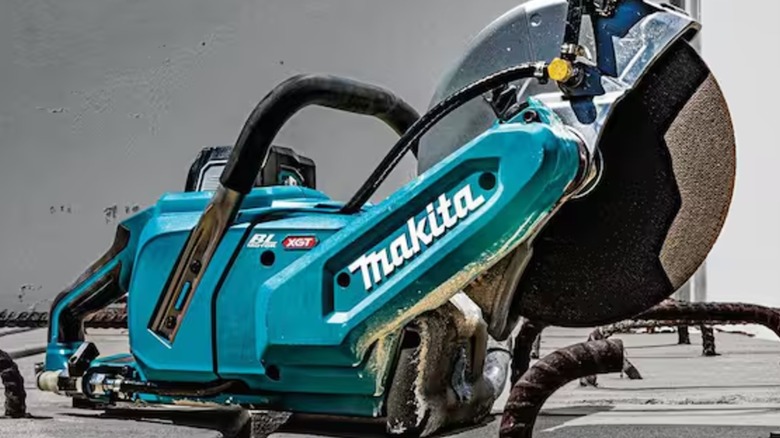
The Makita 40V Max XGT 9-Inch Power Cutter is a concrete cutting saw that comes with a diamond blade and a cut-off wheel. It can handle large metal cutting tasks, as well. Regardless of the cutting disk installed, this tool is virtually always going to be deployed on very demanding cutting jobs far outside the scope of the average beginner's comfort level. With that being said, consaws really aren't particularly hard tools to operate. They feature extreme rotational energy, and you'll need to hold on tight as you initiate a cut, for sure. This solution features a no-load speed of 6,660 RPM with a max cutting depth of 3½ inches. It weighs just under 16 pounds, potentially making it difficult to manage for those unaccustomed to operating heavier tools.
However, where this tool really becomes untenable for a beginner is in all additional work surrounding the use of a concrete cutting saw. You'll often use such an implement to cut down brick walls or channel out a concrete pad to run electrical wires or plumbing installations. The work is only in the beginning stages once you fire up the consaw, and many tasks that are required on either end of this tool's use involve lifting and moving heavy objects or working with specialized equipment or materials to support the broader job.
18V LXT 5/16-Inch Metal Hole Puncher
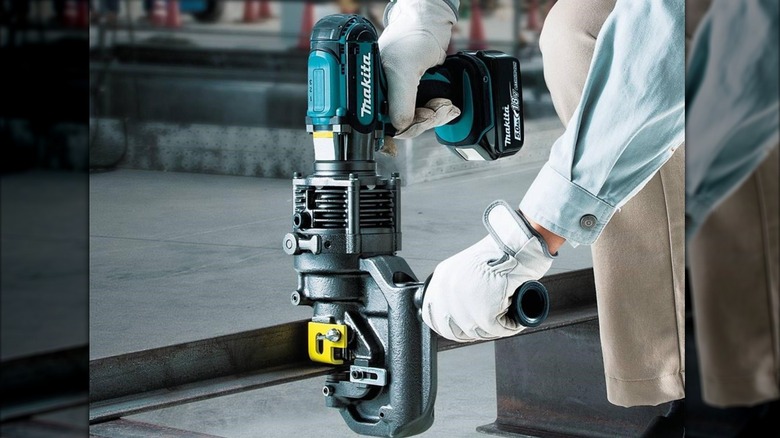
The 18V LXT 5/16-Inch Metal Hole Puncher is a niche piece of equipment from start to finish, and it certainly looks the part. The tool features a heavy duty punching mechanism that can strike holes in metal plates as thick as 5/16 of an inch in general steel and 15/64 of an inch in stainless steel. The mechanism retracts the die automatically once a punch has been successfully completed and the tool can punch up to 180 holes in ¼-inch thick steel on a single 5.0Ah battery's charge. Each punch can be accomplished in under five seconds and the pistol grip handle operates much like your standard combi-drill.
Delivering these punches into metal stock isn't a task that most beginners will need to worry about. This is common sense, but DIYers will probably be thankful for their lack of necessity here given the fact that this tool retails at Home Depot for nearly $3,000. It's not a tool the average DIYer needs, and even obscure tasks don't require this kind of capability on a regular basis. This is specialist equipment, and a niche purchase through and through.
40V Max XGT 7-Inch to 9-Inch Paddle Switch Angle Grinder
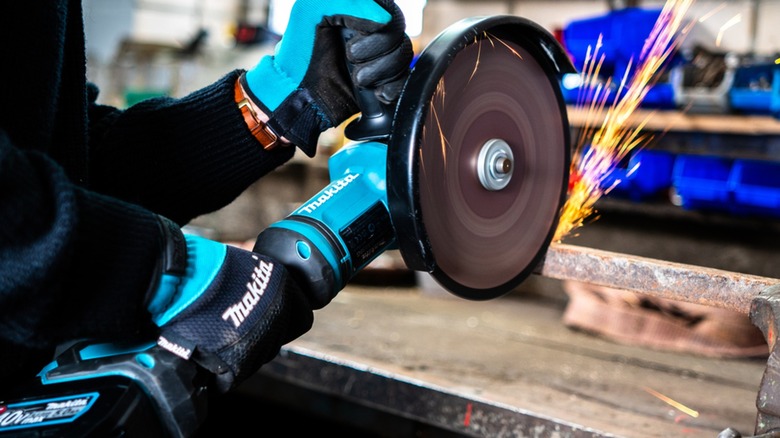
The angle grinder is always going to be a tool beginner power tool users need to be wary of. They are among the more dangerous tools to operate, especially for users who aren't prepared for the intense rotational power they generate. As such, Makita's 40V Max XGT 7-Inch to 9-Inch Paddle Switch Angle Grinder is a great example of a grinder than a beginner simply doesn't need in their toolkit.
A standard sized grinder is compatible with discs ranging from roughly 4½ inches to 6 inches. Most jobs a home renovator will handle with an angle grinder don't require a grinders that can produce enough force to utilize larger accessory cutting solutions. Taking a tool that a beginner may not be fully adapted to handle and making it larger and more powerful is a recipe for disaster, and so an angle grinder that can accommodate up to 9-inch discs is simply outside the scope of what a typical user will need or want.
The tool itself is an excellent option for users who need heavy duty performance, however. It utilizes a soft start functionality to limit the tool's impulse to try to jump out of its users hands and it operates with an electric brake that stops the wheel in a maximum of 4.5 seconds for enhanced productivity, speed, and safety.
36V LXT Shear Wrench
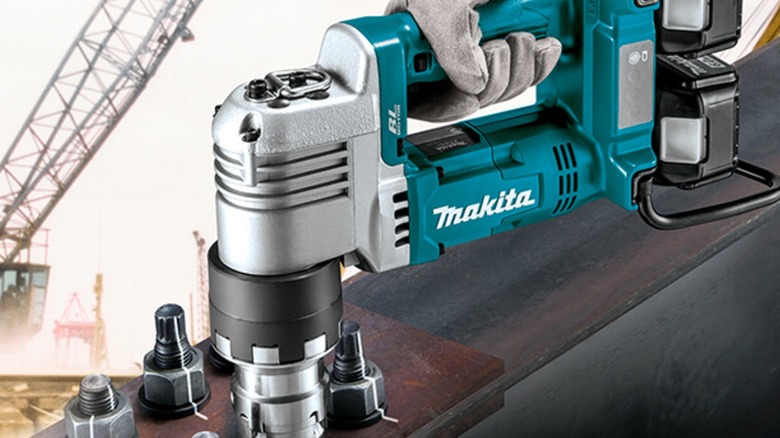
The 36V LXT Shear Wrench is probably not a tool many beginners will be familiar with, but anyone who's come into contact with this solution will be envious of people who own them. The tool produces 593 lb-ft of torque, or the equivalent of over 7,100 in-lb of turning power, for fastening bolts and more. The unit features an electric brake that allows it to operate faster through a user's workflow, and it features Makita's Extreme Protection Technology (XPT) To help keep dirt, dust, and moisture out of the tool's internal mechanisms.
Naturally, a tool that delivers this much turning force will be pretty expensive, and it can be found at Acme Tools for a little over $3,000. That much power obviously isn't necessary in supporting any sort of residential improvement project you might be considering. This is an industrial tool, designed for the most demanding job sites and repair tasks a professional might face. A retail tool user might dream of what this much power feels like in their hands, but there's absolutely no need for it.
16-Inch Corded Electric Chainsaw
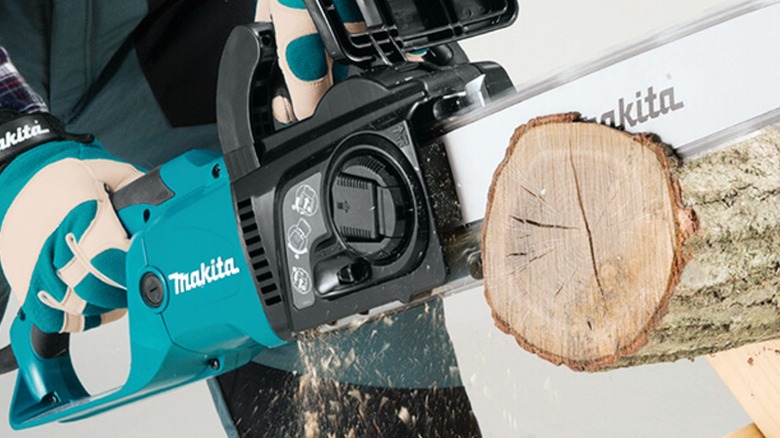
The 16-Inch Corded Electric Chainsaw is something of an outlier tool. It features a 16-inch bar length, which makes it ideal for handling medium-to-large cutting tasks. The problem with this positioning in the chainsaw hierarchy is that it operates on corded electric power. A cord will naturally limit the tool's functional range, keeping it contained to use in the "shallow end" where cutting tasks are more subdued. This makes it a tool that is probably overkill for the jobs it can support and less than ideal for the tasks it's actually designed to manage.
The tool is also priced in a relatively similar arena to some of Makita's battery operated alternatives. This means that any advantage that range limitation might have offered in pricing simply evaporates when compared to competitive alternatives, even within the same brand catalog. It's available at Acme Tools for $339, whereas the outlet also carries a 16-inch 36V LXT model for $379. The tool doesn't quite fit into any neat category, leaving a user to struggle with it when looking to handle even moderate yard cleanup tasks.