

5 Vital Questions To Ask Yourself Before You Buy A Classic Car
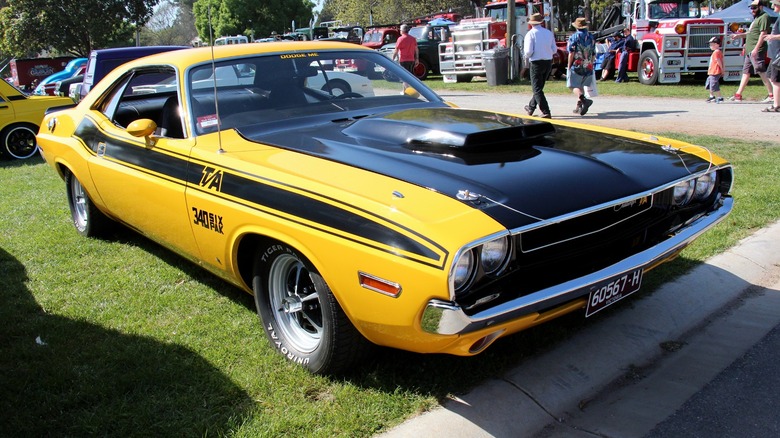
Classic car ownership is a passion of extremes. It can be rewarding, but it can also be very expensive and frustrating when things go wrong. It's also a particularly specialized subculture today, with many classic cars sharing very little in common with modern vehicles other than the very basics. It's both a daunting and enticing venture, and, in my experience, there's no better way to turn heads and bring smiles to adults and children alike than passing by in a well-maintained classic car. But that's just what you see when a classic car drives down the road. It goes without saying that there's more to owning such a car.
I'm one of those people who's rather obsessed with her classic cars. In fact, I've never owned a single vehicle newer than 25 years in my life. Even my most recent acquisition, a 2000 R34 Nissan Skyline that I imported myself, is really quite a simple car. Under the hood, you'll find a cable-operated throttle. Inside, you'll find a five-speed manual transmission. You have to move the seats with hand wheels. I don't even have an aux port, much less factory satellite navigation.
In short, there are many caveats to owning classic cars. It's unquestionably a wonderful time, especially if you have the skills to maintain them yourself. However, let's say you don't have those skills, but have found an interesting old car or inherited a hand-me-down. Before you commit to taking care of it (and believe me, you'll be committing an awful lot of money by doing so), you need to ask yourself these questions.
Can I afford this car in the first place?
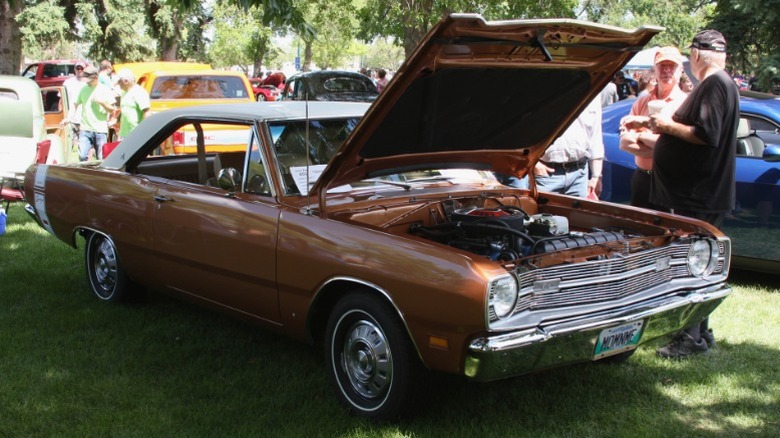
This one may seem obvious enough: You look at the price tag and, if you have enough, you walk out the door with a classic car. And yes, that is true, but only up to a point. I once purchased a 1973 Volkswagen Super Beetle – which is different from a regular Beetle – as a fun little project car, something to tinker with in my spare time while I commuted in my classic Jeep. My Volkswagen was relatively inexpensive at first, but it quickly turned into a money pit.
They say that nothing is more expensive than being poor; in this case, no car is more expensive than a really cheap one. That isn't to say that all inexpensive vehicles will be albatrosses on four wheels, but you need to research how much a car will cost to maintain. Supposing that you buy a cheap classic, you're likely doing one of three things: restoring it, turning it into a daily, or making it a project. In all those cases, the car itself is just the initial expense.
You can't trust a lot of things at first glance. Oil, spark plugs, filters, fuel pumps, brake lines, intakes — replacements or repairs for all of these need to be factored into the final cost. Even if you can do the work yourself, some specialty items might not be available, especially for older cars and imports, and even if they do, they may not come cheap. My advice: If you want a cheap classic car, make sure you have enough money to buy two.
How bad is the rust?
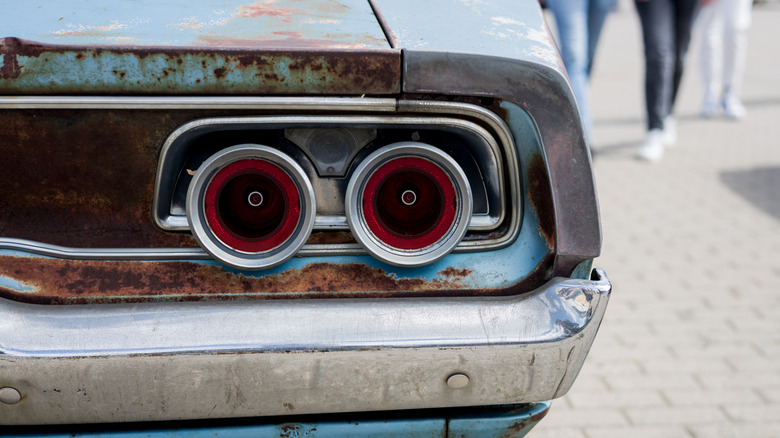
If your car has rust, how bad is it, and where is it located? It takes a trained eye to spot different types of rust, but generally speaking, it's a deal breaker if there are holes in structural areas of a car. Conversely, surface rust is pretty typical on cars from snowy climates, and that's generally acceptable, as is surface rust on things like fenders and doors. But if you have whole structural body panels coated in rust, or the frame is rotted out to the point where you can see daylight through it, then be prepared to shell out thousands for necessary metalwork to get the car roadworthy.
So if you're looking at a classic car, don't be afraid to poke around and get under it. A lot of classic cars are body-on-frame, meaning a clean body could be concealing bad frame rot; conversely, you could have a solid frame on a body full of speed holes. Some classics are unibodies, however, meaning the body itself is the structural member. In which case, rust in critical areas like pillars and joints could compromise the car's rigidity and safety.
Unless you know what you're doing with a welder, classics with lots of rust and rot are hard passes. Also, note that some cars are simply more rust-prone than others. Some features, like vinyl roof covers, can trap moisture and eat away at the metal underneath — a main reason why they're one of the worst car trends ever.
What am I using this car for?
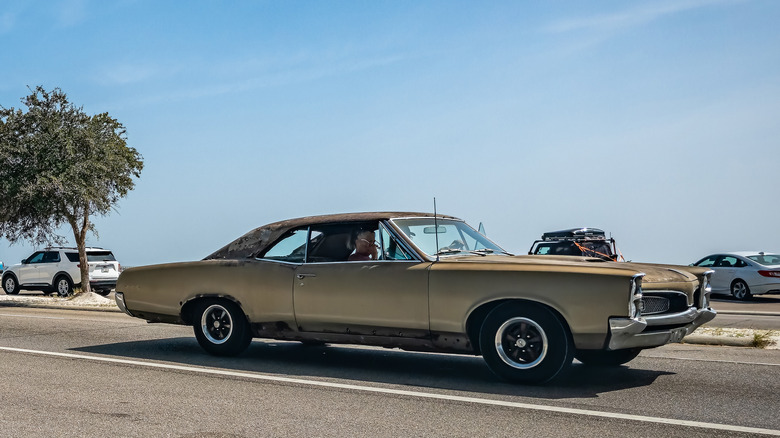
This one also seems obvious, but it's actually quite nuanced and factors into every other point on this list. Let's say you're looking to use a classic car as a practical daily driver, for instance. The requirements for such a car will be vastly different from, say, a 100% accurate restoration of a low-mileage vehicle, which will in turn differ from a vintage track car. Knowing exactly what you want to do with the car helps with two things: deciding which car is ideal for your needs and putting together a roadmap.
Generally speaking, it's not too expensive to make a daily driver out of a classic, since all you're doing is fixing it up until it's reliable enough to drive regularly. The main hiccup for most people is a lack of creature comforts. Classic cars typically don't have touchscreens, for instance, though there are gadgets that might help with that.
Where it becomes far more costly is when you're talking about restorations or restomodding. The latter term is akin to modernizing, replacing major components like the engine, running gear, and interior to bring the car into the modern age. Such projects are often expensive and take a long time to complete, but can also be good hobbies and learning tools. Moreover, it may be worth restomodding a broken, unreliable car to preserve it and get it driving again, so you can start cheap (with a rolling chassis, for example).
Can I do the maintenance?
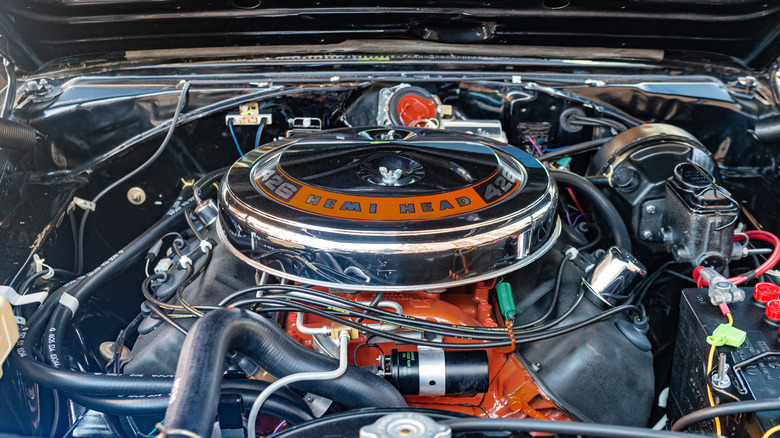
Put simply, if you can't do it yourself, then you'll be looking for a specialist to do it for you. And for foreign cars or antiques, that may be somewhat tricky because not everyone is familiar with this machinery. Carburetors, for example, work completely differently from fuel injection. You need to know how components like carburetor jets and floats work, none of which exist in modern fuel systems.
It's a rather deceptive problem because, when you look under the hood of many classic cars, things appear quite simple at a glance. A vintage American V8 won't have a labyrinth of wiring to get through, and everything is usually quite accessible. But you'll find many unfamiliar parts within the bowels of these engines — pushrods, distributors, voltage regulators, and so on. You'll need to familiarize yourself with your specific vehicle as well; cars with older analog points-based ignition will need to be adjusted regularly, which means getting familiar with how distributors work and whether yours might need changing. It's a deep rabbit hole.
I once had a bad vacuum leak in one of my cars, which I identified and fixed with a potato chip tube and some tape in a church parking lot. It's not my proudest job, but it demonstrates that knowing how to fix old tech when it breaks can mean the difference between getting home and being stuck in the middle of nowhere.
Can I find parts?
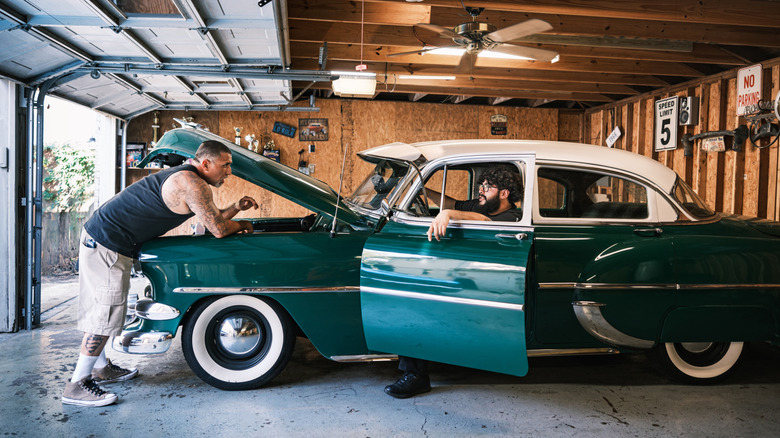
It's not always easy to find parts for specific makes and models, especially if they have weird engines or were never sold in your country. Take my Nissan R34 Skyline, for example; I live in New Jersey and can't exactly pop into an auto parts store to order a new timing belt. Instead, I have to order my parts online and have them imported. They're available, but they take time to arrive; thus, I spend most of my time doing preventative maintenance.
Other cars may face similar challenges. Certain engines have plenty of legacy parts, such as small-block Chevys and AMC inline-6s. But good luck if you have something rare or bizarre. If you're interested in a classic car you've never heard of before, for example, you'll need to familiarize yourself with the parts subculture if you're planning on restoring one. Similarly, you might find yourself building up a small catalog of parts you can't find anywhere else because you daily drive a classic Japanese import.
Ultimately, no car runs without a steady supply of spare parts. Everything breaks at one point or another, and if you can't find what you need to stay on the road, then you have two options: You can restomod it, swapping old components for more modern ones, or you can get a different, more forgiving classic instead.