

Why You Should Buy Electronics From Costco (Instead Of Amazon)
Shoppers have a lot of options when it comes to tech purchases in 2026, including mainstays like Best Buy, online giants like Amazon, and other retail giants like Walmart. Costco is often overlooked, at least by people who don't actively shop there, despite being a legitimately good source for technology purchases. Costco sells TVs, smartphones, major appliances, computers, and all sorts of stuff. Every retailer has its own pros and cons, and that includes Costco, but Costco probably doesn't get enough attention when it comes to buying electronics.
Costco is an experience unto itself. You've likely heard about the company's famous loss leaders like the $5 rotisserie chicken that's been around for decades and the $1.50 hot dog and 20-ounce soda. These loss leaders get people in the door to buy other things, and it's a brilliant strategy, especially in the wake of swiftly rising gas prices. As it turns out, buying just about anything from Costco is a good idea, so it makes sense that a shopper may want to consider the retailer for their next big purchase.
Below is a list of reasons why you would want to consider Costco over Amazon for your next major tech purchase. It's a tough call because Amazon's convenience is excellent in its own right, but there are just some things Costco does better.
Costco has a superior return policy
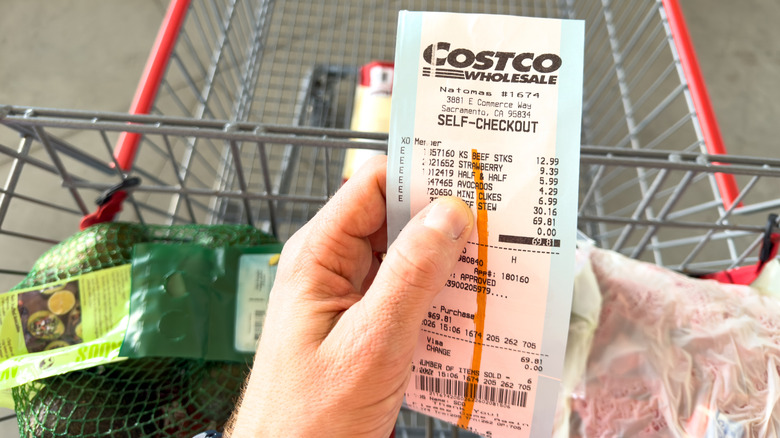
Buying electronics is often a big deal. A TV is meant to be the centerpiece of a living room, and most TVs can last for many years, so you want to make sure you get the right one. If you don't, and you have to return it, Costco is a much easier place to do so than Amazon. This is primarily for two reasons. The first is that Amazon's return policy for most of its electronics is 30 days, while Costco will still take the TV back for up to 90 days. This gives you an extra two months to make sure you really don't like that TV, and if you do return it, Costco finds a use for those returns.
The other reason is that Costco's return policy verbiage is a little more liberal when it comes to the condition of the device when it's returned, in that it doesn't specify that an item has to be in new or unused condition when it's returned. Amazon's return policy does expressly state that the item has to be in "original or unused condition" in order to be eligible for a return.
That isn't entirely unreasonable, as it keeps people from abusing the policy, and Amazon returns tend to be pretty easy anyway, but it is something to keep in mind. Costco's return policy has made news headlines for how liberal it is, so it's generally considered the better one.
Costco often has better deals on larger items
Costco's deals are legendary, and even its permanent ones tend to be better than what Amazon offers day to day. A famous example of this is the Nintendo Switch 2 Mario Kart World Bundle, which retails for $499. It's a reasonable deal for a game console and a bundled, popular Mario Kart game, and that's the price you pay on Amazon when the bundle is in stock from Nintendo. Costco sells the same bundle for $499, but it includes a free 12-month subscription to Nintendo Switch Online, valued at $50.
Business Insider compared hundreds of items from Costco their prices to that of Amazon's. Costco came out on top roughly 80% of the time overall. This is across a range of categories, including baby and pet, household items, toiletries, and other items. It also applies to electronics, albeit not as obviously. Much like the Switch 2 example above, the benefits are often better from Costco, even when the prices are the same. For example, the LG C5 OLED TV is about $1,400 from both retailers. Costco's includes a longer five-year warranty, and Executive members get 4% cashback, an increase from the 2% cashback that Executive members usually get.
If you're shopping for an electronic, don't just compare prices between the two retail giants. Check the other perks as well. Costco often comes out on top.
Costco memberships pay for themselves
It's pretty common knowledge that you need a membership to shop at Costco unless you order from Instacart or have a gift card. These memberships are pricy on the surface, costing $65 for a regular Gold Star Membership and $130 for an Executive Membership. The Executive members get expanded shopping hours, 2% annual cashback (after $1,250 spent), and other stuff. The thing is that these memberships ultimately pay for themselves over the course of the year through the various benefits that you get from the store.
As a personal example, the first time my wife and I got a Costco membership, we bought a couple of external SSDs on sale for 50% off, a deal Amazon did not have at the time. We bought a Gold Star Membership and walked out with two hard drives, the savings from which paid for the membership in full, giving us 364 more days of Costco access. In addition, the 2% cashback rewards on the Executive membership will eventually pay for the membership if the shopper spends enough money throughout the year.
Amazon has its Prime membership, which includes a host of various features, and grants access to member-only deals during Amazon Prime shopping events. However, there's no cashback reward, and many products are still on sale for non-members as well. Prime offers more features overall, but Costco's membership benefits continually roll in on themselves, making the price a non-issue for many members.
Costco gives away free extended warranties
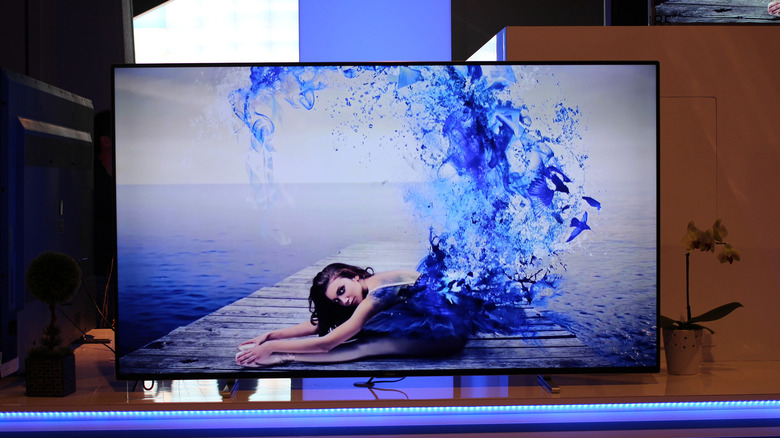
One of the benefits of buying something new is that if it messes up, you can get it fixed or replaced under warranty. Most warranties are only about a year or two, which is long enough to catch immediate issues, but doesn't protect you at all after that. Costco helps by adding an extra two years of warranty on top of whatever warranty the device comes with. This isn't for every electronic, but does apply to televisions, projectors, computers, and major appliances. There are some limitations, for example, like touchscreen tablets and small appliances like mini refrigerators.
This can be a huge boon for shoppers looking to maximize their protection without spending additional money. In some cases, Costco occasionally tosses in free additional coverage from Allstate. An example of this is the LG C5 OLED TV we mentioned earlier. LG usually only grants a 1-year warranty for C-series TVs, but Costco gives you five total years. That's one year manufacturer warranty, an extra year via Costco directly, and then three years via Allstate.
Amazon doesn't include an additional warranty with its products by default but may occasionally as part of a promotion. Amazon offers extended warranties that you can purchase with many electronics across the website, but that's all you'll be able to get. Costco definitely wins here, and often by more than a year or two. Don't forget to check out the free tech support if you do buy electronics from Costco.
The convenience of brick and mortar stores

There are some intrinsic advantages to having brick-and-mortar stores in a variety of locations. The ability to walk into a building, make a purchase, and walk out with the product immediately is one of the most obvious. Electronics usually fare okay when being shipped, especially if they're smaller items like smartphones, earbuds, and DIY PC components. However, electronics are still high up on the list of items that break most frequently during shipment, and larger items like TVs can be very difficult to ship effectively. Thus, being able to retrieve your item from a physical store and take it home is a boon, especially if the product is broken and you have to return it. It's much easier to return a TV to a physical store than it is to ship it back to Amazon.
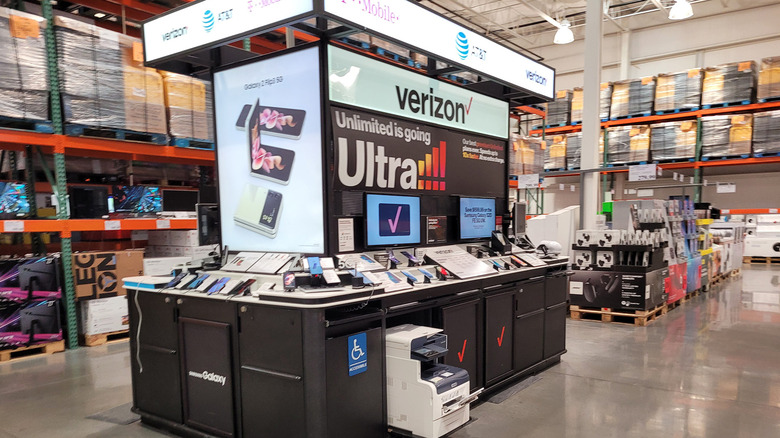
There are other, albeit smaller, benefits to shopping in a physical store. You can inspect packaging for damage before purchasing, look around for items you may not have seen while browsing online, and you may find in-store promotions that aren't available online. These are all benefits you don't get from shopping at online-only retailers like Amazon. Plus, many Costco stores have smartphone kiosks where you can hold the device before buying it, which is a powerful tool for customers, offering a "try it before you buy it" experience.