

The Most Dependable Cars You Can Buy (According To JD Power's 2026 Study)
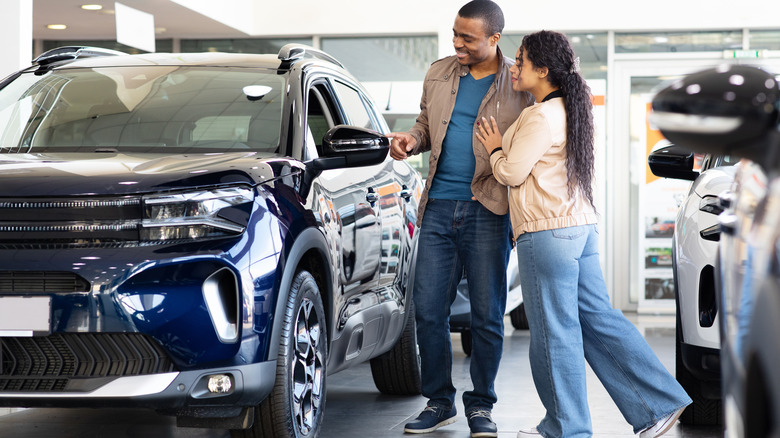
One variable supersedes all when shopping for a new car: dependability. Ideally, you'll want a car that gets you from point A to point B without worrying about any potential issue, provided you carry out routine maintenance.
Consumer reporting agencies and companies are a great place to start when looking for good options in this regard. In its yearly U.S. Vehicle Dependability Study, JD Power compiles a comprehensive list of the most dependable cars currently on the market.
For its 2026 list (which covers only model years from 2023, to reflect three years of real-world performance), JD Power offers a look at user satisfaction with car components such as infotainment systems and in-vehicle tech, interior and exteriors, driving experience, and a lot more. We've broken down the study into different types of vehicles, always selecting the most dependable car you can buy, according to JD Power.
Compact Car: Toyota Corolla
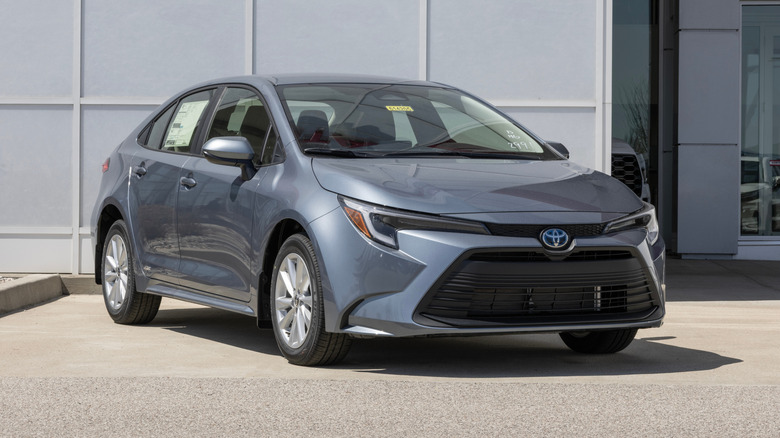
It's no surprise that Toyota car models are among the most reliable on the market, least of all the Corolla. You know what you're getting when you're buying one: good fuel efficiency, low maintenance costs, and, most important to this study, dependability. The 2023 model may not be the most gifted in terms of speed or cabin refinement, but it gets the job done.
On paper, according to EPA estimates, you can get a solid 34 mpg combined. In actual driving, though, you're likely to get close to 40, with some drivers reporting as high as 46 mpg. The infotainment system may be a bit of a letdown, which likely cost it a few marks on the JD Power's study; There's some lag in the navigation system and responses to voice input and no integration with climate controls — a fact that hasn't changed much in the three model years since.
However, if you're not picky about that sort of thing, tech features like the new Toyota Safety Sense 3.0, low cost, and fuel efficiency should put the Corolla near the top of your wishlist. There's a whole list of things you should know before buying one, though.
Midsize Car: Toyota Camry
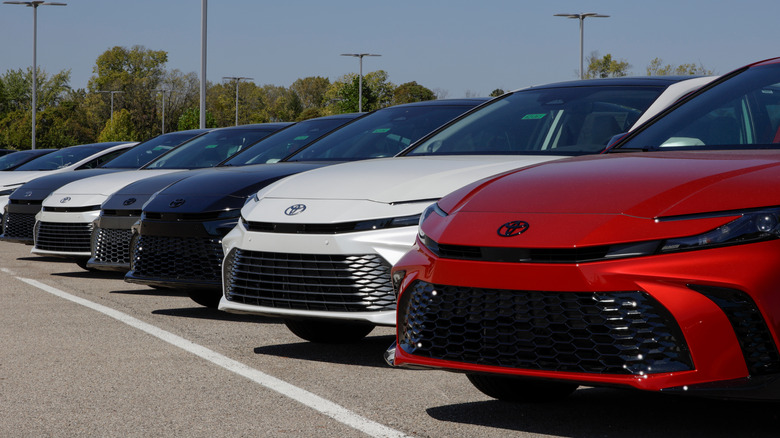
The second Toyota entrant on this list, the Camry, offers a similar consumer value to the Corolla. There's little question concerning the Camry's reliability, and the 2023 model surveyed in JD Power's study is no different — only two recalls aimed at properly attaching head restraint brackets and lug nuts have been registered since it rolled out.
However, some drivers reported running into transmission issues well south of the traditional 100,000-mile mark, where you'd expect some trouble. These concerns developed into a class action lawsuit in December 2025, in which torque converters in Camrys manufactured between 2018 and 2024 caused the 8-speed transmissions to fail.
While this is a problem well worth noting, the Camry has several other positive traits that balance things out: The EPA-estimated fuel economy is 32 mpg combined (with the Hybrid trim raising it to 52 mpg combined), and a Safety Sense 2.5+ system that maintains a good balance in terms of sensitivity. If you're looking for a more modern version of the Camry, the 2026 model provides a friendly experience with in-car software.
Compact Premium Car: Lexus IS
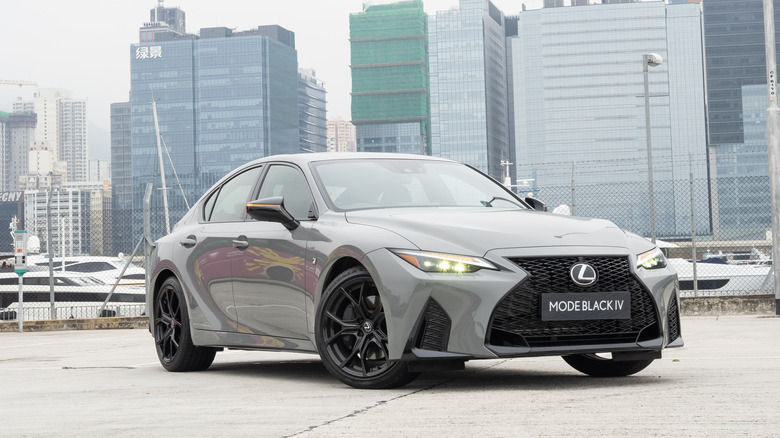
Lexus was the highest-rated brand on JD Power's study, and the Lexus IS was the top overall model. With a clean recall record, it's easy to see why. The warranty detail is the first thing that should pop out of the fine print if you're looking for a dependable car, and the Lexus IS has a four-year/50,000-mile warranty, which is one more year of protection than Toyota offers for its Camry or Corolla options.
Secondly, one of the most problematic parts of any car these days is the infotainment system. While Lexus as a brand featured on our list of worst infotainment systems, it appears the transition to touchscreen in 2021 has been a success: Simple controls of audio and navigation systems, as well as a voice command that's actually functional, undoubtedly boosted the IS' ranking.
In the same vein, it's pretty common to see OTA software updates causing problems in cars that were previously perfectly operational. Lexus (and by extension, Toyota) rarely updates theirs.
Small SUV: Subaru Crosstrek
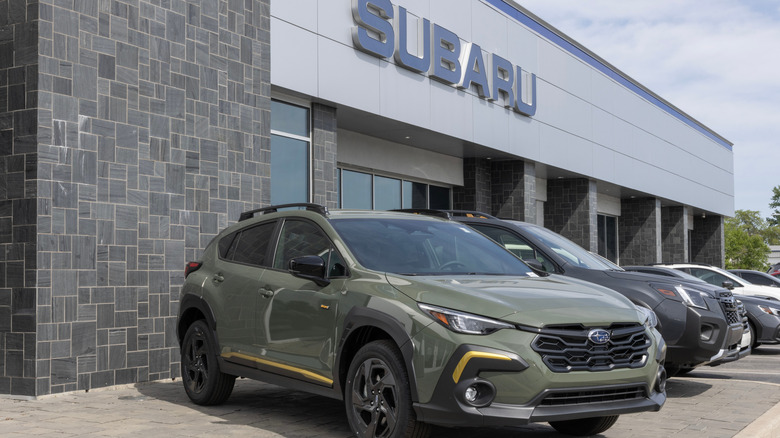
Moving up into SUV territory, the expectations for a dependable car change slightly; For one, you'll want plenty of ground clearance for your occasional offroading, in addition to the regular components of reliability. There are 8.7 inches of that in the 2023 Subaru Crosstrek, and you could get 9.3 if you went for a 2026 Wilderness trim. Couple that ground clearance with the Crosstrek's typical ruggedness, and you get a small SUV you have the confidence to take anywhere.
The road to earning that confidence as a brand has been a long one. In the past, Subaru's reputation for reliability wasn't the greatest. Models from the 2000s would pop their head gaskets regularly — an issue that became a running joke. However, the zeitgeist has since shifted considerably; Consumer Reports named Subaru as its second most reliable new car manufacturer in 2025.
The 2023 Crosstrek is an example of that transformation. It's got a clean recall record, which means none of the problems you'll encounter, whether mechanical or electrical, are insurmountable, or so annoying to spoil your experience.
Small Premium SUV: Lexus UX
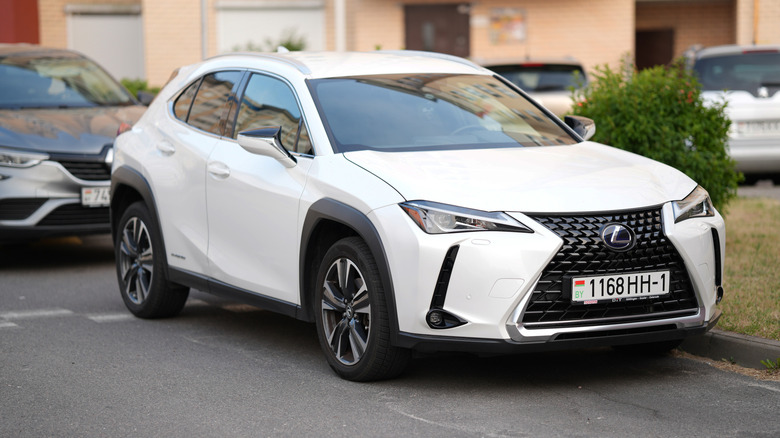
Premium cars struggled compared to their main market counterparts in JD Power's study, with premiums posing 17 more PP100 (problems per 100 vehicles). However, the Lexus UX 250h surveyed in the study has its positives. No recalls for the 2023 UX250h, two touchscreens that phased out the problematic touchpad, and smartphone compatibility give the UX an extra leg up on the reliability scale.
One drawback for potential buyers could be the acceleration. The UX, especially the 2023's mark of 8.2 seconds for zero to 60 mph, is pretty uninspiring in this regard. It doesn't get much better with more recent models, either; the 2026 version is only 0.2 seconds faster. Despite this disappointing mark, the fuel economy plays a part in why the Lexus UX is regarded as so reliable — it has an EPA rating of 42 mpg combined.
Build quality-wise, the UX benefits from Lexus' track record; many reviews note that Lexus' build quality is solid. However, you might be a bit disappointed with the infotainment system in more recent models. Edmunds reports a sluggish native navigation system that needs subscribing to after three years.
Compact SUV: Chevrolet Equinox
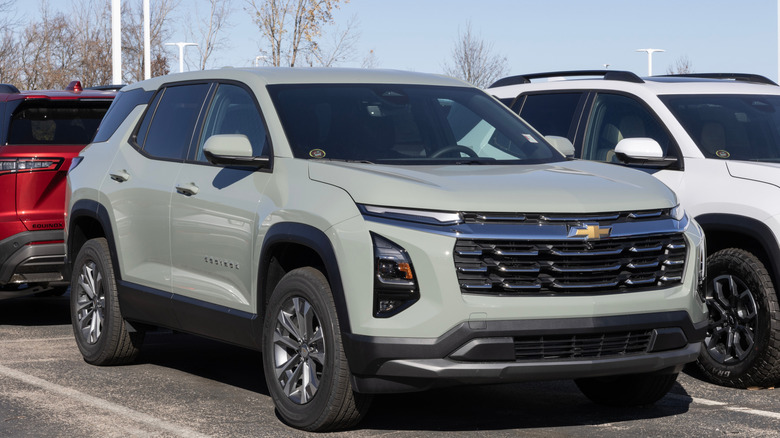
This one's a bit of a surprise. The Chevy Equinox hasn't had a pristine reputation in terms of reliability for a while now. Transmission issues ran amok in earlier generations, particularly in the models between 2018 and 2020 — oil leaks in Chevrolet vehicles led to the recall of nearly 200,000 units. Things haven't improved in the years since, either. Fluid leaks, infotainment system glitches, and even fuel leaks were observed in 2021 and 2024 models. Still, it was crowned JD Power's most reliable compact SUV.
It remains to be seen how the 2025 redesign will fare in the long run, but it's not looking good. Earlier in February, General Motors launched an investigation into vehicles equipped with its eight-speed transmission, which also affected the 2025 and 2026 Chevrolet Equinox units.
Away from engine and transmission problems, build quality can also be an issue, depending on the model year. The 2025 redesign and the 2026 follow-up appear to hold up to the rigors of daily driving for the most part, but you're likely to run into body part alignment issues, creaking noises, and rattling.
Compact Premium SUV: BMW X4
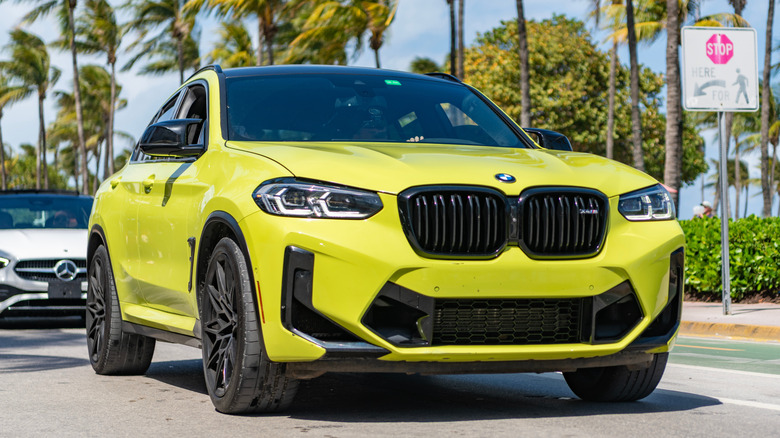
Lots of vehicles struggle with in-car tech. In the case of the BMW X4, however, its infotainment systems and tech are among its strongest selling points. That's especially true in its more recent versions like the 2025 model, which features easy-to-use navigation systems, touchscreen and dial controls, and smartphone-friendly support in the form of USB-C ports and wireless charging pads.
However, things are not completely smooth sailing; Some units of the X4, particularly 2021 to 2023 models, have been part of recalls concerning faults in the electrical system and transmission oil leaks. The former brings about an overheating risk and affects nearly 90,000 BMW units, although it's unclear exactly how many of these are X4s.
Whether the X4 provides you value for money is another conversation entirely, though. It's more expensive than the X3 while being a downgrade on space, and according to some users, it's a lot more noisy.
Midsize SUV: Nissan Murano
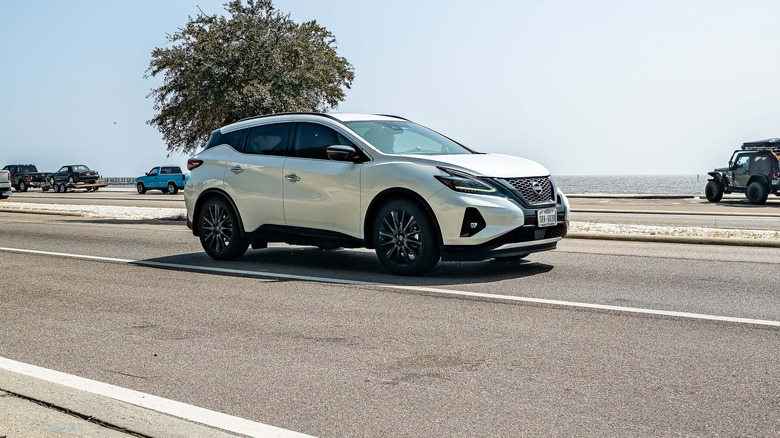
Nissan has had a long, troubled history with this model line, especially from 2004 to around 2015. There was hardly an area where the Murano didn't fall short; brake, transmission, engine, and even the electricals were plagued by constant faults. Things changed for the better after 2015, although the 2015 to 2018 models faced enough transmission problems that Nissan had to extend their CVT warranty due to a class-action lawsuit.
There's not much difference between the 2015 Murano and the 2023 version which JD Power named the most reliable midsize SUV. It's not the most modern car out there, which would explain the struggles of in-car tech like the parking system and mobile phone integration with Apple CarPlay.
The CVT transmission is less problematic than in previous years, but the engine can get pretty loud. If you're looking for a Murano on the market, a 2025 and later model is advisable — you'll get a redesign that effectively brings it up to speed with competitors.
Midsize Premium SUV: Lexus GX
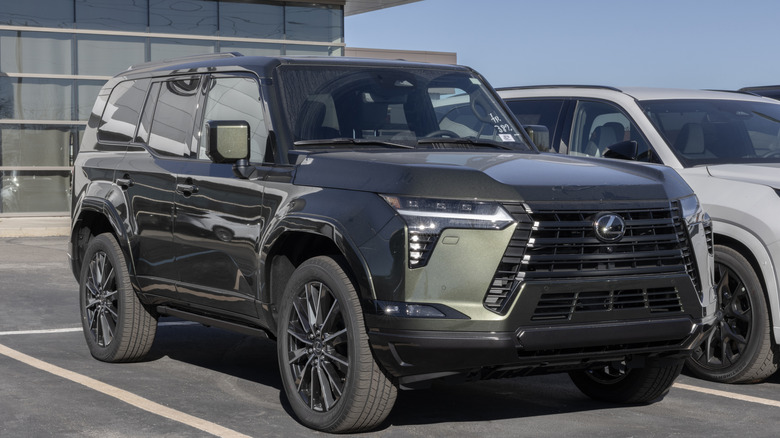
The third Lexus on this list, the GX, finds its market at the intersection of luxury and ruggedness. That's where you get a lot of the dependability; You can drive the GX in pretty much any terrain and not feel like you're straining the car.
Technical problems are few and far between as well, although you'll want to keep an eye on your brakes. According to some users, there's a reducedpedal feel due to their hydraulic boosted nature, which means drivers often need to apply more pressure than normal, and brake squealing has been an inconvenience for some time, one that drivers say hasn't abated even in newer models.
As far as recalls go, the GX line has a near-immaculate record; The GX 460 was most recently recalled in 2020 for fuel pump delivery concerns, and you'd have to go all the way back to 2016 for a 470 recall. Fuel economy is probably the main area that should concern you — you get just 17 mpg combined in the 2023 model, and that number doesn't improve at all in the latest 2026 version.
Upper Midsize SUV: Buick Enclave
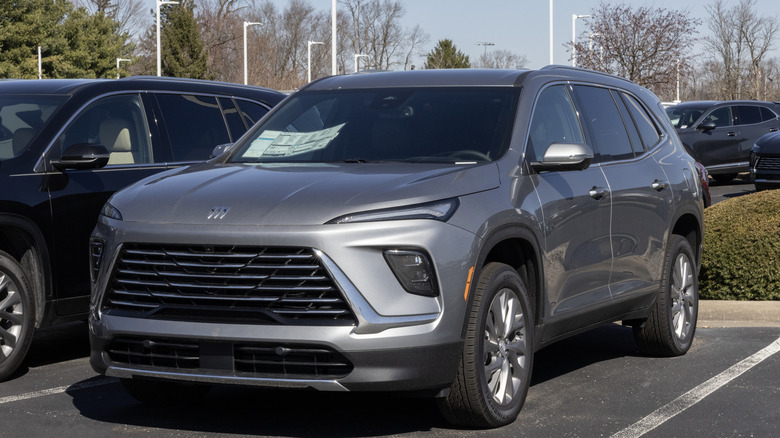
The Buick brand has a reputation for being reliable and cost-effective — it's one of the car brands that cost the least to maintain over 10 years — but the Enclave isn't spotless. If you're big on seamless infotainment systems, the 2023 Enclave has a history of problems. Some drivers have complained that the radio transmission stops working randomly, and the same has occurred in the infotainment system.
That makes the Buick Enclave's ranking here a bit curious, seeing as infotainment (together with other factors) was ranked highly by JD Power. Then, consider the most prominent problem of the 2023 Enclave: the headlights either aren't the most effective, or they emit a harsh glare that prompts other drivers to flash back, according to some drivers — which could hint at possible alignment problems. It's a problem that General Motors hasn't fully solved yet, as some 2025 models had issues with the lighting control module.
That said, the fuel economy is a plus at 26 mpg combined, and there's hardly any record of engine problems. If infotainment isn't your thing, there are many other things to like about the Enclave. Fancy a newer model? Check out our review for the 2025 Buick Enclave.
Upper Midsize SUV: Toyota 4Runner
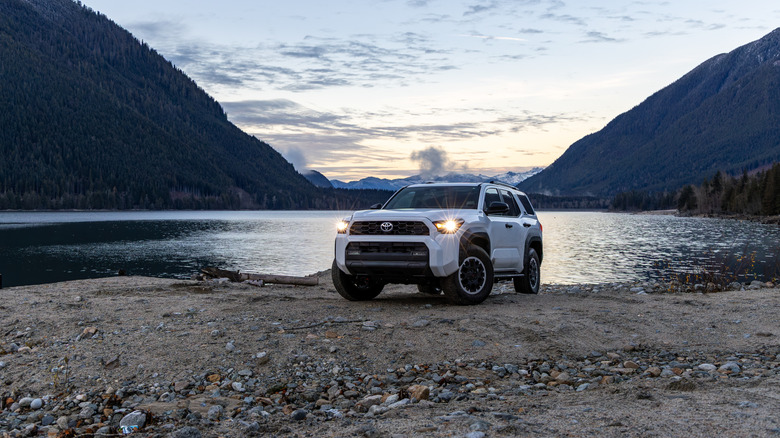
Two car models share the distinction of being the most dependable upper midsize SUV, and the Toyota 4Runner is one of them. Granted, you won't get the most fuel-efficient performance from it (the 2023 model sips fuel at a rate of 17 mpg combined), and it won't be the most comfortable car you get to sit in.
However, a 4Runner is attractive because it's rugged, and because it has a tow rating of 5,000 pounds. Recalls have been few and far between, and the 2023 model specifically only had 13 units affected due to a labeling error in load-carrying capacity. Having a car that hardly ever needs an unscheduled return to the manufacturer is always a plus.
In terms of tech, the 2023's touchscreen can feel rather small and dated, at just 8 inches, but it's functional. As for how the model runs in day-to-day driving, we can't say definitively for the 2025 reboot and beyond, but our list of common problems with the 4Runner is impressively short.
Upper Midsize Premium SUV: Cadillac XT6
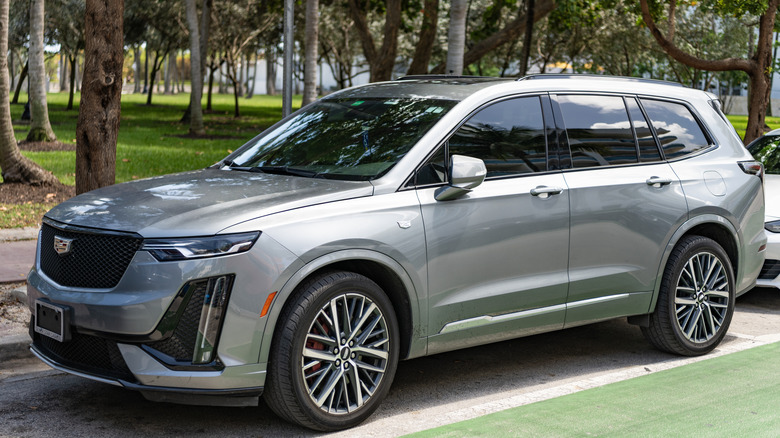
Cadillacs aren't typically associated with reliability. In fact, according to a recent study from Consumer Reports, Cadillac ranks 18th out of 26 car brands in this metric. The XT6 looks to be insulated from this state of affairs, to some extent, although some units of the 2023 model did face a recall due to a half-shaft disengagement issue in the powertrain.
Technology is one of the XT6's strong points; The Bose sound system is sufficiently loud, native navigation has embedded support for natural language, and there's an array of USB ports to suit your charging needs. As a premium SUV, one of the criteria for the XT6's dependability is how well it keeps the luxurious experience going, so comfort plays a role. In this category, Edmunds reports a softening of road impacts.
Acceleration might be a bit of a buzzkill — the XT6 goes from 0-60 mph in 7.3 seconds. Overall, though, build quality, in-car tech, and under-the-hood elements appear to do just fine.
Large SUV: Chevrolet Tahoe
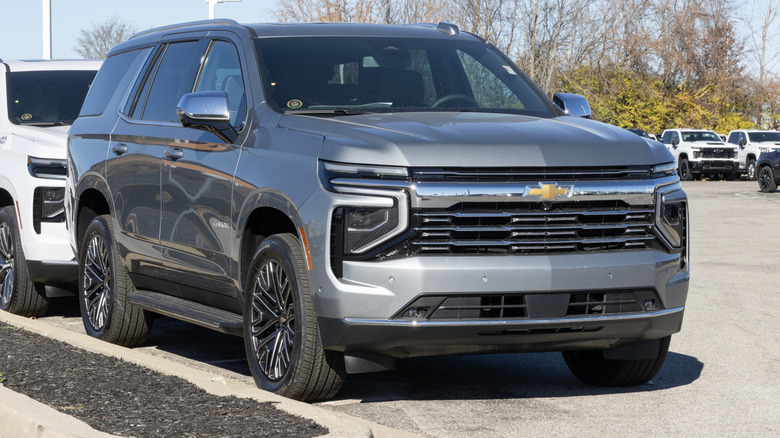
Outside the particularly troublesome model year of 2015, the Chevrolet Tahoe has maintained a pretty impressive track record in terms of reliability. The lack of trouble in this department is probably one of the reasons the Tahoe does so well for Chevrolet, and General Motors by extension, reporting over 110,000 unit sales in 2023.
That's not to say Tahoe's history is clean as a whistle; The 2023 model was part of a recall spanning nearly 600,000 General Motors vehicles due to manufacturing defects. However, the Tahoe's positives make it relatively easy to overlook that blemish. It has a 10-speed transmission, the suspension soaks up bumps in the road instead of rattling over them, and the infotainment system has a quick, responsive interface.
You'll want to know that issues with the infotainment system pop up in the 2025 model, though. The 2025 Tahoe was named on GMAuthority as one of the affected models suffering from the screen blacking out or suddenly losing audio.
Large Light Duty Pickup: Dodge Ram 1500
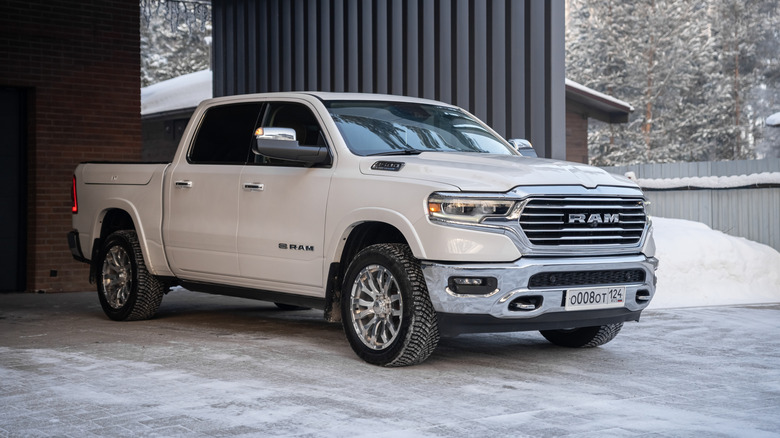
If you're on the market for a pickup, you generally want something that can haul a load around without breaking down for years on end. The Dodge Ram 1500 has historically never lacked for power, but even the best trucks sometimes struggle with reliability. To this end, we've compiled a list of Dodge Ram 1500 model years to avoid at all costs.
For the 2023 Dodge Ram specifically, there have been 10 NHTSA recalls, ranging from disfunctional displays to potential oil leaks. So, with such a troubled history, why then is the 2023 Dodge Ram 1500 viewed as reliable? We believe it's because of three things: the driving experience, the towing ability, and the tech packed into the interior.
The Dodge Ram comes with a coil spring rear suspension that translates to a smooth drive even when you're wading through tough country. Tow ratings stretch north of 11,000 pounds for both the V8 and diesel engine options. Infotainment-wise, smartphone compatibility and an optional 12-inch touchscreen, as well as a bevy of USB ports, await in the cabin.
Midsize Pickup: Toyota Tacoma
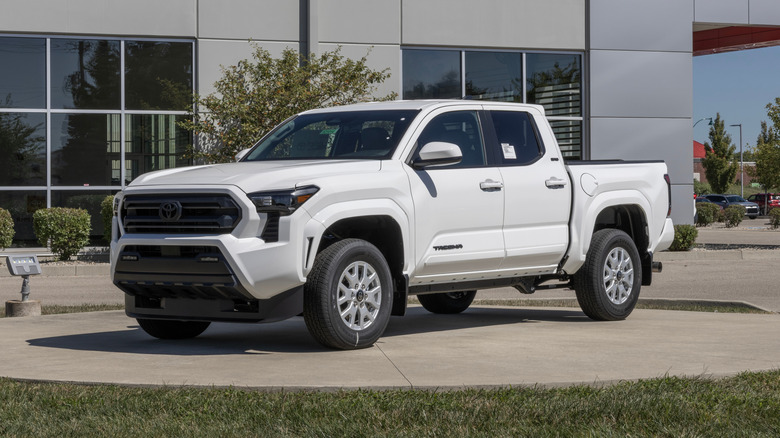
The Toyota Tacoma has come a long way from its days of troubled engines — the 2016 Tacoma, in particular, was plagued by a slew of problems. A decade has passed since then, and these issues have mostly abated.
That's where the 2023 Toyota Tacoma's dependability comes from; it suffers relatively few breakdowns. The model has been recalled four times by the NHTSA. Two were about the driver's airbag potentially not activating, while another reported a risk of axle shaft separation, causing the recall of nearly 400,000 units.
In terms of actual operation, the Tacoma plays the expected part of a workhorse. The tailgate opens low, so it's easy to load, and it has a 6,800-pound maximum tow capacity. Tech features are also a plus; The 2023 Tacoma gets Amazon Alexa in addition to the standard Android Auto and Apple CarPlay integration, and the built-in navigation system comes in handy if you're ever driving without reception. If that's not enough for you, there are a lot of OEM accessories available to upgrade your Tacoma, too.
Minivan: Toyota Sienna
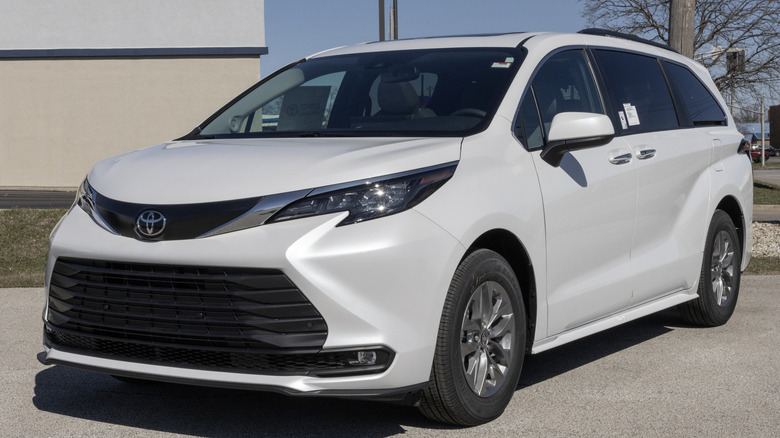
Toyota vehicles as a whole are typically reliable, and the Sienna has been living up to the billing since late in the third generation. According to CarComplaints.com, the number of issues experienced with Siennas dwindled from 37 in 2015 to just two in 2022.
That's a testament to the Sienna's newfound dependability, and the 2023 model continues the trend. Dependability here can stretch to include fuel economy; EPA estimates are pegged at 36 mpg combined, but Edmunds testing showed drivers can hit into the early 40s. Tech-wise, the touchscreen is quick to respond (you get the old-fashioned physical buttons as well), and there's Wi-Fi connectivity to boot.
It's not the quickest minivan out there — it takes 7.5 seconds to go from 0-60 mph, and that mark still hasn't changed in the latest 2026 model. However, it gets you from point A to point B on excellent gas mileage with minimal worries about malfunctions.