

5 Things You Should Never Do In A Rental Car
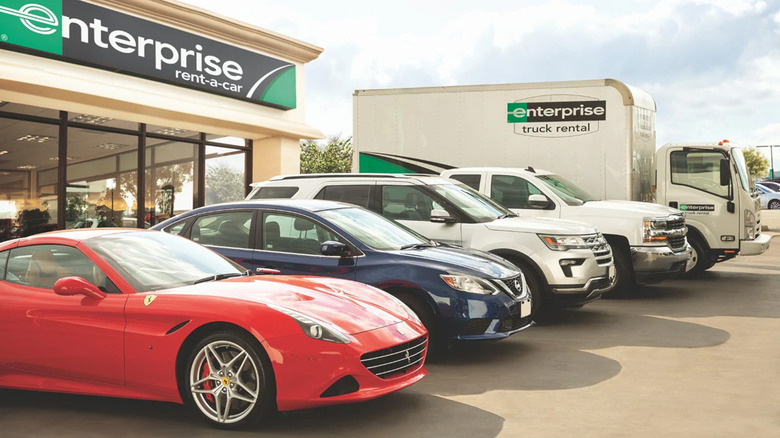
You may have heard the phrase "drive it like a rental" in movies, TV shows, and social media. The implication there is that people treat rental cars with more reckless abandon than they would their own vehicle, mostly because they didn't personally spend tens of thousands of dollars on it. While it is certainly a catchy phrase that would look good on-screen, it's not advice that anyone should actually follow in real life. In fact, doing so may end up costing you a ton of money on top of potential injury and other dangers, even if you otherwise take steps to get the best out of your rental.
Generally speaking, the best thing to do in a rental car is drive it like you would your own vehicle. Stop at stop lights, don't speed, and, of course, don't crash the car. However, rental cars do have some extra rules that you should know about before you get behind the wheel. Knowing what these rules are and how to navigate them can save you time, money, and frustration after you return the car to the rental agency. It can also keep you off of the company's "do not rent" list, which every rental car agency maintains to protect their fleet of vehicles from problematic drivers.
These rules are also widely universal, so it doesn't matter which rental agency you choose; they'll be almost exactly the same no matter who you're renting from. The path off of the "do not rent" list can be time consuming process, and depending on what happened in the rental, impossible for some folks. It's much easier to avoid getting on there to begin with.
Smoke (or vape)

Keeping the car clean is paramount when renting one. Every major rental agency has a list of things you should be sure to clean out of your rental before returning the vehicle, such as pet hair, fast food wrappers, and any liquid spills that take place. Not adhering to this rule can result in aggressive cleaning fees that can span into the hundreds of dollars, even for relatively minor infractions. These will differ depending on the rental company, but none of them really give drivers a deal on these costs.
For smokers, every rental car agency has a mandatory cleaning fee, most often at around $450. That means if you light up in the car even one time and they find out about it, you're $450 poorer and there's nothing you can do about it. In fact, if you get a rental car that already smells like smoke, you should report to the agency before taking the car so you don't get charged for someone else's bad habit. The agency usually provides you with a different vehicle, which means you won't sit in cigarette smell over the course of your rental.
The same thing applies to people who vape; every agency we checked have amended their no-smoking policies to include vaping, which is subject to the same flat cleaning fee as cigarette smoke. Agencies recommend stopping and stepping out of the vehicle to smoke or vape to avoid getting it in the car. It's honestly better to just not smoke at all to avoid the problem entirely.
Forget to gas it up
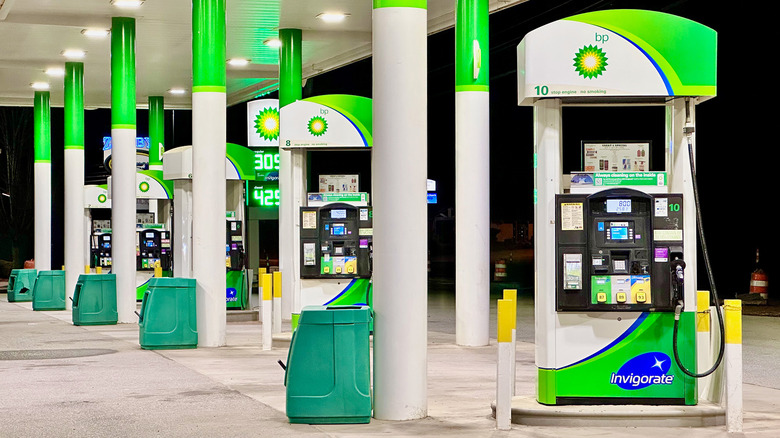
Most rental agency contracts require you to gas up your car before returning. This isn't anything new, as most rental places do that; I once worked at a U-Haul location that required renters to gas it up to the precise amount it had before the rental and would charge the customer if they didn't. Car rentals are largely the same way, and typically only require you to fill the tank to the level it was when you picked it up. In other words, if you get the car and it has half a tank, it needs to have half a tank when it comes back.
Not doing this can result in some pretty steep fees, depending on how much gas the rental agency has to put into the car after you return it. Companies are pretty open about how they refuel vehicles, and they charge a rate greater than what you would've paid at the pump. Enterprise puts it right in its policy, stating that people who don't fuel up "will be charged the local Enterprise rate which is typically above the local pump price."
Rates tend to bounce around since fuel prices often do, but there are reports out there of people being charged upwards of $10 per gallon. Assuming a national average of around $3.30, that would be $6.70 of profit per gallon for the rental agency if they have to refuel your vehicle. It's not worth the hassle, so be sure to gas it back up before you bring the car back. While you're there, make sure you follow proper gas station etiquette to respect your fellow drivers.
Not looking for alternatives to toll roads
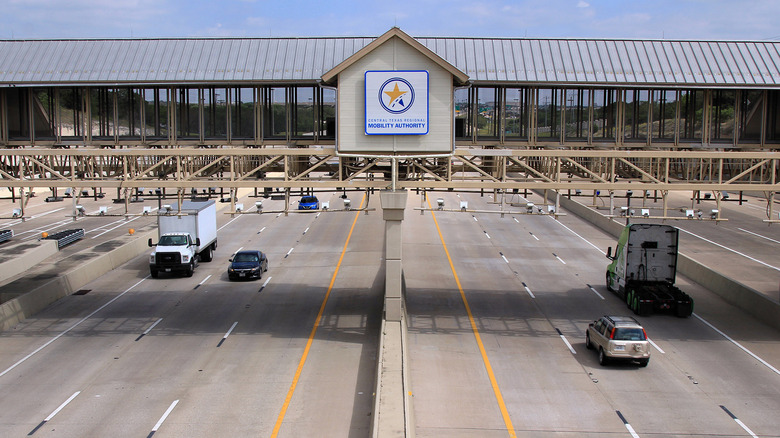
For regular drivers, toll roads are pretty simple. You drive on them, pay the toll, and that's that. Modern ones don't even require you to stop; some allow the use of a transponder or sensor that can be read as they pass, while drivers without one of those devices typically get their license plates recorded and charged via mail, usually with administrative fees. Car rental agencies do something similar, but additional charges can really add up.
Rental agencies usually handle tolls in two ways. One is to charge the driver a flat rate plan for tolls each day regardless of whether or not they use any toll roads, with a maximum fee per month. The Avis e-Toll system and the Enterprise TollPass system both work in this manner, with daily and monthly fees varying. The other way is to let the driver do whatever they want and charge them after the fact, with applicable administration fees, that can go much higher than the passes do.
The best course of action is to use your navigation app to avoid toll roads if at all possible, so you don't end up having to pay these extra charges. People who frequently drive through tolls and have their own transponder can also bring them and mount them in the rental car. This is allowed by rental agencies, and then all you have to do is pay for tolls like you would in a personal vehicle.
Let someone else drive
This one can be a little tricky if you don't know the rules. Let's say you go on a road trip with someone else and you take turns driving. If you let your friend or partner drive and they wreck the car without being insured, you will be in a world of hurt. The reason why is because insurance policies range from one insurer to the next. While some insurance plans cover the car being driven, others only cover the driver on the policy. Thus, it is exceptionally important to read the paperwork and get clarification before letting another person drive your rental.
This can go two ways. Many personal car insurance companies have rental car provisions, thereby letting you ditch the rental agency insurance for your own policy. In nearly all cases, personal car insurance follows the car and not the driver; as long as the car is insured, you can lend the vehicle out. This is known as "permissive use". However, if you get rental agency insurance, that usually follows the driver and not the car, so you'll need to list all authorized drivers on the rental agreement for them to be covered.
This can differ between insurers and rental agencies. To be safe, make sure to check the paperwork and ask about your agency's policies while booking your rental car if more than one person will be driving it. Similarly, it's not a bad idea to reach out to your personal insurance company to see if they cover rentals and whether or not your policy allows permissive use for other drivers.
Damage the car (even with insurance)
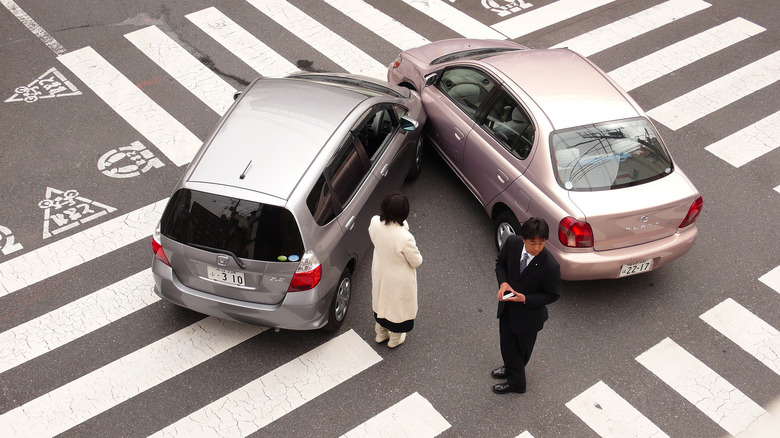
Car accidents are no fun, but they do happen. They can cause damage to automobiles as well as injuries to drivers and passengers. Whenever a collision happens, one of the first things that the police (and insurance companies) do is figure out who to blame for the incident. If it's you, then you're on the hook for the liability. Usually, in a personal vehicle, this is why you have car insurance. However, if your policy doesn't cover a rental and you didn't get insurance from your rental agency, you're in a lot of trouble financially.
The reason for this is because rental companies are not shy about vehicle repair fees. Not only will they pay to get the car fixed, but they'll charge you a premium versus the actual cost, making the collision even more expensive. This is mitigated with insurance of some sort; since accidents happen, it's one of those situations where it's better to have it and not need it than vice-versa. So, make sure your personal insurance covers rentals, or really consider getting insurance from the rental agency.
Of course, it's definitely better to simply not crash the car at all, so it's always important to avoid unsafe driving habits. Don't look at your smartphone, always use your turn signals, obey the speed limit, don't drive impaired, and if you're too tired, stop and rest. This especially true when driving in wet or wintry conditions, as it's even easier to end up in a situation you weren't prepared for. The best way to avoid paying for damage is not incur any in the first place, and safe driving is the most reliable way to do that.