

5 High-Quality Phones You Can Get That Aren't An iPhone
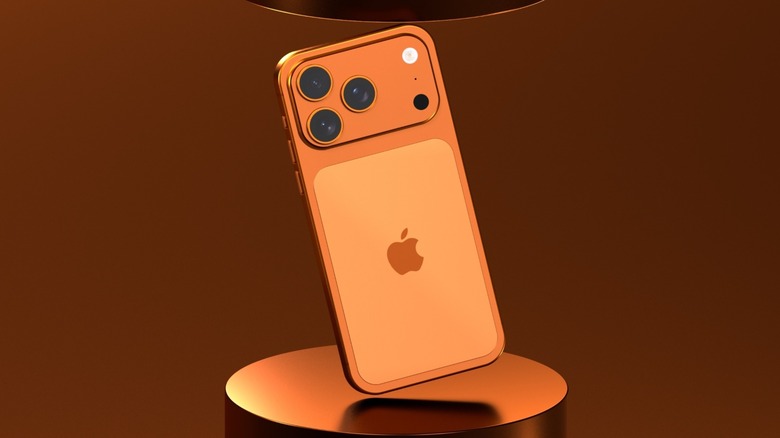
There is fierce competition for smartphones at every price point, but the iPhone is the easiest to recommend to those who want an all-around premium experience. Sure, it might not be the best bang for your buck when you start comparing specifications, but buying an iPhone assures you of an experience that excels in terms of performance, camera quality, and ecosystem perks.
If you aren't already deeply engrossed in Apple's ecosystem with accessories like AirPods, Apple Watch, or AirTags, it's going to be much simpler to look for alternatives. Furthermore, iOS hasn't been as flawless or smooth in recent years, so moving to Android might actually be a good idea. The problem persists — with so many phones available to pick from, which Android smartphone will end up matching the quality that the iPhone offers?
Turns out, upper mid-range and premium-grade flagships from Samsung, Google, and other brands are more than capable contenders. As for which factors make a phone high in quality, we figured that a worthy alternative to the iPhone must be premiumly built, sport class-leading cameras, and deliver solid performance. We used the current-generation iPhone 17 Pro which starts at $1,099, as our point of comparison. It uses the best components Apple has to offer. You can find out more about our methodology at the end of this read.
Samsung Galaxy S25 Ultra
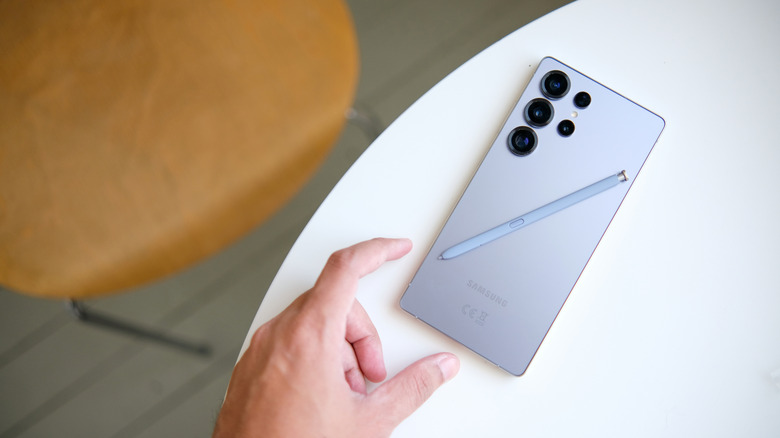
Samsung's Galaxy S range of phones has long been considered the perfect alternative to the iPhone. Despite Google being the actual maker of Android, it is Samsung's smartphones that end up being the face of Android for general consumers. The $1,299 Galaxy S25 Ultra is the most beefed-up smartphone that the company sells, and it directly rivals the Pro Max variant of the iPhone.
It's powered by the Snapdragon 8 Elite chip and can be decked out with up to 16 GB of RAM and 1 TB of storage. At 6.9 inches, it is a mammoth of a device, featuring a 120 Hz AMOLED panel. The S25 Ultra has a similar anti-reflective display that's found on the iPhone 17, which helps a lot with readability under harsh lighting.
As for build materials, the phone has Gorilla Glass protection on the front and the back, and uses titanium in its frame. Titanium is stronger and lighter than aluminum, but isn't as effective when it comes to thermal conductivity or price. On paper, however, the S25 Ultra's titanium is technically more premium than the iPhone 17's aluminum.
In our review of the Galaxy S25 Ultra, we were also impressed by its quad-camera setup. If you're considering buying a Samsung device, it's worth noting that the Galaxy S26 lineup is right around the corner. You can expect the rumored Galaxy S26 Ultra to carry the same premiumness as its predecessor — just with updated internals and a sprinkle of polish.
Google Pixel 10 Pro
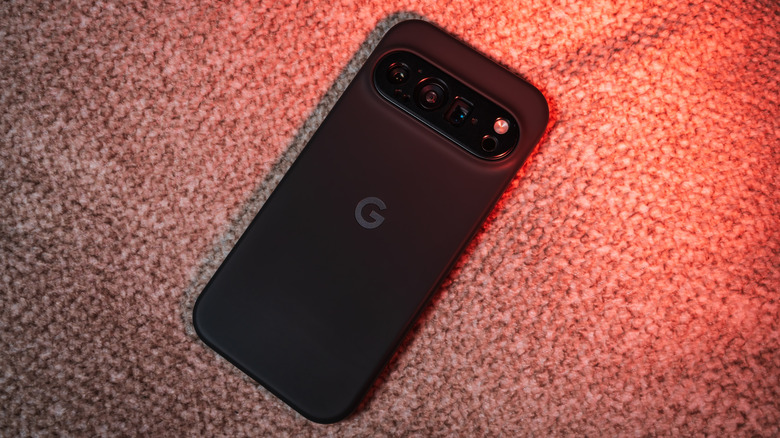
Though Samsung phones are often what are recommended as iPhone alternatives, the Google Pixel series makes for a fairer comparison. You get day-one software updates and get to experience Android in its pure, unaltered form. Pixel phones have also garnered a positive reputation over the years by offering some of the most useful features, like call screening, or the object eraser tool. If you're going the Pixel route, the sense of premiumness comes more so from its software experience than the hardware.
That said, the Pixel 10 Pro is a well-built device. Like most phones at this price point, it has a glass sandwich build and is protected on both sides by Gorilla Glass Victus 2. On the front is a 6.3-inch OLED 120Hz display, with a frosted glass finish on the back. The phone is wrapped in an aluminum frame for structural integrity. The Pixel 10 Pro's camera visor design has become quite iconic, where it houses a well-regarded triple-camera setup.
Internally, it is powered by the Tensor G5 chip, which is Google's in-house silicon. It is noticeably behind Snapdragon's or Apple's latest mobile processors, though. So, if price to performance is a top priority, you can find better value with other gaming-centric devices. The Pixel 10 Pro starts at $999 for the 128GB model, but also comes in an XL variant that starts at $1,199. We were overall impressed by the phone's hardware choices in our review of the Pixel 10 Pro.
OnePlus 15
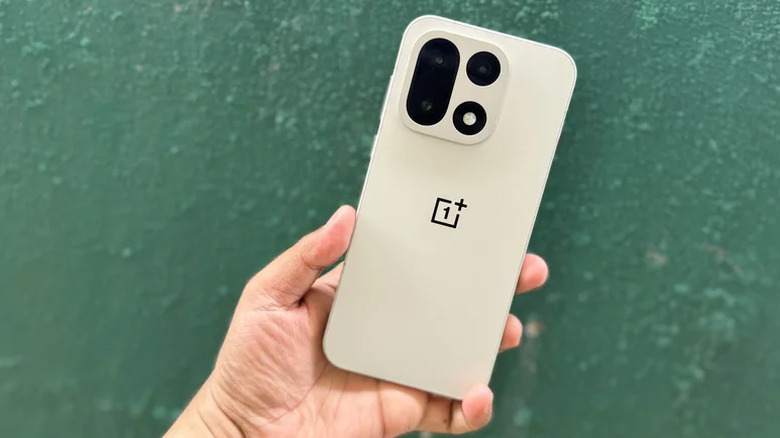
iPhones are some of the costliest phones available, and while you could justify their prices by looking at how long they are supported by Apple, there are phones available for less that offer comparable, if not better, hardware. The OnePlus 15 is priced at $899, undercutting the iPhone 17 Pro, while packing in industry-leading specifications. The device is powered by the latest Snapdragon 8 Elite Gen 5 SoC, and comes with 12GB of RAM and 256GB of storage.
We highlighted in our OnePlus 15 review how the device boasts a ceramic-grade coating that is electrochemically deposited on the frame, giving it better durability than both aluminum and titanium frames. The rest of the device is flat with rounded corners and features an IP69K rating. Material-wise, the OnePlus 15 is a proper flagship with no corners cut. Its main selling point, however, is its display.
The device has a 6.78-inch AMOLED display with a 120 Hz refresh rate — but it can push up to 165 Hz in supported games. This makes the OnePlus 15 one of the very few flagships with a "regular" premium design that has an edge in gaming performance. It runs OxygenOS 16, which is one of the more feature-packed flavors of Android. The phone is backed by a mammoth 7,300 mAh battery that can be fast-charged up to 100W with a cable or up to 50W wirelessly. You get triple 50-megapixel sensors at the rear, which produce overall decent-looking images.
Samsung Galaxy Z Fold 7
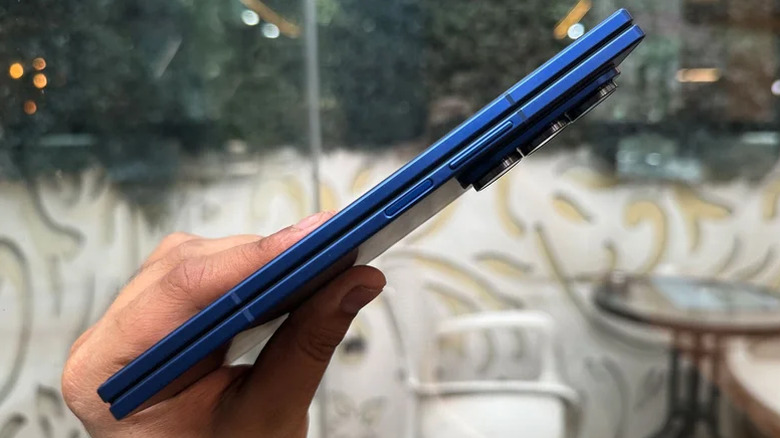
Rumors suggest we might finally see a foldable iPhone in 2026 — but if you need one right now, you really can't top Samsung's seventh-generation foldable. Both the Galaxy Z Fold 7 and Z Flip 7 come with durable, premium builds that have been refined over the years. The 6.5-inch display of the Galaxy Z Fold 7 makes it perfectly usable even when folded. In fact, it's barely thicker than the iPhone 17 Pro Max (8.9 vs. 8.8 millimeters). When unfolded, the display spans eight inches. Both displays are AMOLED and refresh at 120 Hz.
The Galaxy Z Fold 7 uses Gorilla Glass protection for the cover display and its back panel. The foldable screen uses plastic, and the frame going all around the device is made out of aluminum. Despite how thin it is when unfolded, we found the build quality to be solid in our review of the Galaxy Z Fold 7. It also comes in a punchy blue colorway — and you might as well pick it since nothing else about this phone screams normal.
The phone is powered by the Snapdragon 8 Elite SoC and starts at a whopping $2,000 for the base configuration, which has 12GB of RAM and 256GB of storage. The phone runs One UI 8, matching Google's and Apple's excellent software support cycle of seven years. It comes with a triple camera setup on the rear, which you can also use as front-facing sensors with the cover display unfolded.
Samsung Galaxy S25
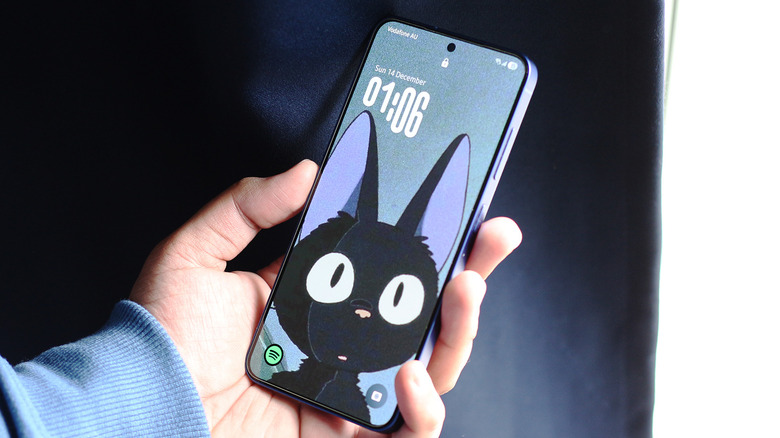
If you've used or owned an iPhone 12 or 13 mini in the past and loved its footprint, there are unfortunately no direct upgrade options in Apple's current lineup. As convenient as small phones are, they unfortunately don't find great success in terms of pure sales, and eventually end up being discontinued, like the iPhone mini. If you do like smaller form factors, then the Galaxy S25 is comparatively more compact than other phones in the premium segment. It features a 6.2-inch 120 Hz AMOLED display that's protected by Gorilla Glass Victus 2.
Under the hood, it uses the same Snapdragon 8 Elite SoC as its expensive and bigger sibling, the Galaxy S25 Ultra. The base model costs $799 and comes with 12GB of RAM and 128GB of storage space. You get a triple camera setup, with support for 8K video recording. Unlike the Galaxy S25 Ultra, which uses a titanium frame, the standard Galaxy S25 uses a color-matched aluminum rail. Unfortunately, it also skips the anti-reflective coating found on the S25 Ultra.
It does get the same excellent software with One UI 8, which is packed with useful features and AI utilities that actually make a difference. There is a smaller 4,000 mAh battery inside, although GSMArena's review yielded respectable test results. If you're looking for an all-around premium experience but dislike handling giant phones, the Galaxy S25 is a great buy.
How we picked these smartphones
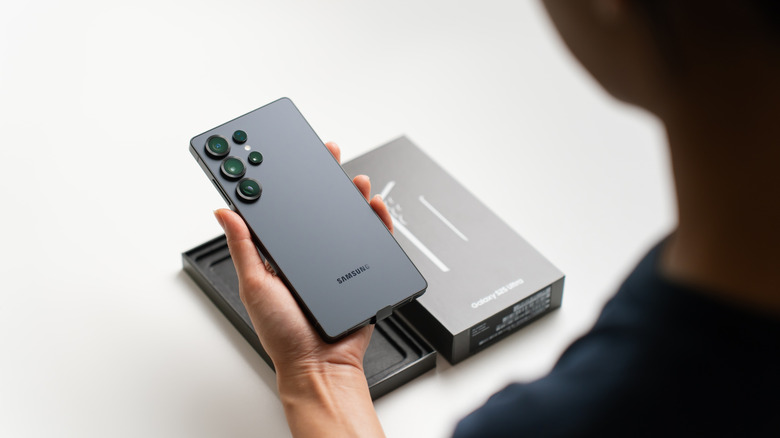
The definition of high quality is subjective — but it does suggest a certain level of baseline finish. All the phones we've picked for this list use high-end materials like glass, aluminum, and titanium, which give off a premium feel in the hand. Good material choice isn't enough, which is why our mentions also come with flagship-grade internals, beautiful displays, and well-supported software. All of these are factors that the latest iPhones offer, too.
We also made sure to refer to our in-house reviews, where we examine devices in great detail. Pricing-wise, there's a healthy mix. The $2,000 Galaxy Z Fold 7 will offer you an experience like no other phone, while the $900 OnePlus 15 cuts virtually no corners while offering industry-leading performance and battery life. Fans of a clean software experience will thoroughly enjoy the Pixel 10 Pro, and those looking for a compact flagship will appreciate the regular Galaxy S25.