

RIP Volvo V60 Cross Country, You Were More Than We Deserved
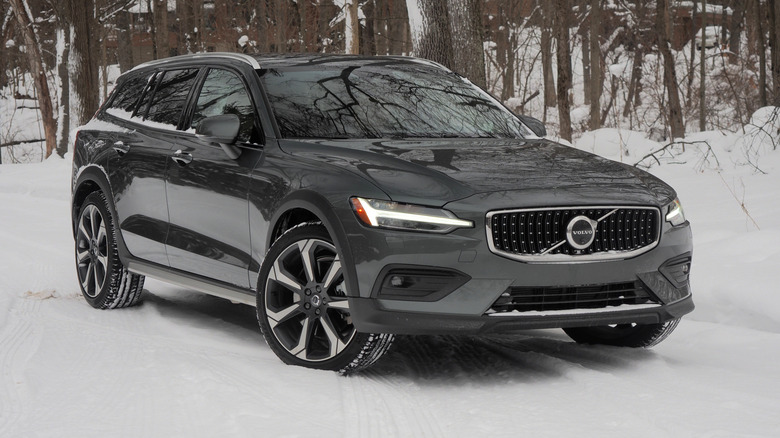
Sometimes, the universe goes heavy on the irony. A day after this 2026 Volvo V60 Cross Country was collected from my driveway, the automaker closed the U.S. order books on the model altogether. Its self-imposed sales deadline came on the heels of years of slumping American demand for wagons generally; when production ceases in April 2026, it'll leave Volvo's line-up here entirely comprised of SUVs and crossovers.
In 2025, Volvo sold just shy of 4,000 examples of the V60 Cross Country in the U.S. That's actually double the number sold the previous year, which sounds fantastic until you realize the automaker sold more than 5,000 of the XC60 SUV in December alone. The larger V90 Cross Country, discontinued globally in September 2025, saw just 744 sales in the U.S. last year.
 Chris Davies/SlashGear
Volvo will continue to build the V60 wagon for other markets, but "our customers in the U.S. overwhelmingly prefer SUVs," the automaker pointed out in December. I can't dispute that. All the same, after a week in the Cross Country's company, I couldn't help but feel sad about what we're losing.
Channeling my best Swedish spirit
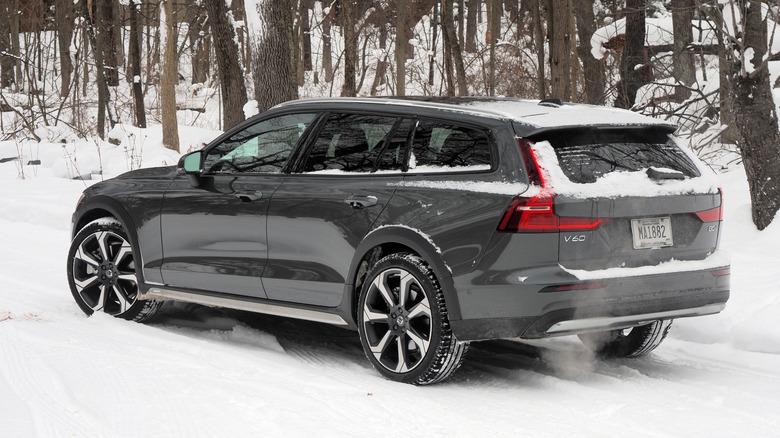
It was, in the grander scheme of Volvo wagon testing, a fitting week for it. Winter in the Midwest already calls for layers and snow boots; the intense storm that pounded so much of North America in late January added temperatures well below sub-zero, historic outliers even by Michigan standards.
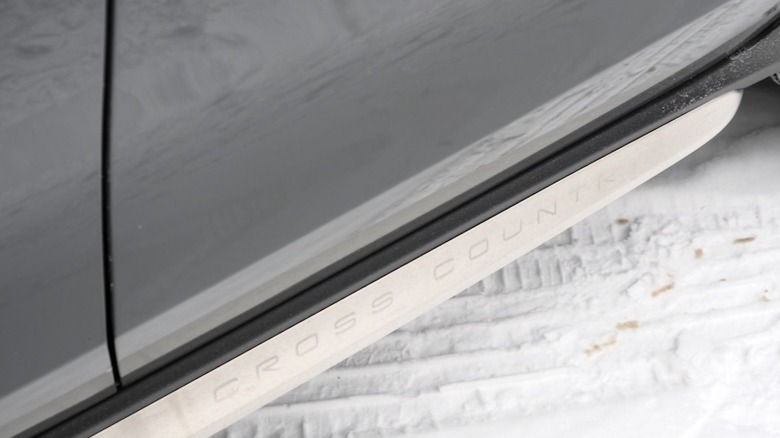
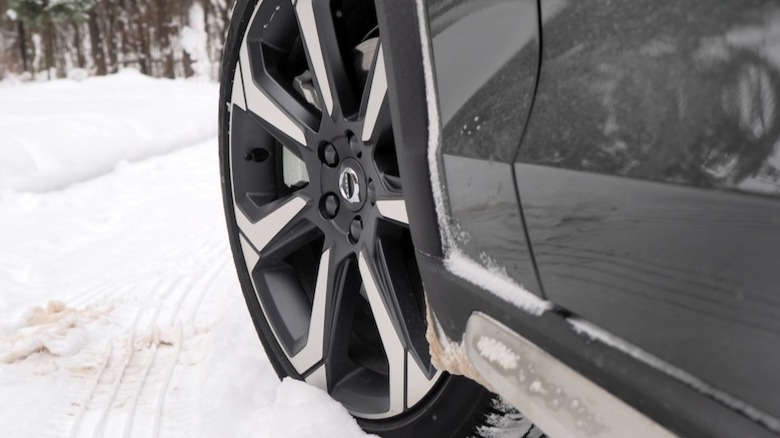
All conditions the Cross Country was arguably designed for. The nameplate preceded the heights of the SUV craze, first appearing on the V70 in 1997: it stood — then and now — for a small-but-useful increase in ride height, standard all-wheel drive, and chunkier bumpers and side sills. A nod to off-roading, but with Swedish rationality in understanding that most drivers would be perfectly well suited with just a little more capability.
 Chris Davies/SlashGear
Where the rest of Volvo's range is skewing all-electric, this 2026 V60 Cross Country feels like a throwback. Starting at $53,595 (including $1,195 destination) it comes in a single drivetrain configuration: a mild-hybrid 2.0-liter turbocharged inline-four with 247 horsepower and 258 lb-ft of torque.
 Chris Davies/SlashGear
Paired with an eight-speed automatic and mechanical all-wheel drive, Volvo says the V60 Cross Country will do 0-60 mph in 6.6 seconds. It'll tow up to 2,000 pounds and shoulder up to 165 pounds on its standard-fit roof rails.
Practicality above everything
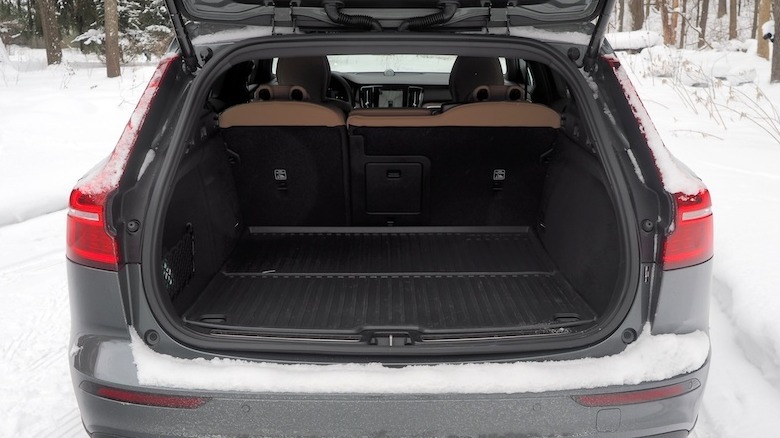
An XC60 — which offers the same drivetrain — bests it on all three metrics, clocking in at 6.5s 0-60, 3,500 pounds of towing, and 220 pounds on the roof (though, because the wagon is six inches lower than an XC60, the Cross Country's rails are somewhat easier to reach). The V60's 50.5 cu-ft of cargo space with all five seats in play is more than double that of the SUV's, mind.
 Chris Davies/SlashGear
Out in the snow and ice, the V60 Cross Country on all-seasons handled itself well. Only a few particularly low-traction patches left me hankering for true winter tires. The 8.1 inches of ground clearance fall just a few fractions of an inch behind that of the XC60, and yet you don't have the loftier driving position of the SUV.
 Chris Davies/SlashGear
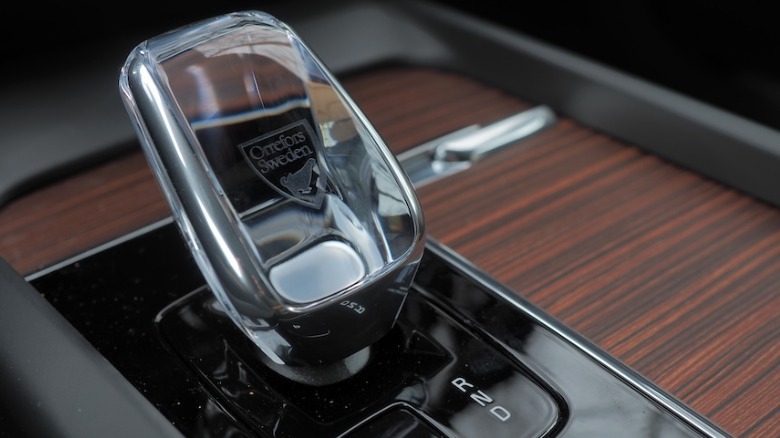
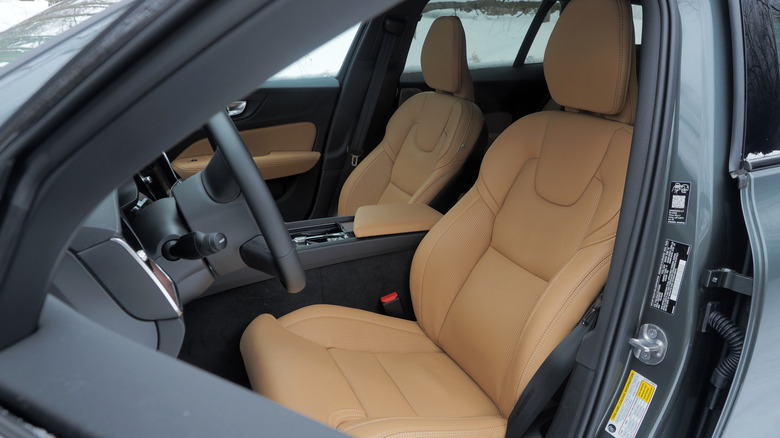
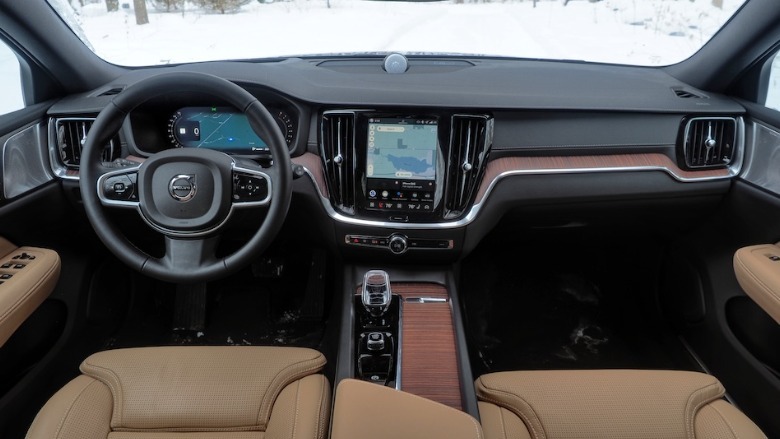
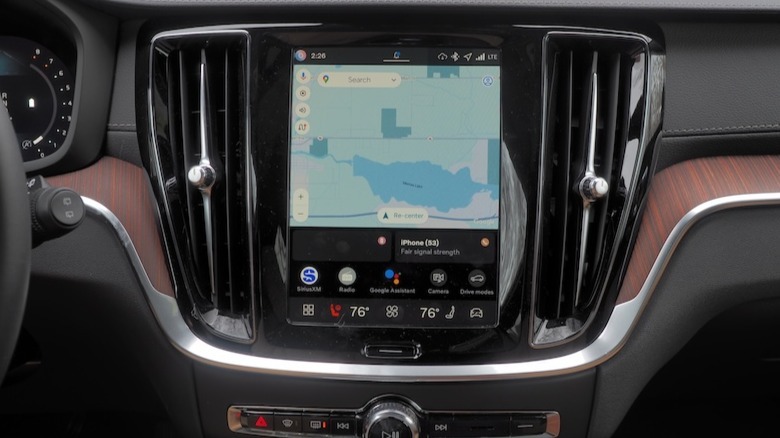
Instead, the Cross Country feels hunkered-down, snug, and deeply special. The magic of this generation of Volvo was that its ubiquitous cabin aesthetic meant even lower-priced cars enjoyed the niceties of its most expensive models. Only the size of the center touchscreen, looking compact compared to the dash-dominating panels of more modern vehicles, betrays its 2018 debut.
The wagon writing has long been on the wall
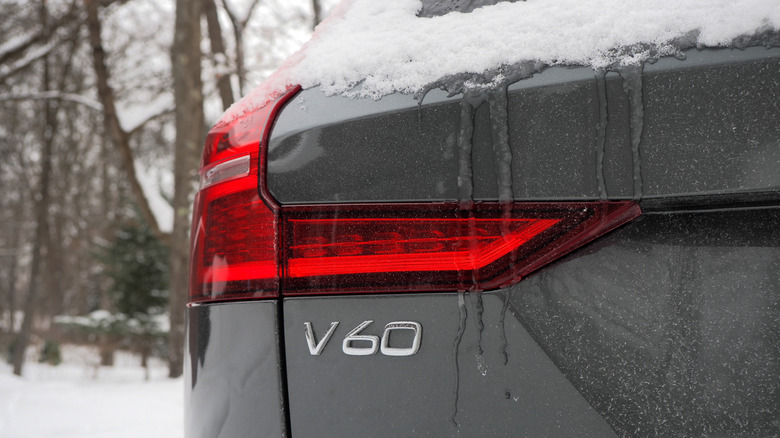
There's a sense of inevitability about the V60 Cross Country's decline, as frustrating as it is understandable. A case of dreary sales making updates less of a priority — why task your engineers with adding wireless Apple CarPlay and Android Auto, for instance, on a model so few people are buying? — and a tiny audience boxing out Volvo's more entertaining drivetrains.
 Chris Davies/SlashGear
A plug-in hybrid Cross Country, with the same 455-horsepower gas-electric system as in the XC60 T8, sounds like it would be great fun. Problem is, it'd also be even more expensive than the not-exactly-cheap B5 version that drivers weren't exactly lining up to buy. A fully electric V60? Even with Volvo's unabashed love for wagons, it can hardly be high on the roadmap.
 Chris Davies/SlashGear
And so the V60 Cross Country languished, not a bad car but an odd one. Straddling two categories can make a lot of sense, but only if they're two categories that people are shopping for, and clearly that's not the case here.
Here's hoping it's au revoir
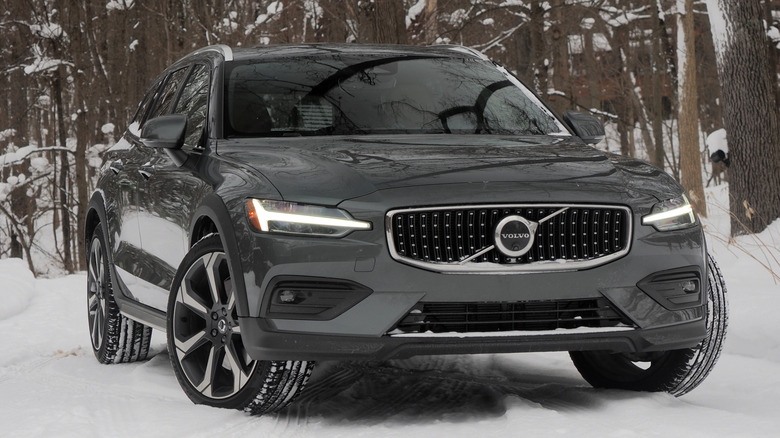
It feels faintly ridiculous to be preaching the merits of a car that you can no longer order, even if Volvo says it expects to have some lingering U.S. inventory for a few months yet. You could also accuse me of being a hypocrite, since it's not like there's a Cross Country in my own garage (sorry, Volvo, one of us was ready for an all-electric wagon, and it wasn't you).
In the end, I can't fault Volvo's logic, even if it saddens me. Heritage is charming, but it seldom puts money in the bank. Not like an SUV does, anyway, or in the way the automaker expects the upcoming electric EX60 will.
 Chris Davies/SlashGear
There's a glimmer of hope, though. The EX60 debuts Volvo's SPA3 platform, a new architecture apparently flexible enough for EVs bigger than an EX90 and smaller than an EX30, not to mention cheaper to develop and build. Just the sort of platform you might want if, one day, the time seemed right for a little electric wagon action: a nice, niche treat for those with plenty of patience.