

13 Cars Coming Soon That Could Cost You More Than You Think
Upcoming vehicles often attract attention well before launch. That's because the steady stream of teasers, spy shots, and even early spec sheets makes that interest unavoidable. So, it's equally easy to assume pricing will also land somewhere around what the automaker casually hints at. But the reality is that the next wave of rides coming out this year and even the next is likely to come with higher-than-expected pricing, whether it's a new EV or a high-performance machine.
Most of the time, it's the same trend. Base prices sound reasonable at first, but then balloon fast the moment you start factoring in trims, tariffs, performance upgrades, and all that "optional" stuff most buyers would actually want. For this list, manufacturer releases and early pricing sheets were stacked up against past launches to spot those triggers. That comparison made it clear how often prices spike once these cars finally roll out. So before you fall hard for the next big release, it's worth knowing which ones are most likely to stretch your budget more than you expect.
2027 Kia Telluride
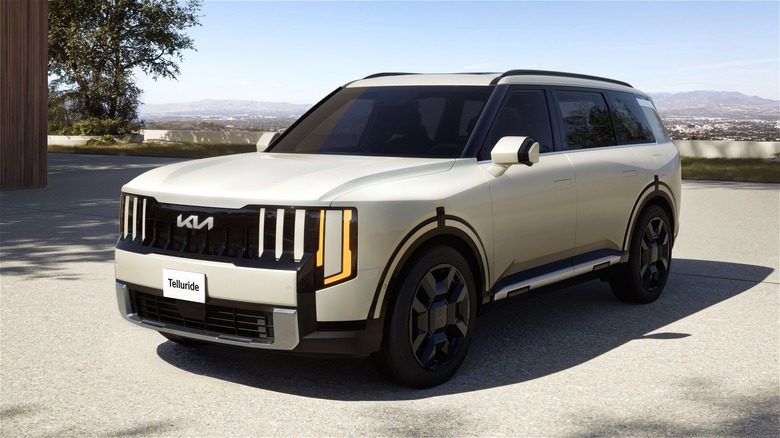
After moving around 120,000 units in 2025 alone, the next Kia Telluride is expected to roll out early this year as a second-gen model. Instead of just a quick refresh, Kia skipped the 2026 Telluride for a 2027 model with a full overhaul, marking its first big change since debuting in 2019. Unlike previous models, this new one is projected to be stretched out a little more in wheelbase and overall length. This means more passenger space and a bigger cargo area. Inside, you should expect upgraded features like larger screens and more standard driver aids, even on base trims.
Under the hood this time around, you'll be getting a new 2.5-liter turbo four-cylinder that's projected to pump out around 274 horsepower when hooked to an eight-speed auto. Plus, for the very first time, there is expected to be a hybrid option. It is also expected to be based on that same 2.5-liter turbo, paired with electric assistance for a combined 329 horsepower and 339 lb-ft, running through a six-speed automatic. Early estimates expect pricing to kick off around $39,190 (excluding the $1,545 destination fee) for base models. Fully loaded hybrid trims are expected to exceed $56,790.
2026 BMW i3
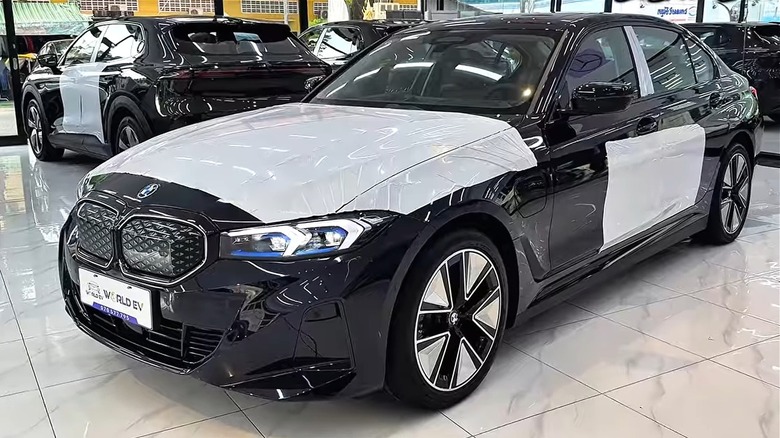
Next is the 2026 BMW i3, aka NA0 internally. This fresh all-electric sedan is expected to ride on BMW's brand-new Neue Klasse platform with an 800-volt architecture. That setup is projected to support charging speeds of about 400 kW. This implies it could add roughly 220 miles of range in about 10 minutes. It is expected to run on a 108.7 kWh battery pack, along with BMW's new round cells designed to squeeze in more energy and charge faster. The lineup is also slated to launch in RWD form, with AWD available on higher trims like the i3 40 xDrive.
On the outside, expect something sleek, likely featuring aero panels, thin LEDs, and BMW's classic Hofmeister kink. Inside, things are expected to step up a level, with a large, voice-friendly 17.9-inch touchscreen running the new iDrive X system. You might also get a clean steering wheel with haptic controls, along with Panoramic Vision and a 3D HUD to surface key driving info. It is also likely to come with a NACS port, making it easier to use Tesla Superchargers. If production starts as planned this summer, it could hit U.S. roads by 2027, with a base price likely hovering around $55,000.
2026 Chevrolet Corvette SUV
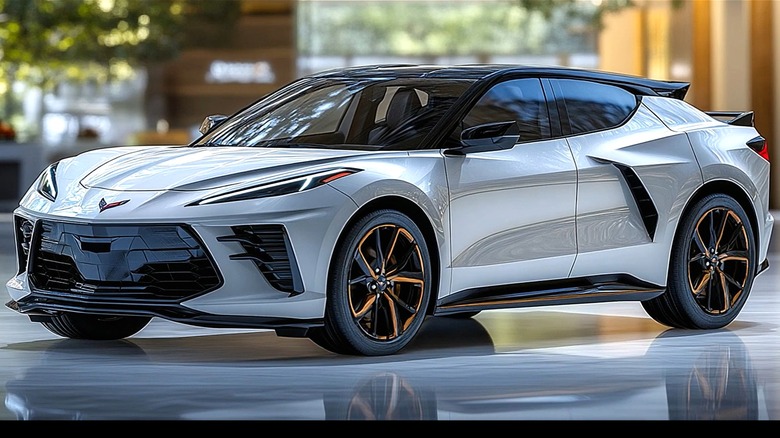
Make sure you keep an eye on your budget for the 2026, or more likely 2027, Chevrolet Corvette SUV. That's because Chevy plans to go fully electric with this one, riding on the BEV Prime setup in a sleek unibody CUV form instead of anything truck-like. In terms of size, think of something closer to a Lamborghini Urus.
For power, it's expected to use up to a hefty 200-kWh Ultium battery, which then feeds power to all four wheels through dual motors, with a possible tri-motor setup for serious kick. It's also expected to seat up to five across two rows and pack features like dual-speed gearboxes, high-efficiency inverters, and advanced all-wheel steering that can switch modes for sharper handling.
If the Corvette gets the green light to roll out sometime this year, it is projected to stretch past 400 miles on a full charge. And when it's time to plug in, a quick stop at the charger is expected to support charging speeds of about 350 kW. In terms of pricing, base versions might seem reasonable, but top-spec trims loaded with power and tech are expected to land between $75,000 and $100,000.
2026 Toyota GR GT3
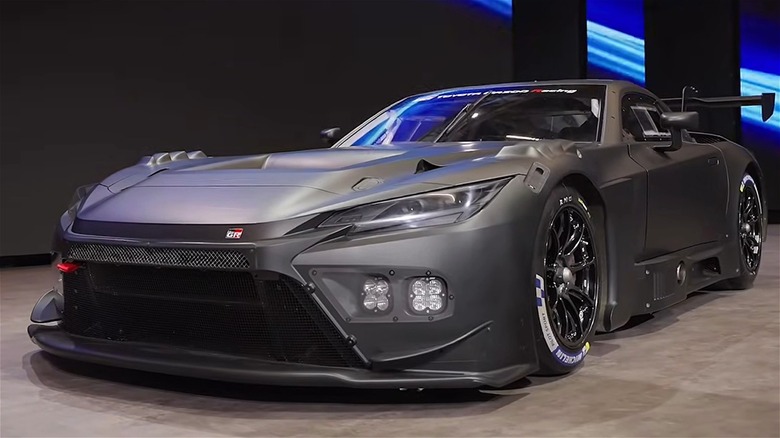
Let's talk about the 2026 Toyota GR GT3, because Toyota made a statement when it pulled the covers off the prototype back in December last year. Even though it shared the spotlight with its sibling, the GR GT, they both have different targets. The GR GT is projected to lean more toward the street, while the GT3 is locked in on the racetrack. As Gazoo Racing's flagship race car, that focus was evident in its aggressive aero designed for battling in series like the World Endurance Championship.
It's expected to run a front-mounted 4.0-liter twin-turbo V8 with RWD, built around Toyota's new aluminum frame that keeps weight down and the center of gravity low. As for final horsepower and torque numbers, those are still being finalized, but expect something seriously potent from the 3,998cc setup. And with production ramping up, Toyota is targeting a 2027 rollout. In terms of pricing, there's really nothing solid yet. However, the GR GT is projected to land around the $225,000 mark and well below the old LFA's $375,000 starting point.
2026 Hyundai Vision 74
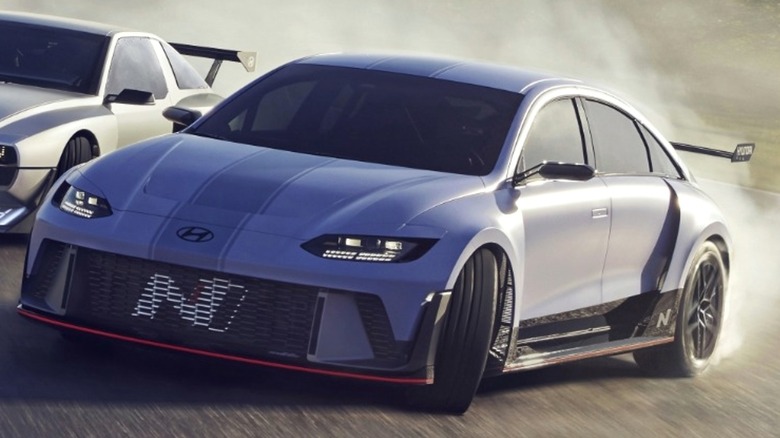
Next up is the 2026 Hyundai N Vision 74. This stunning machine pulls its retro-futuristic looks straight from the 1974 Giugiaro Pony Coupe concept that never made it to showrooms back in the day. So after years of speculation, Hyundai finally greenlit a super-exclusive build of around 200 units. Now, things are projected to get underway sometime this year under the N performance banner.
Power is expected to come from a hydrogen fuel system weighing 4.2 kg, held in two tanks with an 85 to 95 kW fuel-cell stack. That system is then paired with a 62.4 kWh battery for added punch, which in turn should help the twin rear electric motors crank out about 671 hp. Thanks to its 800-volt architecture, it is possible to restore a significant portion of the battery in about 300 seconds. Altogether, it is expected to cover more than 372 miles and top out at 155 mph, managed by Hyundai's integrated vehicle control systems. In terms of pricing, word is it is likely to start around $205,000 and could climb all the way to $343,000.
2026 Genesis GV90
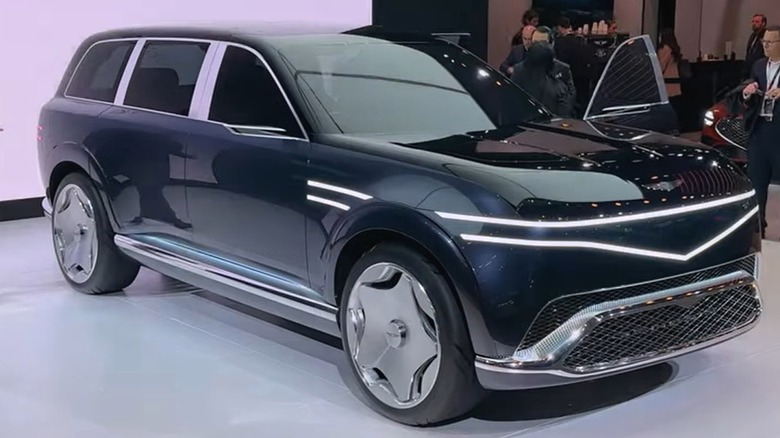
One of those cars hitting the scene later this year or early next year, which could sneak up on your budget, is the 2026 Genesis GV90. Hyundai's Genesis has planned to roll out its most luxurious and jumbo electric SUV ever since its launch back in 2009. And it's going to be a massive three-row ride loaded with high-end touches and design cues inspired by the Neolun concept.
The whole thing sits on the fresh eM platform with 800-volt tech and a huge battery estimated at around 99.8 kWh. This means after you've filled it up at a 350 kW station, it should be able to go more than 300 miles, powered by dual electric motors driving all four wheels. You'd also get plush features like adaptive air suspension with multiple chambers, a Bang & Olufsen audio system, ADAS, and even little luxuries like customizable ambient mood settings.
Genesis pegs the base model around $92,700 (before delivery charges), even though builds are expected to begin until mid-2026. But the thing is, once you dive into higher trims or extra lux options, those prices should push closer to $106,000.
2026 Porsche Cayenne EV
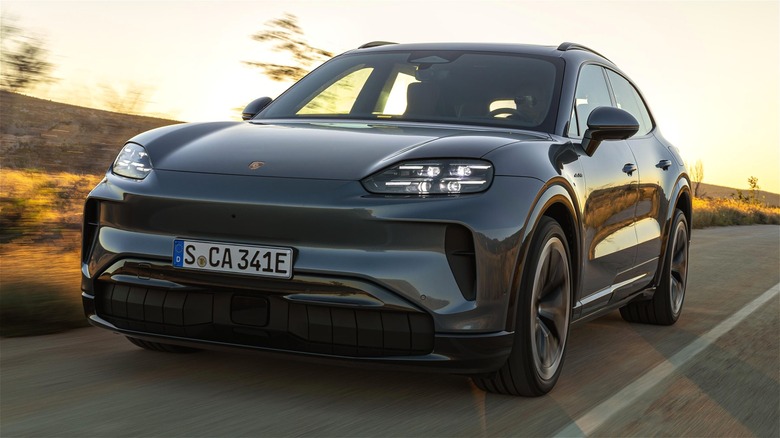
With the impressive power the 2026 Porsche Cayenne Electric is packing, it is expected to become the strongest production SUV in Porsche's history when it hits driveways before fall this year. It will be rolling out in two flavors with possibly about 13 exterior color choices to pick from. The base Cayenne Electric is expected to kick off at $111,350 including the $2,350 destination fee, while the Turbo Electric tops out at $165,350.
On the base model, you'd get around 435 horsepower and a 143 mph max speed when you hit launch control. Stepping up to the Turbo, you'll be looking at 844 hp in standard operation. And if that's not enough, you can rocket to a stunning 1,139 hp at a top speed of 162 mph under specific performance modes.
Both models will come with a fresh 113 kWh battery pack and a clever two-sided cooling system for keeping temperatures in check. That setup will all be built on an 800-volt system, so these things can handle up to 400 kW DC fast charging. To make charging even easier, you'd also get a NACS socket at the driver's side, set up so you can easily stop at compatible Tesla charging stations.
2026 Peugeot E-208 GTi
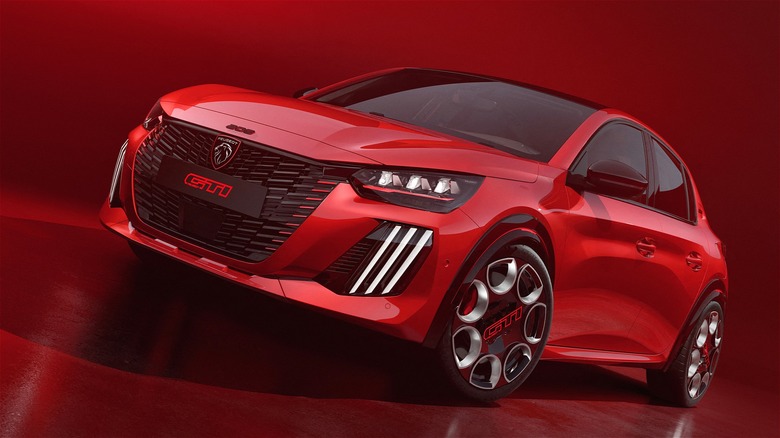
After vanishing with the old 308, Peugeot has planned to finally dust off the famous GTi name for the 2026 E-208 GTi. And when the time comes, it will mark the brand's debut into fully electric performance hatches. Its power is expected to come from a single front-mounted Peugeot Sport motor that could dish out around 280 horsepower and about 245 lb-ft of torque. If that's true, it'd be easy to project a max speed of 112 mph. Plus, to make sure it sticks better through the corners, Peugeot plans to tweak the dampers, widen the track, and fit custom 18-inch wheels shod with Michelin's Cup 2 rubber.
Under the floor, it is expected to have a 54 kWh battery, which could deliver around 217 miles of range. It is also projected to support 100 kW DC fast charging, potentially restoring roughly 80% of the battery in less than 30 minutes. Following its big reveal last year at Le Mans, this thing is expected to roll out early this year. But unfortunately, it is likely to remain a Europe-only affair, since Peugeot bowed out of the U.S. market years ago. However, for buyers overseas, prices are expected to approach the $52,000 mark.
2027 Volvo EX60
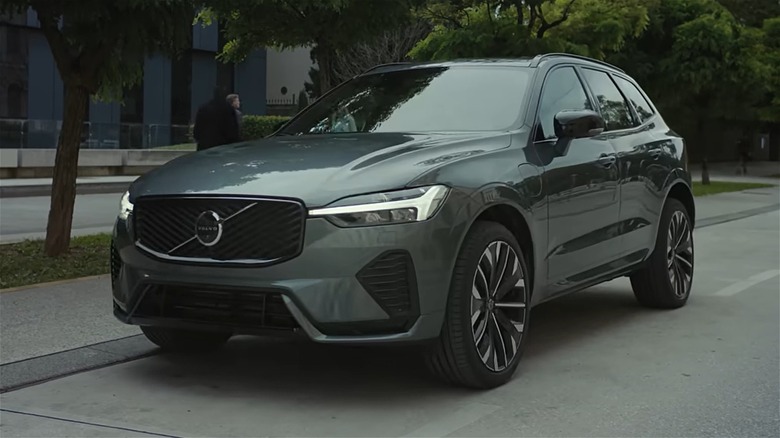
On January 21 this year, Volvo officially pulled the wraps off the 2027 Volvo EX60. And as always, more info came to light shortly after, with one of the biggest reveals being the battery variants. This five-seater SUV will not only ride on the slick new SPA3 platform, but it will also roll out in three different battery options, all backed by a 10-year warranty.
The lineup starts with the P6, which uses an 80 kWh pack that can crank out about 369 hp while delivering a targeted range of around 310 miles. This is followed by the 96 kWh P10, which churns out around 503 hp and stretches that range by about 10 miles over the P6. Then there's the P12. This one has a massive 112 kWh setup that promises up to 670 hp and a range of up to 400 miles. And thanks to its 800-volt setup, you can add up to 173 miles with a quick charger in just 10 minutes.
However, since all variants won't roll out at the same time in Q2, expect to see the P6 and P10 trims first, with NACS ports, before the rest roll along between Q3 and Q4. In terms of pricing, the base EX60 is expected to kick off at around $55,000, while more loaded trims like Core, Plus, and Ultra are projected to push north of $60,000.
2026 Bugatti Tourbillon
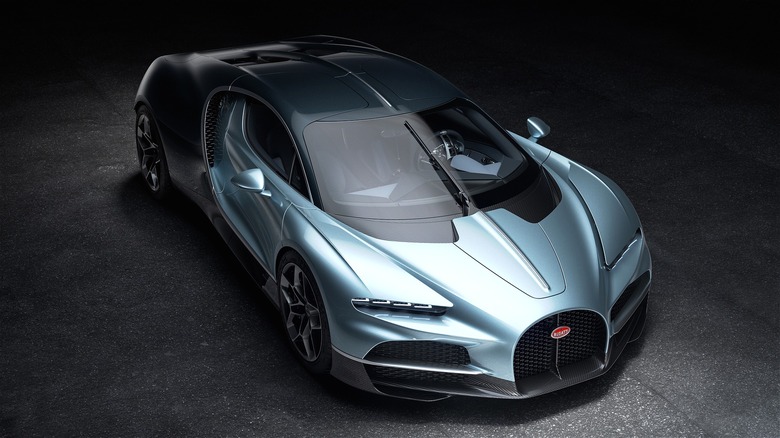
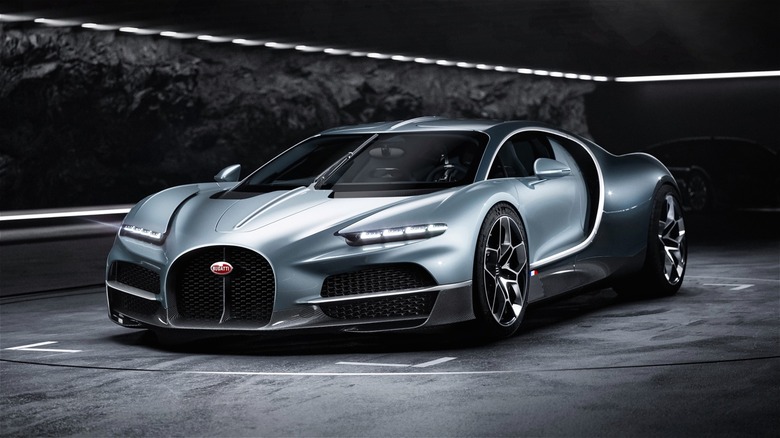
If there's one ride that screams "costs way more than you think," it's the 2026 Bugatti Tourbillon. This hypercar picks up right from where the Chiron left off, pulling bits of inspiration from classics like the Type Atlantic, Type 35, and Type Royale. Power is where things really get exciting, as it will arrive with an 8.3-liter V16 mated to a sophisticated plug-in hybrid setup. That system includes components like inverters and electric motors (two in front, one out back), all fed through an eight-speed dual-clutch transmission and an electronic limited-slip differential for a staggering 1,800 hp.
Wrapped around a T800 carbon monocoque, the Tourbillon should be able to rocket from 0 to 124 mph in less than five seconds. And when you slot in the Speed Key, top speed can stretch to around 276 mph, which is more than enough to smoke a Corvette Z06. Production is expected to ramp up in Molsheim this year as Bugatti's first model since partnering with Rimac. Only 250 units are planned, making it extremely exclusive. So good luck snagging one at around $4.6 million before fees, depending on your market. And that's before you start piling on options like a six-figure carbon paint job, five-figure interior touches, or specialty packages such as Équipe Pur Sang, Bugatti's motorsport-inspired performance specification.
2026 Bentley Urban EV SUV
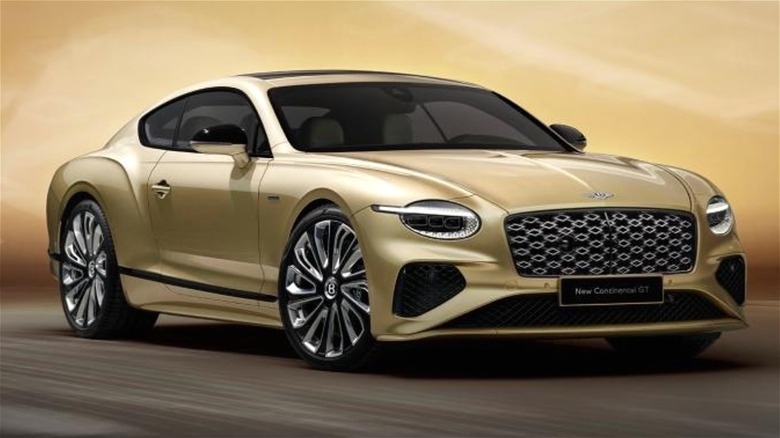
This time, it's a Bentley, and not just any Bentley. It is the brand's first-ever full EV, known for now as the 2026 Bentley Urban EV SUV. Expect it to feel more like a nimble cousin to the big Bentayga, likely coming in under 197 inches long, possibly with more tech and without a gas engine.
However, Bentley hasn't spilled enough details yet on the Urban EV, but it is expected to hit the market by Q4 2026. Under the skin, it's expected to ride on the same 800-volt platform as the Cayenne EV, which also appears on this list. That setup, paired with a 108 kWh battery pack and two motors, is projected to push out around 850 kW. Plus, with a 350 kW fast charger, the SUV is projected to grab nearly 100 miles in just seven minutes.
Inside, it is expected to come with the good stuff like exotic leathers and rich veneers, at a base price projected close to $150,000. But with the possibility of billions of spec combinations, that number could climb toward $450,000 if sales kick off around Q1 2027 as planned.
2026 Hyundai Ioniq 3
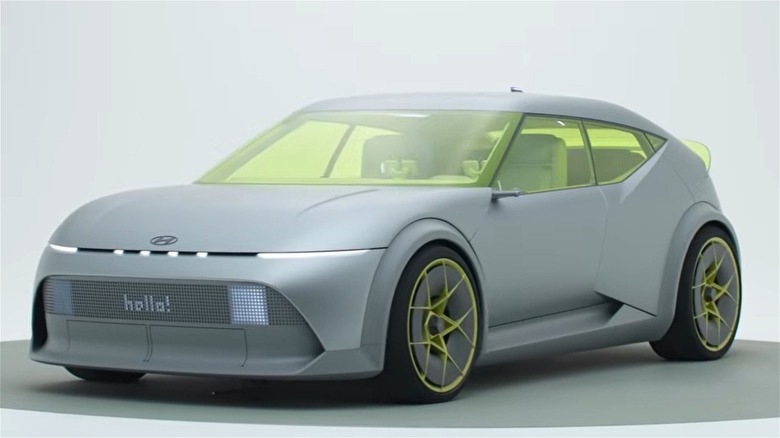
After its show-off moment in Munich last year, Hyundai is projecting a rollout for the 2026 Hyundai Ioniq 3 sometime this summer. With Europe likely getting first dibs, pricing is expected to hover around $36,600. It's likely to arrive with two battery choices on the trusty E-GMP setup. That means whether you go with the 58 kWh option, projected at roughly 270 miles, or the larger 81 kWh pack at about 375 miles, speed is still expected to be capped at 105 mph. There's also a possibility it will use FWD (maybe AWD, too) on a 400-volt system.
On the comfort and tech side, you might expect features like a touchscreen interface, seat heating, panoramic roof options, Android Automotive, and Apple's CarPlay Ultra. And when it comes time to power your gear, V2L or USB-C ports are likely to come in handy. That said, the Ioniq 3 isn't expected to land on U.S. soil due to import hurdles and a 15% tax.
2026 Ferrari EV SUV
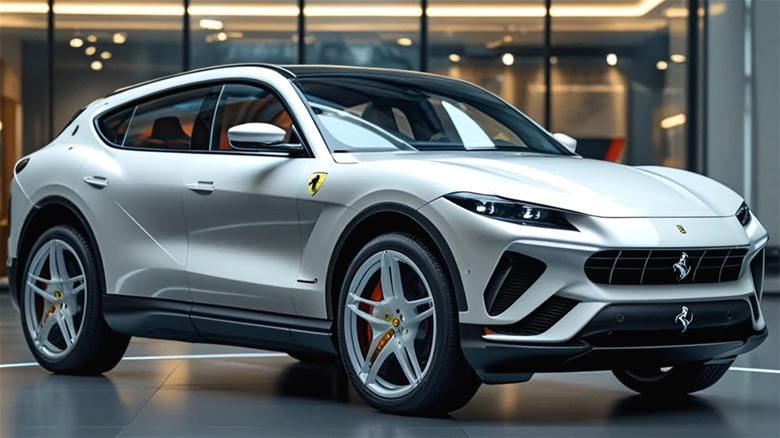
If you're shopping for a luxury SUV with real attitude, the list only feels complete when Ferrari is on it. With that in mind, this upcoming Elettrica is a big deal for the Prancing Horse. If it lands later this year — expected to arrive around $500,000 — it'll be the brand's first-ever EV. That timeline also suggests that by Q1, assembly in Maranello should be fully up and running.
It is expected to carry over the same four-door, four-seat layout as the Purosangue, just in a sleeker and more dialed-in form. Thanks to extensive aero work, range is projected to clear more than 330 miles on a single charge, which is impressive when top speed could flirt with 193 mph. Power is set to come from an 880-volt architecture wrapped around a hefty 122 kWh battery pack, with permanent magnet motors on both axles. Expect torque-vectoring tech and a synthetic sound system tuned to echo Ferrari's signature character, even as output pushes past the 1,000-horsepower mark. And yes, the classic Manettino experience should still be there, all mixed right in with new EV drive modes like Range, Tour, and Performance.
Methodology
To figure out which upcoming cars could end up costing you more than you expect, the research started by reviewing the essentials: official press releases, early pricing sheets, automaker announcements, and initial spec breakdowns. That gave a baseline for claimed starting prices. From there, the information was cross-checked against trusted automotive outlets like Car and Driver, InsideEVs, The Drive, and manufacturer websites.
Also, previous models were reviewed to see how often launch estimates ended up rising once these cars reached dealerships. That helped identify patterns, especially for models with a history of upgrades, markups, or trims that inflate the real-world price. Industry forecasts were used to flag common hidden cost triggers, including performance variants, larger battery packs, premium driver-assistance tech, delivery fees, and limited-run editions. Only vehicles confirmed or strongly projected for this year or next were considered.