

5 Gadgets Than Can Save You Water, Electricity, And Cash
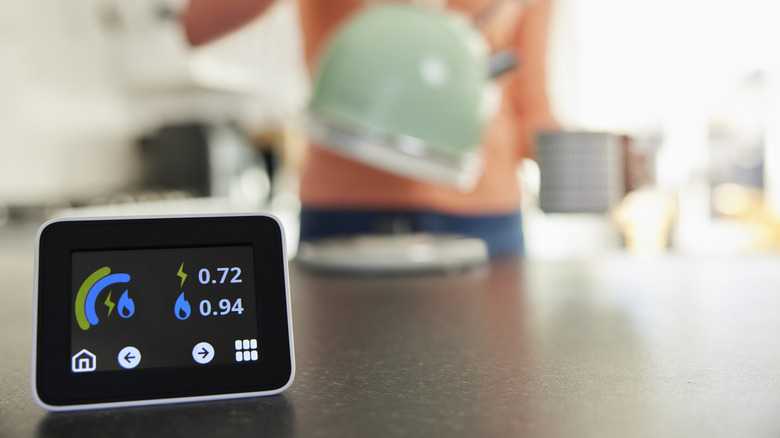
Unless you've somehow found a way to successfully live off-grid, odds are you have some hefty electricity and water bills. Not everyone can collect rainwater or install solar panels to avoid energy charges. Even those who live simply might see increasingly larger bills each month.
All across the U.S., retail electricity prices have increased even faster than the rate of inflation, according to the U.S. Energy Information Administration. Both drinking water and sewer service costs have also increased significantly, according to a 2025 research report by Bluefield Research.
While rates for both electricity and water are increasing nationally, the exact amount you'll pay depends on where you live, the size of your home, and, of course, your habits. If you've tried cutting back but want to make a bigger dent in your bills, there's some good news. A few simple gadgets can save you water, electricity, and cash every year — and with very little effort.
Smart thermostat
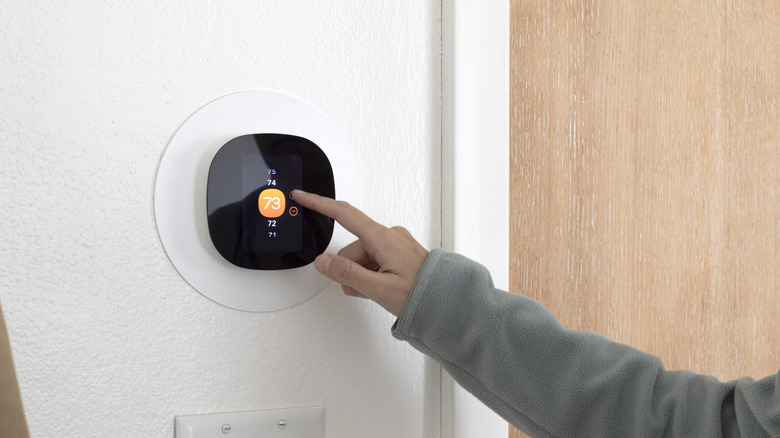
Smart thermostats work very much the way non-smart thermostats work. They connect to your home's HVAC system and can tell the ambient temperature in your home. Then, depending on where you have your thermostat set, the system goes on or off. The difference with a smart thermostat is that you can control your home's heating and cooling remotely. Rather than leaving the heat on all day, for example, you can set routines or remotely switch on the heat shortly before you plan to arrive at home.
Apart from the inherent convenience that smart thermostats offer, many also promise to lower your energy bill. With most thermostats, you will have an up-front investment, but it's possible to find an affordable one from one of the major smart thermostat brands. For the most savings possible, look for thermostats that are certified Energy Star models. According to Energy Star, you can expect a savings of about $50 per year for Energy Star thermostat.
Smart plugs
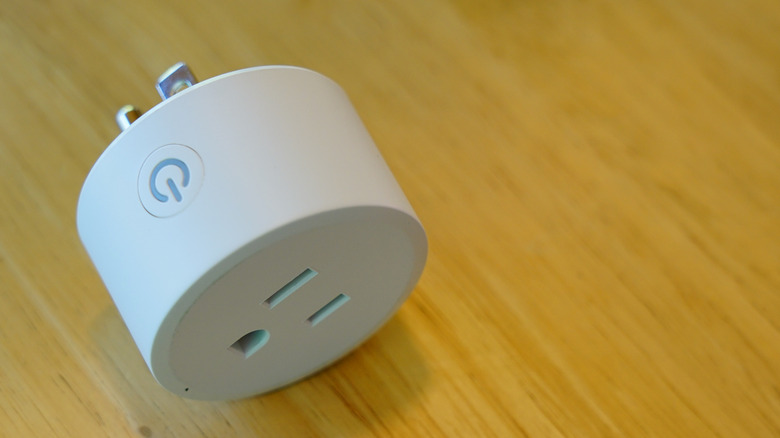
One of my favorite smart gadgets for energy savings are smart plugs. With tons of brands to choose from, you can find a full set to fit your budget and set you up for savings. Although smart plugs do draw some power when switched off, the point of these plugs is that they use far less energy than all of your idling appliances and gadgets. Smart plugs can also work with home hubs and voice assistants, so you can turn them off and on remotely, including from your smartphone.
With so many creative uses for smart plugs, you can do everything from shutting off your kids' electronics at a set time to monitoring not-so-smart appliances without visually checking in on them. If your home is like mine, and you have to use floor lamps (with weirdly-placed switches) due to a lack of ceiling lights, you'll appreciate smart plugs even more. Ultimately, using smart plugs could save you about $20 to $60 per year, depending on what devices you plug in and how you use them.
Eco shower head
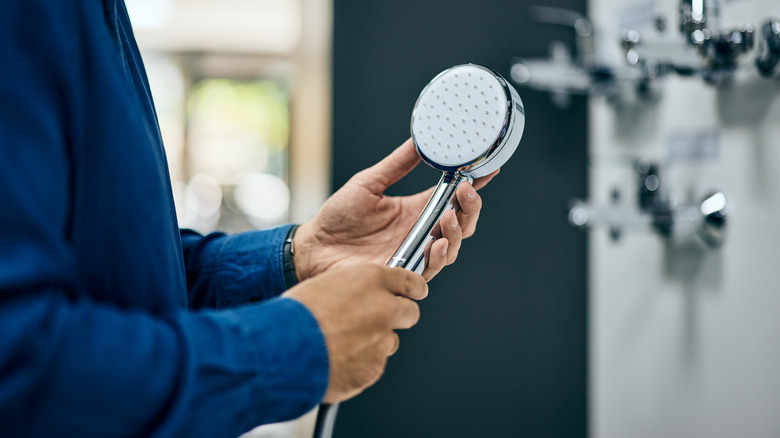
Saving water means saving money, but it isn't always about taking shorter showers or washing your laundry with cold water. However, showering is one of the largest uses of residential water, according to the Environmental Protection Agency (EPA). The good news is that eco-friendly shower heads are a simple swap you can make to save water and, thus, save money on your bills.
A low-flow showerhead can save 2,700 gallons of water per year, according to the EPA, but that's not the only savings you might spot on your bill. Lower demand on your pipes also means less of a demand on your water heater; the EPA points out that less water usage could mean lower energy costs. In fact, the EPA estimates that an eco shower head could save you 330 kilowatt hours (or more) of energy per year.
With a utility like PG&E, that's a savings of over $100 per year, on top of your water bill reduction. Whatever your budget, you can find highly-rated smart shower heads that will help you save on your next bill, without sacrificing comfort.
Faucet aerator
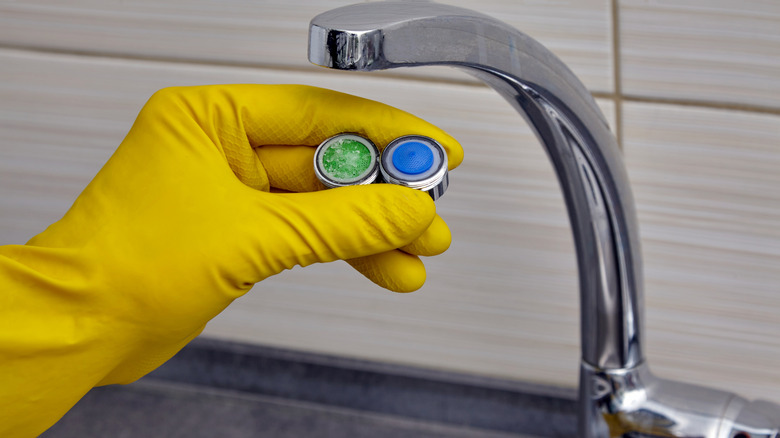
If you're working toward reducing your water consumption, a faucet aerator is one easy swap that shouldn't affect your daily life, but could save you on your bills. Most faucets come with an aerator, which is a screen-looking piece that helps conserve water by adding air into the flow. Picture the difference between a free-flowing garden hose, and one with a screen placed over it. When less water can go through at one time, that means it's flowing a bit slower and, thus, you're using a bit less. Cleaning your faucet's aerator will keep it working properly, but swapping it out could save you energy and money.
WaterSense aerators and faucets that replace outdated plumbing can save about 700 gallons of water each year, according to the EPA. Based on the EPA's math, that means 45 showers' worth of water saved, which is nothing to scoff at when it comes to your monthly utility bill.
Plug-in energy monitor
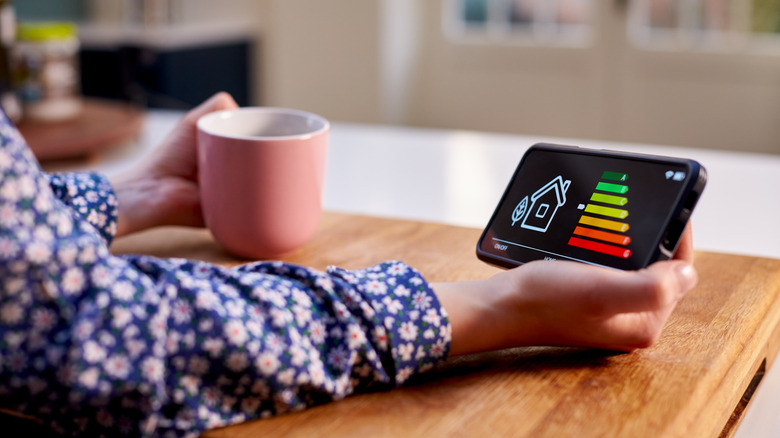
If you're not sure where to start but hoping to reduce your energy costs and be a bit friendlier to the planet, it helps to know where you stand. A plug-in energy monitor is a way to appraise the situation without making drastic changes to your habits or hardware. An energy monitoring device is one piece of tech that can reduce your power bill because you can identify where you might be wasting energy, whether in your habits or outdated technology (or leaks).
Energy monitors are also a smart gadget for new homeowners, so you can establish what's normal and what's not when you move to a new place. Depending on your energy utility and local regulations, you might even find that energy monitors are part of the services you receive as a renter or homeowner. For example, PG&E offers a way to connect an energy monitor to your home's Smart Meter for real-time energy updates.
At the very least, real-time monitoring can indicate where there's a problem, whether that's a leaky water heater or HVAC that's being overworked. Monitoring can also help you be more aware of your usage and change your mindset and habits.