

5 Programs That Can Get You Free Or Discounted Home Wi-Fi (If You're Eligible)
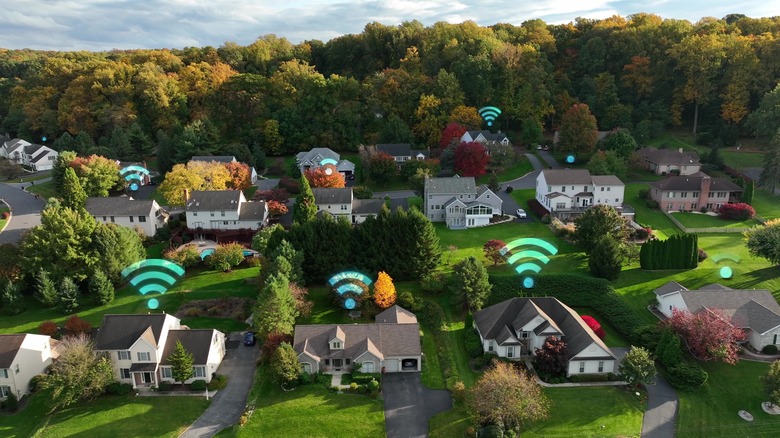
Home Wi-Fi may have seemed like a luxury not long ago. Yet now that nearly everything can — or is required to — be done online, we all need speedy internet to communicate, pay bills, take online classes, and work from home.
While you can find free Wi-Fi around your community, it's not an ideal solution for working or learning from home. Plus, public internet connections aren't always secure. You could use your phone's 5G data for a hotspot, but there are drawbacks to that method, too. You might run into data limits that vary by carrier, and unlimited data seems to be largely a thing of the past.
When it comes down to it, home Wi-Fi can get expensive, depending on where you live and what providers are available. Fortunately, if you're in need of a financial break on your home Wi-Fi, we found some programs that can help. Some internet providers have age-related discounts (AT&T has a 55+ plan), but we found even better deals depending on where you live and what provider you choose. And, as an honorable mention, there's also NetZero dial-up internet access, if slow yet accessible internet is an immediate need. Read on for the rest of the home Wi-Fi discounts and freebies you might qualify for.
Lifeline
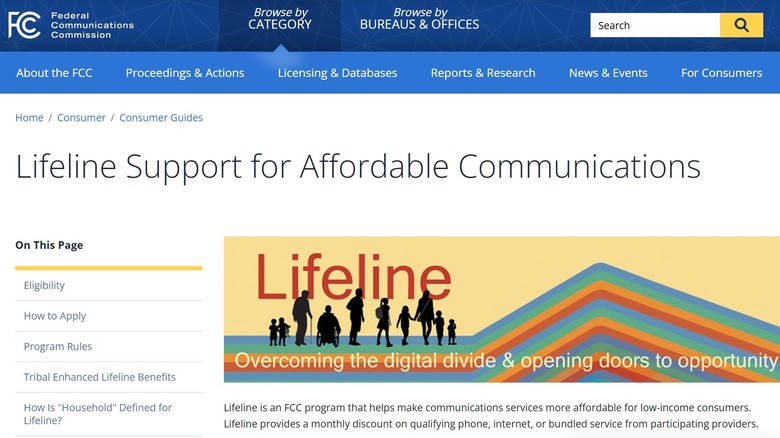
Did you know that every state in the U.S. has a program to help make internet access more affordable? The federal Lifeline program covers every state, although requirements and application processes may be different depending on where you live. In general, eligibility is based on your income level, but you may also qualify based on your participation in various programs. Families that receive SNAP benefits, for example, and households receiving SSI may qualify.
The Lifeline program discount at the time of writing was up to $9.25 per month, with an additional benefit for eligible households on Tribal lands. Qualifying households on Tribal lands can receive a discount of up to $34.25 per month on home Wi-Fi.
Additionally, some individuals may be temporarily eligible for emergency home Wi-Fi assistance. For example, domestic violence or human trafficking survivors may receive help with obtaining internet and telephone accounts as they are leaving abusive situations.
State programs
In addition to the federal Lifeline program, states can have their own Wi-Fi assistance program. For example, California has a program called Broadband for All, administered by EveryoneOn and the California Emerging Technology Fund. Consumers can enter their zip code to see which programs are available in their area, based on specific qualifying conditions.
When we entered a Los Angeles zip code (90001, for example) and ticked the box for the qualifier of a household income under $49,000 annually, the results included various offers for home Wi-Fi. The lowest cost internet was $14.99 per month, with other offers ranging up to $30 per month for speeds of up to 100 Mbps. Prospective applicants for these programs may also be eligible for support in obtaining a home PC or laptop at a significant discount.
Other states have similar programs; New York, for example, has an Affordable Broadband Act that ensures eligible residents can receive 25 Mbps speed internet for no more than $15 per month. Search "affordable internet program" and your state to find out what might be available in your area.
T-Mobile's Project 10Million

In addition to federal and state-administered programs for affordable home Wi-Fi, we also found some providers that offer discounted internet to specific eligible groups. T-Mobile is an excellent example of a forward-thinking wireless provider that offers not only smart device services, but also home internet and hotspots.
While T-Mobile is phasing out its 4G service, there are many ways to stay connected, like through T-Mobile home internet or with a hotspot from the Project 10Million program. Along with its program to help students, T-Mobile offers emergency messaging, a service that extends to users of other wireless networks like AT&T and Verizon.
Specifically related to hotspots, Project 10Million is a program that aims to connect students with internet access. Eligible households receive a free hotspot and 200 GB of internet per year for five years, with no fees or costs whatsoever. The eligibility requirements are related to students' enrollment in specific programs, such as SNAP, the National School Lunch Program (NSLP), or other need-based programs.
Xfinity Internet Essentials
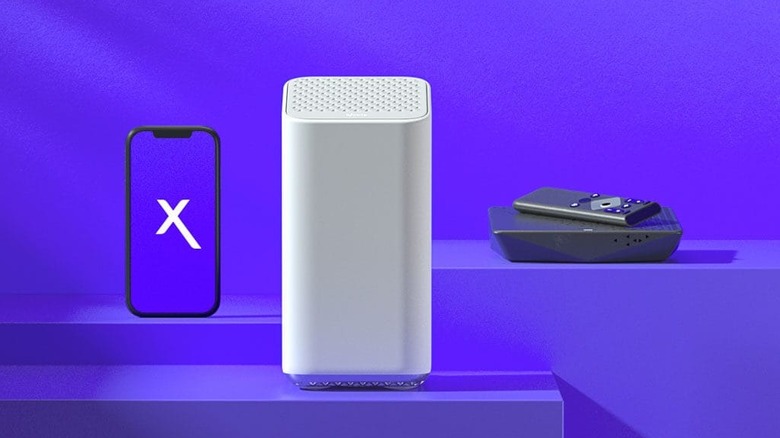
Various internet providers offer eligibility-based programs for more affordable home internet, and Xfinity is one such provider. A program called Xfinity Internet Essentials offers discounted home Wi-Fi for households that meet specific requirements, such as enrollment in SNAP, Medicaid, WIC, VA pensions, Tribal assistance, and various other programs. Xfinity also states that households may be eligible based solely on proof of income.
Though the exact discounted amount is not advertised, Xfinity says its home internet starts at $14.95 per month for eligible households. Other requirements apply: you must not be a current or recent Xfinity customer, and you can't have an outstanding balance on any Comcast accounts.
Xfinity also has a special program that offers Dell laptops and Chromebooks at significant savings ($149.99 plus tax). While the available laptops aren't the most high-powered options on the market, they're a great benefit for eligible households that need a device to make the most of their home Wi-Fi.
Verizon Forward

Verizon has a discount internet program for select, qualifying households. Plus, some limited-time offers may make the first couple months of service free; at the time of writing, Verizon offered $0 per month for two months with select plans. Verizon Forward delivers Verizon Home Internet at a discounted price. While Verizon and T-Mobile both offer 5G home internet, Verizon's home Wi-Fi is not a portable internet solution.
Consumers who might be eligible for Verizon Forward include those who meet criteria such as having an income below 135% of the Federal Poverty Guideline or participating in programs like SNAP or WIC, among others. Verizon also calls out New York's additional internet benefit; New York residents who receive, for example, an "affordability benefit from a utility" or a "senior citizen rent increase exemption" could qualify for Verizon Forward without participating in (or having proof of) other programs.
Verizon also advertises free job resources as part of its internet access package. Qualified applicants could receive 12 months of free skills training and interview prep help.