

10 Common Home Plumbing Problems That WD-40 Can Help Fix
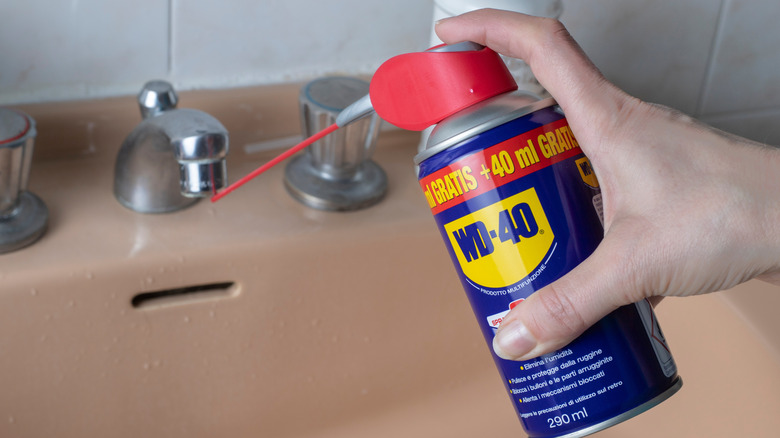
Most of us keep a can of WD-40 in a cupboard and use it everywhere, from squeaky doors to loosening rusted bolts or removing stubborn sticker residue. Plumbing, however, is full of small, stubborn jobs where a quick spray can save a lot of effort and time. A tap that won't turn, a rusty nut under the sink that won't budge, or a valve that hasn't moved in years. You can fix all this with one or two bursts of WD-40.
People tend to put these jobs off and get experts, which gets expensive. The U.S. Environmental Protection Agency says the average home wastes nearly 10,000 gallons of water every year because of leaks. So, leaving a plumbing problem untreated drains both your wallet and local water supplies.
While WD-40 can't seal a leaking pipe or clear a clogged drain, it can still help. But it can help loosen stuck metal, push out moisture, and slow down rust. These are all first steps in many repairs, and it is one of the most useful WD-40 uses every DIYer should know.
Seized faucet aerator
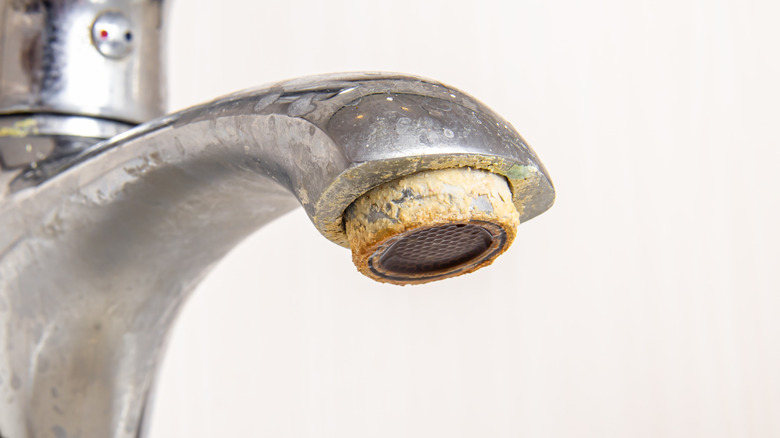
A tap that sprays sideways or runs weakly often has nothing wrong deep inside the pipe. The problem is the small mesh cap at the tip, called the aerator. Hard water carries calcium and magnesium, and the U.S. Geological Survey explains that long-term use can leave scale behind. Over the years, crust builds up and can lock the aerator in place.
You might think pliers can help, but they can crush the thin mesh. If an aerator won't budge, spray WD-40 Penetrant to break the resistance in a few seconds. Most people know only the classic blue-and-yellow can, but WD-40 has other products you might not know about, including one made for stuck threads.
Once you remove the aerator, soak the parts in vinegar and brush away the loosened crust with a toothbrush. Rinse well and run the tap for a minute before drinking. You will see that the water flow has improved.
Mineral-clogged showerhead
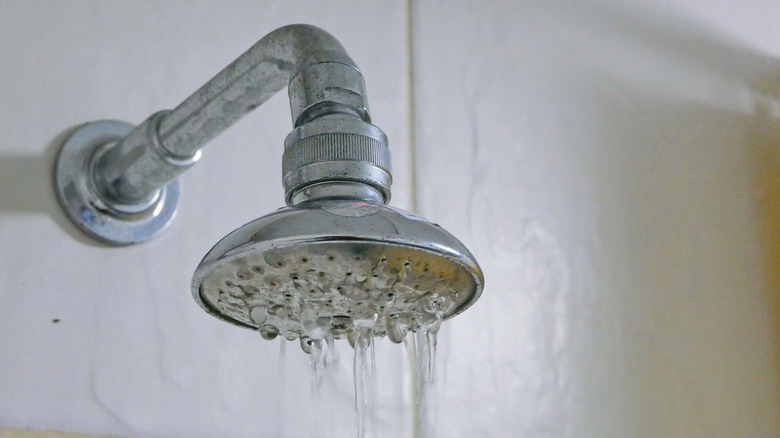
If your shower has turned into a sprinkle, check the showerhead before blaming the pipes. If only a few taps and showers in the house have low pressure, a clogged aerator or showerhead is usually to blame.
You don't need tools right away. Try this DIY trick: fill a plastic bag with vinegar, pull it over the showerhead, secure it with a rubber band, and let it sit for an hour or two. After that, run the faucet for a while to clear the deposits, then spray WD-40 Specialist Silicone for protection. If the filter screen inside is blocked, remove the head, which you can loosen by hand. However, if it is rusty or stuck, spray a little WD-40 Penetrant first.
Use WD-40 Silicone spray on the cleaned parts before reassembling. This is because silicone spray resists water and is compatible with plastic and rubber plumbing parts, such as seals and washers.
Leaky faucet with frozen handle screws
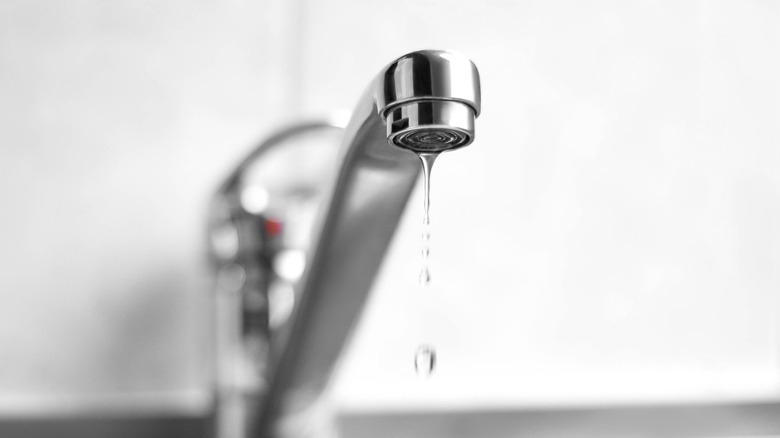
A faucet that drips all day is hard to ignore. Thankfully, it's easy to fix. But one thing that often stops people from fixing it themselves is the little screw under the handle cap, which has rusted in place and makes the drip stubborn. The EPA says that fixing easy household leaks can save about 10% on a water bill. So, fix these leaks immediately.
Turn off the water, remove the screw cap, spray a little WD-40 Multi-Use on the screw underneath, then unscrew the handle. Use a wrench to loosen the packing nut, then remove the stem to swap the worn washer and O-ring. Put everything back in the same order.
Keep in mind that the spray only loosens the screw, provides temporary lubrication, and doesn't stay in place for long. For parts that need lasting lubrication, a thicker product such as WD-40 White Lithium Grease is a better fit.
Stuck shutoff valve under a sink or toilet
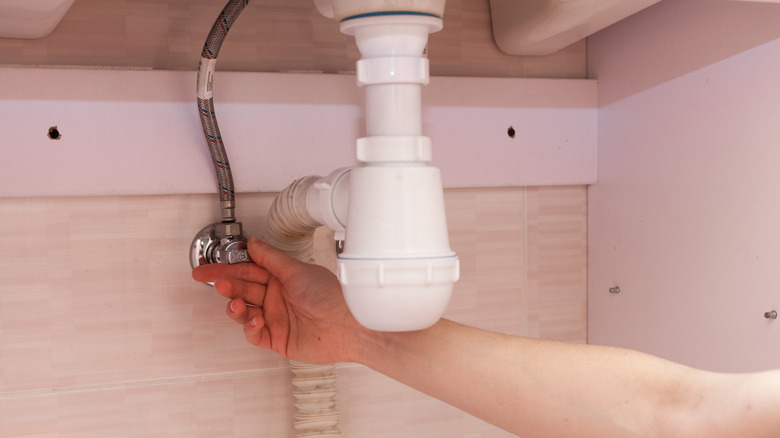
The small valve under the sink or behind the toilet only becomes visible when water starts spilling out. And it gets worse when you find out it won't turn. These valves often sit untouched for years, and mineral deposits or rust can lock the stem.
Don't use a tool and crank it, because forcing a corroded valve can snap the pipe. Instead, spray WD-40 Penetrant behind the handle, let it sit for 10 to 15 minutes, then try again by hand. If the valve doesn't move, use pliers for better grip. Start slowly, keep a towel nearby, and know where your main shutoff is in case this valve fails.
Spraying under a cabinet means the air is tight and closed, so open a door or window. WD-40 spray carries health risks, and that is why ventilation matters. Make sure to fully close and reopen valves twice a year so they never seize.
Rusted trap nuts and supply connections
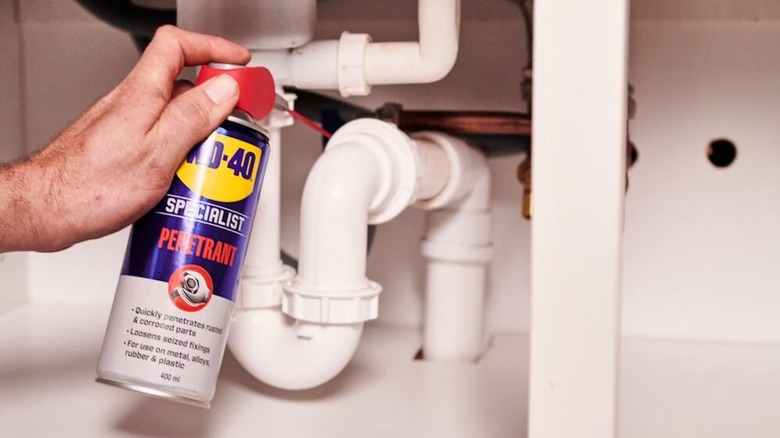
The big nut under your kitchen sink that holds the trap rarely gets our attention. If one hasn't moved since the house was built, it's likely crusty and orange. Trap nuts and supply connections seize like this because kitchens and bathrooms stay damp for most of the day.
Thankfully, you can follow a simple routine and avoid such issues. Spray WD-40 Specialist Penetrant on the thread, then wait a few minutes before unscrewing the nut. Also, hold the pipe with a second spanner to keep the joint from twisting. Older homes with rusted joints on galvanized pipes can be impossible to budge with a wrench alone until you soak them in penetrating oil.
If the pipe has only light surface rust, spray it with WD-40 Multi-Use, wait at least 10 minutes, then scrub off the rust and dry it. WD-40 is a well-known choice for removing rust and protecting metal from rusting again.
Stuck tub stopper or diverter
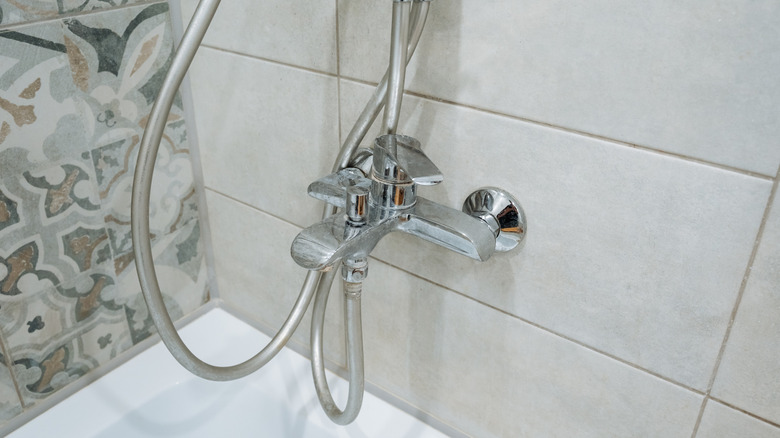
Some bathtub spouts have a little pull-up knob on top. When you lift it, the water goes from the spout to the shower. However, when that knob gets stuck, the shower only dribbles while the tub keeps running. The problem is usually inside, where hard water leaves deposits on the moving parts.
Use WD-40 Multi-Use Product with Smart Straw to fix this. Bend the spray nozzle up into the spout, aim at the diverter valve, and give it a couple of sprays to get things moving again. The hard part is reaching that spot without soaking the whole tub, and you can also use a WD-40 precision pen for tight places like this.
After spraying, move the knob up and down a few times and run the shower. Wipe the spout and tub, because spray can leave a slippery film behind. If the diverter still feels stuck, or water leaks from the spout while the shower is on, the part may be worn out, and it needs replacement.
Rusted toilet handle nut or tank bolts
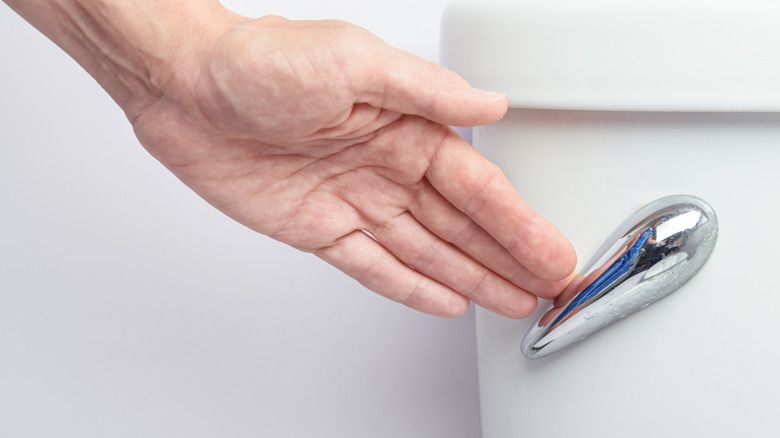
You press the toilet handle every day. What if one day it flops, wobbles, or won't move? That is a situation you wouldn't want. This usually happens because of a loose nut, stripped threads, a cracked arm, or a lift chain detached from its hook.
Here is the trick that catches people out: Usually, the handle nut is reverse-threaded. You turn it counter-clockwise to tighten and clockwise to loosen. If the nut is rusted and won't budge, spray it with WD-40 penetrating oil, wait a few minutes, then try again. Avoid using too much force, as it can crack the porcelain tank.
Use the same process for rusty tank bolts. Brush off loose rust, spray it with WD-40, tap lightly with a hammer, and repeat if needed. A snapped bolt can turn a quick job into hours of work.
Hose stuck to the outdoor spigot
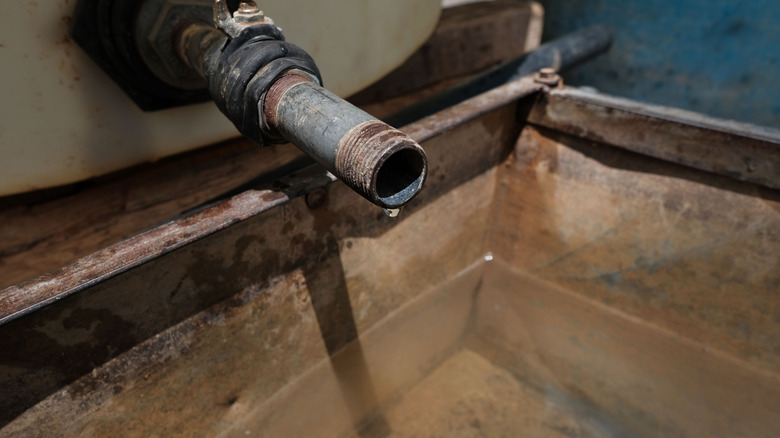
Pack away your garden hose at the end of summer, and it may not come off the outdoor tap. Galvanic corrosion often causes this. When two different metals touch and an electrolyte (like water) sits between them, they slowly fuse.
WD-40 can help you release the garden hose from the tap. Taps in homes and gardens often jam because of rust and dirt. Before spraying, clean the buildup off with a wire brush or rag. Then spray WD-40 into the gaps where the parts meet, let it soak in for a few minutes, and turn the hose collar counter-clockwise. You may need to apply extra pressure if it's been sitting for months. Keep the tap steady with your other hand so you don't twist the pipe behind it.
Once the hose is off, clean the threads before you put it back. Take the hose off now and during the season so it never has a chance to fuse.
Surface rust on exposed pipes and fittings
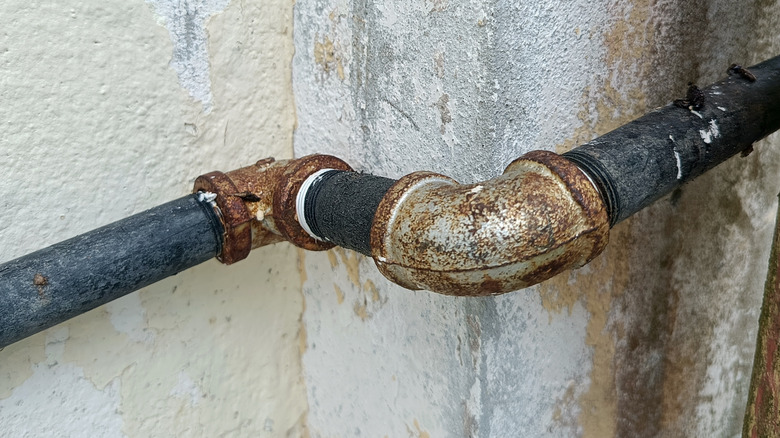
Orange freckles on a pipe are quite common around the house. It happens where the air is damp, and it often looks worse than it is. The good thing is that if the metal is still solid, a little care can stop it from spreading. But if it is flaking or leaking, call a plumber instead.
First, clean the pipe, then spray WD-40 on the orange rust and let it sit for at least 10 minutes. After that, scrub with a scouring pad, then wipe the pipe clean and dry. For deep rust, after you complete these steps, paint the pipe.
Second, protect the pipe from rusting again. Simply wipe valves, meters, and fittings with a cloth dampened with WD-40. This leaves a thin film that repels moisture. Keep in mind that the spray can help loosen and remove surface rust, leaving a protective film that helps prevent further corrosion.
Stiff metal handles
If a tap handle is stiff, don't reach for the spray can first. Instead, use a rag. WD-40 says taps often jam from rust and dirt, so wipe or brush the gunk off first with a cloth or wire brush. Sometimes that alone gets the handle moving.
If it is still stuck, spray WD-40 into the crevices around the parts where the handle turns. Wait a few minutes, and then turn it counter-clockwise. You can apply a little pressure if the tap hasn't moved in a long time. For rust, spray, wait, then scrape it off with a wire brush.
A stiff handle can come back once the WD-40 film wears off. So you may need to repeat this treatment from time to time. Choosing the right product matters more than people think, and sometimes metal parts need something different from a quick spray.