

10 Handy Uses For WD-40 White Lithium Grease Spray
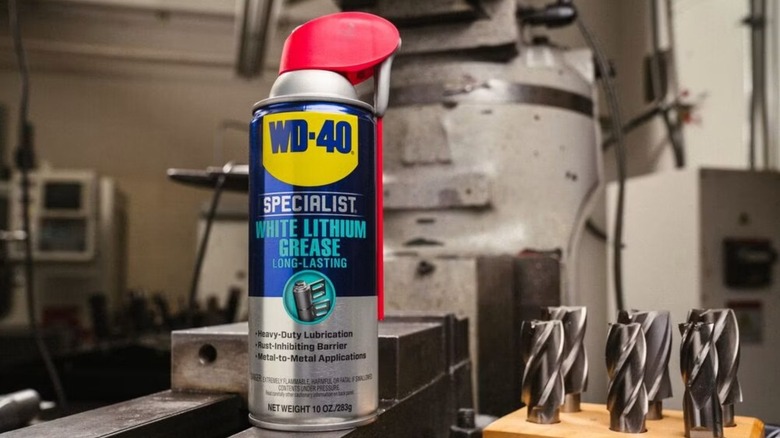
Most of us own a can of lubricant, and it's usually WD-40 in the blue and yellow can. You can spray it on squeaky hinges, stuck bolts, and dry chains, and most of the time it seems to work. However, the catch is that the original formula was never meant to be a heavy-duty lubricant. This is because the classic can of WD-40 spray is really a multi-purpose liquid, and its name comes from water displacement, not from grease.
That is where WD-40 Specialist White Lithium Grease comes in. It sprays like a liquid, so it gets into tight spots easily, and then it sets into a thick, dry coating that stays put. It keeps working from 0 degrees Fahrenheit to 300 degrees Fahrenheit, and it is made for metal-to-metal contact points such as hinges, gears, pulleys, and cables. It is also one of the best WD-40 specialty spray cans that you can carry in your RV.
Again, the WD-40 lithium grease can is not a cure for everything, though. Such grease can wear down certain types of rubber and is a poor match for high-speed bearings and delicate precision parts. So knowing where it can be used matters as much as owning a can. We have listed ten handy uses for WD-40 lithium grease for your home and garage. A few of them will probably send you looking for the can right after you read them.
Garage door rollers, hinges, and springs
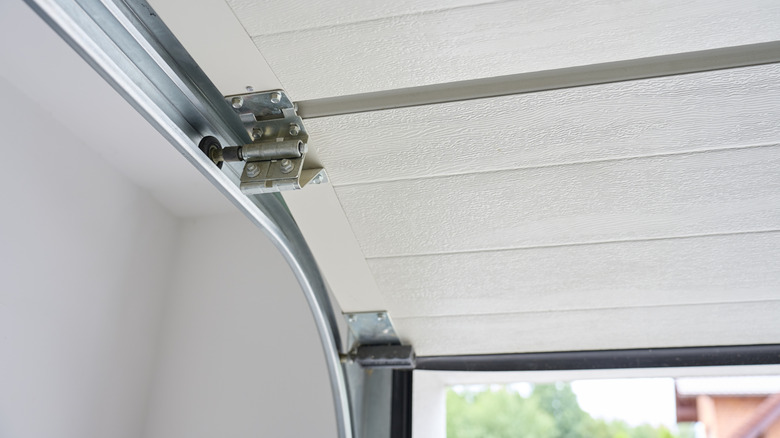
A garage door is probably the hardest-working machine in your home. But the fact is it rarely gets any attention until it starts to scream. It opens around 1,500 times a year, and the springs, rollers, hinges, and chain go through so much wear and tear. And these are the parts that needs lubrication every six months. Most people grab whatever can they have in the garage closest and spray it on the area where the noise comes from. That is where things tend to go wrong.
Regular WD-40 is not made to lubricate moving parts. Because its original formula is meant to collect dirt, that makes the door work harder. White lithium grease is the better option because it goes on as a liquid and then sets into a thick, dry coating that stays on the metal instead of dripping off. This coating keeps steel rollers and hinges sliding smoothly instead of grinding against each other every time the door moves, which is the case with regular WD-40 can.
Give each spring, roller, and hinge a short spray of WD-40 lithium grease, then run the door up and down once so the grease spreads. Wipe off anything that drips. If the old lubricant looks black and gritty, wipe it off with a rag before applying new grease so the fresh coat contacts clean metal to hold on to.
Outdoor hinges and gate latches
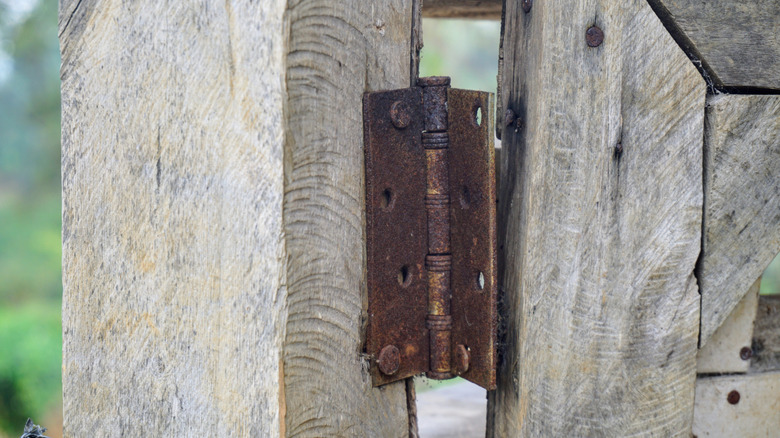
No matter how recently you have oiled a gate hinge, the first rain usually undoes the job. Thin sprays and oils tend to evaporate or drip away, which is why a gate you fixed in spring can be squeaking again by summer. This type of hardware needs something that clings to the metal and stays there while the weather does its worst.
White lithium grease is the one that aptly fits that job specification because it resists being washed out by rain, splashes, and humidity, and It stays stable across a wide temperature range. WD-40 lithium grease spray works well on outdoor hinges and latches. That means a single can looks after a gate that freezes in winter and a latch that is exposed to the afternoon sun.
Rust is the one thing grease cannot fix, so clean the hinge with a rag if it is already orange and stiff. Rust forms when water and oxygen react with the iron in steel. You can get rid of it by soaking the area in WD-40 rust remover solution and scrubbing with a wire brush. Once the metal looks bare, spray WD-40 lithium grease on the hinge pin and the moving joints, swing the gate a few times, and wipe off the extra so it does not collect grit. In case of a latch, aim at the spring and the spot where the bar slides.
Squeaky interior door/window hinges
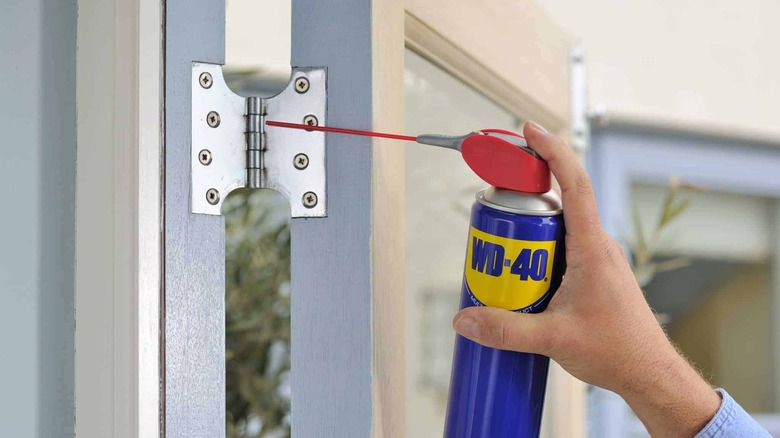
Every house has that one door that announces you whenever you try to sneak a midnight snack. The sound comes from metal sliding over metal in the hinge, creating a vibration that comes across as that annoying squeak. The hinge simply needs something slick to go between those two surfaces.
Plenty of people reach for the regular blue-and-yellow can, WD-40. But hinges treated with WD-40 can slowly turn dark and dirty-looking. White lithium grease is thicker, and the specialist spray gives long-term lubrication without dripping or running. That matters on an interior door, where a drip can land on a carpet or a fresh coat of paint. Make sure to have a folded rag under the hinge, spray a short burst where the pin meets the two metal plates, and swing the door a few times so the grease spreads evenly inside.
You do not need to take the door off for this. Do not spray on rubber door stops and seals, because white lithium grease can lead to certain types of rubber deteriorating over time. If one hinge is louder than the rest, start with that one and test the door before you spray the others. Wipe the hinge after spraying with a dry cloth so nothing smears onto the door or the frame, and give the door one last swing to confirm the squeak is gone.
Pruners and garden shears
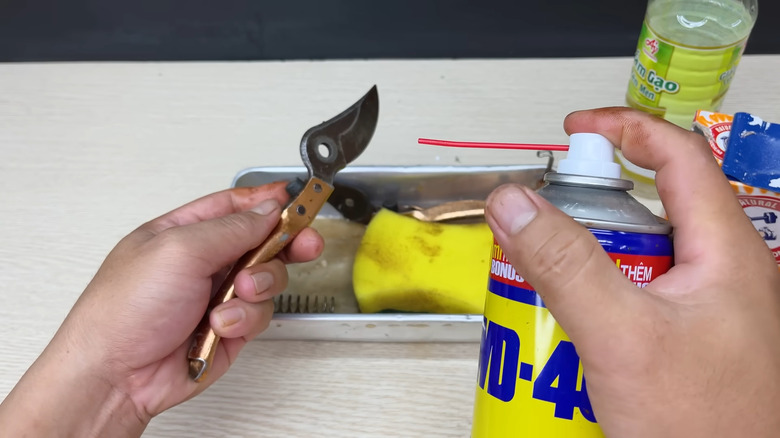
Pruners spend their days wrapped around wet, sticky stems. So it is no surprise that their pivot bolts seize up first, or they get stuck. Sap and dirt attract and hold moisture, and that moisture is what spreads rust. If your pruners already feel stiff, you should take each part apart and scrub the metal with a wire brush before you do anything else. This will get rid of the rust and most probably fix the issue.
However, you can go a step further. Once the blades are clean, spray WD-40 White Lithium Grease on the pruner. This will prevent them from sticking and rusting. The grease also pairs well with a good habit, because wiping tools clean and dry right after use is the single best way to prevent rust. Moreover, grease stays in place longer than oil on tools that work under pressure. Since a pruner squeezes hard on every cut, the staying power of lithium grease is exactly what the pivot needs.
Put a small amount on the pivot bolt and the spring, then open and close the blades a dozen times to let the grease seep in. Wipe the blades and the handles afterward, since grease on a grip can make the tool slippery in your hand and dangerous. Skip the cutting edge itself, because the grease is only needed where metal gets in contact with metal. Store the pruners somewhere dry, ideally on a hook and not on a concrete floor.
Home gym equipment

A squeaky home gym is the one kind of noise that is both loud and a little embarrassing. The trick is knowing that not every machine takes the same product. For routine maintenance for machines like an elliptical or a rower, you should pick WD-40 White Lithium Grease for the moving parts to stop the squeaking.
On a rower, pull the handle all the way out and put a light coat of lithium grease on the chain about every three months. Let the chain coil back in, then pull 10 to 20 strong strokes to ensure the grease reaches the pulleys inside. If you feel a jerky recoil, then it means a stuck link that needs extra attention. A treadmill is the exception, since you should use WD-40's silicone spray under the belt and not the grease. To be safe, you should check the manufacturer's recommended lubricant, if there is one. Pilates machines need a mix of WD-40 products, with grease on wheels and tracks while silicone spray goes on metal-to-metal joints.
Plastic parts are common on gym machines. You will find them on handles, bolt covers, and so on. The hydrocarbons in regular WD-40 can break down certain plastics until they turn brittle. That is one more reason to avoid the regular spray and use grease on metal chains, tracks, and pivot points. For other parts, you should check the manual before spraying anything else. Spending a few minutes of your time every three months is cheaper than having to schedule a repair visit.
Metal plumbing parts
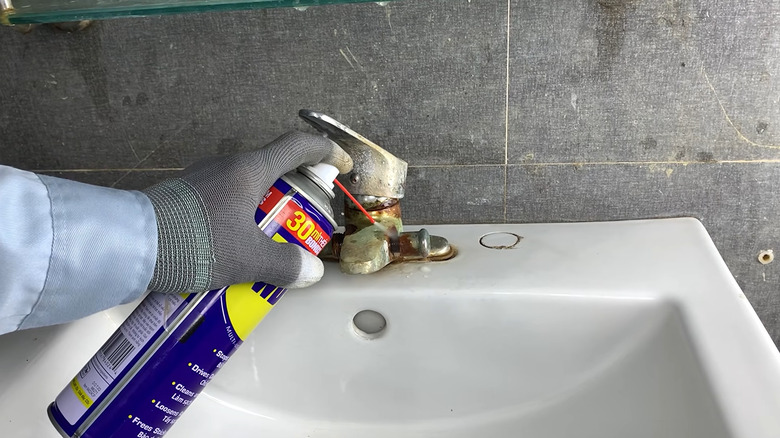
Plumbing is an important part of any home. A faucet or valve isn't made of metal alone — it has rubber washers and seals inside to keep the water where it belongs. Regular WD-40 spray can't tell the difference, so a careless spray can reach parts that were never meant to get it. As white lithium grease may wear down certain rubber over time, you should pick up silicone grease for those parts.
On the other hand, lithium grease works best on the plain metal pieces you can see and reach. WD-40's grease is a product meant for metal-to-metal contact that sets into a thick coating and protects against corrosion. This suits stiff metal handles, lever pivots, and moving joints on exposed fittings. For the rubber and plastic side of the job, the silicone version is best for plumbing parts, plastic seals, and washers.
But before you spray, look at the part and make sure that it is all metal. If a rubber ring or plastic piece sits next to it or is a part of it, cover that area with a rag first. Put a small amount on the metal joint, move the handle back and forth to make the spray penetrate, and wipe off the excess so nothing creeps toward the seal. Grease will not stop a leak, though. A faucet that keeps leaking after you free up the handle most likely needs a new washer.
Trailer hitch components
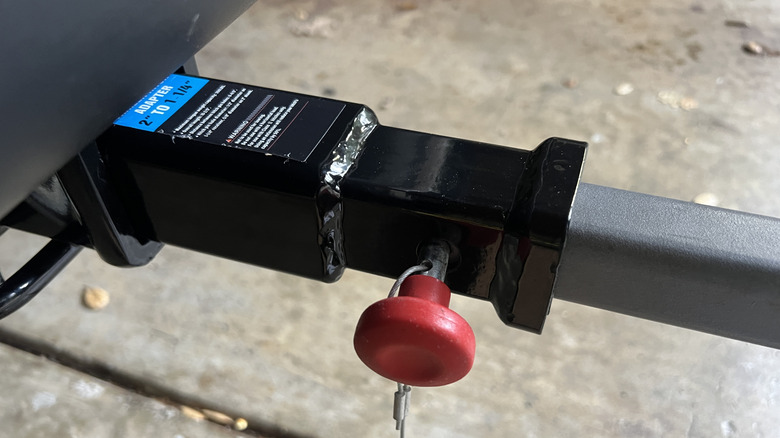
Your trailer hitch spends most of its life sitting outside, or probably somewhere in the corner of your garage. Nobody looks at it until they need it — or something goes wrong. Rain gets on it, road dirt sticks to it, and the sun bakes it. Sitting idle, moisture can creep in, and that is exactly how rust starts. And rust makes a hitch stiff and hard to work with. This is why using WD-40 White Lithium Grease can protect trailer hitch components from rust and wear, especially when you tow.
The ball itself needs a slightly different treatment, though. A thin layer of automotive bearing grease on the tow ball is recommended with each tow, because it cuts friction between the ball and the socket and helps keep rust away. But this advice is good only for the ball. You should use WD-40 White Lithium Grease on the bits around it. The Drive also lists hitches and couplings among the car parts where lithium grease can be used.
Start by wiping off the old grease and road dust with a rag. This will allow fresh grease to stick to the part rather than on top of dirt, which will only make a gritty paste. Give the coupler latch and its pivot a short spray and work the lever a few times so it moves freely. Ensure that it still locks firmly before you hook up.
Car trunk, hood latches, and hinges
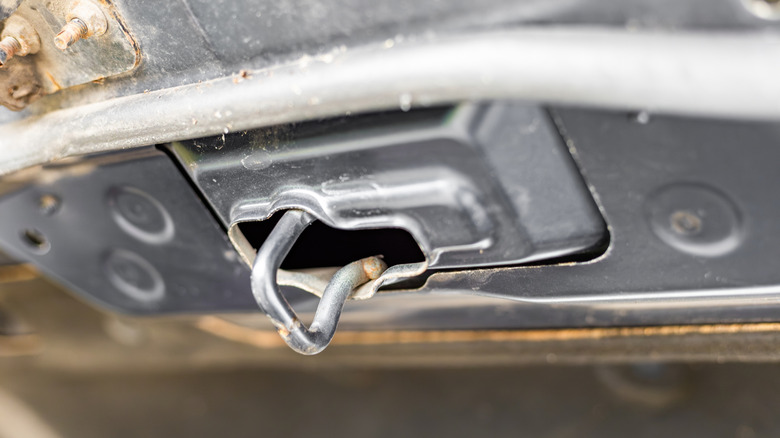
If your hood takes two tries to pop open, the most likely culprit is the latch, as it is probably dry or dirty. Old grease picks up dust over time and turns into a gritty paste, and that paste makes metal parts stick instead of slide. White lithium grease is meant to stop squeaking and sticking on car door hinges and latches, it also provides sufficient lubrication so that these parts can move more freely. This means that hood latches, trunk latches, and hinges are good places to use that can of WD-40 white lithium grease.
But you should be careful with the hinge before you spray it. This is because not every hinge is made of metal. White lithium grease suits all-metal hinges on doors, hoods, hatches, and trunks. However, hinges with rubber washers or plastic parts need a silicone spray instead. If you are not sure what a hinge is made of, look at the manual.
Ensure the hinge doesn't have dirt or leftover grease. Clean it with a rag first, so you are not putting new grease on dirt, then hold a rag behind it to catch drips. Spray the upper pin and the joint, and open and close the hood slowly so the grease can spread. If any lands on rubber or plastic, wash it off with warm, soapy water and a cloth.
Boat trailer rollers and winches
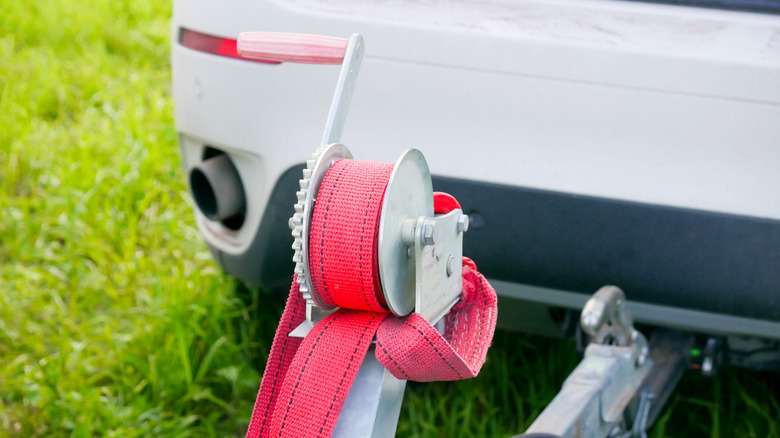
A boat trailer goes into the water and comes out again, and that is hard on anything made of metal. The rollers and the winch take most of the dives. WD-40 white lithium grease protects boat trailer rollers and winches from saltwater corrosion and keeps them working smoothly. WD-40's own data sheet lists winches, runners, and load-bearing metal connections as uses and says the grease is water-resistant and heat-resistant.
If your winch has a steel cable, you should give it some care too. Steel winch cable needs regular cleaning and lubrication to prevent rust. This is because the cable is what holds the boat, and a rusty one is a bigger problem than a squeaky roller. Simply wipe it clean and look for orange spots. If you skip this check, a small rust spot can snap the cable on a steep ramp. To avoid this situation, lubricate your cable every season.
After a trip, rinse the trailer with water and let it dry. Then spray the WD-40 lithium white grease onto the roller shafts and winch gears directly. Make sure to turn them by hand to spread the grease, and spin each roller to make sure it turns without sticking. Because a stuck roller makes loading the boat harder, you should also do this before you park the trailer for winter, and your next launch will go much smoother.
Pulleys, cables, and guide rails
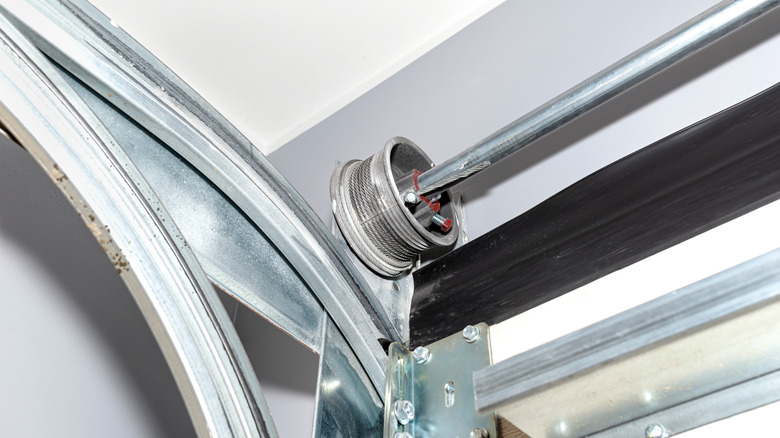
Pulleys, cables, and guide rails come under notice when a pulley squeals or a sliding part drags and won't budge. Think of a sliding gate, a garage door, or a gym machine, and you already own a few of these. WD-40 lists pulleys, cables, and guide rails among the best places its white lithium grease is made for. So, instead of the regular multi-use WD-40 can, you should pick up the lithium grease spray can for fixing any issues with these parts.
But you should not use it too much. A thin coat of the grease is enough to fix the problem, and you should wipe off the excess. This is because white lithium grease is thick and petroleum-based; as mentioned above, it can damage plastic and rubber. If you are working with cables, then a product like WD-40 Gel Lube works better since it clings to vertical surfaces and resists dripping. Similarly, products like WD-40 Dry Lube is suitable for window tracks and rollers.
So match the product to the part. Use white lithium grease on metal pulleys and the metal rails they run along, gel lube on a cable that hangs, and dry lube on window tracks. You should always check the owner's manual first, because some makers name the lubricant they prefer you use on their products. Once confirmed, simply put on a thin coat, move the part back and forth a few times, and wipe off any excess.