

4 Phones With Better Cameras Than The Pixel 11
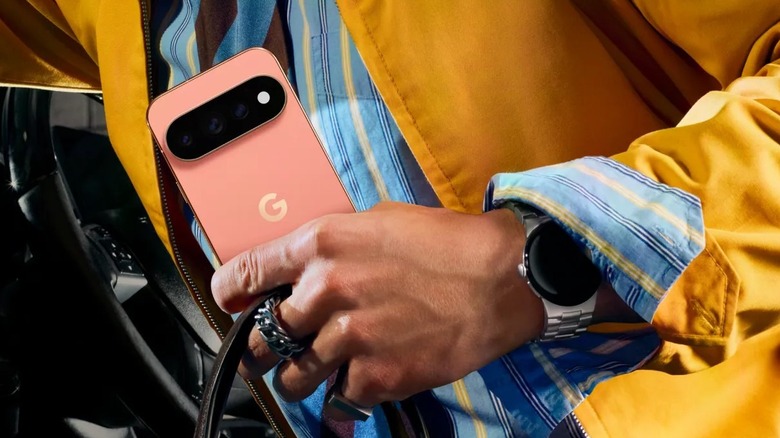
On August 20, 2026, Google's newest flagship smartphone, the Pixel 11, hit store shelves. As with every new generation, this mobile device brings a slew of upgrades, including the Tensor G6 chip for better performance, a larger battery, and, most notably, an improved camera system. The Pixel 11 features a triple-camera array consisting of a 48MP main camera, a 13MP ultrawide lens, and a 10.8MP telephoto lens. Google also increased the size of the main sensor to capture higher-quality photos than the Pixel 10. On top of that, the phone supports features like Magic Capture, which allows users to create high-quality screenshots from video recordings.
The Pixel 11 has an impressive camera system, and it's a great, affordable phone for anyone who values mobile photography. However, that doesn't mean it's the best out there. Several competing models offer camera capabilities that surpass Google's device in key areas. It's worth remembering that a smartphone camera system is more than just the number of lenses on the back. Sensor size, megapixel count, optical zoom, image stabilization, image processing, and more all influence the quality of the final photograph. These are some of the factors we considered when selecting the phones on this list.
iPhone 18 Pro
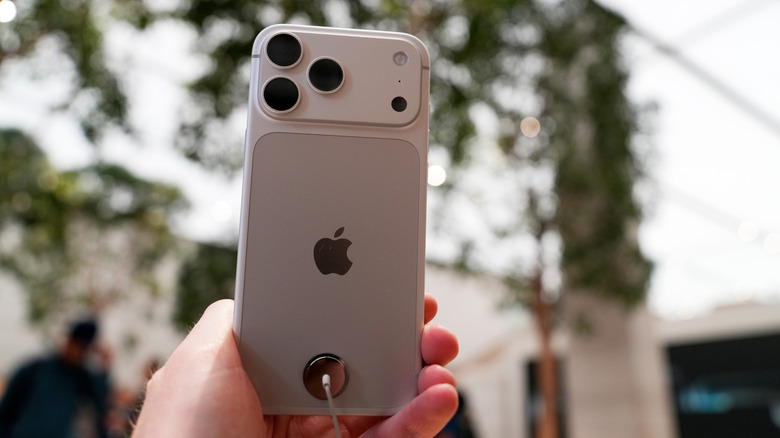
Apple's iPhone 18 Pro is a solid option for anyone who takes mobile photography seriously. Its setup consists of three 48MP cameras: a main wide lens, an ultrawide lens, and a telephoto lens capable of up to 8x optical zoom. The lenses alone already put the iPhone at an advantage over Google's device, as they ensure higher quality shots as well as clearer images of far-off subjects.
Arguably the most notable upgrade for this generation is the main camera's variable aperture, which gives users greater control over photos. It comes in four main settings: f/1.48, f/1.8, f/2.8, and f/4.0. Plus, Apple added manual controls for shutter speed and white balance. These features are what make the iPhone 18 Pro the better option for photography. Being able to finely control the camera allows for greater creative freedom. You're able to control how much light hits the sensors, how much of a scene remains in focus (or unfocused), or freeze fast-moving subjects. In fact, tweaking the aperture to f/1.48 allows the iPhone 18 Pro to capture 50% more light than the iPhone 17 Pro, resulting in great low-light photography. You won't need to rely solely on Night Mode, which can make images look pretty grainy.
As impressive as the iPhone's level of control may be, it isn't something the average user will delve deep into. It's more suited for power users. Some users might prefer the Pixel 11 as its camera is easier to use and comes with AI guidance.
Samsung Galaxy S26 Ultra
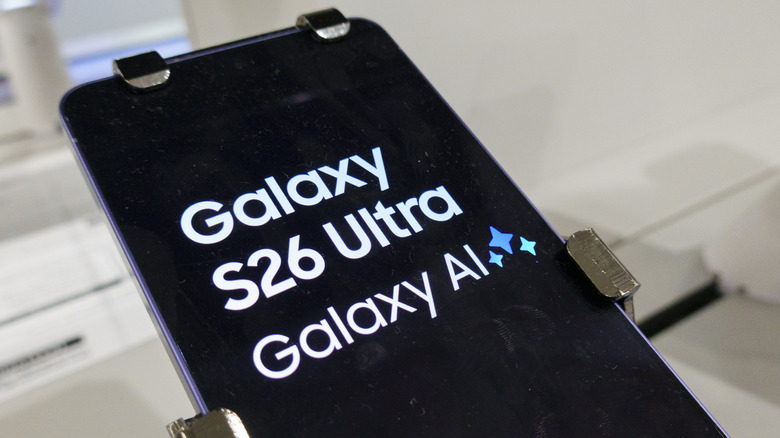
Samsung's Galaxy S26 Ultra is one of the best Android phones you can buy in 2026. In certain areas, it even outperforms the iPhone 18 Pro. The device sports a quad-camera system, consisting of a 200MP main lens, a 50MP ultrawide option, a 50MP telephoto lens with 5x optical zoom, and a 10MP telephoto lens with 3x optical zoom. An array like that is superior to the Pixel 11 cameras. Samsung's higher-resolution sensors are more capable of capturing the finer details in an image. The phone even provides digital zoom up to 100, giving the S26 a considerable advantage when photographing distant objects.
Specs-wise, the S26 Ultra retains much of the same camera hardware as the S25 Ultra, although there are a few notable differences. For example, the main camera has a wider f/1.4 aperture to let in more light. The same goes for the 50MP telephoto lens — it now has an f/2.9 aperture instead of f/3.4. And the more light that goes in, the higher the image quality you'll receive.
It may seem unfair to compare a powerful mobile device like the S26 Ultra to a base model like the Pixel 11. The former has better hardware, but Google's device arguably has better software. Real Tone is one such example. By utilizing specially-tuned AI models and algorithms, the Pixel 11 is more capable of accurately portraying various skin tones. Camera Coach is another, providing step-by-step guidance on how to compose a shot. This helps inexperienced photographers without needing to dig through complex menus.
2026 Motorola Razr Fold
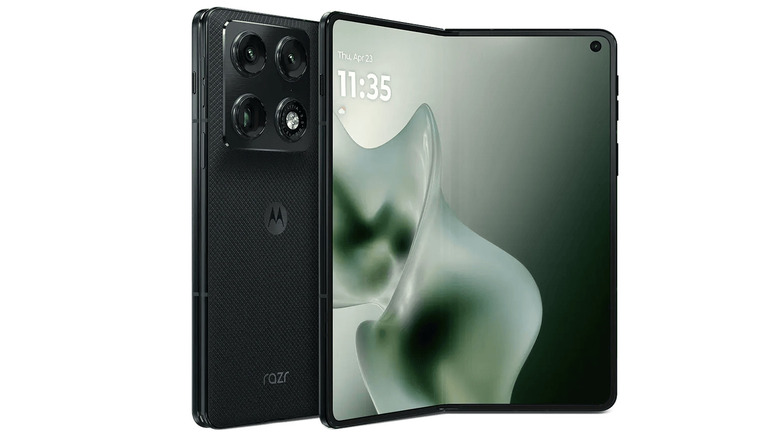
Motorola's 2026 Razr Fold makes a strong case for having one of the best cameras on a foldable phone. Its system consists of three 50MP cameras: a main lens, a 122-degree ultrawide lens, and a telephoto option with 3x optical zoom. Like the other phones on this list, this array offers plenty of flexibility for different types of photography, whether you're capturing nearby subjects or far-off landscapes. Not only that, the Razr Fold excels at video recording. The rear cameras can capture 8K footage at 30 FPS (frames per second) and 4K footage at 60 FPS. By comparison, the Pixel 11 tops out at recording 4K video at 60FPS.
Motorola has equipped the Razr Fold with the Sony LYTIA 828 sensor. It's pretty large, measuring 1/1.28 inches and has a wide f/1.6 aperture. Components like these allow the Razr Fold to capture a significant amount of light and preserve vital image detail. If we look at the Pixel 11 specs once again, we see that the largest sensor on the device is the main camera's 1/1.56 inch sensor.
This is a notable achievement for Motorola. The thin bodies of foldables make it difficult to fit robust camera components. Historically speaking, devices like the Razr Fold have had lackluster cameras. But the use of the LYTIA 828 allows the Razr Fold to deliver a flagship-level camera system. The major downside is that Motorola's phone is incredibly expensive at $1,900.
Oppo Find X9 Ultra
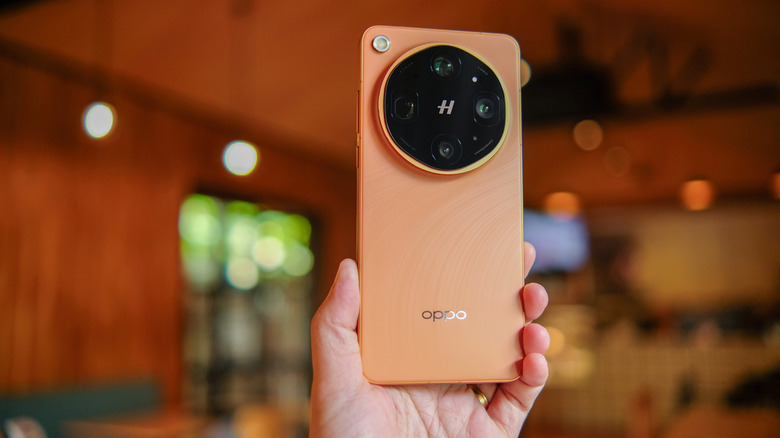
Finally, we have the Oppo Find X9 Ultra, a powerful device like no other. Developed in partnership with camera company Hasselblad, the Find X9 houses a four-lens system consisting of two 200MP sensors, a 50MP ultrawide, and a dedicated 50MP telephoto with 10x optical zoom. So it's not too dissimilar to the Galaxy S26 Ultra, but here's where it gets interesting. Those four cameras work alongside the device's LUMO Image Engine to deliver what Oppo calls the eight focal lengths. This means the phone has the equivalent of eight individual lenses thanks to this software. They range from 14mm for ultra-wide shots to 460mm for far-off pictures.
Hardware is only part of the experience. Oppo gave its smartphone interesting software features, enhancing the user experience even further. It supports Hasselblad Master Mode, allowing users to control certain camera settings, such as ISO, shutter speed, and white balance. Like the Motorola Razr Ultra, the Find X9 can record 8K video at 30 FPS.
The camera system of the Find X9 Ultra blows the Pixel 11 out of the water. Google's device doesn't have the eight focal lengths or Master Mode or any of the features that this phone has. Oppo's model does fall into the same issue as the iPhone 18 Pro in that most users probably won't use the hardware to its fullest extent. The Pixel 11 is easier to use, and a low barrier to entry matters a lot. Also, the Find X9 Ultra isn't available for purchase in the United States — at least not officially. Your best bet at owning one is buying it off third-parties like eBay.