

11 Common Leaf Blower Problems (And Potential Fixes)

Leaf blowers are one of those products in our garages that get all the attention in fall and hardly any the rest of the year. They sit in the garage for months, and you usually don't reach for them until the day your yard is buried in leaves. But the worst part is when you pull the cord, plug it in, and the thing coughs, dies, or does nothing at all.
That's not what you want, especially if you are just starting your day. A blower is worth more than most people think. Beyond the yard, you can use it to dry a car after a wash, clear a light layer of snow, or blow dust out of a vacuum filter. So when it doesn't work, you lose quite a lot. The good news is that blower trouble is usually simple. Gas models tend to fail for the same few reasons: fuel that went bad, air that can't get in, or a part got clogged while the machine sat unused.
Battery models have their own issues, but many of these problems come down to a quick check, not a fat repair bill. Yet buying a good machine doesn't make you immune to such issues. While Stihl has some of the best leaf blowers, owners of that brand still run into the same troubles as everyone else. Price and a famous name don't protect you from stale fuel or a dirty filter. Here are 12 common leaf blower problems and their potential fixes that are most likely to get you back to work.
Old fuel is clogging your blower
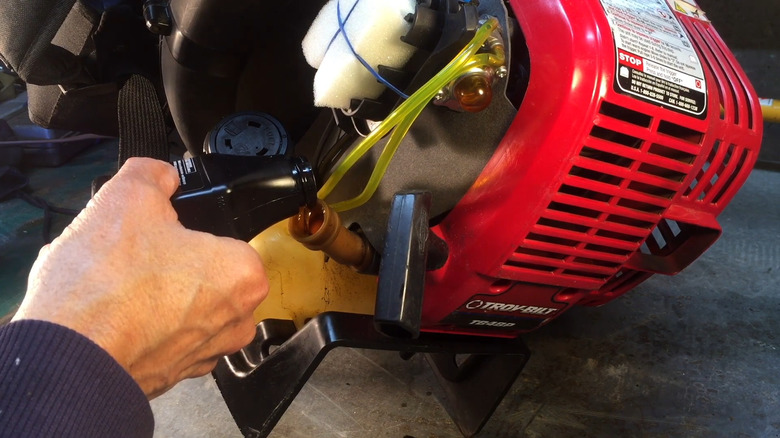
The first thing to do when you are about to take out your leaf blower is to remember when the last time you used it was. If it's been several months, the fuel inside has spent a good amount of time sitting in your leaf blower. Sadly, gas can begin to turn stale in about a month, and as it ages, it forms a greasy film that can block parts of the fuel system. The result? You end up with a blower that is hard to start, runs rough, or simply does nothing.
This is easily detectable even before you pull the cord. Just take off the cap and sniff. Fresh gas smells like gas, while old gas gives off an odd smell. Besides, you can also pour a little into a clear jar. If it looks dark or cloudy, or has some bits floating in it, you should throw it out right away. Blower manufacturers like STIHL recommend to never use fuel mix that is more than 60 days old, whether it is kept in the can or the tank.
To fix the issue, drain the tank and refill with fresh fuel. Stihl suggests you can avoid the issue in the first place by running the blower until dry and then cleaning the spark arrestor screen in the muffler, replacing the fuel filter, and cleaning or replacing the air filter (depending on its condition) before putting your blower away for long-time storage.
It won't restart when the engine is hot
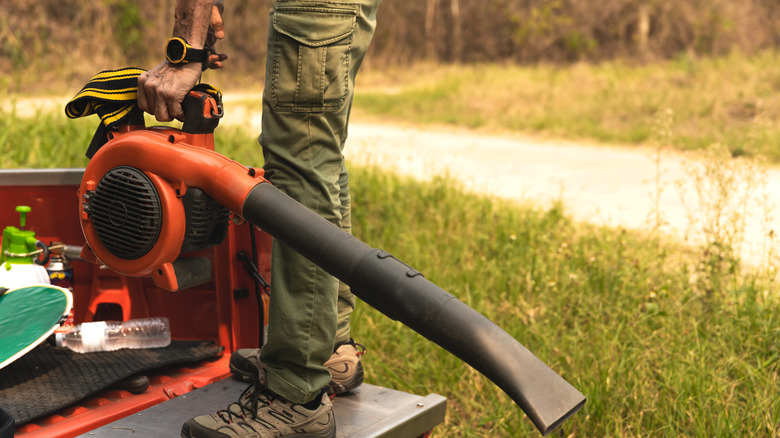
This one is quite annoying because it can happen in the middle of a job. Imagine you turned the blower off to move a ladder or grab a drink, and when you come back, it just won't turn on. The usual reason here is something called vapor lock. Heat turns the fuel into vapor before it reaches the carburetor, so the engine gets air but not enough liquid fuel. Hot days make it more severe, and so does winter-blend gas that's still in your can after the weather warms up.
To fix vapor lock across most gas-powered models, start by cracking the gas cap open for a few seconds. This relieves the pressure buildup and allows the trapped, vaporized gas to escape. After retightening the cap, press the primer bulb about 10 to 15 times. Even if it already looks full, pumping it pushes the remaining hot vapor out of the fuel lines and draws cooler liquid fuel up from the tank. Avoid giving it a full choke because applying choke to a hot engine restricts air and will instantly flood it.
If it still won't start, or the problem keeps coming back, you should stop and let the blower cool all the way. Let it rest in the shade for 15 to 20 minutes. Moving forward, make sure you use gas blended for the season, and keep winter blends out of your summer work.
It starts, then dies a few seconds later
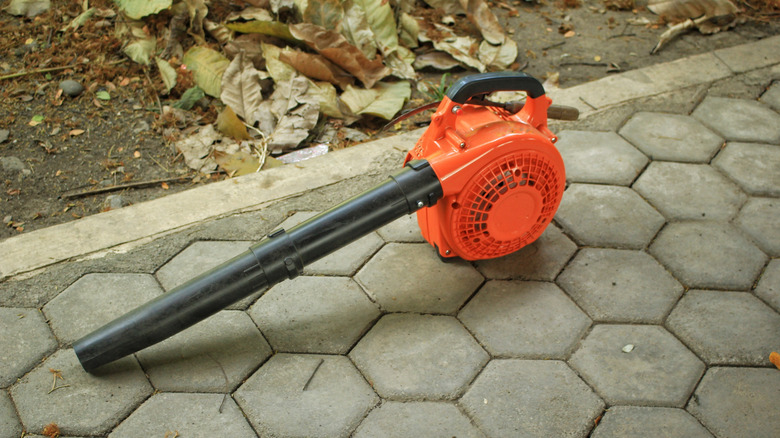
A blower that fires up and then dies a few seconds later is showing you a key sign: it has enough to start, but not enough to keep going. Manufacturers generally say this happens because of an imbalance in the combustion process. Meaning the engine is struggling because it's missing gas, air, or a solid spark. The good part is there are only a few areas that you need to look for in such a situation, and you can check them in minutes. Simply, turn the blower off, let it cool, and disconnect the spark plug before you start.
Start with easy checks. Is there fresh fuel in the tank? Old fuel can clog the system and cause stalling, and gas in a small engine starts to spoil after about 30 days of sitting. After this, look at the choke. On a cold start, it should be on full, but once the engine is running, it has to go back to RUN. A choke left on full can make the engine stall right after it starts.
Then you should move to airflow. Take the air filter off and clean or replace it, since a dirty one can choke the engine. Then take out the spark arrestor and clean it with a wire brush, because carbon builds up there. If it's badly clogged, replace it with a new one. If the blower only dies when you tilt it, the fuel filter may not be reaching the fuel, or the fuel line may be blocked.
It loses power while you're working

This is a puzzling one. The blower starts fine and idles fine, but as soon as you press the trigger, it bogs down or can barely move any leaves. The most common cause is the spark arrestor, the fine metal screen inside the muffler. Dust particles build up on it, and at higher speeds the exhaust can't get out. A clogged screen is a common problem in blowers, and cleaning it can restore full power almost right away.
But that's the only reason. A blocked air intake is also one of the major causes of this problem. Leaves and dust pile up in it, and the engine gets less air and runs hotter. To fix this, you need to stop the blower, let it cool, and clear the debris. Then pull the air filter and clean or replace it. Also, you need to ask whether the job suits the tool or not. If you mostly want to collect leaves, a leaf vacuum may fit better.
If nothing fixes it, go back to fuel and spark. Drain old fuel for a fresh mix at the right fuel-to-oil ratio, then pull the spark plug and clean or replace it, since a bad one can cause uneven power delivery. If your leaf blower loses power only after a few minutes of work, overheating is likely the reason, so check the intake and exhaust for blockages.
The wrong gas is hurting the engine
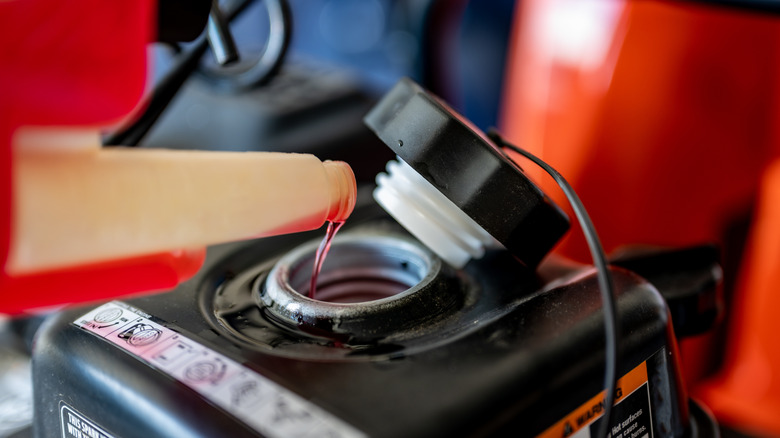
This usually happens at the pump. Small engines like the one in a gas blower are built for fuel with no more than 10 percent ethanol, known as E10. If you are not sure, you should read the manual to know the exact limit for your model. The Outdoor Power Equipment Institute (via NurseryMag) warns that fuel with more ethanol than that can cause engine damage, including unnecessary vibrations, extra heat, and engine failure. Plus, it can void your warranty.
Wrong fuel also means a dozen other problems. The blower runs rough, sputters, or won't start when you try to turn it on after a long rest. Ethanol is a big part of that, because ethanol attracts water, and water is heavier than gas. So, it settles at the bottom of the tank and gets pulled into the engine. Ethanol blends can also break down in as little as three months, which is why fuel left over winter causes so much trouble.
To fix it, you need to drain the tank and refill with fuel that has 10 percent ethanol or less. Make sure you're sticking to the fuel needs of your blower rather than taking a guess. Ethanol-free gas is the safer pick if you can find it. It doesn't absorb moisture, so a blower that sits for a while still starts easier.
It won't start at all
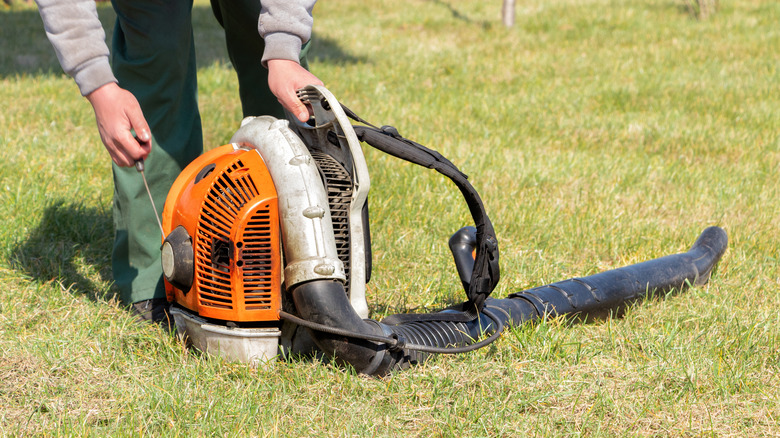
You take out the blower, pull the cord, but nothing happens. Before you decide to get a new one or take yours to a repair shop, you should pay attention to how the cord feels. If it pulls smoothly but the engine never fires, the problem is fuel, spark, or air. If the cord feels stiff, the starter itself may be at fault. Experts advise removing the blower housing, checking the cord for fraying, and making sure the pulley and spring work.
Start with fuel, since it's the cheapest check. Gas that has been sitting in the tank for more than 30 days is a common reason for a blower that won't start. Simply drain the old fuel and refill it with a fresh gas-oil mix. Next, take out the spark plug and clean it with a wire brush; if it's damaged, it should be replaced. A dirty carburetor is another usual suspect, and it is the most common cause, especially after a long rest. Spray a short burst of carburetor cleaner into the air intake and see if this helps.
But even after a fresh plug, clean fuel, and a clean carburetor do nothing, the engine may have lost compression. And that is a job for a repair shop.
It's blowing out smoke or smells like gas
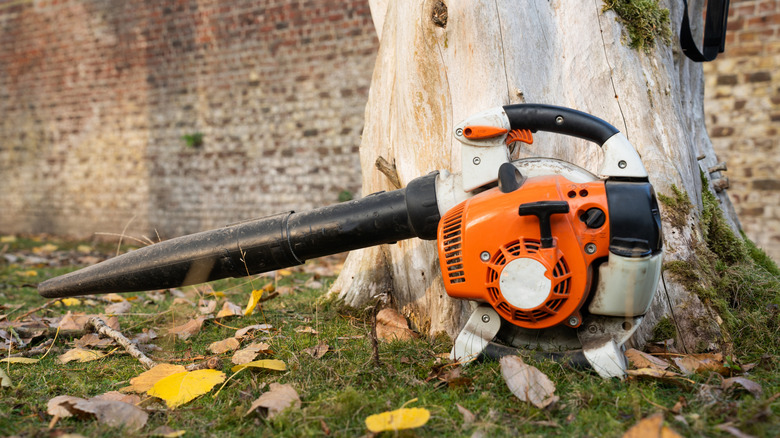
A little smoke from your blower isn't always a disaster. Small engines often make white smoke when oil on the outside of the engine burns off. It usually clears up on its own. Wipe off any spilled oil or fuel mix after you fill up, once the engine has cooled down. However, never ignore a steady stream of smoke. Too much oil in your fuel mix can be the reason behind this problem, and too little can damage the engine.
So, it's important to double-check the ratio on your can. For the right mix, you can search the internet for your model or look into the manual. If the mix is correct, look at the exhaust side. A clogged exhaust port, or a spark arrestor and muffler full of carbon, can make smoke too. Clean the port gently with a brush or a small scraper to clear the carbon off the screen. Empty the fuel tank and let it sit for some time before you start.
A fuel smell without smoke is a different story altogether. You should look at the tank, fuel lines, and connections for wet spots or cracks, and basically replace anything that leaks. Wipe up any spills first because a fuel leak is a fire risk. If the smoking doesn't stop after all that, then the piston or cylinder may be damaged, and it's time for professional hands to take over.
It shakes or rattles too much
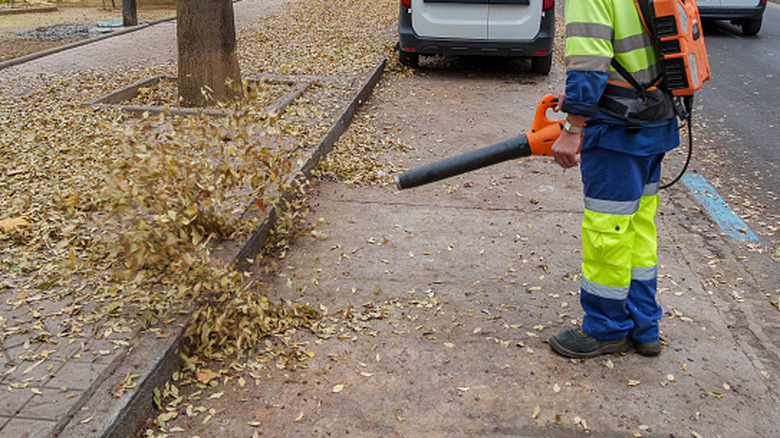
A blower that suddenly shakes in your hands is a sign of something, and it's rarely good news. Vibration can be because of loose screws, bolts, or fasteners, so tighten them all. Make sure to empty the fuel tank and let the engine cool completely first, then grab the right size tool so you don't strip anything. After this, you should check for a cracked or damaged fan, especially with blowers that double as vacuum, which throws the blower off balance and has to be replaced.
Some rattles also happen from parts that were weak from the start. There are a bunch of blowers that are quite famous for issues such as tubes that won't stay attached, handles that break, and plastic switches that jam. If your blower rattles where the tube meets the housing, check that the tube is fully seated and locked before you target your eyes towards the engine.
But that is just the tip of the iceberg. Worn starter parts, damaged engine mounts, a damaged impeller or flywheel, and worn rings or bearings can all cause heavy shaking, and they are harder to detect for someone who doesn't know the internals, so fixing any of these would require a professional. It's better to pay for a small repair now than a big one later.
Your battery blower is dead
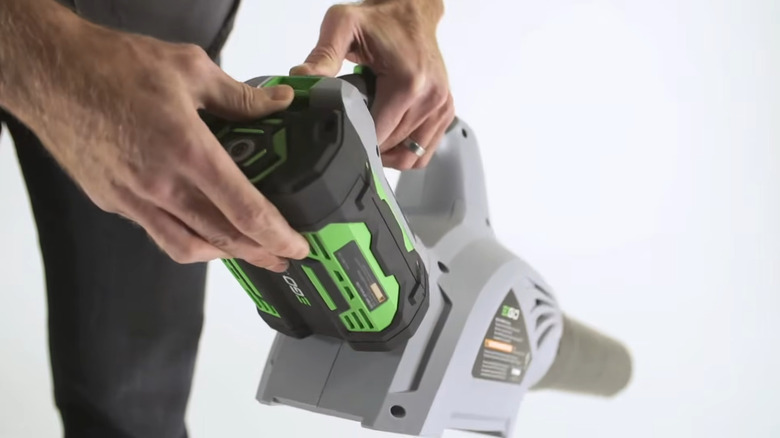
You press the trigger and get nothing, not even a hum or power light. Before you decide to blame the battery, run through three quick checks. The usual reasons a blower stays silent are that the battery isn't attached, the contacts aren't touching properly, or the battery 's empty. Take the battery out, check the contacts, and push it back in until it's perfectly connected.
Additionally, the blower won't run if the battery or tool is too hot, and both need to cool down to their normal temperature to function. If you were just working hard on a warm day, you should wait a while before turning it on and deciding if something is broken. For new machines, it is recommended to charge the new battery before its first use.
If it still won't work, the battery itself may be worn out. For example, a Milwaukee battery typically lasts two to five years before it reaches the end of its life cycle. Some batteries may also give a false signal. They can show a green charging light and still fail because of a dead cell. Put the same battery in a different charger, and test the charger with another battery. That one test shows whether you need a new battery or a new charger. A battery that charges only partially after being plugged in for many hours can also point to a bad charger.
Your battery blower keeps shutting off
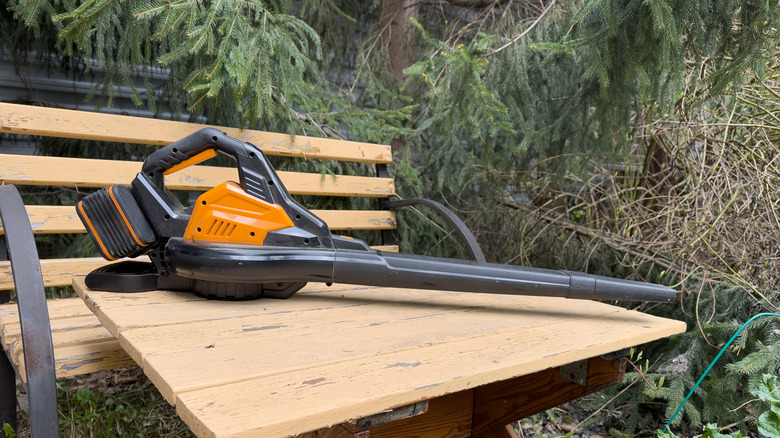
Similar to a gasoline blower, a battery-powered blower can also cut off midway. This can be frustrating, as it works just long enough to make you think it's fine. To fix this, you should check for any moisture or debris on the battery and tool contacts. Let the battery dry or gently wipe it clean. Then connect the battery again to the blower and check if it works. You can also charge it if it's low.
Temperature is the next suspect. For example, Toro recommends that you use one of its blower models in temperatures between 32 degrees Fahrenheit and 120 degrees Fahrenheit, and to charge and store the battery between 41 degrees Fahrenheit and 104 degrees Fahrenheit — different brands, of course, will have different tolerances. You should also avoid storing the battery in a vehicle or outdoors. A battery that is too hot or too cold may also refuse to charge at all. In such cases, you should bring it inside and give it time to cool off before you try again.
Ensure you are using the appropriate charger. There are also chances that the battery you are using is of a lower capacity and may be too small for the job, in which case using a larger one with a higher Ah (amp-hour) rating can solve the issue. Moreover, if your blower has an older battery, it will naturally hold less charge as lithium-ion capacity gradually declines over many charge cycles.
The airflow is weak

You turn on the blower and direct it towards fallen leaves, but those leaves barely move. Start with the simplest cause. When the air speed drops noticeably, debris may have gotten in the way of the air inlet. So remove the battery and clear it out. You should ensure that the air openings are free of dust, lint, and hair, and clean the inlets before you store the blower. Make sure to take the battery out before you clear a clog.
The other cause could be heavy wear on the motor fan. To fix this issue, you need to visit a service center. You can also check if the battery is fully charged or not, because this could also be why a blower won't reach full power.
If the inlets, tube, and battery are all in good condition, then the issue might be internal. According to repair specialists, heavy wear or damage to the internal fan drastically reduces performance. If the blades are chipped from sucking up rogue pebbles through the intake vents, it will have a hard time pushing air effectively.