

5 Downsides Of Mild Hybrids (MHEVs) You Should Know Before Buying
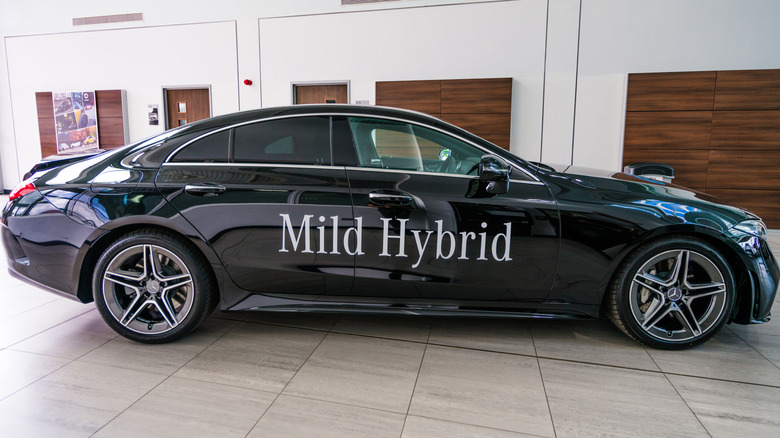
The world of electrified cars these days is the broadest it's ever been. Buyers can pick from EVs, conventional hybrids, plug-in hybrids, and now even mild hybrids, a category that has spread across the industry and can be found in all types of cars. If you've seen a badge reading "eTorque," "EQ Boost," or simply "48V" on a car you're considering, there's a good chance you were looking at one too.
MHEV stands for mild hybrid electric vehicle. Unlike a traditional hybrid, a mild hybrid can't drive on electric power alone. It uses a small electric motor, usually a belt-driven or integrated starter-generator, to assist the gasoline engine. It's backed by a compact battery that serves more like a helping hand, rather than a second powertrain that can take over.
Early systems did little more than shut the engine off at red lights at very low speeds and restart it a bit more smoothly. Modern setups built around 48V electrical systems do far more. They can fill in torque gaps while the turbo spools up, let the engine switch off while coasting down the highway, and power accessories without tasking the engine.
Mild hybrids can deliver smoother stop-start, a more responsive throttle, and fuel economy gains, all without the plugs, big battery packs, or price jumps that come with full hybrids and PHEVs. However, that's only half the story. Before you sign on the dotted line, there are some downsides of MHEVs you should know before buying.
Can't drive on electric power alone
Hybrids have plenty of perks, but arguably the biggest one is the ability to shut the gas engine off entirely. That's where the real savings come from, and it's partly the reason electric cars exist. Even the name implies it: "hybrid" suggests a car that can run on two different powertrains, and "mild" makes it sound like it can do it a little bit. It can't.
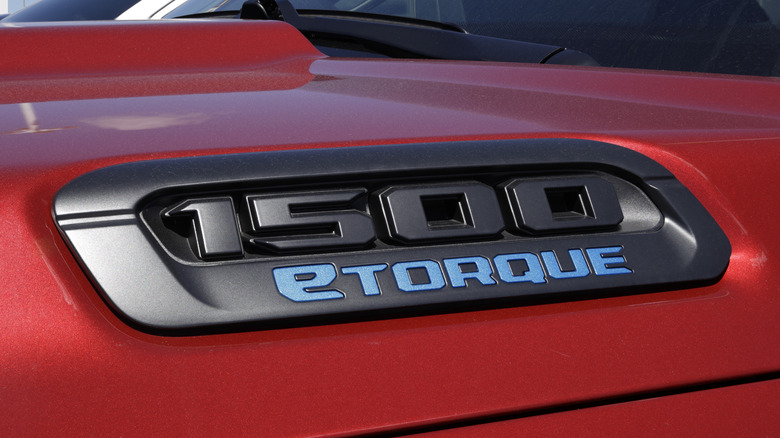
The U.S. Department of Energy says so plainly: "Mild hybrid systems cannot power the vehicle using electricity alone." In other words, the electric-only range of a mild hybrid is zero. What the motor actually does is assist. The 2019 Ram 1500 V6 with eTorque, for example, gets 12 horsepower and up to 90 pound-feet of torque from its electric motor. That's barely a nudge for the gas engine, let alone a substitute for it.
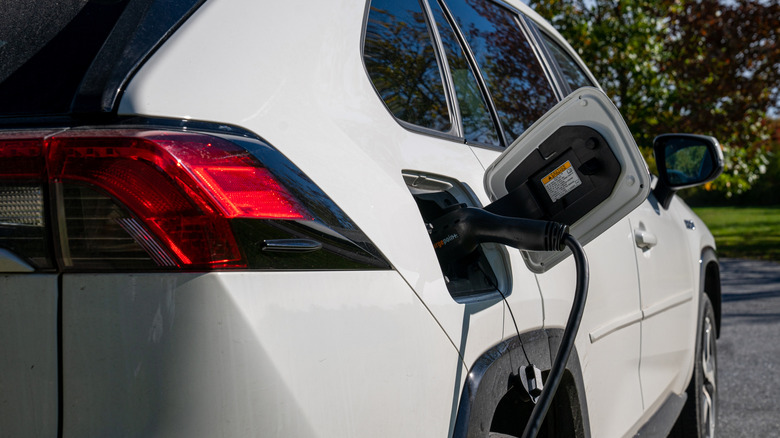
In real-world driving, it gives you little that makes a meaningful difference. Other hybrids deliver on that promise to varying degrees. The 2026 Toyota RAV4 Plug-in Hybrid, in SE and XSE form, is rated at 52 miles on battery power. Moreover, this can just complicate things for buyers who believe a mild hybrid can actually deliver some electric range.
This is also why knowing whether a car is a true hybrid or not is one of the most important things to consider when buying a hybrid vehicle. That doesn't make the technology useless, but it does mean you're buying a gas car with a little help, not one that can ever run without gas.
It saves little fuel
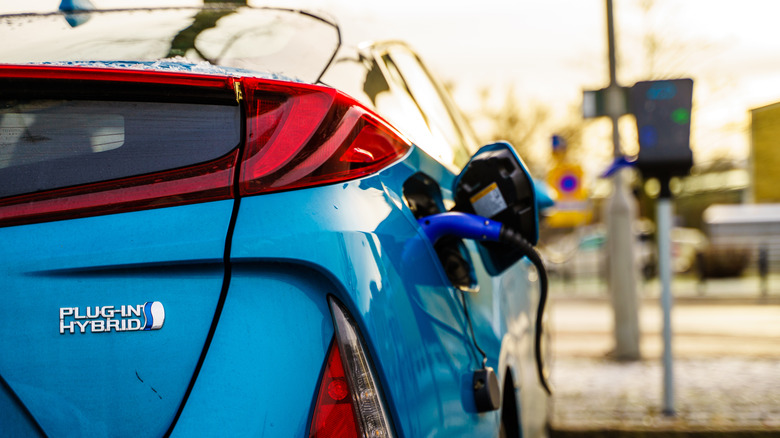
Besides being able to run on electric power alone, the other big promise of a hybrid is to save fuel. This is where plug-in ratings can look ridiculous. The 2026 RAV4 plug-in hybrid gets great MPG, for instance, and Toyota lists it at 94 MPGe or better, depending on trim. Run on electricity, that's roughly three times the up-to-30 mpg combined of the 2025 RAV4, the last gas-only RAV4 you could buy.
A regular hybrid is the fairer comparison, and it still wins big. The 2025 RAV4 Hybrid is rated at 39 mpg combined, against 30 for the gas version, which cuts its fuel use by almost a quarter. That's a gap you're bound to notice at the pump. Mild hybrids are a different story. The 2019 Ram 1500 V8 went from 17 to 19 mpg with eTorque, which cuts fuel use by about 10 percent, less than half the RAV4 hybrid's cut, though it is a different vehicle.
In other words, MHEVs offer mild savings. That eTorque option cost $1,450, though the price included a couple of extras. A 2021 simulation published in Case Studies in Thermal Engineering put the savings of a 48V system between 1.7% and 7.7%, depending on the drive cycle.
Real-world results vary even more. The Australian Automobile Association tested a mild-hybrid Suzuki Swift that used 18% less fuel than its gas-only version, and a mild-hybrid Subaru Forester that used 2.8% more. With results ranging from a double-digit cut to a loss, fuel savings alone make a weak case for paying extra, especially when most full hybrids save more.
It adds complexity
Added complexity is one of the drawbacks of hybrid cars that people often cite, and on paper, it makes sense. A regular hybrid carries two means of propulsion, and by sheer numbers that gives more parts a chance to go wrong. A mild hybrid isn't the same thing as a true hybrid, but it isn't a plain gas car either. It adds a small electric motor-generator and a second, 48V battery, hardware a gas-only car does without.
Every extra part is one more thing that can fail once the warranty runs out, and these parts aren't free to replace. That doesn't mean they fail often, only that there's more to pay for when one does. A full hybrid's high-voltage battery is the costly part, with replacements on Lexus hybrids estimated at anywhere from about $5,200 to about $7,000.
A mild hybrid's is smaller and cheaper, but a new mild hybrid battery can still cost about $1,500 on average for the part alone, with prices from roughly $800 to $2,100 across ten batteries on sale in the U.S., mostly for premium brands. SEG Automotive's repair guide says its 48V unit adds an inverter to the alternator. It also points out that the 48V system has no reverse-polarity protection, so a wiring mistake can damage or disable it, and calls a replacement "comparable to replacing an alternator."
None of that would matter much if the payoff were large. But as covered earlier, a mild hybrid can't drive on electric power at all, and its fuel savings are modest next to a regular hybrid's. You take on extra hardware, and a possible repair bill, for a relatively modest gain.
It can cost more money
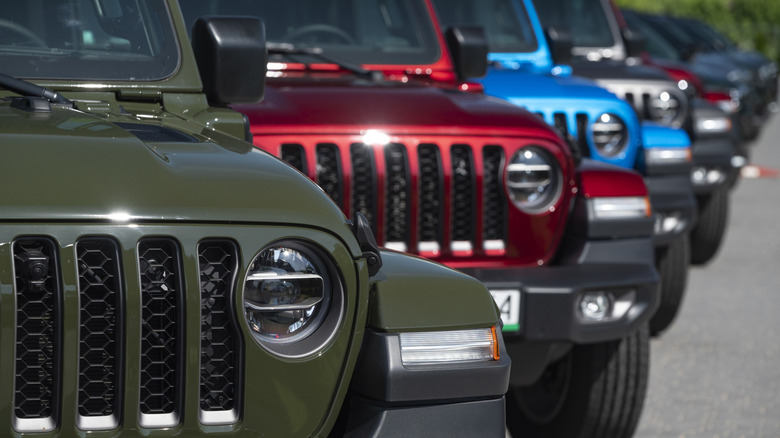
Does a mild hybrid cost more to buy? Sometimes it does, and sometimes there's no way to tell for certain. When automakers price it as a separate option, it has added to the bill. For example, Ram's website listed eTorque on the 2019 Hemi V8 at $1,450, though one truck's window sticker showed $1,995 and the package included a couple of extras.
The 2020 Jeep Wrangler Sahara's V6 had a $1,000 eTorque upgrade, with the automatic transmission priced on top. Other times, there was no separate charge: Ram didn't bill extra for eTorque on the 2022 V8. In some cases there's no non-hybrid version of the same engine to compare. The 2026 Ram 1500's base V6 comes with eTorque as standard, and Land Rover offers mild-hybrid systems across several models in its lineup.
Mild hybrids cost less than full hybrids, and Kelley Blue Book says the system "only modestly adds to a vehicle's purchase price." So, a mild hybrid can add to the price when it's a separate option, and can't be priced when it's standard. The difference may not be big enough for you to even care.
Funnily enough, Toyota Australia, which sells full hybrids, is calling out automakers for stretching the definition of hybrid, and doesn't count 48V systems as hybrids even on its own trucks. That's a competitor's view on labels, not prices, but if you accept it, even a small premium is harder to justify when the benefits are this mild.
Limited environmental impact
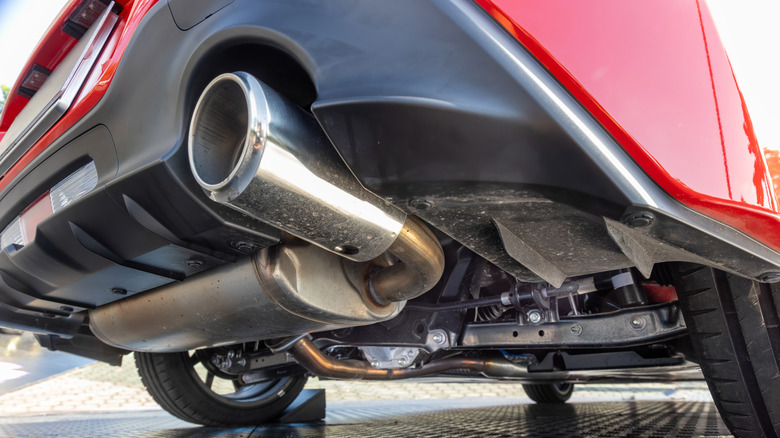
Environmental friendliness is also one of the more widely recognized benefits of a hybrid. When a hybrid runs on electric power, it isn't producing any tailpipe CO2, which makes the car a whole lot cleaner. However, since a mild hybrid can't be driven on electric power alone, it still relies on the combustion engine, so its effect on the environment is, you guessed it, rather mild.
How mild, exactly? The International Council on Clean Transportation (ICCT) conservatively estimates that the most common mild hybrid cuts CO2 by about 7% in lab tests, compared with a car that already has stop-start, and fancier designs reach almost 16 percent, plus another 5 to 10 percent with bigger motors and engine tuning.
A 2019 analysis of real-world test data by Emissions Analytics, as covered by Fleet News, found an 11% cut for a gasoline mild hybrid, against 34% for a full hybrid. Where you drive matters too; the gains are biggest in urban and rural driving and smallest on the highway, where one simulation the ICCT cites predicted little or even negative benefit.
Electric power on board doesn't fix everything, either. In some cases, hybrids may produce similar amounts of pollution as gas vehicles. That's a plug-in problem, not a mild-hybrid one, but it shows a hybrid badge only helps when the electric side does the work. In a mild hybrid, it can't.