

7 Common Mistakes When Cleaning The Chrome On Classic Cars
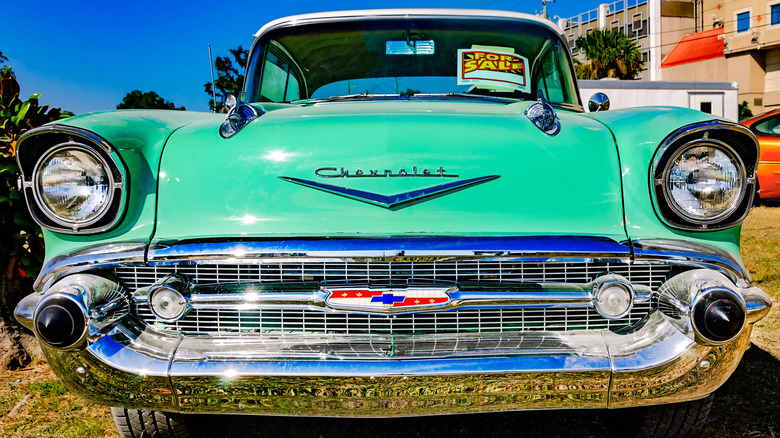
Gleaming runs of quicksilver bright trim, engine bays sparkling like a jeweler's display case, and white hot exhaust pipes glinting in the sun — chrome conjures up good vibes and old school nostalgia, and it looks good doing it. The trick, as they say, is making sure it stays that way. Nothing will make an old guy cry into his oily rag faster than watching some noob take a scotchbrite pad to the vintage chrome bumper of a '57 Chevy.
I've been privileged, or cursed, to have both personally owned and professionally dealt in a variety of vintage machines that have been well and truly festooned with chrome. From classic Pontiacs to old Harleys, many of my favorite rides came with a side hobby of caring for chrome. Like it or not, you have to take proper care of vintage bright work. Poorly cared-for chrome can quickly lose its charm. Sadly, there are myriad ways to go wrong, just as there are many different types of chrome that you might encounter when putting the shine to a classic vehicle.
Knowing the right techniques, the proper materials, and the common pitfalls, and a little of the science behind responsible car care, can go a long way to keep your vintage machine looking shiny and sharp, rather than dull and distressed. In this round up we will point out some best practices you can implement if you want your classic chrome to look its best, now and in the future.
Reaching for harsh abrasives
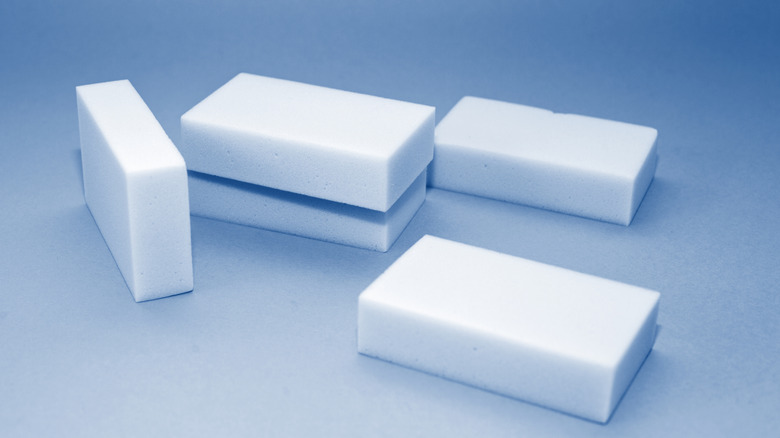
Don't grab the steel wool to get through tough surface grime on the chrome pipes and trim of your classic car. It may feel like you can make faster progress with a product that has some bite, but you risk hazing and micro scratches that are an invitation to corrosion.
Real chrome is fairly durable, hence its longstanding position as a go to automotive finish for decades, but it is not armor plating. If you give it a beatdown with high grit materials, it will suffer. Real chrome does not need physical abrasion, it needs gentle cleaning. Avoid stainless steel polishes like Barkeeper's Friend, or stealthy abrasives such as Magic Eraser style sponges, whose foam becomes hard and abrasive when wet.
Instead clean your chrome with soft chamois clothes, microfibers, or other dedicated non-abrasive cleaning aides designed for automotive use. Be sure to turn the cloth often to avoid buildup of dirt and grime in one spot. If the cloth becomes visibly dirty, switch to a new one. If you happen to drop your cloth on the ground mid cleaning, set it aside for cleaning and use a new one. Grains of sand and dirt that are invisible to the eye can still do considerable damage to chrome.
Using household detergents
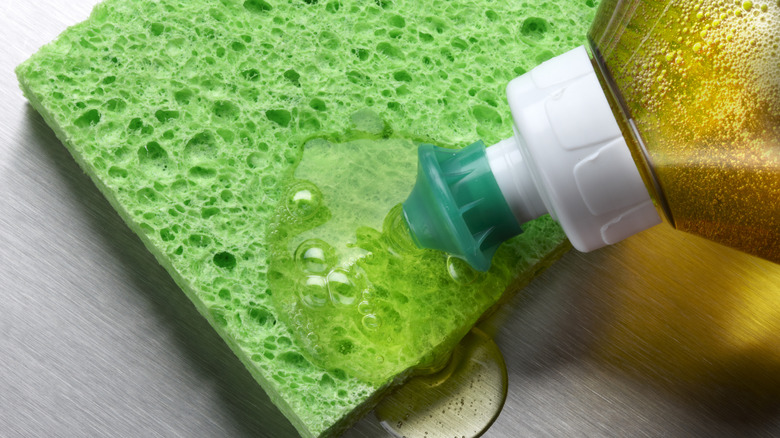
Dawn dish soap may be alright for your ceramic plates, and apparently oily ducks, but it is not what you should be reaching for when it is time to buff up your classic chrome. Dedicated cleaners may be significantly more expensive than whatever you happen to have under the kitchen sink, but you do not actually use much in any given cleaning session, so the per application cost is trivial compared to the inadvertent damage that can be done by the wrong cleansers.
Acidic cleaners can damage delicate chrome. Soaps with a heavy de-greaser, such as those designed to break down the oily cooking residue off of stainless steel pots and pans in the kitchen sink can do damage to your chrome, particularly if used repeatedly over time. The same applies to glass cleaners and wheel cleaners, which often contain ammonia or acids designed to cut through heavy deposits, which can etch your delicate chrome finish.
Chrome is actually quite thin. On a classic car it is the product of an electroplating process that produces a strong and uniform deposition of chrome on the part, but is particularly vulnerable to chemicals in the more active areas of the periodic table. By not sticking to cleaning products directly designed and marketed to clean chrome, you are playing Russian roulette with your finish, and are liable to end up with a milky, pitted, or swirled finish.
Working on chrome that is hot
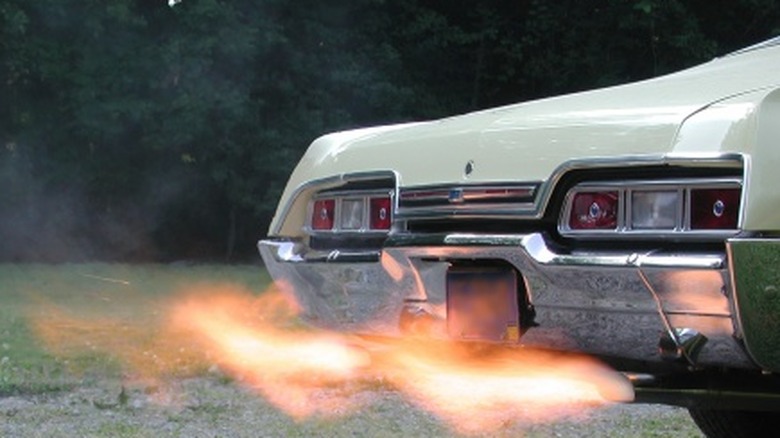
Be cool man. When it is time to get after your chrome, particularly parts that pass heat like exhaust and certain components in a classic car's engine bay you must let it cool down first. If you're driving over to the local car wash to spend a Saturday afternoon polishing up your pride and joy, be sure to give it a little time once you get there, or thoroughly wet down your parts to bring down the heat.
If you go at an exhaust pipe or shiny headers still hot from the road, you're setting yourself up for trouble. The heat of these components can instantly steam off the water and leave any cleaners behind as a baked-on residue. This will leave spots and hazing that appears like calcium build up on a dirty sink.
Furthermore, your cleaning cloths themselves can become problematic on hot surfaces. Even if you stay away from, for example, hot exhaust pipes and just stick to cleaning the rest of the surfaces that stay cool, you may still risk damaging your chrome. Many cleaning cloths you may pick up from the parts store or the automotive section of the box store are synthetic materials, containing polyester or other petroleum derived materials. Accidentally dropping one of these on a blazing hot exhaust pipe or engine component can instantly melt the fibers to the surface and require meticulous scraping with a softer metal, like a brass shim or aluminum foil, to carefully remove the residue.
Treating all chrome components the same
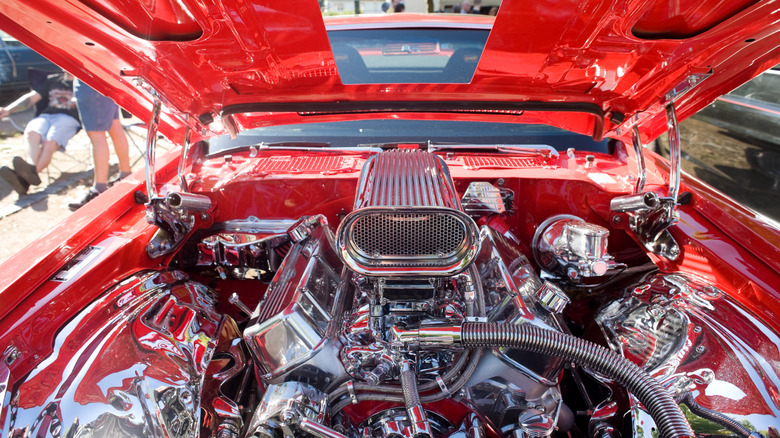
Being shiny does not mean it is the same material. Working on your tail pipe the same way as you would a chrome interior badge is asking for trouble. Engine bays go through thermal cycles that trim pieces are not subject to, and so they require a different process to keep them shiny. Trim pieces with a chrome finish may be composed of light pot metal or even plastic, and hitting them with a cleaner meant for an engine bay risks melting or warping the underlying material that the chrome sits on.
After you have shined up a model badge, or a chrome hood ornament, it is a good practice to hit the piece with a little bit of high quality caranuba wax, in much the same way as you would a painted surface. The result is an extra layer of shine, and protection to keep micro abrasions from oxidizing and hazing or even rusting.
However, if you put these delicate finishing waxes or show-car shine products on a component that gets hot, you are in for trouble. At best they will simply burn off and offer little protection. At worst, the remaining, nonburnable components of the wax will stay behind as unburnt carbon, or soot, which will be difficult to remove without risking damaging the delicate chrome underneath.
Letting residue build up in cracks and crevices
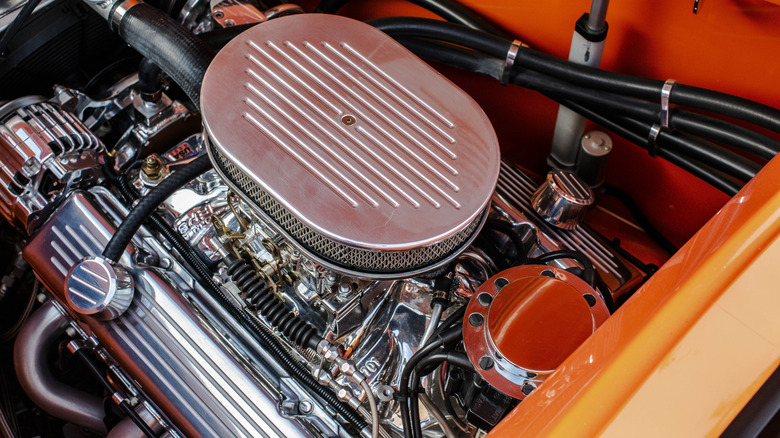
If your cleaning procedure is not thorough, you can end up with a "ring around the tub" effect, where you have a high tide line of grime and chalky white residue around hard to reach places. Over the years this buildup will become harder to deal with, requiring harsher methods to keep it looking like the easier to reach and clean chrome parts.
There is a reason that businesses specializing in cleaning cars and motorcyles are called detail shops. The devil is in the details when it comes to cleaning any vehicle, especially so with a classic car featuring a lot of chrome. While chrome looks good when properly shined, it is also very unforgiving of dirt and grime, and leaving hard to reach places under cleaned will result in an uneven surface texture that will quickly reveal itself in reflections and the play of light across the chrome's surface.
In order to prevent this it is important to take your time, and use the right materials. Do not embark on polishing your ride thirty minutes before rolling out for your date. Instead get into the zen of chrome maintenance, be patient, and look closely. You can use materials like aluminum foil, which is softer than true chrome, to polish off surface water deposits, bugs, tar, and small rust spots. It can be shaped easily to get into hard to reach places and help provide a uniform shine that gives chrome is gleaming finish.
Using the wrong protectants and sealant
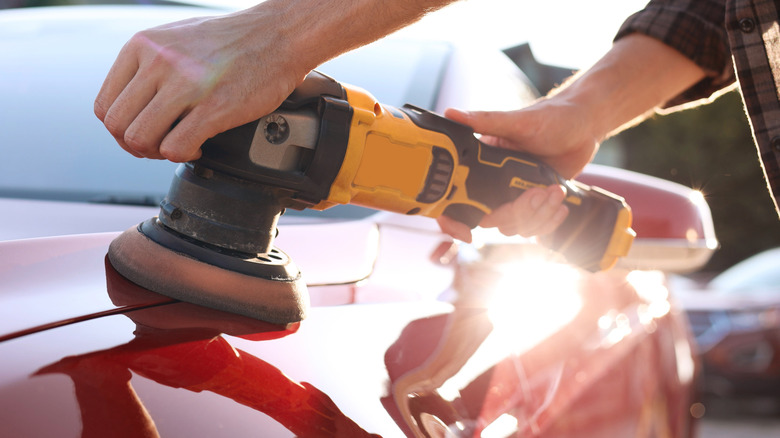
After the grime and filth has been safely removed it is important to apply a sealer to make the job easier next time and to protect the part from harsh conditions. Using the wrong products can cause a variety of problems, from wax buildup to trapping water and accelerating the very corrosion you were trying to keep at bay.
As we have discussed, waxes and sealers designed for painted surfaces often fail to meet the requirements of polishing chrome. Non-breathable petroleum based pastes and sealants may look good immediately upon application, but they will age quickly and poorly, and some will actually accelerate problems.
It is important to use dedicated products that are specifically designed to seal and protect true chrome finishes. These products are easy to find online, in auto parts stores, and at many retailers. Look for non abrasive synthetic polymer sealants that are tried and true. You can now also source specialized chrome ceramic sprays that are increasingly available. These products produce a durable, hydrophobic shield that will repel contaminants and water, guard against oxidation, and play well with chrome chemically.
Not cleaning your chrome regularly
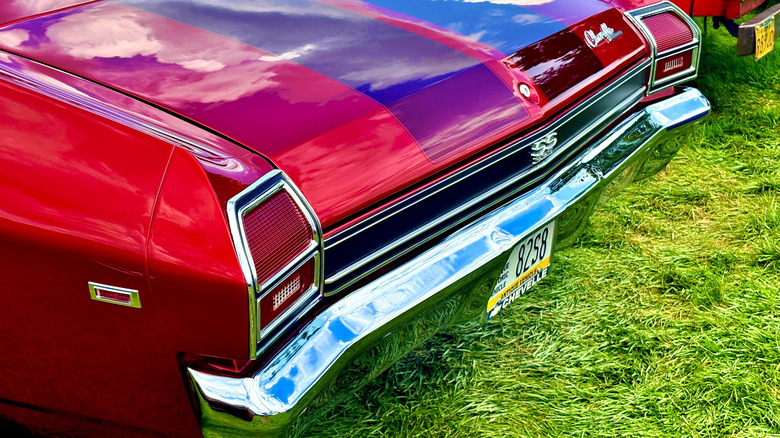
Letting grime and surface corrosion build up before taking care of the problem is a recipe for disaster. Rolling up your sleeves and doing a thorough or even painstaking job regularly ensures that you head off the problems before they crop up. It is easier to keep a clean car clean than it is to polish up a filthy ride.
If you treat polishing the chrome on your classic car as an event done once a year to great fanfare and backbreaking labor, you are working against your own interests. This has to do with the nature of chrome, which is actually porous on the microscopic level.
Periodic maintenance to quickly knock down accumulating road grime, fingerprints on interior trim, and the deposits left by dirty water or even atmospheric moisture will mean that when you do have time to do a deep dive, it won't have to be quite so deep. Giving your chrome a quick round of cleaning more often will ensure that when you hit the road to show off your shiny rig you do not have to wear yourself out cleaning and polishing before the fun begins on the street and strip.