

3 Signs It's Time To Replace Your Laptop (Not Just Repair It)
Repairing your laptop can give it new life and help it serve you for a long time. If the RAM is faulty, a replacement is all you need. Similarly, if your laptop screen is cracked, the keyboard isn't working, or some ports no longer work, a repair can fix these issues, and you'll be back up and running with a properly working device. However, repairing your laptop can only go so far — it won't fix every single issue you may encounter. And as your laptop gets older, you're likely to run into many different issues.
Some of those signs might indicate your laptop needs just a repair, while others could mean your entire machine is reaching the end of its useful life. Repairs can fix some issues that keep your laptop from functioning properly, but at some point, spending more on repairs may no longer make practical sense. Replacing a laptop can be a significant expense, especially for those who need a device with high-end specs, with the out-of-control RAM prices pushing costs even higher.
Some older laptops can keep working reliably with a battery replacement, added storage, more memory, or a fresh software installation. However, if you face any of these issues on your laptop, it's a clear sign your device is due for an upgrade, not just a simple repair.
Repair costs keep adding up
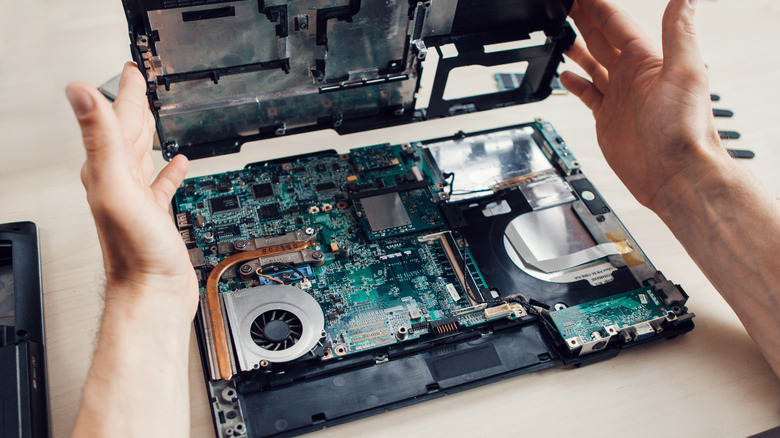
When your laptop has an issue, it's best to try to fix it first before tossing it and buying a new one. But when laptop problems start happening one after another, the cost of keeping your aging device running can be hard to justify. Sure, a battery replacement is reasonable on its own, but if that is followed by a cascade of other issues such as a failing keyboard, damaged charging port, or a faulty screen, the combined repair bills quickly add up. Repairing a laptop can be quite expensive depending on the issue, with HP estimating it can cost between $60 and $150 for a battery replacement and between $120 and $400 to replace a faulty screen.
These repairs are already quite expensive. Now imagine having to repair your laptop several times within a few months. The amount of cash you could spend on repairs might approach the cost of replacing it, especially if it's a budget model. In fact, some of the most affordable laptops are selling for under $500, and even $400, which is the same as the cost of some repairs, like a motherboard repair. So instead of going for expensive repairs to keep aging hardware operational, it makes more sense to invest in a new device.
It's constantly slow

A consistently sluggish laptop can be more than just a minor inconvenience. If apps take a long time to open, programs freeze regularly, or simple tasks take longer to finish, your laptop may be struggling to keep up with your everyday workload. Of course, you can fix sluggish performance on a computer in different ways, including adding more memory for those lucky enough to have one that allows upgrades. So don't simply throw in the towel and buy a new laptop at the first sign of slow performance.
However, if you've been through the whole nine yards, including upgrading the memory and storage to improve performance, and your laptop is still consistently slow, it constantly overheats, or its fans go into a frenzy all the time, then that could be a sign that the hardware has reached its limits for your use case. In that case, your only option is to get a new laptop with better hardware that can run your go-to apps without breaking a sweat.
It no longer receives software updates
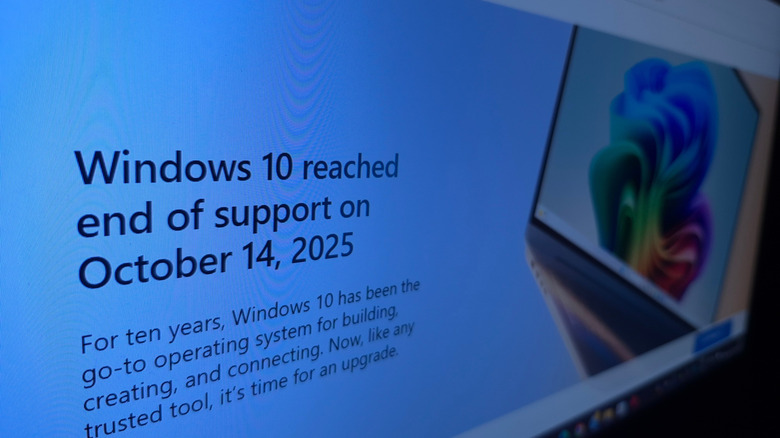
One of the clearest signs it's time to get a new laptop is when your current model can't get any new updates. While an old laptop with outdated software can still function normally, losing access to the latest updates can have serious consequences. First, it can make your device vulnerable to cyber threats, which can lead to issues such as identity theft. A second issue you might face is compatibility with the latest apps. Even if your laptop is in perfectly good condition but isn't compatible with key apps you depend on daily because of outdated hardware or software, it's time to upgrade to a new machine.
Lastly, a lack of updates might also lead to sluggish performance. Updates do more than just add new features to your device. Software updates also fix security vulnerabilities, improve performance, and even help ensure your laptop is compatible with the latest apps. For the uninitiated, a lack of software updates is also one of the signs you need to upgrade your phone.
How we listed these signs
It's normal to run into issues with your laptop. Some issues can be fixed, while others might signal it's time for an upgrade. To round up the main signs that signal it's time for a replacement rather than a repair, we looked for issues that can impact your security, productivity, reliability, and overall user experience. We mainly focused on problems that persist despite troubleshooting and those that don't have a workaround (such as a lack of software updates). In addition to that, we looked at the economic side of things. If your laptop is constantly being repaired, then what you spend on fixing it could be better put toward a replacement.