

5 Modern Smartphones That Make Repairability A Priority
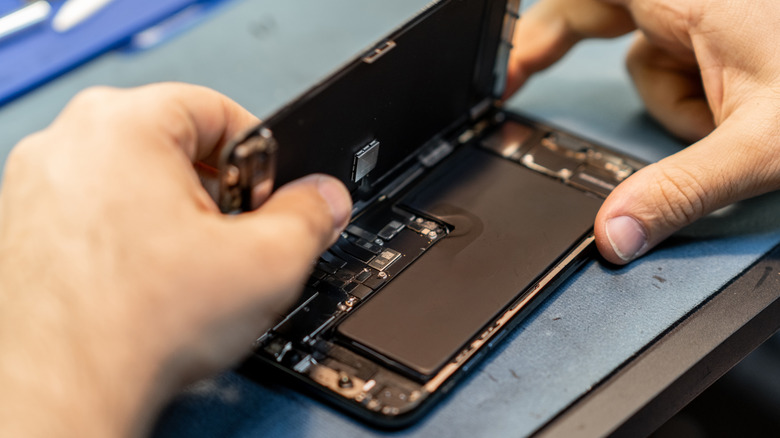
The market for smartphones is not what it was back in the 2010s when you had a legitimate reason to replace your phone every year. Advances in hardware are incremental at best. People keep phones longer now, and manufacturers have tacitly admitted as much by making phones from just a couple years ago last (software-wise) into the next decade. Here's the problem: Phones get the updates, sure, but a seven-year pledge won't help you when the screen shatters or the battery gives up the ghost, and replacing either one of those things (or any other part) is expensive and difficult. Manufacturers still don't make repairability as big a focus as they should. So, we want to highlight some of the phones that make repairability one of their top priorities.
Unfortunately, options are somewhat slim for smartphones that excel in this category. We've made a short list here of the ones that have the highest score and therefore could be used for years to come. Hopefully this list will grow longer in the coming years, but for now these are the devices to get if you plan to squeeze every last dollar's worth out of your smartphone.
Fairphone 6+
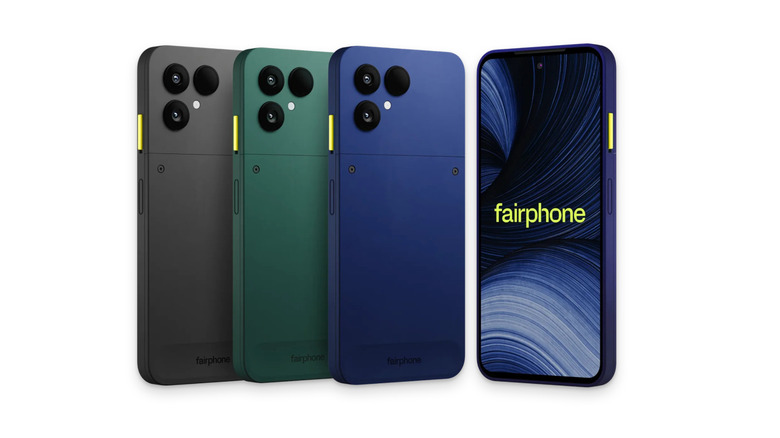
The Fairphone puts its goal right in the name: fair. Fair in every sense. Fair to your wallet, fair in hardware features and software support, fair to the environment, and fair for repairability. Its latest-gen model — the Fairphone 6+ released in August 2026 — feels like an anomaly in the current market. It costs $649 and earns iFixit's seemingly unassailable 10/10 rating, pulling far ahead of even the biggest phone manufacturers. Seriously, check out its YouTube video teardown and see with your own eyes how repairable it is.
First, the Fairphone 6+ ships with a single Torx T5 screwdriver that can undo all its screws. Where other phones would make you heat up and cut adhesive, then remove dozens of screws and modules and flex cables just to get to the part you want to fix, the Fairphone has clean, clearly labeled guts that only take some simple unscrewing, sliding, and popping out to finish the job. It provides detailed self-repair guides and its repair parts aren't sold at highway-robbery prices; you can buy a display for $89.95, for example, when Apple would charge you $329 for an iPhone 17 Pro replacement display.
Aside from all that, the Fairphone 6+ is still a great device for the price you pay. It has a Gorilla Glass 120Hz adaptive refresh rate display, a 50MP main camera capable of 4K 30FPS video, a decently sized 4,415mAh battery, 30W fast charging, 12GB of RAM, expandable 256GB internal memory, and a Snapdragon 7s Gen 4 chipset. It will be a capable phone with its current specs for years to come, which is great because aside from the fact you can repair anything, Fairphone's software support lasts until 2033 — longer, if you then use Lineage OS.
Fairphone 6
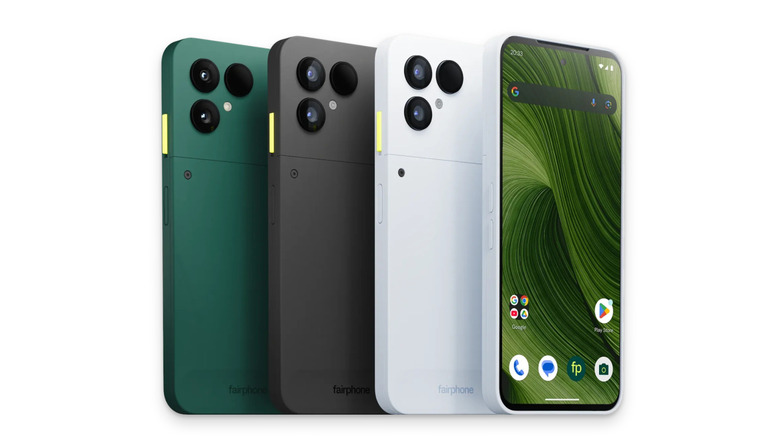
As you may have guessed by the name, the Fairphone 6+ is sort of like the "iPhone S" of the Fairphone lineup, an incremental iteration over the base release. Prior to it, the Fairphone 6 came out in June 2025. The Fairphone 6 is by no means less repairable than the Fairphone 6+. iFixit awards it a perfect 10 out of 10 score, virtually identical in repairability ease. Watch the YouTube video teardown and rest assured every sundry part of it can be replaced for as long as Fairphone sells the parts.
We'd definitely recommend getting the Fairphone 6+ since it has better specs and thus a bit more longevity software and hardware-wise, but you can still get the original Fairphone 6 for about $50 less if you prefer. Perhaps significantly less if you can find one on the used market. This is one of the phone brands we can comfortably recommend buying used simply because if you get burned by the seller with a broken phone, you most likely can fix it easily yourself, and do so affordably. Making a phone feel like brand new often just requires replacing the battery, and no other phone will make it this easy.
If you're hesitant because the promise seems too good to be true, then relax; Fairphone has a good track record for supporting older devices. The Fairphone 4 (a device that released in 2021) is still getting updates, and you can still buy parts for it officially. If that doesn't seem impressive, bear in mind that Samsung and Google no longer support their flagships released around that time. Fairphone is doing the "seven years of updates" promise in a way that its much wealthier, more influential competitors are not.
The iPhone 15, 16, and 17 series
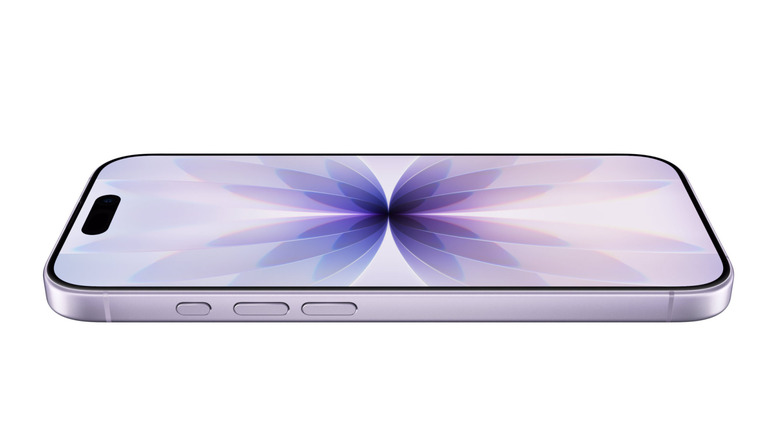
The iPhone? Repairable? Cue the laugh track. In all seriousness though, the most recent iPhone generations have made huge strides in repairability. It's nowhere near Fairphone where it sits alone, up in the stratosphere, but iPhones are now much easier to fix generally. Accessing affected parts is easier, those nightmarish parts pairing issues from yesteryear are mostly gone, and if you're courageous enough to do the repair with your own two hands, you no longer need an authorized repair shop. As such, the iPhone 15, 16, and 17 — including base, Pro, Plus, and "e" versions — have been earning solid 7 out of 10 iFixit scores. We have no reason to suspect the new iPhone 18 Pro will be any different.
The reasons why are varied. You can now access an iPhone from both sides rather than being forced to start from one side and work your way the opposite direction to get to a single part concealed deep inside; Apple's website now includes detailed self-repair guides that show you how to diagnose an issue, exactly what tools you'll need, and how to do a specific fix; and buying parts directly from Apple has never been easier, even if those parts are quite pricey.
Apple has also been doing clever things here and there that make iPhone repairs even easier than the competition. For example, removing the battery from newer iPhones can be done cleanly and easily with a 9V battery instead of yanking on an adhesive pull tab. The irony is that the iPhone is more repairable now (at least by iFixit scores) than its Google and Samsung competitors' most recent flagships.
iPhone Air
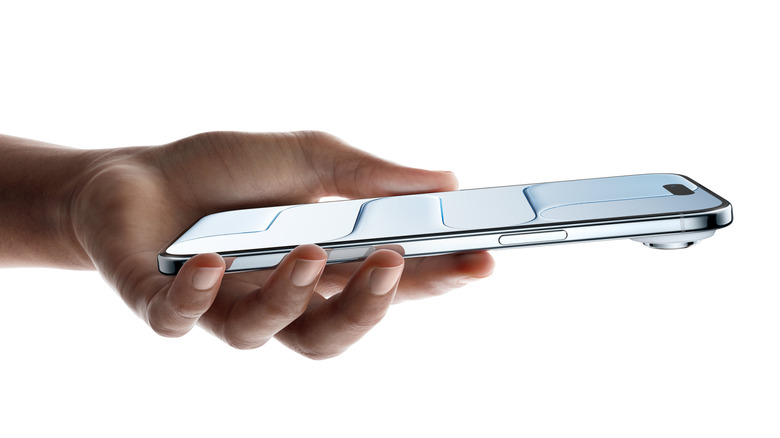
The iPhone Air surprised everyone. We thought it would snap like a twig; it turned out that to break it, you'd need an elephant to step on it. The hardware compromises seemed like an instant no-go, but then people started to prefer it despite being objectively worse in meaningful ways than other iPhones; and to our even greater surprise, it maintained the same repairability score as its sister models. iFixit's main complaint is the same as with other iPhones: it uses multiple different screw types and too much adhesive. Not (as you might expect) that the impossibly thin chassis forces components into such a tight space that repairability suffers.
It's the same story here as with other iPhone models: Apple provides a complete in-depth self-repair guide for you, you can get in from both sides, and you can buy the parts you need directly from Apple. This is a huge deal because the iPhone Air is not cheap at $1099 currently, and again, it's not on par spec-wise with the Pro. The fact that it also has pretty weak battery life means more frequent charging and therefore a more imminent battery replacement. So, the incredible durability paired with the strong repairability score, we'd say, makes the Air a compelling purchase despite its flaws.
Before you run out and buy the iPhone Air though, keep in mind that there is a possibility it could see a next-gen upgrade. Perhaps in 2027 when the iPhone 18 comes out. If Apple keeps the same repairability and addresses the weak points, it may be worth the wait.
Google Pixel 10 and 11
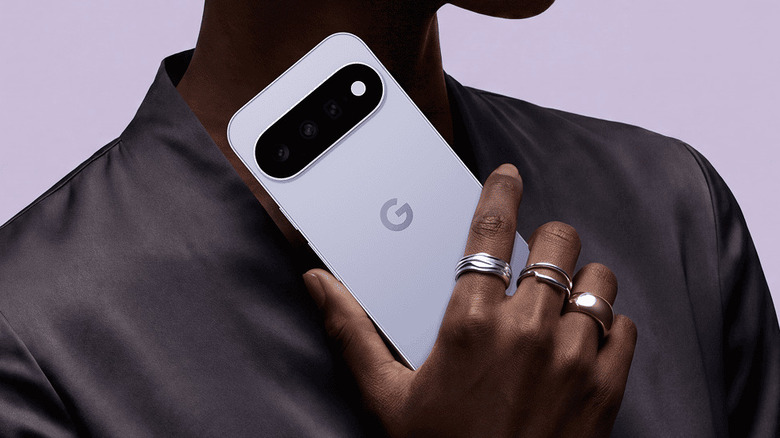
Apple is currently leading the pack among the US's most popular flagships in terms of repairability, but Google is a close second. iFixit gives the previous generation Google Pixel 10 a 6 out of 10 repairability score, complaining primarily about the overuse of adhesive. For the record, the 6 out of 10 may seem like a borderline failing grade, but there are phones much worse than that.
Unfortunately, iFixit has not released a teardown of the newly released Google Pixel 11 yet. However, considering how similar these phones are — and drawing on teardowns done by others — we have reason to believe the Pixel 11 at least matches previous-gen repairability standards. Google does seem to be improving its repairability generally, too, by ensuring the Pixel 11 lineup has repair parts for the entire duration of its seven-year update promise.
Repairability aside, Pixels are easy crowdpleasers. We gave the Google Pixel 11 a favorable review. There's still nothing quite like a Pixel, software-wise; these really are the "smartest" smartphones you can buy, with some absolutely brilliant uses of AI and incredible cameras. They're certainly not perfect phones. You'll find a number of good reasons people might not want a Pixel. One of the biggest is that the Pixel phones have some of the most disappointing processing power among flagships. Even now with the current generation, Google Pixel 11, the Tensor G6 underwhelms massively. You'll be absolutely fine if you are using a phone like most people are, i.e. instant messaging, social media, and the occasional game. Only someone who is running the computationally heavy stuff will be bothered by performance of the G6.