

4 Reasons Why People Ditch Their Apple Watch
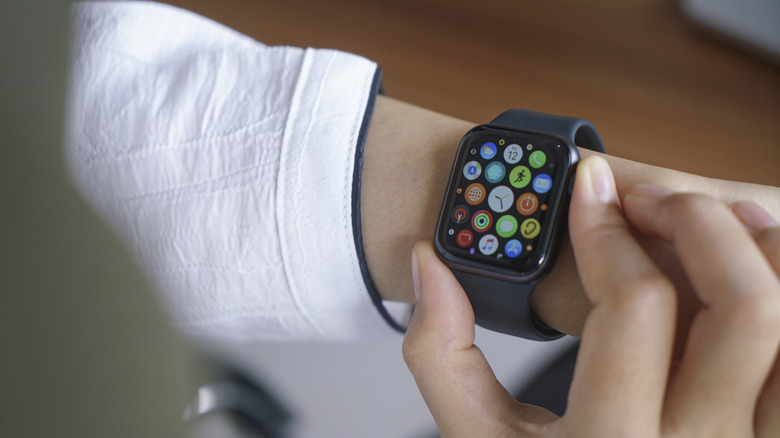
There are plenty of smartwatches to choose from, but if you own an iPhone, the Apple Watch is probably your best option. It ties into Apple's ecosystem of devices more tightly than any other smartwatch, has some of the best health and sleep tracking features in the industry, and includes a slew of safety features like Crash Detection and Emergency SOS. Though it's not the cheapest option for tracking basic vitals, Apple's current lineup offers decent price variation.
The Apple Watch SE 3 starts at $250 and gives you most of the essentials, while the $800 Apple Watch Ultra is targeted at athletes and adventurers who need a more rugged smartwatch with plenty of battery life to spare. Although the Apple Watch doesn't receive as many updates as iPhones do, you can expect to receive around three to six years of watchOS updates, which helps with longevity.
As useful as the Apple Watch is, people may not always feel the need to buy another one when it comes time for a replacement. Here's a more in-depth look at why even long-term Apple Watch users may ditch the smartwatch, whether due to poor battery life, expensive repairs, or simply the fatigue that comes with having another screen demanding their attention throughout the day.
The constant battery top-ups get tiring
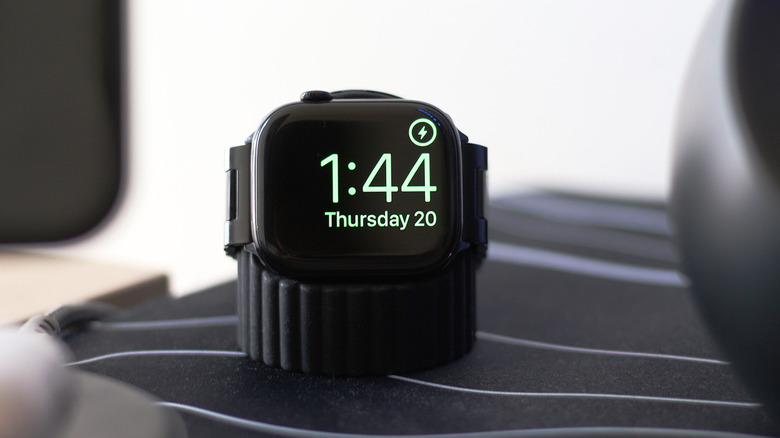
Though there is a growing number of phones with silicon-carbon batteries that are pushing the envelope, most of us have made peace with charging our phones at least once a day, and we've had years to get used to plugging them in before bed or right after waking up. Adding a new device to your everyday carry that also requires the same charging routine can quickly become a chore. For those coming from the world of dedicated fitness bands, which typically tout week-long battery life, having to adjust to a smartwatch's daily top-up requirements can be frustrating.
The Apple Watch Series 11 is rated to last up to 24 hours with normal use, and even if you manage to stretch it into a second day with lighter use, you will almost certainly need a quick charge to make sure it doesn't die mid-day. Obviously, for people who actively use their smartwatches for workout tracking and navigation, getting used to frequent charging probably happens naturally over time. Eventually, charging your Apple Watch daily turns into a habit.
However, another roadblock is the proprietary charging puck that the Apple Watch relies on. If you're traveling and happen to leave the charger behind, topping up via USB-C isn't an option. Since the Apple Watch is packed with features beyond health and fitness tracking, poor battery life is a common complaint among users coming from Garmin or Fitbit watches.
Repair costs are far too high
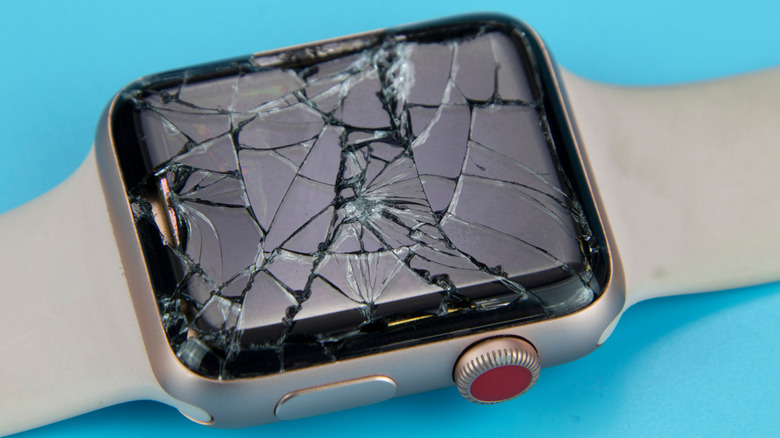
Your Apple Watch can last a long time and is surprisingly durable, despite its nearly bezel-less display that curves toward the edges of its aluminum or titanium casing. The display is still sure to pick up some scratches and minor scuffs as it ages, but the smartwatch itself is quite resilient to the bumps and knocks that come with being strapped to your dominant wrist all day. The Apple Watch Series 11 also offers water and dust resistance, in addition to being swim-proof. Unfortunately, if you do end up cracking its display or damaging its internals, sending it in for a repair might not be very economical.
According to Apple, the estimated repair cost for a current-generation Apple Watch (GPS only) can go as high as $300. For a smartwatch that costs $400 brand new, repairing a damaged unit is difficult to justify. Obviously, if you've got an AppleCare plan, the service cost goes down dramatically, but if you've scuffed a three- or four-year-old Apple Watch into oblivion, getting it repaired is a costly affair. Even a battery replacement costs $100.
In fact, repair costs are so high that the popular opinion among users whose Apple Watches are cosmetically damaged is to simply live with the scuff marks. If you've totaled a watch that's still relatively new and can't justify repairing it or buying a brand-new unit, you might simply decide to ditch your Apple Watch and switch to a more affordable alternative.
The novelty of a smartwatch wears off
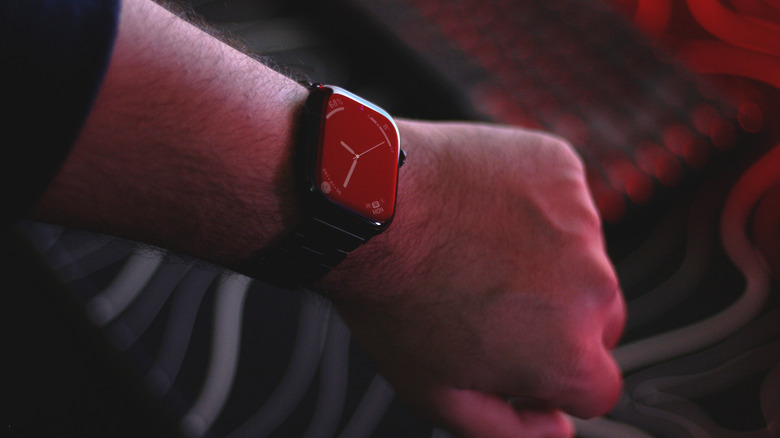
For those who have never owned a smartwatch, the novelty alone can make the first few weeks or months of using one very exciting. Even if you're coming from a different smartwatch, there's a lot to like about the Apple Watch. It's incredibly powerful; the display gets very bright, and watchOS is arguably one of the most fluid ways to interact with a wearable on your wrist. After a while, though, the features that once seemed exciting gradually become routine. You also end up realizing that although your smartwatch can do many things, your smartphone probably does them way better.
One of the key differentiators of smartwatches over simple fitness bands is their ability to handle notifications. Not only can you view them, but watchOS lets you reply to messages using a full on-screen keyboard or voice typing. Yet, notification mirroring is one of the most commonly disabled features among Apple Watch owners — there's just something far more distracting about having every app nudge you on your wrist multiple times a day.
There are still a couple of conveniences worth cherishing. Things like paying at terminals with your wrist or quickly controlling music playback on your AirPods without having to pull out your phone become second nature. However, once you've experienced the Apple Watch for a while and realized how rarely you actually use many of its smartwatch-specific goodies, it's much easier to upgrade to a cheaper fitness tracker going forward.
It doesn't work with Android
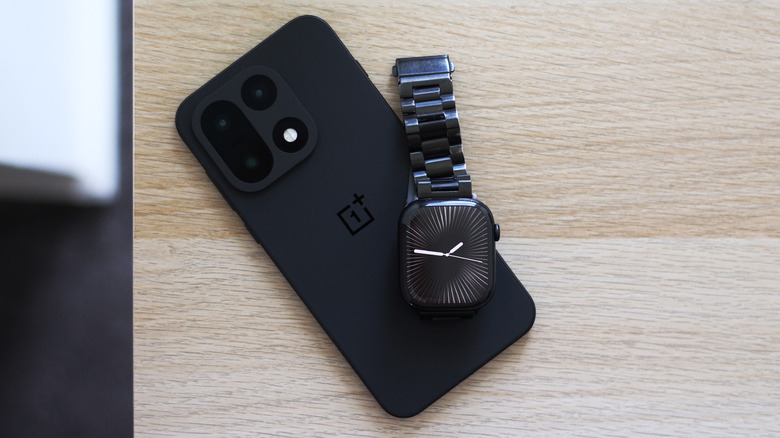
Another big reason why even long-term Apple Watch users end up ditching the smartwatch for other alternatives is that they're switching from iPhone to Android. At the time of writing, there's no official way to pair an Apple Watch with anything other than an iPhone. In fact, Apple itself commented on the matter—which is quite rare for the brand to do. According to Apple, it spent three years trying to make the Apple Watch compatible with Android before ultimately dropping the project due to "technical limitations," as reported by 9to5Mac.
This means that even if a user finds the Apple Watch extremely useful and incomparable to other smartwatches, switching to Android essentially forces them to leave the watch behind. Technically, if you own an Apple Watch with cellular support, you could make it work even without an iPhone nearby — but at this point, you're carrying around devices from two ecosystems that don't talk to each other.
Users with an Apple Watch who prefer Android often say they lug around an iPhone reluctantly since it's the only way to sync their fitness data to the cloud. Eventually, when the time comes for an upgrade, it's highly unlikely that they would want to subject themselves to the same compromise again. Competitor devices like the Galaxy Watch and Pixel Watch have caught up to the Apple Watch and are a much easier sell for Android users.