

5 Wheel Bearing Myths You Shouldn't Believe
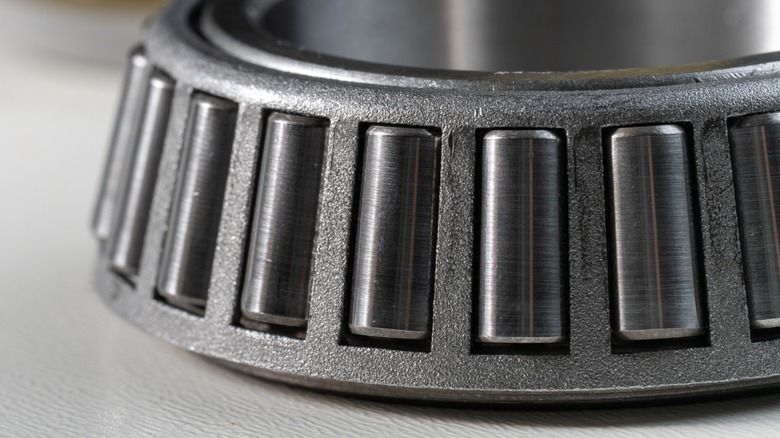
Practically everything with tires that's designed to travel on the road utilizes wheel bearings to keep things rolling smoothly. This includes semi-trucks, motorhomes, pickups, cars, vans, and motorcycles. In addition, trailers, like those used for campers, livestock, boats, and other types of equipment, also have wheel bearings.
Wheel bearings typically require minimal maintenance and often last the lifetime of the vehicle they serve without their owners giving them a second thought. However, when a wheel bearing fails, the results can be catastrophic. Best case scenario, a bad wheel bearing can create some of the worst sounds your car can make, often accompanied by vibration as the vehicle is driven on the road. Sometimes, a simple inspection can replicate these symptoms by raising the tire off the ground and spinning it by hand (more on that in a bit).
More serious repercussions to a failed wheel bearing include causing your car to catch fire when the overheated bearing ignites the grease used to lubricate it. A driver could also lose control due to the bearing locking up and pulling the vehicle to one side abruptly, or the wheel separating from the vehicle entirely while underway.
With such serious consequences, giving your vehicle's wheel bearings the respect they deserve should be high on your list. However, their quiet, long-lasting nature makes them a rare topic of discussion when it comes to vehicle maintenance. As such, a number of myths about wheel bearings persist across generations; here are five you shouldn't believe.
Myth 1: Wheel bearings always last forever
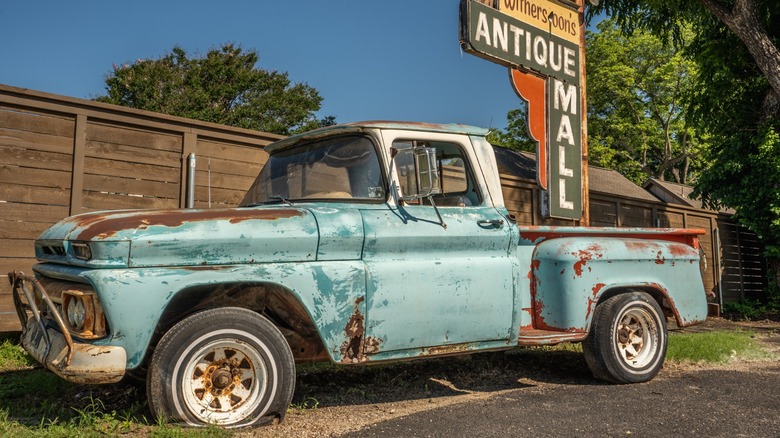
As we've said, wheel bearings often last the lifetime of the vehicle, and failures are admittedly relatively rare. The problem with the myth that they never fail is that it causes people to neglect performing maintenance on those wheel bearing types that require it. This could also lead to drivers ignoring the symptoms of wheel bearing failure altogether until it's too late to avoid serious damage.
Depending on the vehicle, there are different styles of wheel bearings. Older rear-wheel drive vehicles used unsealed roller bearings pressed onto the axle shafts that were lubricated by the rear differential fluid. More modern vehicles use maintenance-free sealed wheel bearings contained within a hub assembly. Trailers often use tapered roller bearings with separate bearing races (a hardened metal ring the rollers ride on) which require periodic inspection and maintenance. While DIY wheel bearing replacement and inspection are straightforward tasks, you should be aware of the type of bearings your vehicle uses before proceeding.
The lifespan of a sealed hub assembly is likely the reason many people believe wheel bearings last forever. They are indeed quite robust and trouble-free in most cases, although they can and do fail from time to time. As with any vehicle component, the environment in which they operate plays a significant role in their longevity. For instance, boat trailer wheel bearings are often short-lived because they're frequently submerged while launching and loading the watercraft they carry. Other trailer types frequently sit motionless for long periods before being tasked with carrying the types of maximum loads that could lead to bearing damage.
Myth 2: A quiet wheel bearing is a good wheel bearing
You've likely heard the old adage, "the squeaky wheel gets the grease." While that might be a good saying to remind us to speak up for ourselves, by the time a wheel bearing starts squeaking it's likely too late to save it by simply adding grease. The good news is that, relatively speaking, it doesn't cost that much to replace a wheel bearing when necessary.
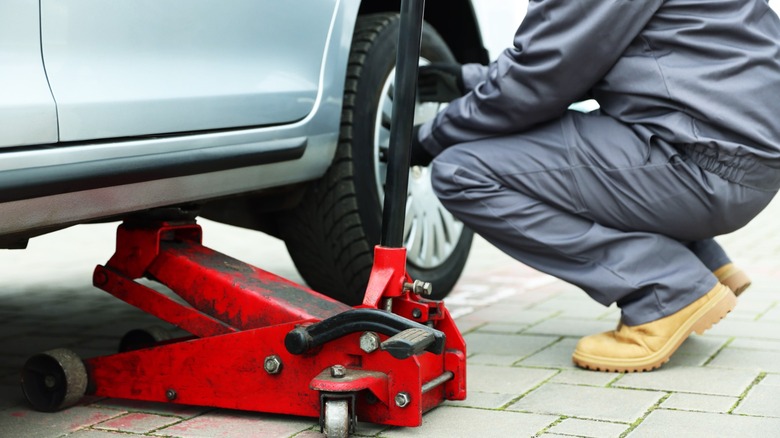
This myth is executed by giving a raised tire a good spin and proclaiming the wheel bearing "good" if it produces no noise. While a bad wheel bearing will often emit sounds ranging from a soft whir to a pronounced growl, silence isn't always a reliable indication of the absence of a problem.
In reality, sealed hubs often last close to 100,000 miles on average, with some lasting longer and others failing sooner. The lifespan of these components is usually determined by the stresses they encounter. Harsh environments, heavy loads, and spirited cornering can all cause premature wear to the bearings and seals contained within the hub assembly.
Most trailer bearings are not contained within a sealed hub assembly. That's the reason trailer manufacturers recommend periodic bearing maintenance. In many cases, trailer axles will include a grease zerk under the hubcap of each wheel meant to add grease to the bearings within, which leads us to our next myth.
Myth 3: Axles with grease zerks don't require removing the bearings for maintenance
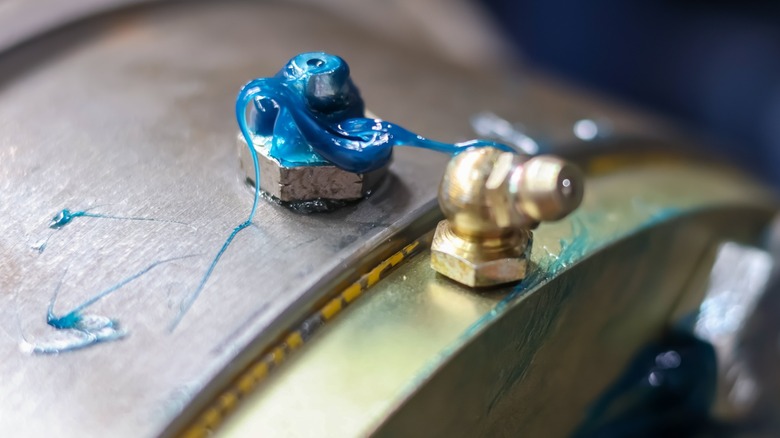
Don't worry if you're not sure what a grease zerk is; you're not alone. Grease zerks, sometimes called "grease nipples," are among the most unknown car parts for a lot of people. They come in a variety of shapes but ultimately are tasked with allowing pressurized grease supplied by a grease gun to enter the system while keeping water and debris out.
On trailer axles so equipped, the design can force fresh grease into one or both bearings that support each hub. For best results the manufacturers often recommend raising the tire and spinning it while applying grease through the zerk. In some instances, this system injects a welcome shot of fresh lubricating grease that's beneficial to the bearings. Other times, if used frequently without performing any other wheel bearing maintenance, the build up of pressurized grease can blow out the rear seal, causing the lubricant to escape its intended space. For trailers with brake systems, this can cause complete brake failure (and generally makes a huge mess).
You should stop believing the myth that the only wheel bearing maintenance these types of axles require is an annual shot of grease from a grease gun. While occasionally topping off your axle in this manner is just fine, make sure your grease gun is manual — never use a pneumatic or battery-powered one, as they can apply grease too fast with too much pressure, immediately resulting in a blown seal. However, it's still important to grease your trailer wheel bearings the correct way; perform manual maintenance to prevent excessive grease build up and visually inspect the bearings, races, and old grease for signs of wear.
Myth 4: It's ok to replace the bearings without replacing races and seals
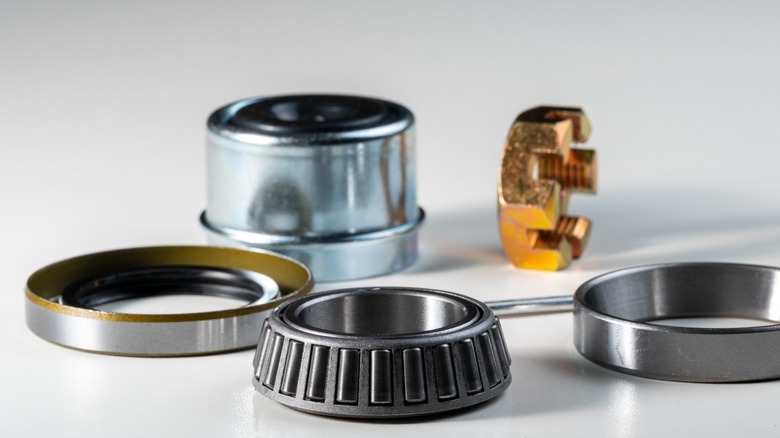
With the sealed hub assemblies used on most automobiles and some trailers, it's easy to decide which parts to replace. The only logical option in these cases is to replace the entire assembly, as they don't contain any serviceable parts suitable for a rebuild. Serviceable wheel bearings, used by most trailers and some older vehicles, consist of several parts, including the tapered wheel bearing assemblies, bearing races, a rear axle seal, axle nut, keeper, and a dust cover.
First, the seal is often destroyed when removing it, so you'll want to have new ones on hand even if you're just cleaning and repacking the old bearings with grease as part of your maintenance routine. Trying to reuse seals is not a good idea, as they're just a few bucks and widely available from your local trailer parts store or repair shop.
For planning purposes, you should know that each wheel will have an inner and outer bearing that should come together as a set. Sometimes the set includes just the bearings and races, other times it'll include seals and other hardware.
While replacing the seals and bearings themselves is a no-brainer, replacing the bearing races often gets skipped. One reason is that the races will often appear pristine to the naked eye. Another reason is that removing and replacing them from the hub is difficult since they're a press fit. However, if you're not capable or don't have the proper equipment for the job (though you can check Harbor Freight for highly-rated tools on a budget), carrying the hubs into a repair shop to have the races changed is money well spent.
Myth 5: If one wheel bearing fails, the others are still good
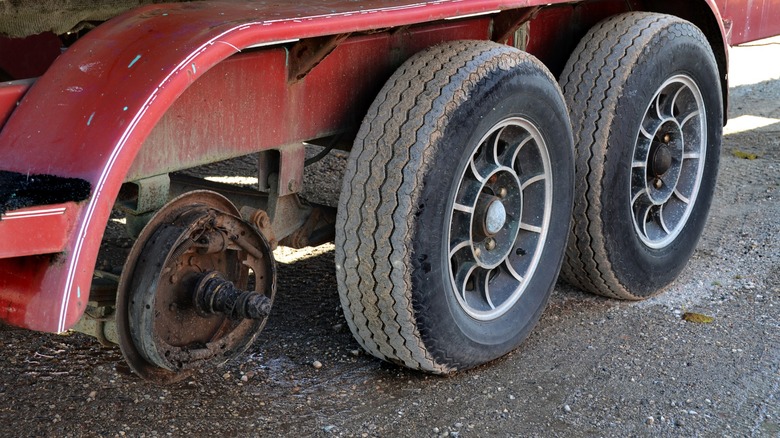
Whether your vehicle is well-loved or well-used, deciding on the extent you're willing to go to get your ride back on the road can get complicated. When it comes to replacing wheel bearings, it can be tempting to just replace the bearing that failed, especially if you're maintaining a high-mileage car.
The bad news is that if the wheel bearings on one side of the vehicle are bad, chances are the bearings on the other side won't be far from failure either. On an automobile, that typically means strongly considering replacing both sealed hub assemblies at the front at the same time. It would also be a good idea to at least inspect the wheel bearings at the rear, whether they are sealed assemblies or another bearing type.
Replacing unsealed trailer bearings should at least be done on a per-axle basis. Ideally, it is preferable to change all the bearing on a trailer at the same time for best results and peace of mind.